

Practical experience meets academic expertise at the Unmanned & Intelligent Systems Society
13/02/2019

Natalia is a master’s student enrolled in the Autonomous Vehicles Dynamics and Control programme at Cranfield University and an active member of the Unmanned & Intelligent Systems Society. We talked with her about her work and experiences in our society:
– Why did you join the Unmanned & Intelligent Systems Society?
I was a member of a similar society during my bachelor’s. It was not only lots of fun but also a great opportunity to get practical experience before even having a first industry experience. That’s why I decided to join a society here, in Cranfield, as well. This experience differs greatly from learning for exams or doing assignments. We gain a lot of engineering knowledge as we build our own aircraft from scratch and moreover, we make it fly autonomously. We also learn how to work in a multidisciplinary group with people from many different backgrounds, all having diverse personalities, etc. I joined UIS without a moment of hesitation.
– What are your roles inside of the Society?
I am a systems engineer, which means that I integrate the work of all the sub-teams to make sure that the separate components come together to create a working system. I hope to support my colleagues working on the software platform later on in the project as well.
– What have you learnt through the society that you didn’t expect to learn?
Although I have previous experience in student projects like this, I have never worked with a group of people having such a diverse background before. They often look at the engineering challenges from a completely different angle than me. I am amazed by how much knowledge I can gain from them that I could not get during my studies in any other way. I definitely didn’t expect that, but in the UIS Society, I have learnt how to think out of the box and tackle a problem from many different perspectives.
– How would you describe the Society to your friends?
This is the society that allows Cranfield students to put the theory learnt in University courses into practice. It is also the place to test your ideas, learn skills you otherwise wouldn’t learn in your courses and expand your professional network. Spending time with people who have similar interests and a common goal (to win the competition) is a great opportunity to make friends too.
– Do you think the Society is helpful for your future career?
Of course. As I mentioned before, being a Society member gives you a unique chance for networking. We work alongside bright people, who are now our colleagues but soon will be professional engineers working in the industry. Besides the projects, we meet with industry representatives in talks organised by the Society. We also gain invaluable experience which can be very helpful during job interviews to convince the employer that we are the best candidates. Extracurricular activities like that are particularly valued by employers if they want to recruit a person who is at the beginning of their career as it shows that they have practical experience in addition to a strong academic background.
Sound like something you would like to do? Click here to learn more about Natalia’s course.

Categories & Tags:
Leave a comment on this post:
You might also like…
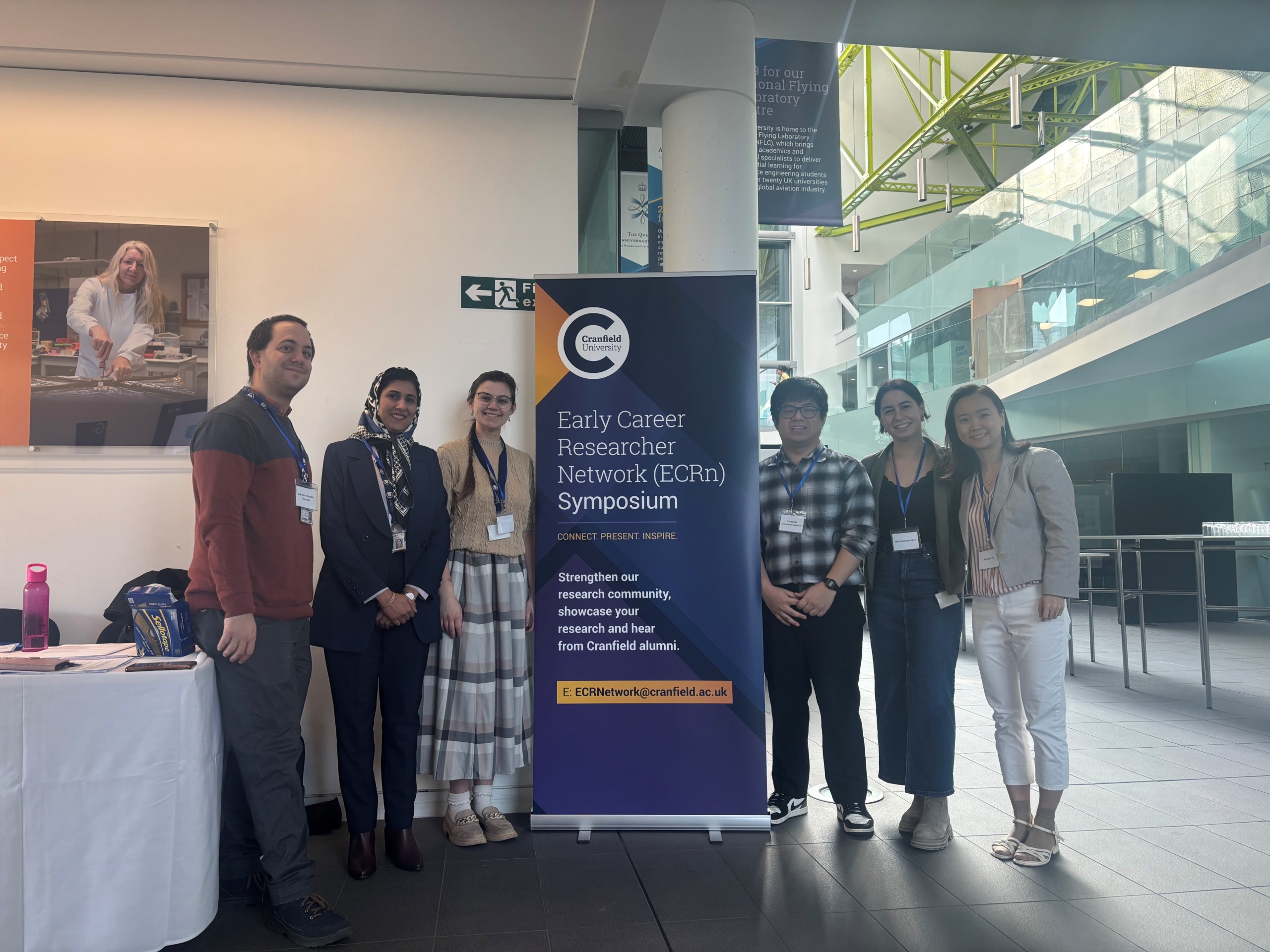
Building more than research: Reflections from the ECRn Symposium 2026
There’s something quietly powerful about a room full of early career researchers. Not just the ideas, although there were plenty of those—but the conversations, the curiosity, and the sense that everyone is figuring things ...
Library services over Easter, 3-6 April
Kings Norton Library will remain open for study 24/7. You will need your University ID card to enter the building and can use the self-service machines to borrow and return items as usual. Barrington Library ...

How do I access the full-text of Harvard Business Review (HBR)?
This is a frequently asked question, and it's worth knowing how to access this key management journal. So, how do you access HBR in full-text? The short answer is via our eJournals finder. You can find ...

Engineering problem to solve? Let Knovel help you find a solution
Did you know that Knovel provides you with more than just eBooks? Knovel is a key database for many engineering, mechanical and materials courses here at Cranfield University, and contains content from an extensive range ...
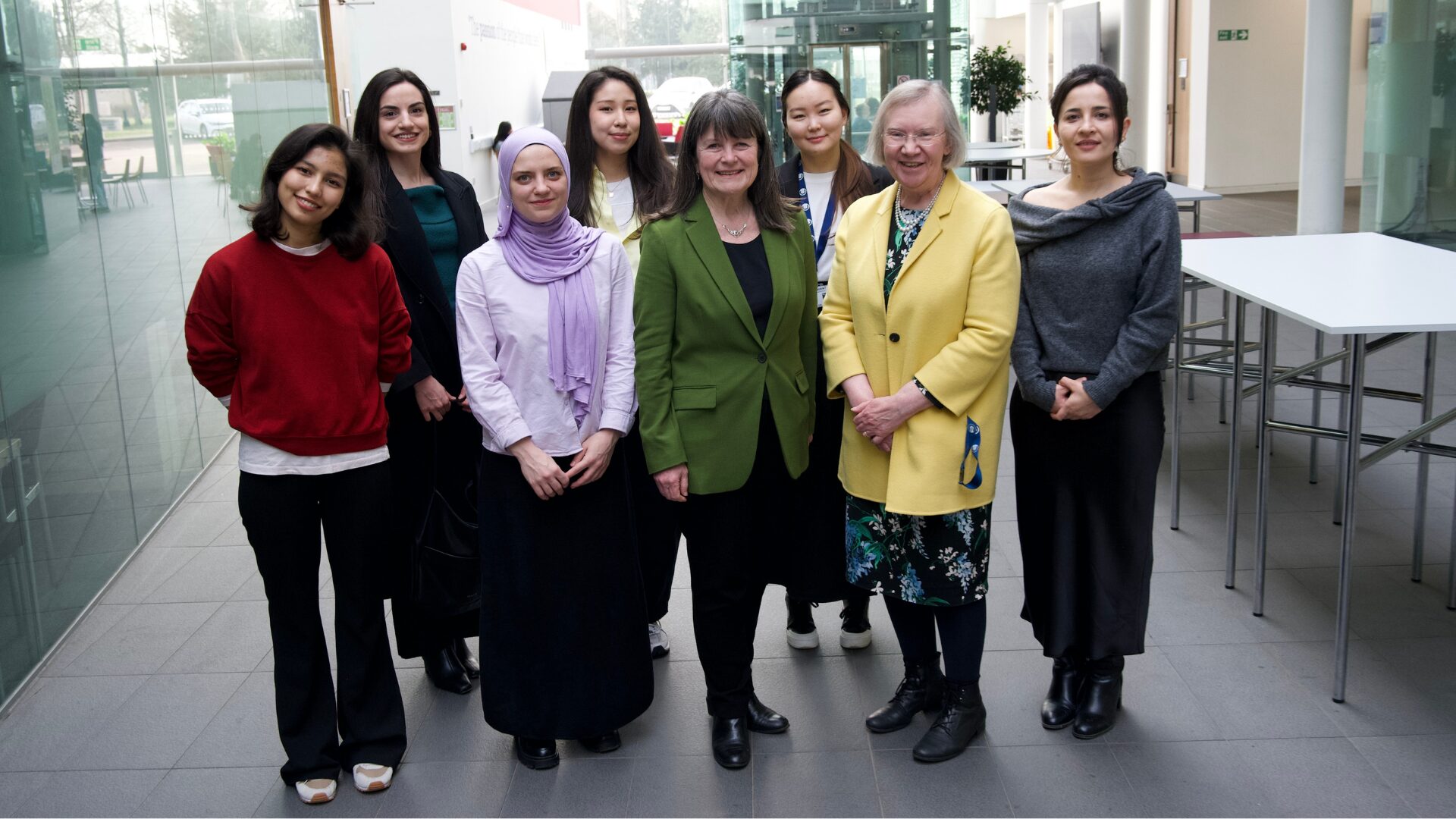
What happens when female scholars meet influential leaders?
On the 5 March 2026, our British Council Women in STEM Scholars had the privilege of sitting down with two excellent role models of industry and academia: Professor Dame Karen Holford, ...
From MSc to CEO: Igniting a research revolution
For many, a master’s degree is achieving a big milestone. Kilyan Ocampo, Computational Fluid Dynamics alumni shares how studying at Cranfield helped launch his career in the energy sector. Today, Kilyan ...