

My journey in computational fluid dynamics: Cranfield University to Montanuniversity Leoben
03/07/2024
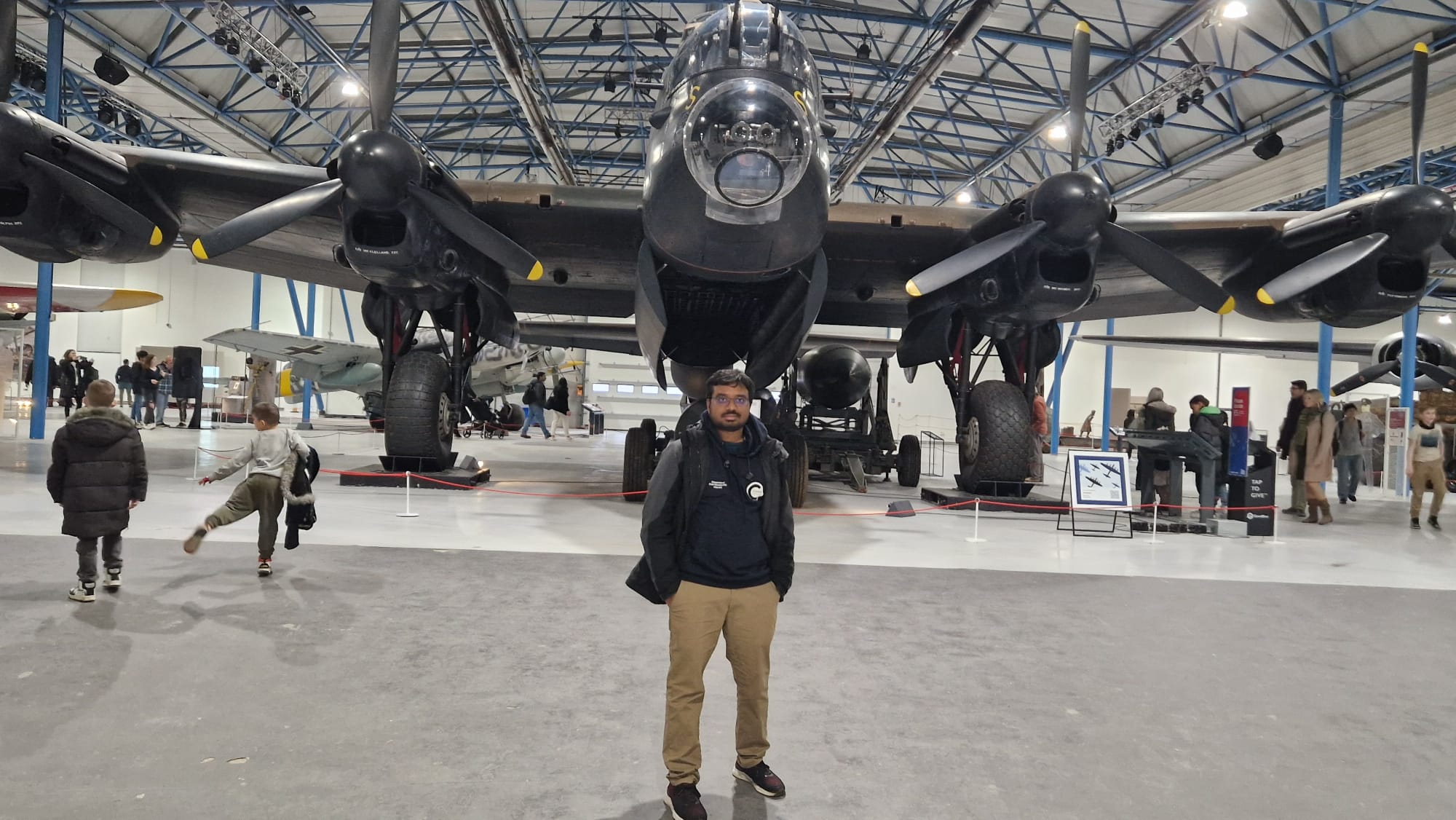
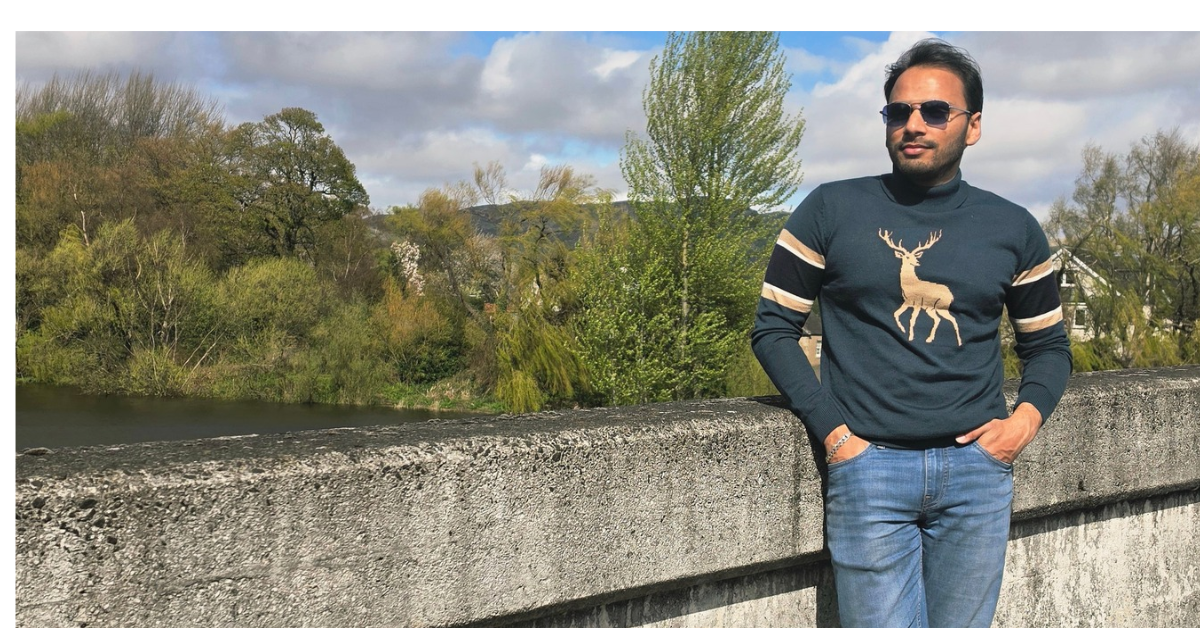
Hi, I’m Aswath Ashok and I am soon to graduate (2024) with a Master of Science in Computational Fluid Dynamics (CFD) from Cranfield University, a prestigious institution in the UK. My current research project allows me to split my residency between the UK and Austria.
So far in my life, I’ve had the opportunity to attend six schools across three different countries. This global perspective has been enriched by experiencing three major global events: the 2004 Indian Ocean tsunami, the 2011 Japanese tsunami, and the 2020 COVID-19 pandemic. While these events were undoubtedly challenging, they have instilled in me a strong sense of resilience and adaptability.
My undergraduate studies included a transformative visit to Cranfield for a flight test experience. This experience sparked my interest in their renowned aerospace expertise. Having gained some exposure to CFD through coursework and projects, I sought a programme that offered in-depth knowledge. Cranfield’s curriculum stood out for its strong emphasis on foundational concepts applicable across various industries. The programme’s accreditation, manageable timeframe, and its affiliation with a well-respected university solidified my decision.
Following my undergraduate experience, I knew I wanted to specialise in CFD. After extensive online research and reviewing blogs, Cranfield consistently emerged as a top choice. The programme’s structure, with modules building upon each other, resonated with my learning style. The true highlights of the programme were the opportunities to develop my own solvers (using FORTRAN) and leverage commercial software to tackle real-world engineering problems.
On lecture days, my mornings began with an early wake-up call, followed by preparations for a full day of classes. These classes covered a significant amount of material and fostered interaction with professors and peers. The emphasis on applying knowledge made for a dynamic learning environment. Living on campus facilitated quick lunches in my dorm room before returning to class. Lectures typically concluded around 4:30 pm, allowing time for extracurricular activities. I actively participated in the university’s basketball league three times a week, while other days offered opportunities for refreshing walks on the scenic woodland trails surrounding the campus. Evenings were dedicated to assignments, often requiring focused work at the library until 8 or 9 pm. Social interaction and meals with flatmates followed before wrapping up the day around 11 pm, frequently with additional assignment work.
Transitioning from Cranfield to Montanuniversity Leoben
While I haven’t yet embarked on a traditional job, I’m currently engrossed in my master’s thesis research at Montanuniversity Leoben in Austria. Collaborating with the university’s faculty on my thesis has been an incredibly rewarding experience. Similar to Cranfield, Leoben is a charming town nestled amidst beautiful natural surroundings. The university fosters a collaborative environment, and being the first Cranfield student to pursue this research path at Leoben has the potential to pave the way for future collaborations between the two institutions.
The UK and Cranfield University Experience
Studying in the UK has been a truly enriching and professional experience. I had the privilege of meeting and collaborating with exceptional individuals from across the globe who shared my passion for CFD. The cultural exchange and exploration of this beautiful country, offering a perfect blend of nature and modern cityscapes, were invaluable aspects of my time there. Cranfield’s location, providing easy access to both nature and vibrant cities like London and Milton Keynes, further enhanced my experience. A special mention goes to the campus kebab stand, a reliable source of sustenance during demanding academic periods.
Future aspirations and advice for aspiring CFD specialists
The field of CFD is constantly evolving, presenting exciting new opportunities in areas like renewable energy and manufacturing. I particularly enjoyed the research component of my programme and aspire to pursue a PhD aligned with my interests. This could potentially lead to a rewarding career in academia.
“Practice. Practice. Practice. While CFD does have lots of theory, testing out a problem in either open-source or commercial software goes a long way in understanding and reinforcing the knowledge gained.”
For those interested in pursuing a career in CFD, consistent practice holds immense value. While theoretical knowledge forms a strong foundation, the most effective way to solidify your understanding is by applying your knowledge to solve problems using either open-source or commercial software.


Categories & Tags:
Leave a comment on this post:
You might also like…
Cranfield: an environment where innovation thrives
The latest Knowledge Exchange Framework rankings from UK Research and Innovation (UKRI) gives an insight into the real and meaningful impact that UK universities have. The seven categories that make up KEF6 cover everything ...
How Cranfield accelerated my career in Logistics and Supply Chain Management
After graduating from the MSc in Logistics and Supply Chain Management at Cranfield University, I've been reflecting on the experiences that made my journey so valuable and the impact it has had on my ...
Mendeley: a powerful tool to organise and manage your references
Are you looking for a way to manage your references, create in-text citations and reference lists for your assignments or thesis? If so, you may wish to consider using Mendeley. What is it? Mendeley is ...
Keen to develop your study skills?
Alongside the technical skills and academic knowledge that you will gain on your course, as a Cranfield student you have the opportunity to develop a range of other skills that can enhance your learning experience. ...
The V-conomy: powering the sixth wave of global economic growth
The world could be on the verge of a major surge in economic growth and development, driven by the convergence of AI and clean energy technology. Waiting to ride the K-wave The Russian ...

Need help using the Python programming language?
We know some of our students are currently trying to learn Python, so we wanted to make you aware of some great LinkedIn Learning videos that can help. But don't you have to pay for ...
Comments are closed.