

From nature walks to neural networks: My journey in Applied AI at Cranfield
08/01/2026

Hi, I’m Ebru K and choosing a postgraduate degree is about more than just picking a subject; it’s about choosing where your future begins. As an international student from Turkey, I knew I wanted a university that didn’t just teach theory but lived and breathed real-world impact.
That search led me to the MSc in Applied Artificial Intelligence at Cranfield University. My journey here is particularly meaningful as I am a recipient of the British Council Women in STEM scholarship, an honour that has empowered me to pursue my goals at one of the world-class institution.
With my graduation set for September 2026, I can already say that this experience is transforming my perspective on technology and my own career.
Why Cranfield? The power of “Applied” learning
When I was researching AI courses, Cranfield’s reputation for industry-focused education immediately caught my eye. Unlike many traditional universities, Cranfield is exclusively postgraduate, meaning the environment is incredibly professional and research driven.
The “Applied” part of my degree isn’t just a title. From day one, the focus has been on how AI and smart technologies solve actual problems in global industries. If you want to move beyond the textbook and into the laboratory of the real world, this is the place to be.
Life on campus: Balance and breakthroughs
One of my favourite things about Cranfield is the unique campus atmosphere. There is a specific kind of peace here that fosters deep thinking.
- Morning: I start my day surrounded by the greenery of the countryside. I’ve found that a morning walk is essential, in fact, a fun fact about me is that my most creative coding solutions and “Aha!” moments usually happen while I’m wandering through the nature trails on campus.
- Daytime: The course is intensive and high-quality. We dive into complex assignments that mirror real-life scenarios. It’s challenging, but the supportive academic environment makes it rewarding!
- Evening: After a day of lectures and research, I usually unwind and socialise with friends. The sense of community among international students here is very strong.
“At Cranfield, you aren’t just a student; you are a researcher in training. The intensity of the course prepares you for the fast-paced nature of the tech industry.”
Preparing for the real world
The MSc course has fundamentally shifted my career aspirations. By working on projects that tackle realistic, complex problems, I’ve developed a practical toolkit that goes far beyond simple programming.
Cranfield’s emphasis on smart technology has shown me the vast potential of AI in research. Seeing the passion and expertise of my professors has inspired me to follow in their footsteps. My goal is now to become an academic in this field, contributing to the next generation of AI breakthroughs just as my lecturers do today.

Artificial intelligence, connections and nucleus in concept of interconnected neurons. Abstract background with binary numbers, neural network and cloud computing.
My advice for future AI pioneers
If you are considering a master’s in AI at Cranfield, here is my best advice:
- Prepare early: The pace is fast. Having a solid foundation in the basics before you arrive will help you hit the ground running.
- Stay motivated: It is an intensive course, but if you have the drive, the resources here are world-class.
- Embrace the environment: Take advantage of the professional network and the peaceful campus life. It’s the perfect setting to focus on your personal and professional growth.
Studying in the UK has been an enriching, life-changing experience. Cranfield has provided me with the expertise, the confidence, and even the “nature-inspired” ideas I need to succeed.

Categories & Tags:
Leave a comment on this post:
You might also like…
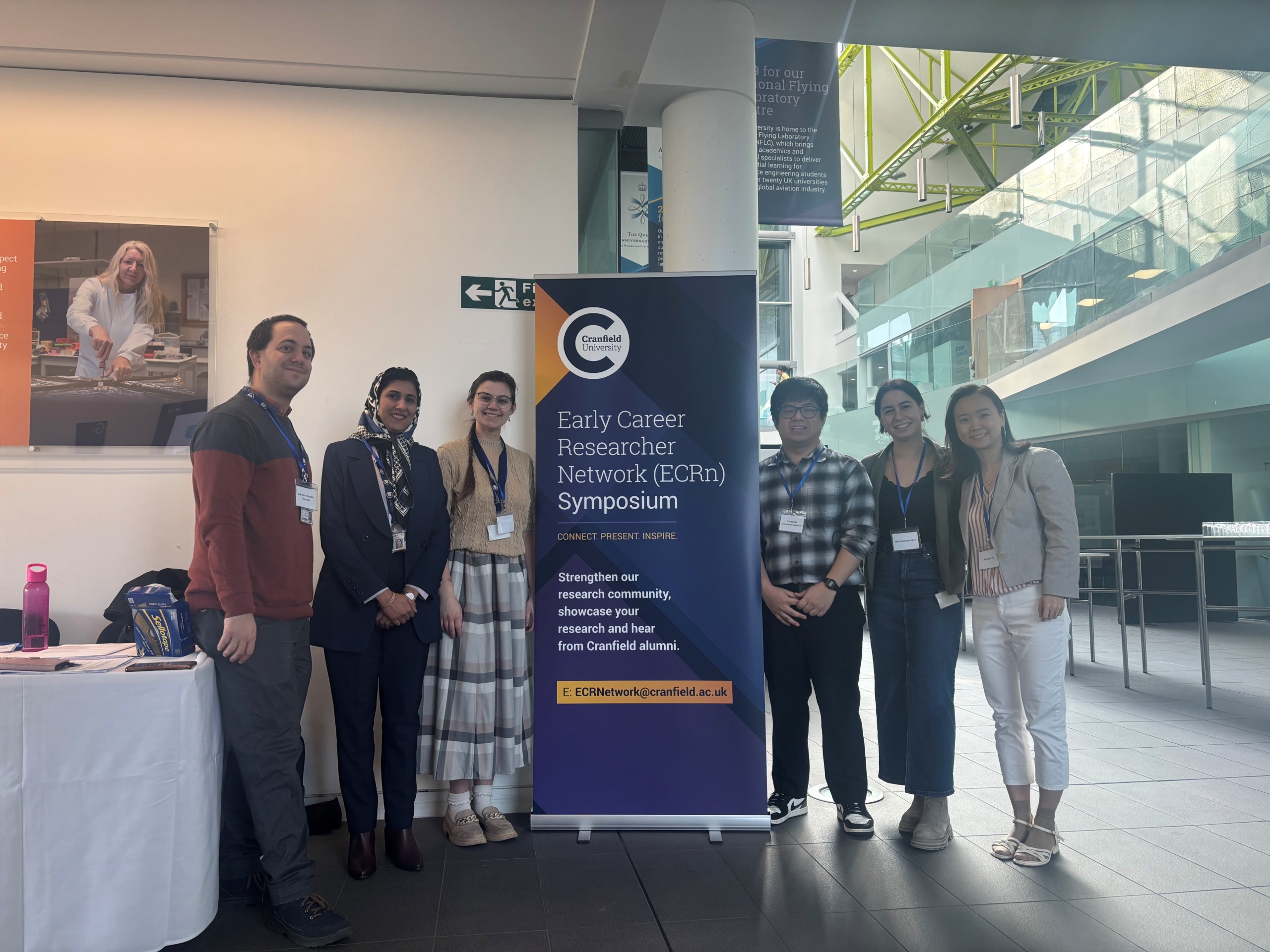
Building more than research: Reflections from the ECRn Symposium 2026
There’s something quietly powerful about a room full of early career researchers. Not just the ideas, although there were plenty of those—but the conversations, the curiosity, and the sense that everyone is figuring things ...
Library services over Easter, 3-6 April
Kings Norton Library will remain open for study 24/7. You will need your University ID card to enter the building and can use the self-service machines to borrow and return items as usual. Barrington Library ...

How do I access the full-text of Harvard Business Review (HBR)?
This is a frequently asked question, and it's worth knowing how to access this key management journal. So, how do you access HBR in full-text? The short answer is via our eJournals finder. You can find ...

Engineering problem to solve? Let Knovel help you find a solution
Did you know that Knovel provides you with more than just eBooks? Knovel is a key database for many engineering, mechanical and materials courses here at Cranfield University, and contains content from an extensive range ...
What happens when female scholars meet influential leaders?
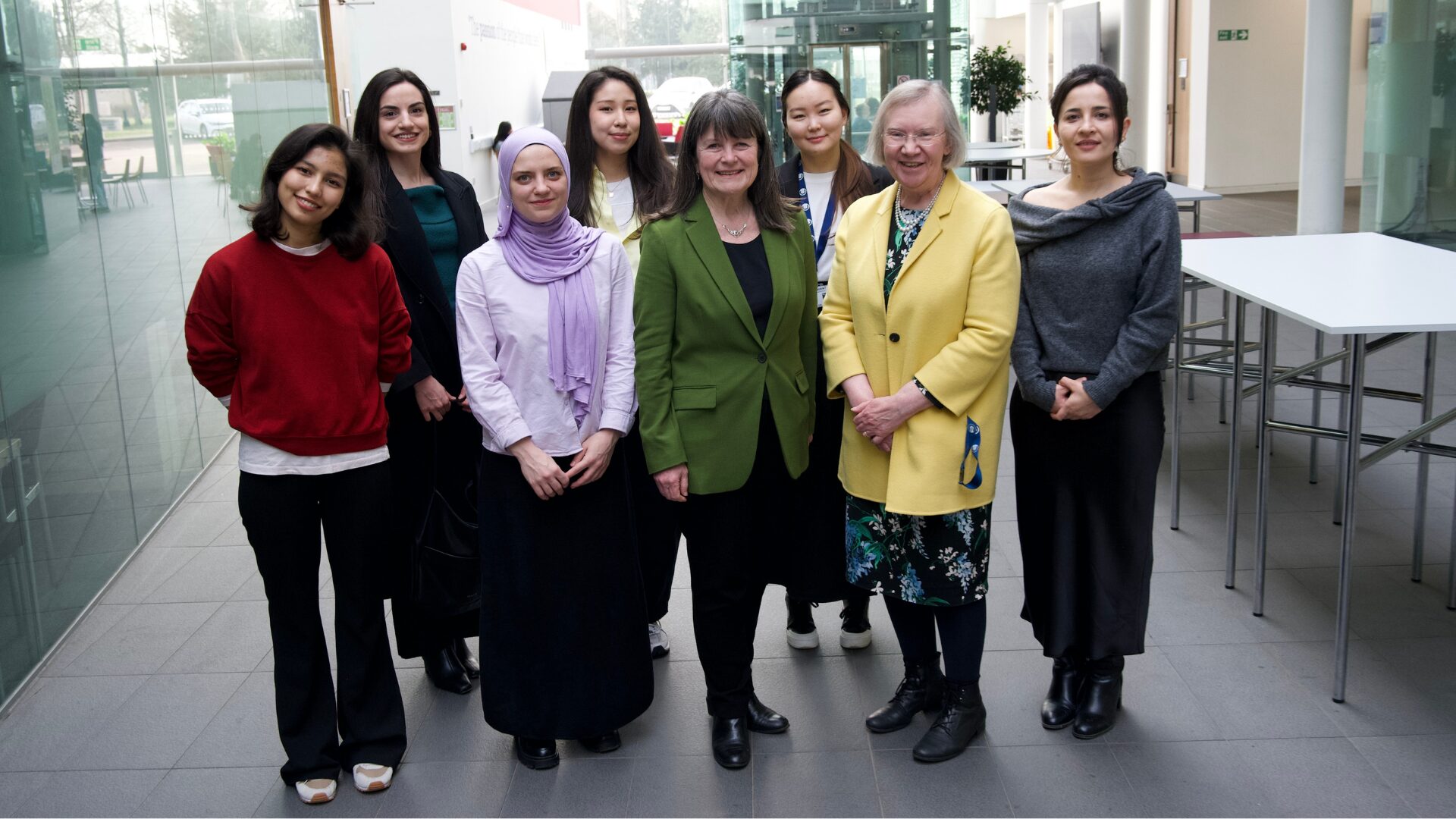
On the 5 March 2026, our British Council Women in STEM Scholars had the privilege of sitting down with two excellent role models of industry and academia: Professor Dame Karen Holford, ...
From MSc to CEO: Igniting a research revolution
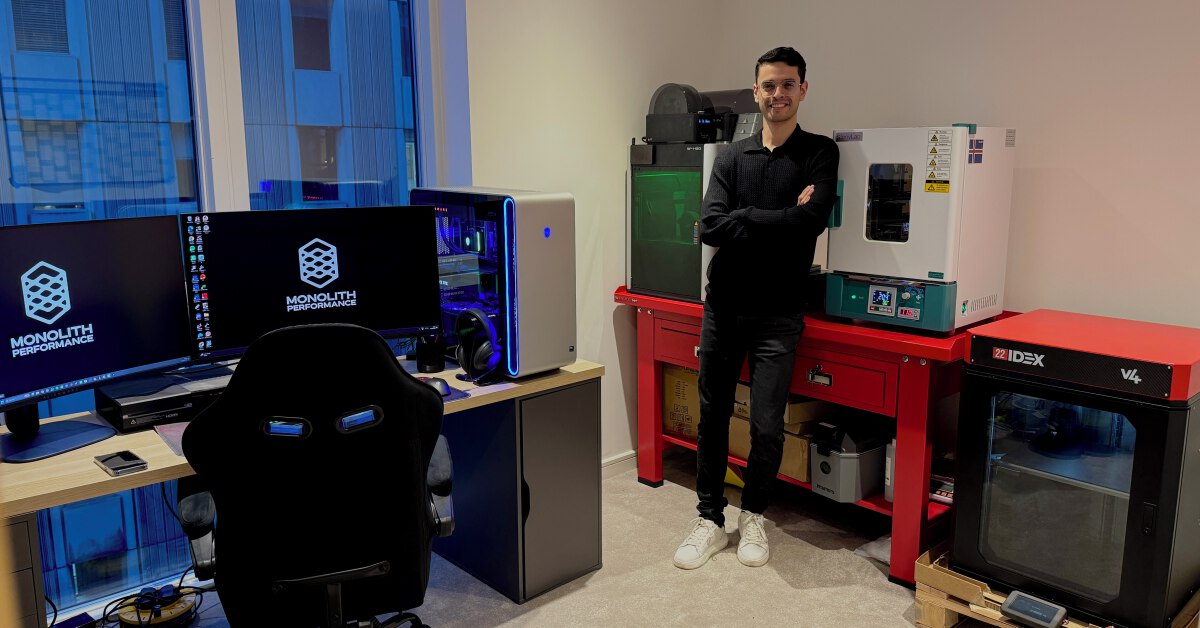
For many, a master’s degree is achieving a big milestone. Kilyan Ocampo, Computational Fluid Dynamics alumni shares how studying at Cranfield helped launch his career in the energy sector. Today, Kilyan ...
Comments are closed.