

From Malaysia to Cranfield, to Washington D.C. – Part Two
19/12/2019
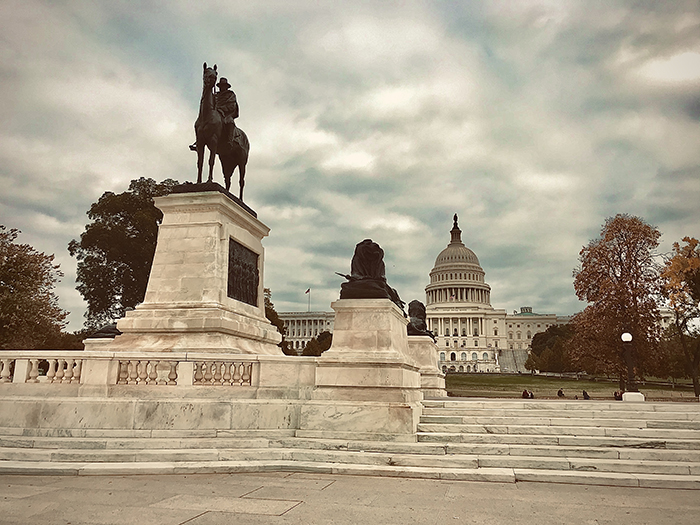
Houston we have lift-off.
This story is a continuation from part one where I shared my story as a PhD student at Cranfield University and my recent experience at the International Astronautical Congress 2019 as one of the grantees for the Emerging Space Leader programmes (shout out to the International Astronautical Federation (IAF)).
Studying as a PhD student at Cranfield is unique. Being in the middle of nowhere means there are no distractions! In my opinion, it’s perfect for a PhD researcher. You spend three years focusing on research in a nice green village without the distractions in typical big cities. If you get stressed, there are plenty of trails to help you relax. If you’re in need of a distraction then London, Oxford and Cambridge are only an hour away. My suggestion to prospective students is to get a car as it will make everything easier.
What I found unique about Cranfield is that in this tiny spot, in the middle of the country, you have a diverse group of people from every corner of the world. I always call it a mini-United Nations. It is bizarre to think that such a place exists. In this village you also have world-leading experts on aerospace, manufacturing, energy, water, agriculture, management – the list goes on! That’s what I love about Cranfield University, the tight-knit community of people that are pushing the boundaries of knowledge. It’s at this place that you can have the best discussion or debate and interdisciplinary collaboration that might be difficult in a larger university.
The support from the university is also great. I felt that I received the support I needed to grow, and it has led to being recognised as one of the grantees at on a Emerging Space Leaders (ESL) programmes from the IAF.
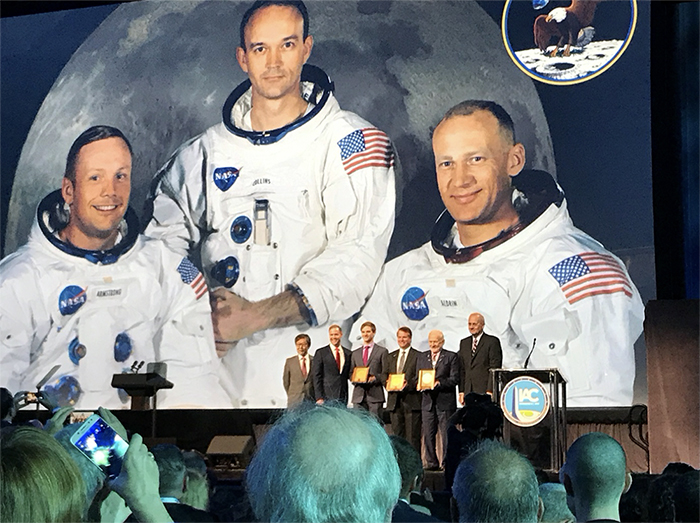
The IAF was founded in 1951 when scientists from the field of space research gathered in an attempt to ensure dialogue between the space nations, regardless of the political turmoil. It has since hosted the International Astronautical Congress (IAC). During the space race, it was one of the few places where East could meet West.
If you are in the space industry, then this is the place to be.
It is great to be part of the programme. We had the opportunity to meet with great World Leaders discussing and probing the future of the space industry. I am truly honoured and humbled to have been selected as a grantee for the ESL programme. It is great to stand side-by-side with fellow grantees that have achieved so much in their respective fields. For the rest of the blog, I will share pictures and captions. Hopefully it can give you a flavour of the IAC 2019 and ESL programme!
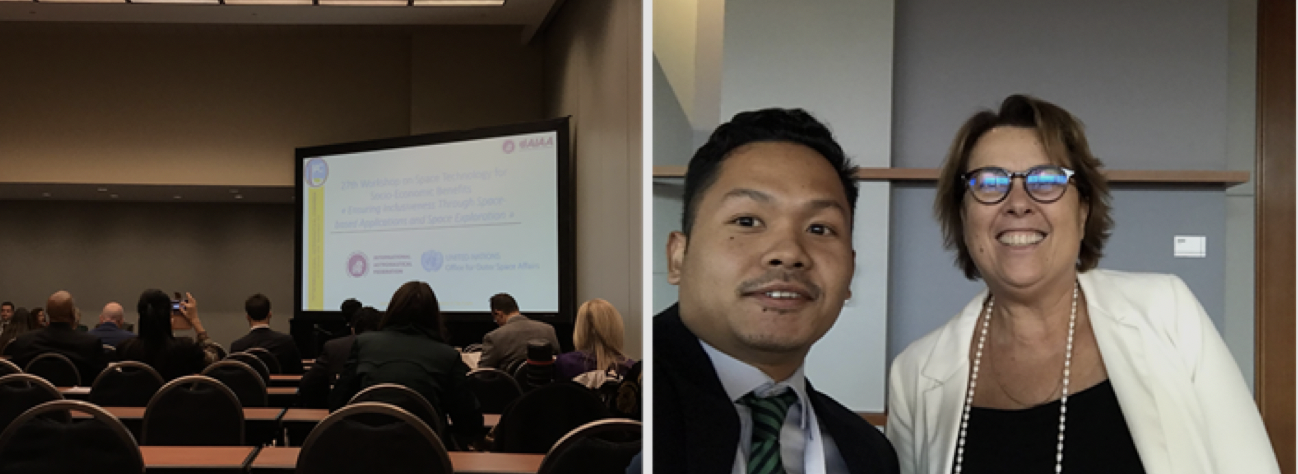
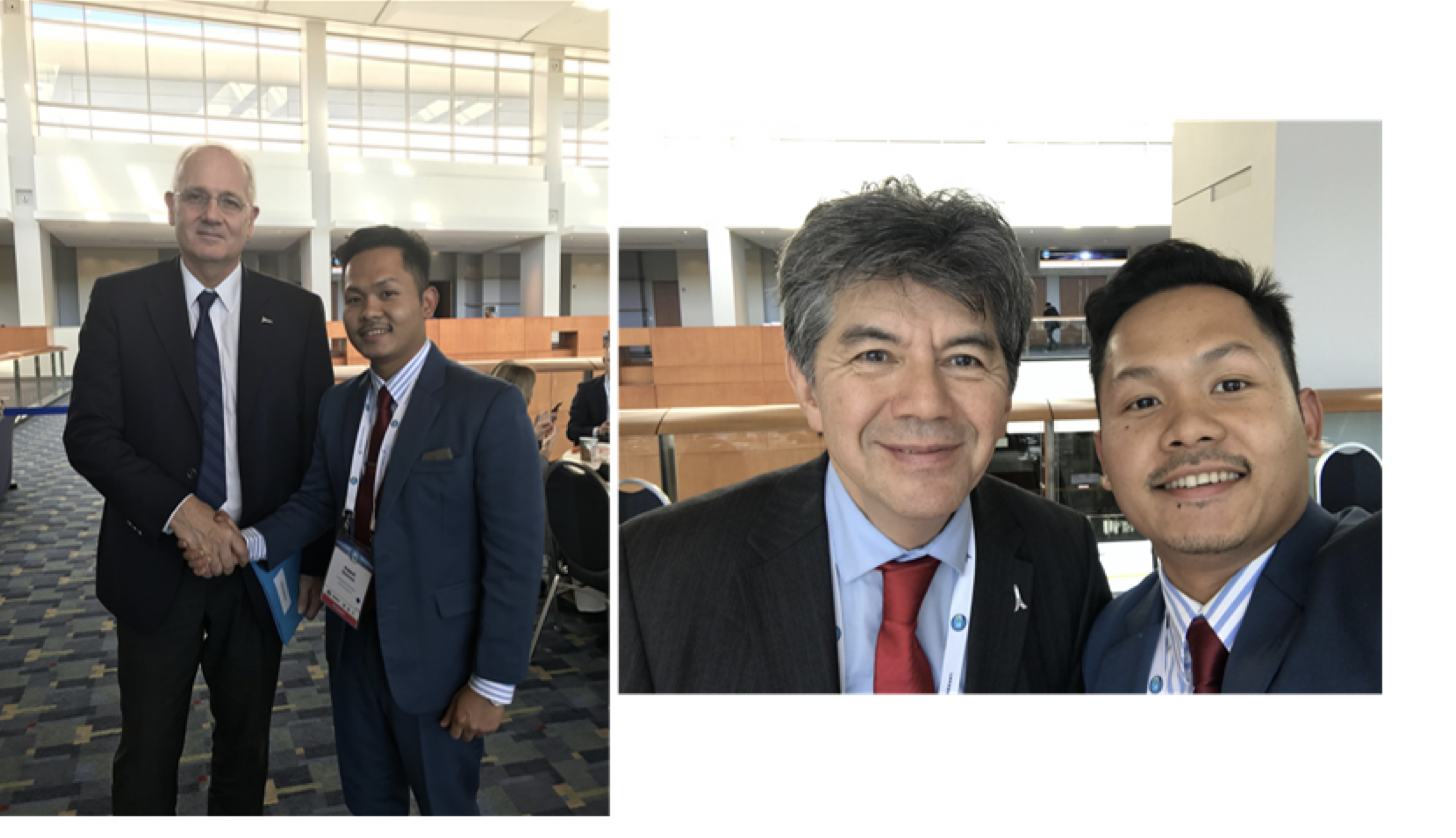
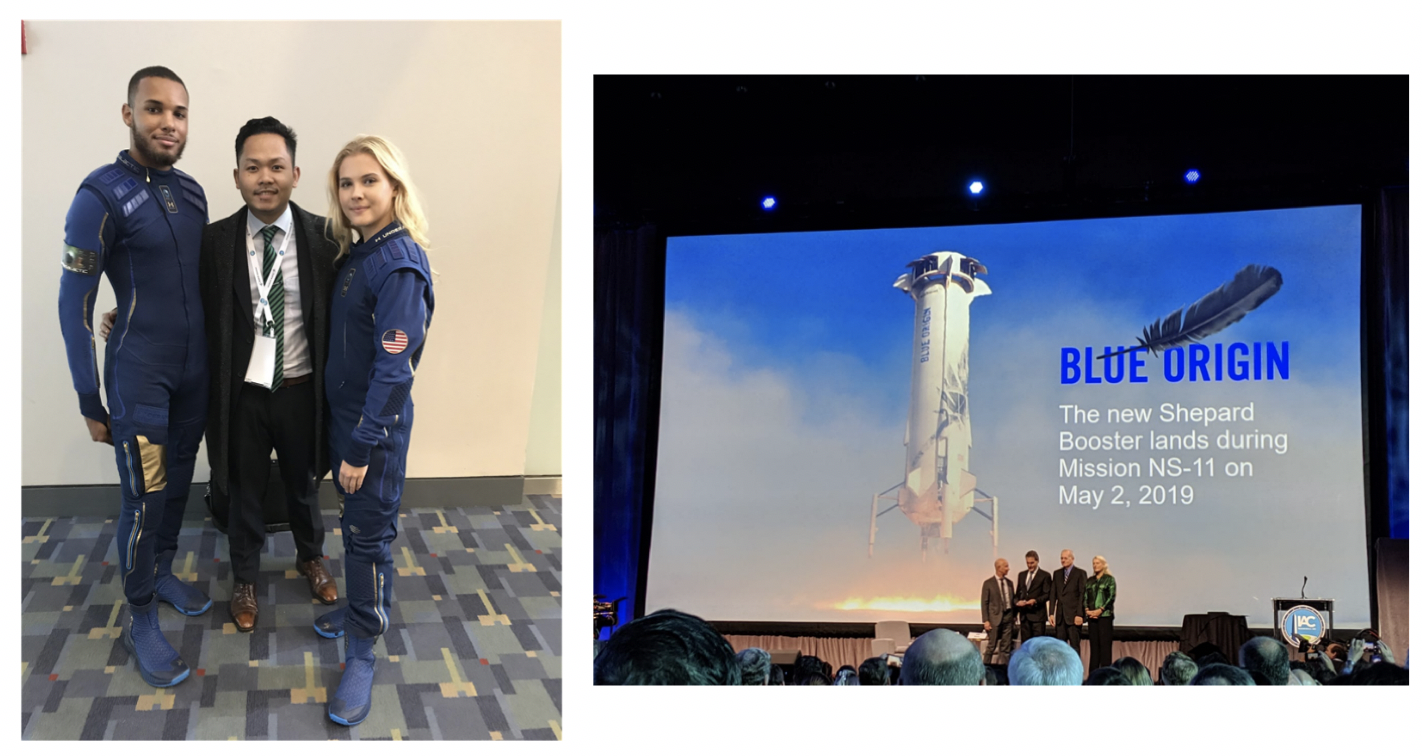

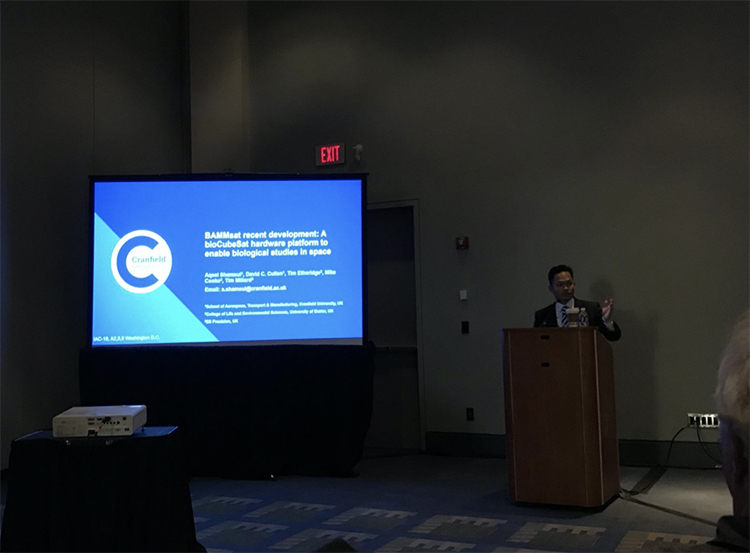
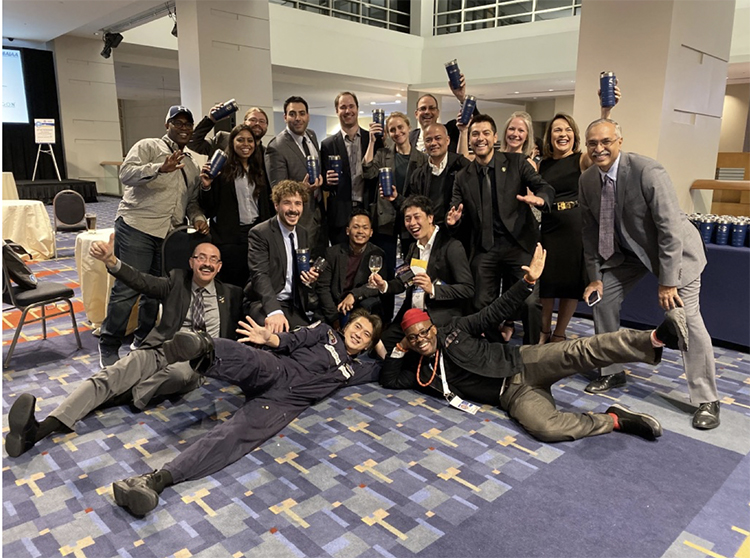
We also had fun with everyone from all corners of the world!
Thanks for reading and I hope you enjoyed the blog!
Read Part 1 here

Categories & Tags:
Leave a comment on this post:
You might also like…

5 budgeting mistakes students make (and how to avoid them)
Good financial planning isn't about how much money you have. It's about the habits you build. We asked Dr Lakshmy Subramanian, Course Director for the Banking, Economics and Finance MSc, about the budgeting mistakes ...

Finding your reading materials
Use Library Search Library Search is the first place to start when you are trying to find academic sources for your work. This is the search box on the library website homepage. It allows you ...

Formula 1 was the dream and Cranfield was the conduit
I still remember the exact moment Formula 1 (F1) got its hooks into me. I was in my first year of an aerospace undergraduate engineering degree when I watched a video about the sport ...
Introducing Barrington Library
Welcome to all our new students! Barrington Library supports all the students and staff at Cranfield Defence and Security on the Shrivenham site. We are looking forward to meeting you all soon, in person or ...

About to start your journey at Cranfield? We’re here to help!
Congratulations on accepting your offer to study at Cranfield! If you’re keen to get a head start before your course begins, our Library Services team is here to support you every step of the way. ...

Bank holiday hours for Library Services: Monday 31 August
Library Services staff will be taking a break on Monday 31 August for the bank holiday. You will still be able to access all the resources and help you need via our library website. The 24/7 ...