

#CDE22 – Hackathon Triumph for Biodiversity Sculpture
19/07/2022
We have just completed running for NERC their first ‘Constructing a Digital Environment’ (CDE) conference ‘#CDE22’, hosted at the University of Birmingham from 10-12 July 2022. A hackathon was run in parallel with the conference on the theme of “Bridging data sciences and the public with art” with the aim of turning environment data into an art form.
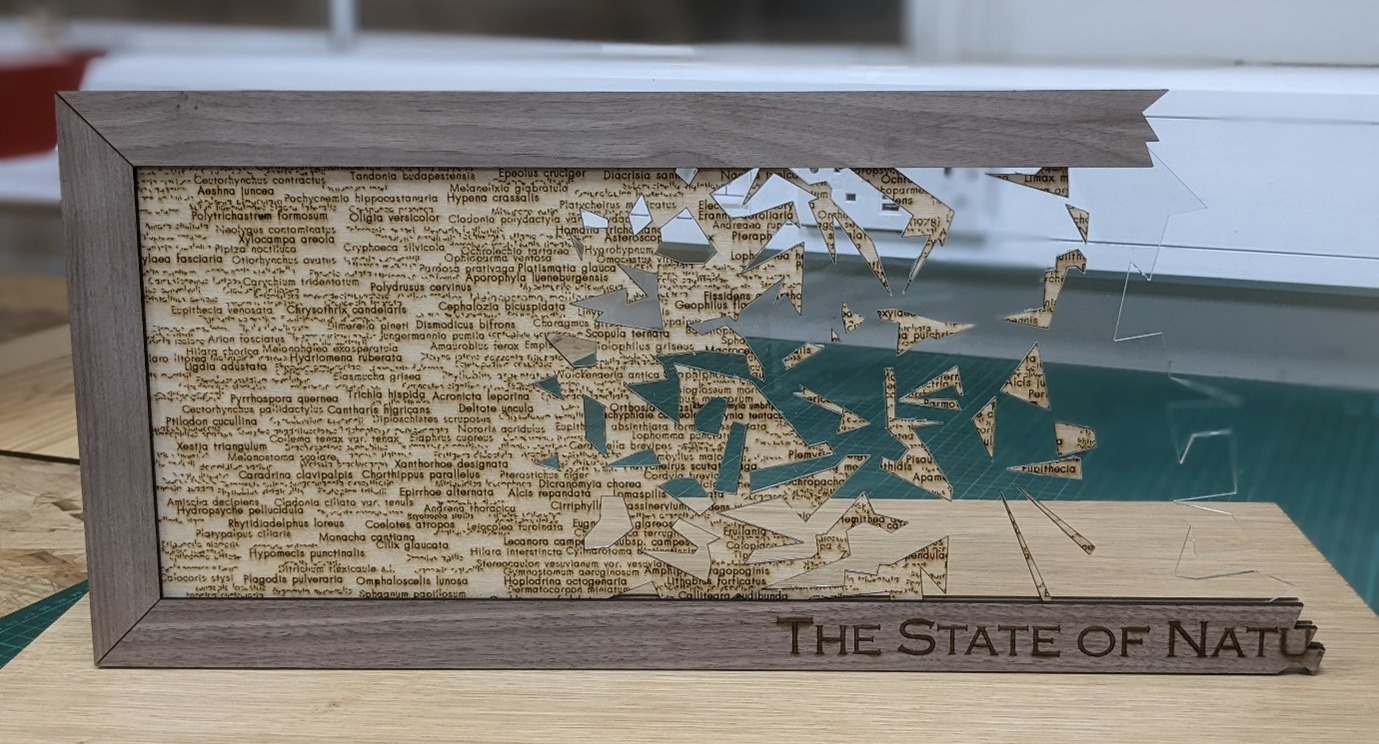
We are delighted to report that Dr Tom August has been declared winner following a unanimous judges’ decision and is awarded the top prize of £3,000. His artwork, An Incomplete Picture explores the biodiversity crisis in the UK based on the data in NERC’s EIDC, highlighting the limitations of that data that mean “that our estimates of the species’ trends is very uncertain, and for other species we have no data at all, we simply don’t know what is happening to them.” Tom manipulated the statistical data into word clouds that were engraved onto birch plywood with clarity of the words signifying uncertainty and with gaps of clear acrylic indicating missing data, all enclosed in an incomplete walnut veneer frame.
The judges, Prof. Albert Chen, Prof. Stephen Hallett, Prof. Keiichi Nakata, Prof. Iseult Lynch, Emma Bee and Carl Watson all felt that Tom had clearly demonstrated a clever idea for communicating scientific information with the public via an inspiring art piece, and fully merited the first prize.
The Hackathon, run by Prof. Albert Chen and Barry Evans of Exeter University, commenced at 3pm on Sunday 10th July and ran until the end of the conference on Tuesday 12 July. Unusually a hybrid format was attempted, with a small number of participants engaged in the room, but the majority participated remotely. The aspiration for more in-person participants was perhaps thwarted by the Sunday start, the hot weather and various travel disruptions. The 17 participants eventually resulted in 5 high quality team and individual submissions, that have been judged over the last week.
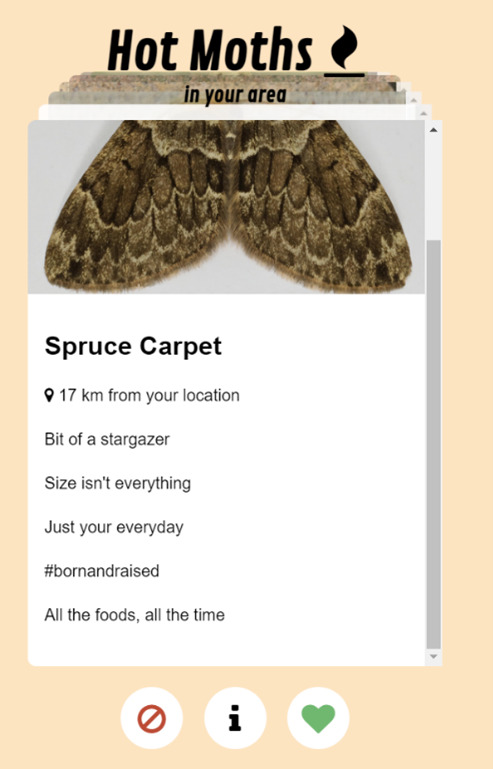
The runner up, winning a prize of £1,500, was Hot Moths! by Simon Rolph and Matt Brown, a piece of art that helps users appreciate the diversity in an underappreciated taxonomic group.
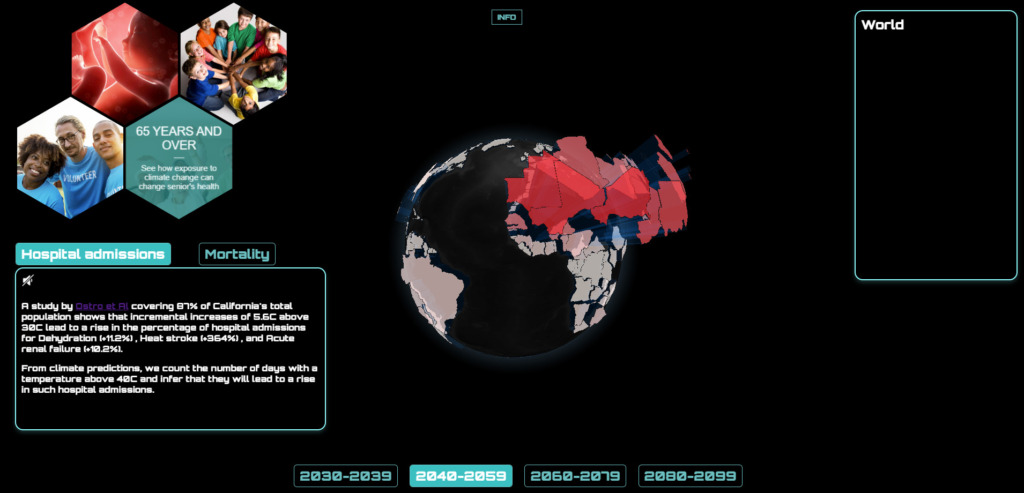
Third place, with a prize of £500, was awarded to Exposome: showing how climate change impacts global health by Mehdi Khoury, Alex Chatzistefanou and Gordon Rates. They provided a very informative visualisation website allowing users to learn the climate change impact on human health.
The remaining two entries were Microplastics by Shreya Badchariya – a poem and infographic to highlight the microplastics issue in River Thames – and EstuaRisk by Chien Nguyen, which offered an interactive web map to inform the public about flood risk.
Most entrants were able to participate in a 5-minute “show and tell” session in front of the #CDE22 conference audience in their final session on Tuesday afternoon, which was greatly enjoyed by all. Delegates were impressed by how much had been achieved in just 48 hours. We are grateful for those who took time out to do this in the last hours before the submission deadline!
Our Twitter posts of the hackathon events went out tagged #CDE22.

Categories & Tags:
Leave a comment on this post:
You might also like…

Setting your research on the right course: Four questions every researcher should ask
Whether you are just beginning your doctoral journey or are already well into your research career, successful research rarely happens by accident. Like any successful mission, it depends on good planning, informed decisions, and getting ...

5 budgeting mistakes students make (and how to avoid them)
Good financial planning isn't about how much money you have. It's about the habits you build. We asked Dr Lakshmy Subramanian, Course Director for the Banking, Economics and Finance MSc, about the budgeting mistakes ...
Finding your reading materials
Use Library Search Library Search is the first place to start when you are trying to find academic sources for your work. This is the search box on the library website homepage. It allows you ...
Formula 1 was the dream and Cranfield was the conduit
I still remember the exact moment Formula 1 (F1) got its hooks into me. I was in my first year of an aerospace undergraduate engineering degree when I watched a video about the sport ...
Introducing Barrington Library
Welcome to all our new students! Barrington Library supports all the students and staff at Cranfield Defence and Security on the Shrivenham site. We are looking forward to meeting you all soon, in person or ...

About to start your journey at Cranfield? We’re here to help!
Congratulations on accepting your offer to study at Cranfield! If you’re keen to get a head start before your course begins, our Library Services team is here to support you every step of the way. ...
Comments are closed.