

How Advanced Heat Engineering changed my life
19/04/2021
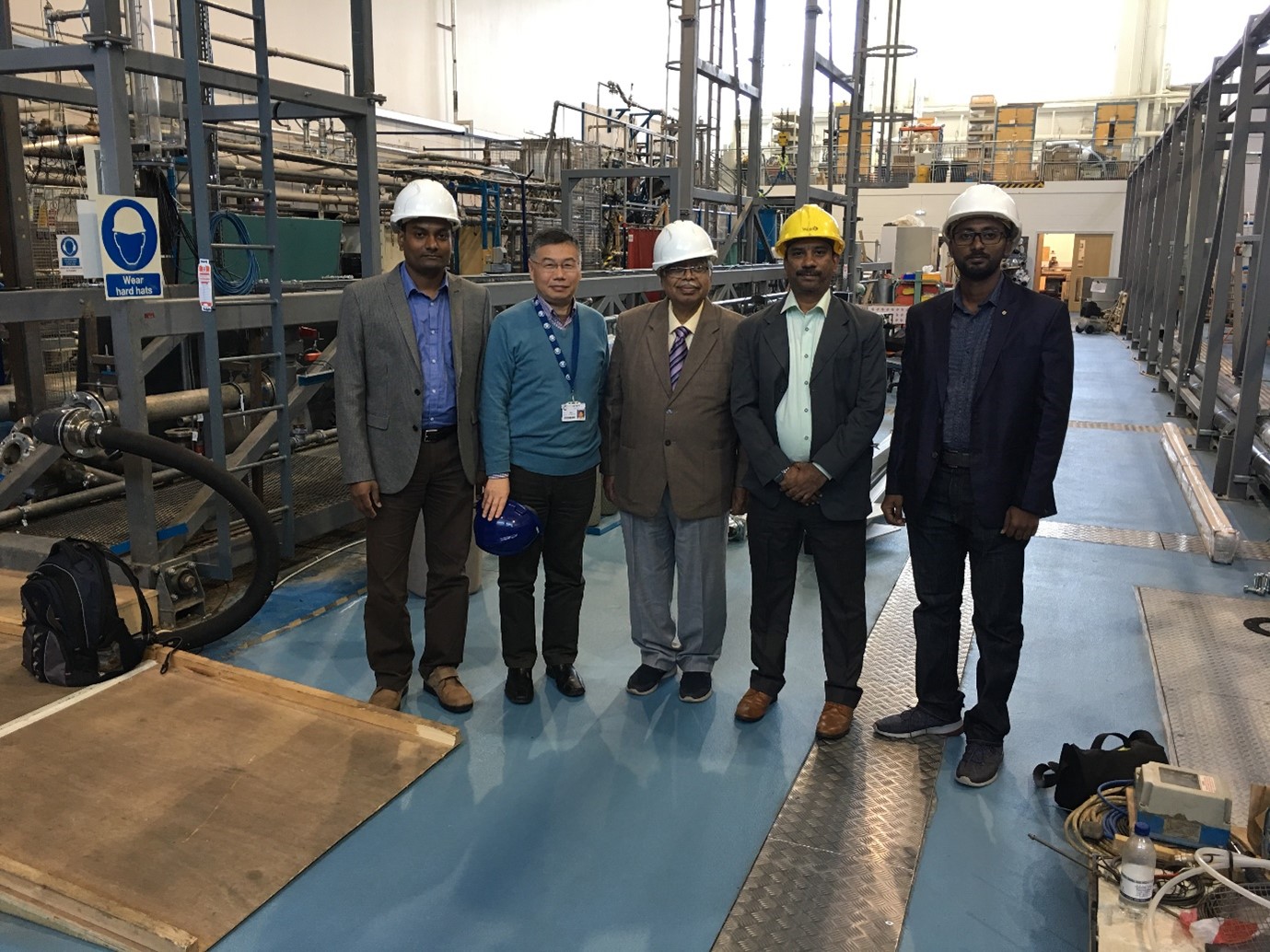
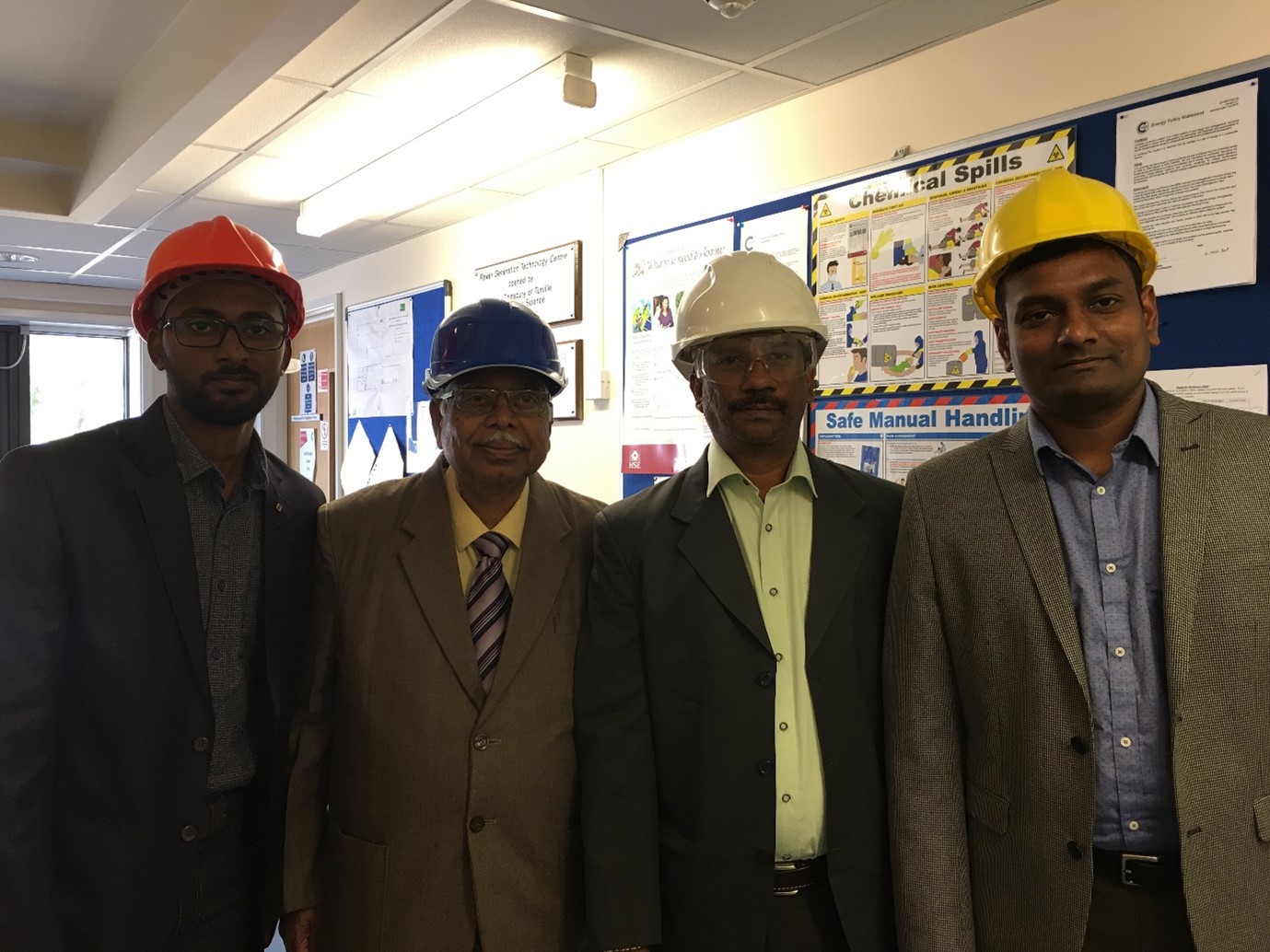
From my school days my desire has been to contribute to society through industrial growth. At around the same time the “MSc in Energy Systems thermal Processes” was designed and offered at Cranfield to educate oil and gas engineers to meet the energy demands of this particular sector. What a brilliant coincidence my desire and this course launch happen at the same time. I decided to undertake Engineering carrier, particularly Chemical Engineering to understand the most important problems which all industries face – to minimize pollution and utilise side streams generated during production. One common separation procedure which commonly uses in most of the applications is distillation. Due to this reason I decided to work on the design of a distillation column during my engineering project. At that time my professor was very demanding and do remember I spent many late evenings with my professor in the same room doing design calculations while my other class mates were out enjoying themselves. However now after two decades, I realise my professor sensed the ability in me and provided some form of carrier direction. The same professor visited me at Cranfield after 20 plus years and reminded me how he shaped my carrier. He said to me I made him very proud to have been my teacher. He also said that he was impressed by my labs, the world-class research, and kudos to my team – having 9 PhDs and 3 Postdocs. Wonderful to have this feedback from your former teacher, it made my day!
After my first degree I realised that I had been exposed to a multitude of subjects, but my knowledge was not deep in any specific area. I therefore decided to undertake a masters in India, similar to those offered at Cranfield at that time. There as well I was focused on separation science and developed a novel membrane approach for treating aqueous solutions, which appears that ultrafiltration membrane entered into nanofiltration zone after little modification. I published my first paper from this project, and felt fascinated with my work and the subject. During that period my supervisor pointed out to me “learn as much as you can – nobody can steal your brain”. Now I can see how these quotes helped me to address the global challenges/issues at Cranfield via research/teaching.
After finishing my degrees, I felt that the need to go and work for industry to see how they were tackling these global energy supply demand issues. Analytical details are closely guarded and kept secret by confidentiality agreements. However, I gained some knowledge on how to turn research into real value.
Even though I then had some industrial and academic experience, I still wasn’t specialising in any particular research area. In view of this I decided to do a PhD and came to UK to work on chemicals that behave badly in pharmaceutical industry, and developed solutions to improve yields, minimise waste generation and energy usage. I successfully finished my doctorate degree and officially put Dr. in front of my name. Cool to have this prefix, however I learned another definition for PhD – Permanent head Damage. I jest!
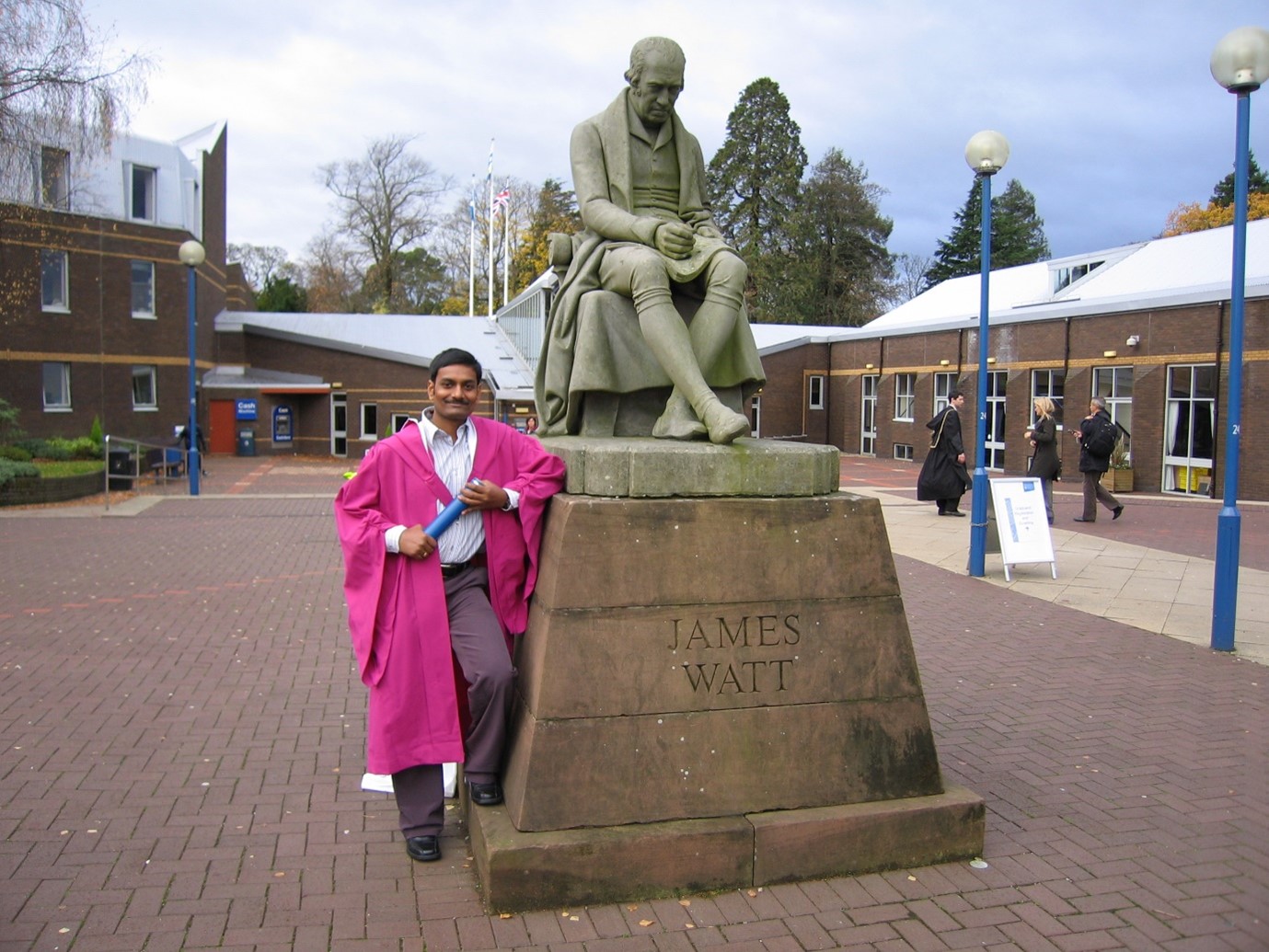
Being an Academic Doctor, my main motivation is “learning by doing”, and this is what Cranfield is known for around the world – building pilot scale facilities and allowing students to access it. This approach encouraged me to take a research/academic position at Cranfield 10+ years back and now I am running the Advanced Heat Engineering MSc – the modern equivalent of the MSc that sparked my interest all those years ago. As my carrier progresses at Cranfield, I have been instrumental in building high pressure/high temperature pilot scale facilities for different energy systems, either for improving the efficiency or helping the transition to low/zero carbon approaches. My research group works on a diverse range of activities from community scale energy requirements to grid scale innovative storage approaches to achieve NetZero targets, through creating efficient heat capture systems. Most of this research derived information has been used in preparing the teaching material under this refocused course “Advanced Heat Engineering MSc”. These changes enable development of new technologies for the modern engineers and will create new employment opportunities as the world moves towards a low carbon future.

Categories & Tags:
Leave a comment on this post:
Comments are closed.
You might also like…
Moving to the UK to study? How to plan for banking, exchange rates and transfers
Currency and banking are two of the most practical parts of financial planning for international students. They are also often the most overlooked. We asked Dr Lakshmy Subramanian, Course Director for Cranfield University's Banking, ...
Cranfield: an environment where innovation thrives
The latest Knowledge Exchange Framework rankings from UK Research and Innovation (UKRI) gives an insight into the real and meaningful impact that UK universities have. The seven categories that make up KEF6 cover everything ...
How Cranfield accelerated my career in Logistics and Supply Chain Management
After graduating from the MSc in Logistics and Supply Chain Management at Cranfield University, I've been reflecting on the experiences that made my journey so valuable and the impact it has had on my ...
Mendeley: a powerful tool to organise and manage your references
Are you looking for a way to manage your references, create in-text citations and reference lists for your assignments or thesis? If so, you may wish to consider using Mendeley. What is it? Mendeley is ...
Keen to develop your study skills?
Alongside the technical skills and academic knowledge that you will gain on your course, as a Cranfield student you have the opportunity to develop a range of other skills that can enhance your learning experience. ...
The V-conomy: powering the sixth wave of global economic growth
The world could be on the verge of a major surge in economic growth and development, driven by the convergence of AI and clean energy technology. Waiting to ride the K-wave The Russian ...
Well done Kumar, I hope that test wall can be filled by now. Great to see all those efforts in getting the lab upgraded. One of the most enjoyable moments was seeing this and the SI lab cone together.
Well done sir, by the way I shall be grateful if you can share your insight with me on how heat and carbon emissions from fossil fuel derivative powered generator can be optimized in the manufacturing industries.