


Antarctica, Cranfield and beyond
04/03/2020
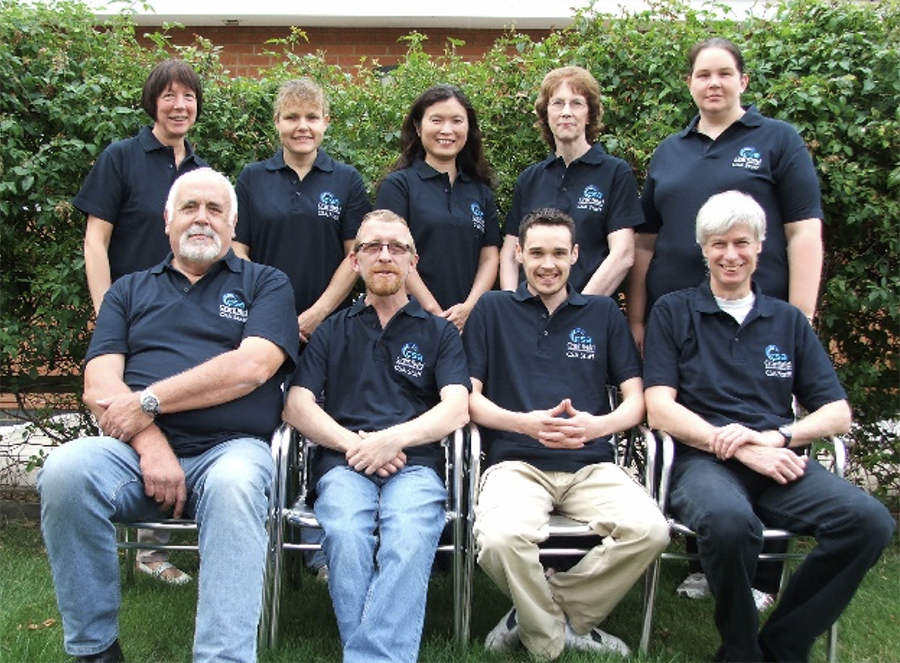
You may already know that Martin Davey, our Cranfield Student Association General Manager is retiring soon from his position. I thought that he may have a lot to say about how Cranfield has changed during the last 10 years he has been working here and I am sure we all have a lot to learn from his experience and view.
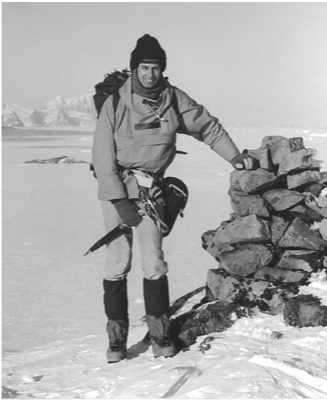
Martin, tell us about your background, what did you used to do when you were younger?
I used to work in Antarctica, I did that from 1986 until 2001.
How did that happen?
I started as a scientist, biologist, went there to work with plants, then drifted into more support services. I first went there for 18 months then got back for some time. I later returned for two and a half years; I also went to the Artic. There was a lot of travelling involved.
What did you work on?
I worked on algae and mosses, very small plants basically, streams and ponds and wet patches.
Where did you study to end up there?
I studied in Edinburgh and later I did a postdoc in Bristol and finally ended up in Cambridge Antarctic institute.
When and why did you begin working at Cranfield?
It was in middle October of 2010. I had done the same job at the University of Luton, later named University of Bedfordshire, for 10 years. I came for a job in Cranfield in education services, I didn’t get it, but I was suggested this job, I applied and got it. It would have been more routine to do the other job; I wouldn’t have been that good at it.
How have you changed through your years at Cranfield?
Not that much, I learnt a few new things along the way, but I had already done this job. The thing is that Cranfield is different from Luton in terms of demographics, students here are postgraduate, so they are older, presidents are older, and there are different backgrounds. In Luton they had different expectations, they were younger, and they were more focused on social issues, here you are more focused on wider issues like bus service or accommodation.
What is the best thing about Cranfield?
It’s the people you work with.
How have the students in Cranfield changed through the years?
We used to have more British students, lots of European but over years Cranfield has got more intercontinental, Nigerians, Indians, Chinese. Demography changes, visa regulations changes, now we have more families on campus for example, we didn’t use to have that. The students also have more work to do in their masters than they did 10 years ago.
How was the past of Cranfield?
It was not this pleasant, bus system has improved a lot, it is a great service compared to what it was, shops are much better, lecturing facilities have improved a lot. The vice-chancellor emphasis on that, massive buildings going on for research purposes, that is all positive.
Has the weather always been like this?
There was no snow this year. Climate change maybe, during the summer we get a pleasant campus, with a lot of open space, far better than Luton. It will rain but it will be warm.
Do you have any message for the students?
Enjoy yourselves, if you are enjoying life, get the most out of it, you will enjoy your work, don’t count the days, make the most of every opportunity. Stay in touch with people, make contacts, make the most friends.
Do you have any plans for retirement?
Travel a bit in the UK and abroad, work on the house and garden, participate in the social life in the village, I want to get involved. When you change jobs, it’s the right time to move on. I don’t feel old, there is nothing I can’t do, so it’s good to retire, when you can still do everything. I have a family of long living people, so I hope to have a long and enjoyable retirement.

Categories & Tags:
Leave a comment on this post:
You might also like…

Moving to the UK to study? How to plan for banking, exchange rates and transfers
Currency and banking are two of the most practical parts of financial planning for international students. They are also often the most overlooked. We asked Dr Lakshmy Subramanian, Course Director for Cranfield University's Banking, ...
Cranfield: an environment where innovation thrives
The latest Knowledge Exchange Framework rankings from UK Research and Innovation (UKRI) gives an insight into the real and meaningful impact that UK universities have. The seven categories that make up KEF6 cover everything ...
How Cranfield accelerated my career in Logistics and Supply Chain Management
After graduating from the MSc in Logistics and Supply Chain Management at Cranfield University, I've been reflecting on the experiences that made my journey so valuable and the impact it has had on my ...

Mendeley: a powerful tool to organise and manage your references
Are you looking for a way to manage your references, create in-text citations and reference lists for your assignments or thesis? If so, you may wish to consider using Mendeley. What is it? Mendeley is ...

Keen to develop your study skills?
Alongside the technical skills and academic knowledge that you will gain on your course, as a Cranfield student you have the opportunity to develop a range of other skills that can enhance your learning experience. ...

The V-conomy: powering the sixth wave of global economic growth
The world could be on the verge of a major surge in economic growth and development, driven by the convergence of AI and clean energy technology. Waiting to ride the K-wave The Russian ...