


Finding my flow: A scholar’s journey in water science at Cranfield
05/11/2025
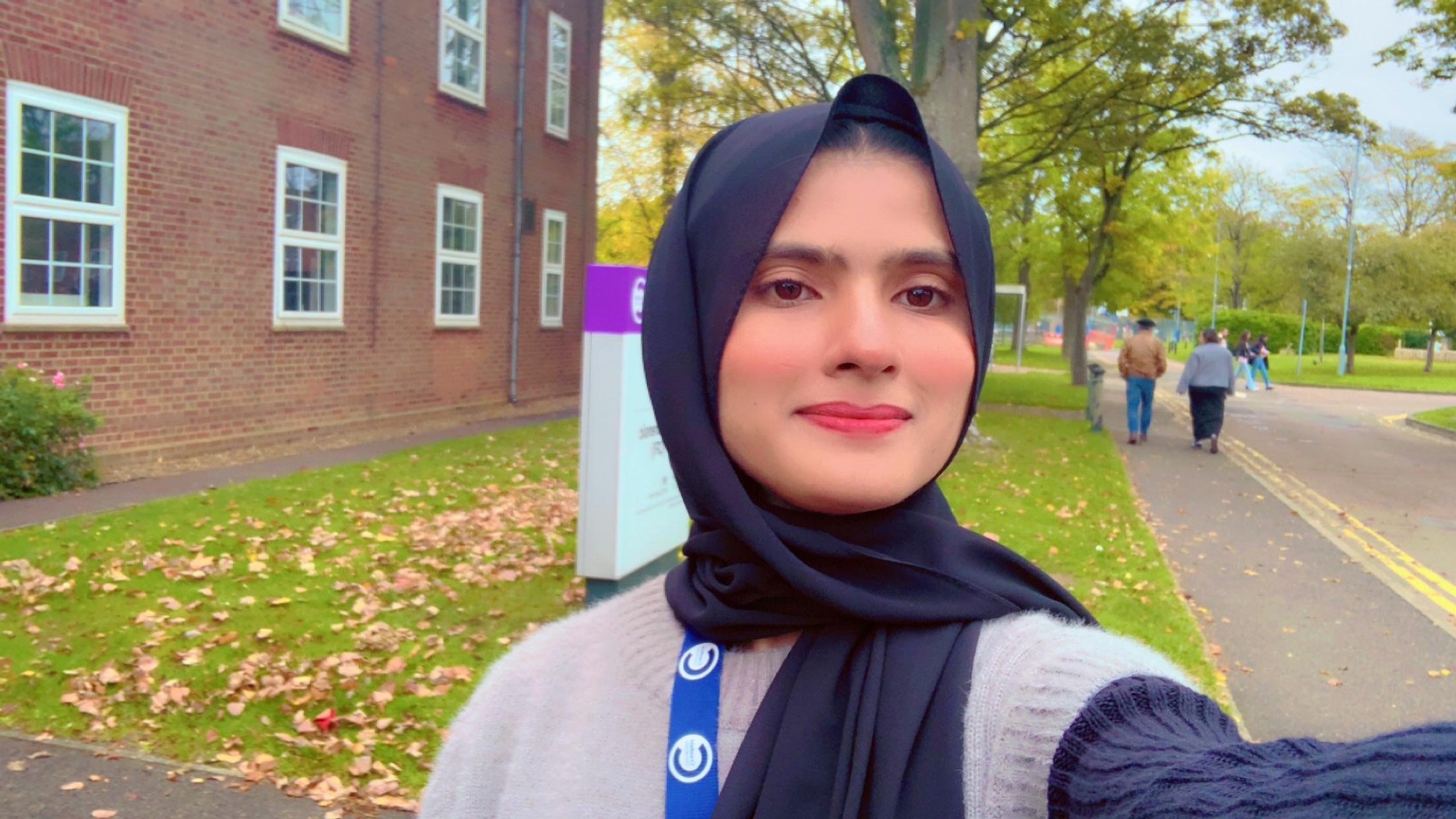
A few years ago, the idea of studying for my master’s at Cranfield University felt impossible. Yet here I am, and looking back at where my journey began, it feels both humbling and empowering.
My name is Samra Qasim, and I’m studying Water and Wastewater Processes MSc at Cranfield. My journey is a story of faith, hard work, and the belief that nothing is impossible when you truly decide to go after it.
I come from Pakistan, a modest background where opportunities don’t always come easily. But I’ve learnt an important lesson: when you dare take the first step, even without all the resources, the path somehow starts to open up for you. I began my academic journey in Zoology, fascinated by how living organisms survive, adapt, and interact with their environment. Over time, I realised that understanding these systems wasn’t enough; I wanted to address real-world environmental challenges, particularly water quality, pollution, and sustainability.
The defining moment came when I thought, “It’s not enough to just understand problems. I want to be part of the solution.” That thought changed everything and led me to Cranfield’s MSc in Water and Wastewater Processes.
Cranfield stood out for its unique balance of science, engineering, and practical application. It’s not just an academic institution, it’s a hub for innovation, research, and problem-solving.
The Water MSc offered exactly what I was searching for: small class size, a highly collaborative environment, and a curriculum that encourages curiosity, critical thinking, and practical problem-solving. What really convinced me was Cranfield’s strong focus on real-world challenges and its close connections with industry.
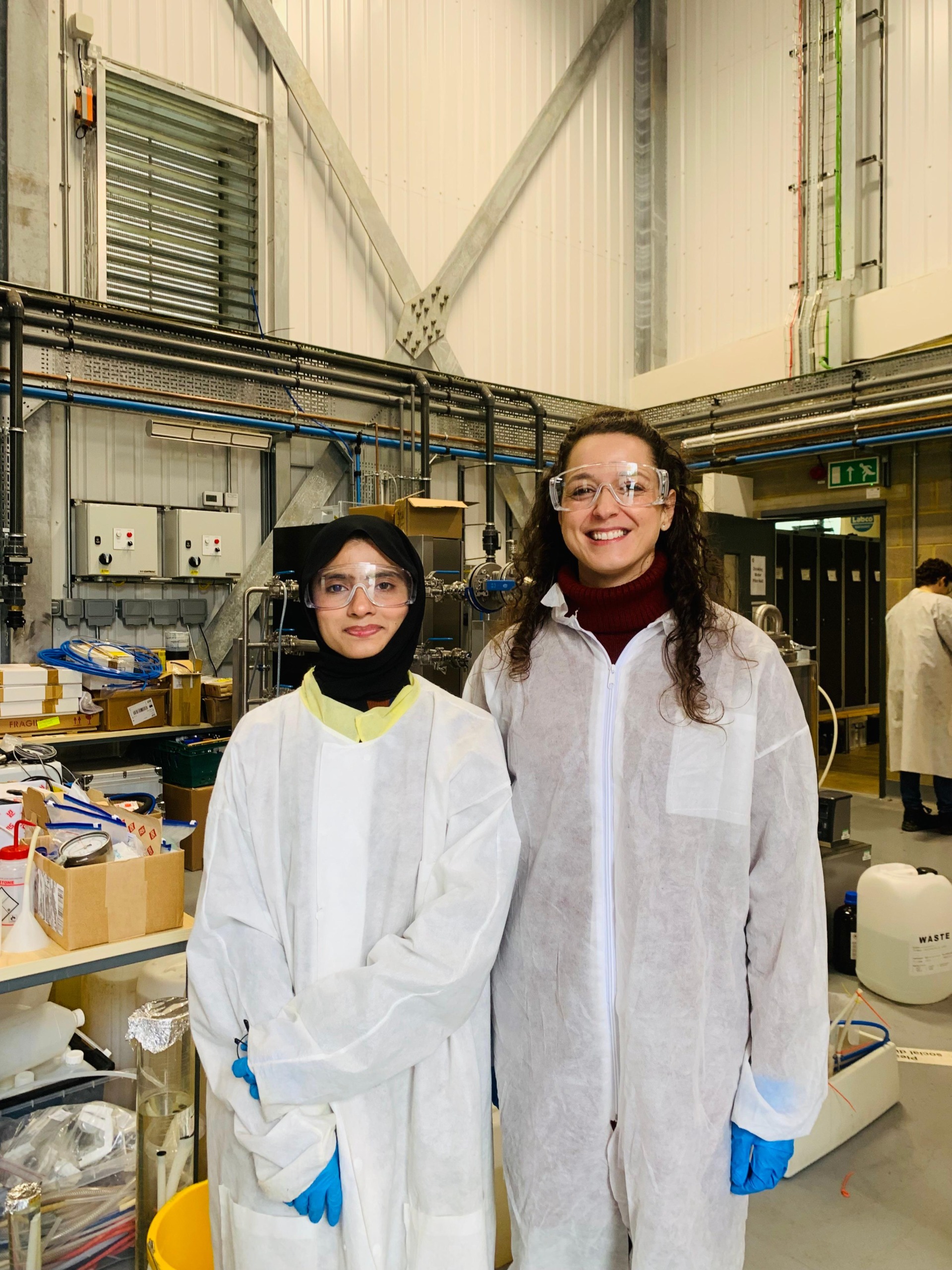
Here, learning goes beyond textbooks. Students are encouraged to experiment, analyse, and apply their knowledge, turning theoretical insights into real solutions. For someone like me, who wants to contribute meaningfully to sustainable water management, Cranfield perfectly aligns with my professional goals and personal values.
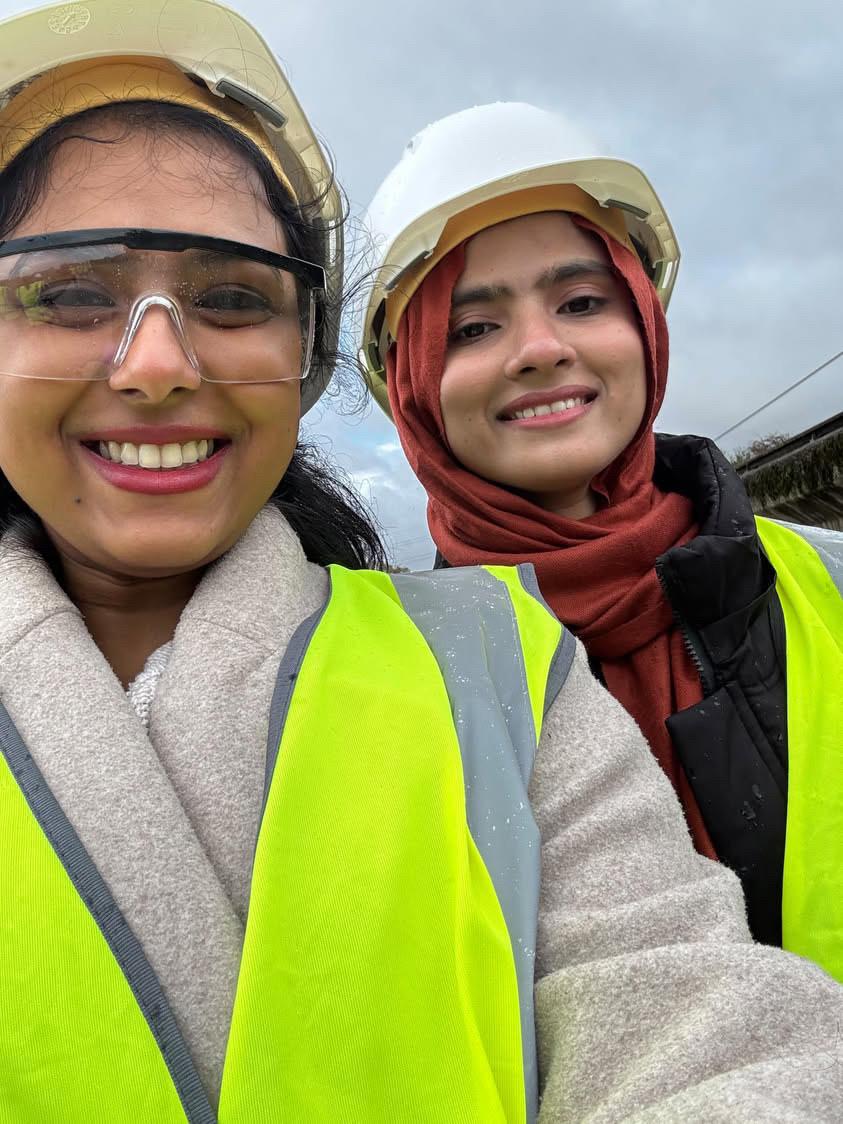
My first term has been quite an engaging experience so far. We recently completed our first module, and one of the highlights was our first field trip of the year. We had the opportunity to visit Anglian Water Services facilities including the Pitsford Water Treatment Works and the Broadholme Anglian Water Recycling Centre. It was a great chance to see water and wastewater treatment processes in action and to learn directly from industry experts like Steven Smith, Michael Bazylewycz, Sam Cotter, and Neasa Revens.
The transition from Pakistan to the UK
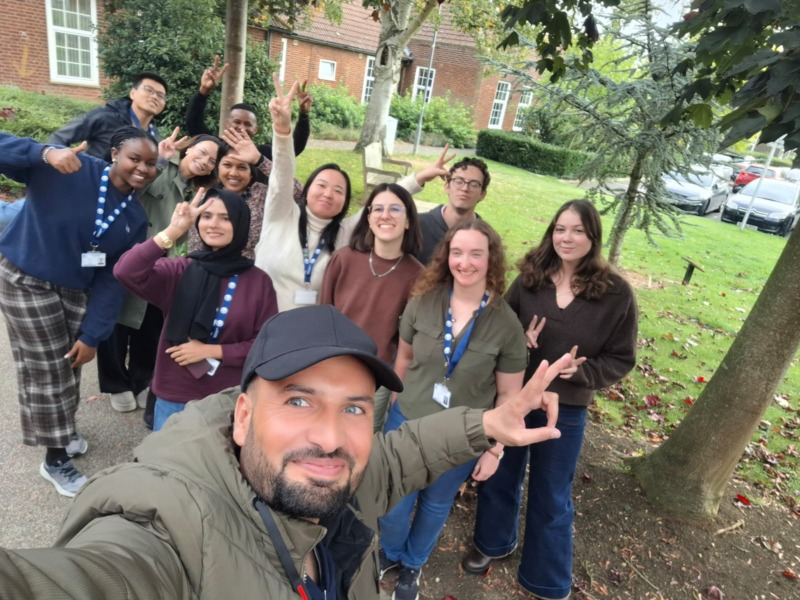
The transition from Pakistan to the UK was both exciting and challenging. Adapting to a new culture, a different academic system, and life away from home required determination and resilience. What helped me adapt was the supportive and close-knit community at Cranfield. The faculty are approachable and genuinely invested in our growth, providing guidance and encouragement throughout. My peers, coming from diverse backgrounds, became collaborators and friends, sharing ideas, insights, and learning together.
Participating in group projects, joining discussions, and engaging with university services made settling in easier. Cranfield’s environment fosters inclusion, curiosity, and collaboration, which has allowed me to not only adapt but also thrive academically and personally.
What did it mean to you to receive the Brian Meredith Net Zero Scholarship?
Receiving the Brian Meredith Net Zero Scholarship has been both an honour and a source of inspiration. It has not only provided financial support but also reinforced the belief that nothing is impossible when you have courage and determination. My journey to Cranfield is proof that even without abundant resources, taking that first bold step can open doors you never imagined.
As I often remind myself: “Dreams don’t wait for perfect conditions; they grow through courage, belief, and persistence. Once you take the first step, the world opens its doors for you.”
The scholarship has amplified this lesson, allowing me to focus fully on my studies, explore opportunities, and realise that hard work and perseverance can truly make the impossible possible.
What are your aspirations post-MSc?
My long-term goal is to contribute to sustainable water management, particularly in regions where access to clean water remains a daily challenge. I chose to study the Environmental Science route, with a focus on electives in Nature-based Solutions Design. My goal is to specialise in creating eco-friendly water treatment systems that use both natural processes and modern engineering to help communities in need find affordable and long-lasting solutions.
The MSc at Cranfield has increased my analytical, practical, and problem-solving skills, enabling me to face environmental difficulties with confidence and creativity. Beyond my career, this experience has also reinforced my belief that determination, courage, and persistence can overcome limitations, a mindset I will carry forward in every step I take.


Categories & Tags:
Leave a comment on this post:
You might also like…

Mendeley: a powerful tool to organise and manage your references
Are you looking for a way to manage your references, create in-text citations and reference lists for your assignments or thesis? If so, you may wish to consider using Mendeley. What is it? Mendeley is ...

Keen to develop your study skills?
Alongside the technical skills and academic knowledge that you will gain on your course, as a Cranfield student you have the opportunity to develop a range of other skills that can enhance your learning experience. ...
The V-conomy: powering the sixth wave of global economic growth
The world could be on the verge of a major surge in economic growth and development, driven by the convergence of AI and clean energy technology. Waiting to ride the K-wave The Russian ...

Need help using the Python programming language?
We know some of our students are currently trying to learn Python, so we wanted to make you aware of some great LinkedIn Learning videos that can help. But don't you have to pay for ...
What does it really take to become a Chevening Scholar?
Say “Turkmenistan” to most people and you’ll get a blank look. That was true when I left Ashgabat for the UK to study an MSc in Logistics and Supply Chain Management at Cranfield University ...

Get a head start on referencing and plagiarism
We offer a module on Referencing And Avoiding Plagiarism which you can find on your Canvas dashboard. It explains the role and importance of citing references and how to incorporate the work of other authors ...