


My experience of doing my Astronautics and Space Engineering MSc thesis at a Spanish space company
27/09/2021

During this blog post I will provide you with a good idea on the outcomes, expectations, and deliverables of the Individual Research Project (IRP). I will briefly cover how to deal with project management necessary to complete such a significant piece of work, as well as doing an internship abroad for the first time, along with the logistics and considerations that are associated with it.
The aim of the IRP is to provide the student with the experience of undertaking independent research, and effectively communicating the work done in a substantial technical report. The IRP is the largest single component of the MSc course, being performed over a period of around 5 months and accounting for around 900 hours of effort.
When deciding a topic for your thesis, it is important to pursue a subject area that really interests you to maintain the motivation to dedicate a considerable amount of time to it over the duration of the IRP. I was interested in finding an industrial sponsor or a ‘working student’ position, so decided to reach out to various companies within that specific field. As my request was so niche, I sent out personal enquiry letters or messages asking companies if they would be interested. Luckily enough, Pangea Aerospace came back to me and said that my research aligned well with their company aims and objectives, which gave me the opportunity to move to Barcelona and conduct my work in their office.
Doing an internship at a company is beneficial for multiple reasons, and if you are lucky enough to secure one, I would thoroughly recommend it. It offers a much more disciplined working structure, ensuring you commit the required amount of time to it whilst having sufficient breaks as well. It also offers a magnitude of support amongst co-workers who can help support in areas you may not be so familiar with. Finally, an IRP can be quite an isolated and busy time, whereas in an office you have the opportunity to make new friends, professional connections, and valuable memories.
I did my IRP on ‘The Development of a Minimum-Thrust Additively Manufactured Aerospike Thruster for a Small Satellite Propulsion System Powered by HTP and TMPDA’. This involved producing a MATLAB script that generated the design of the aerospike nozzle contour and resulting profile, which could then be input into CAD software to model the thruster from a derived coordinate text file. It also incorporated a broad investigation into Additive Manufacturing (AM) techniques, including design tolerances for micro-orifices, optimal printing parameters, post processing considerations and compatible materials compiled into extensive trade-off analysis.
Doing an internship abroad can be quite difficult to organise, but definitely worthwhile. There is a lot of paperwork considerations in terms of Visa complications, insurance documents and Cranfield approval (both from academic supervisor and MSc course director). Once approved, there is also the added complexity of relocation (accommodation, transportation, language barrier etc.), and also potential funding difficulties. I was fortunate to be sponsored through the Erasmus+ scheme. However, UK nationals are no longer eligible for this anymore since Brexit, but an alternative is the Turing scheme. MSc internships are eligible for the Traineeship funding grant.

I had the most incredible time during my project, and acquired so many new skills, as well as developing my knowledge and expertise in the specialist are of aerospikes and in-space propulsion. I would like to personally thank Federico Rossi, Head of Propulsion, and Thim Franken, In-Space Propulsion Engineer, and all the team at Pangea Aerospace for allowing me this opportunity and making my time so rewarding, I will never forget it!

Categories & Tags:
Leave a comment on this post:
You might also like…

The V-conomy: powering the sixth wave of global economic growth
The world could be on the verge of a major surge in economic growth and development, driven by the convergence of AI and clean energy technology. Waiting to ride the K-wave The Russian ...

Get a head start on referencing and plagiarism
We offer a module on Referencing And Avoiding Plagiarism which you can find on your Canvas dashboard. It explains the role and importance of citing references and how to incorporate the work of other authors ...
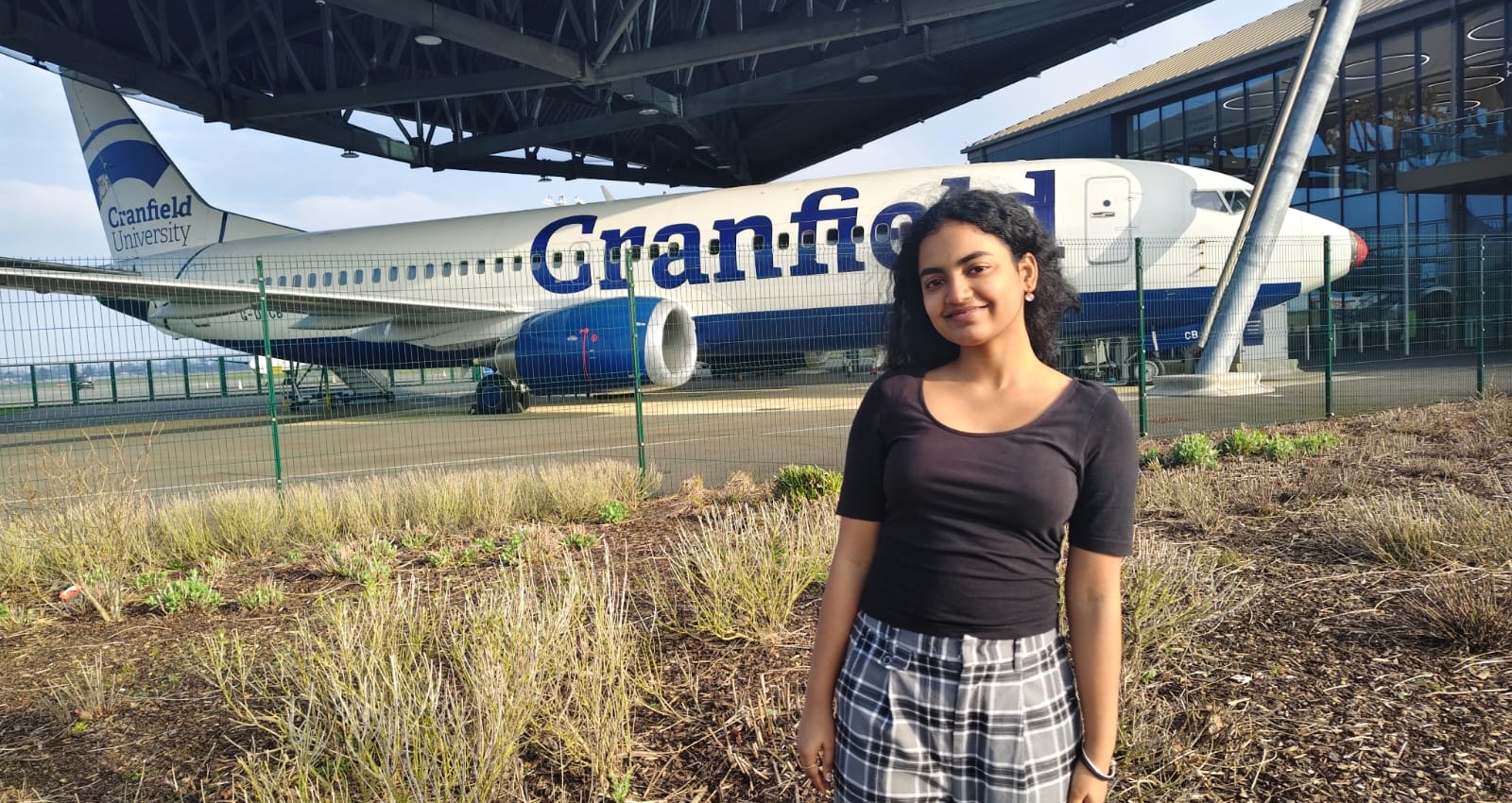
How Cranfield shaped my journey as an Aerospace Engineer
If I'm being specific about the moment it clicked, it was reading a paper called "On the Role and Challenges of Computational Fluid Dynamics (CFD) in the Aerospace Industry" by two Boeing engineers, P. ...
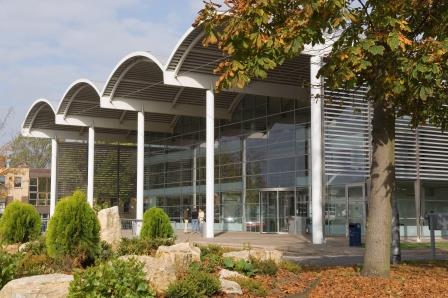
Introducing Kings Norton Library
Welcome to all our new students! We are looking forward to meeting you soon. You will find Kings Norton Library in the centre of the Cranfield campus, and it is open 24/7 to all staff ...

Setting your research on the right course: Four questions every researcher should ask
Whether you are just beginning your doctoral journey or are already well into your research career, successful research rarely happens by accident. Like any successful mission, it depends on good planning, informed decisions, and getting ...

5 budgeting mistakes students make (and how to avoid them)
Good financial planning isn't about how much money you have. It's about the habits you build. We asked Dr Lakshmy Subramanian, Course Director for the Banking, Economics and Finance MSc, about the budgeting mistakes ...