


Connected and Autonomous Vehicle Engineering (Automotive) MSc alumnus Prajwal Gote on the unique appeal of his course and his subsequent career journey
01/08/2023
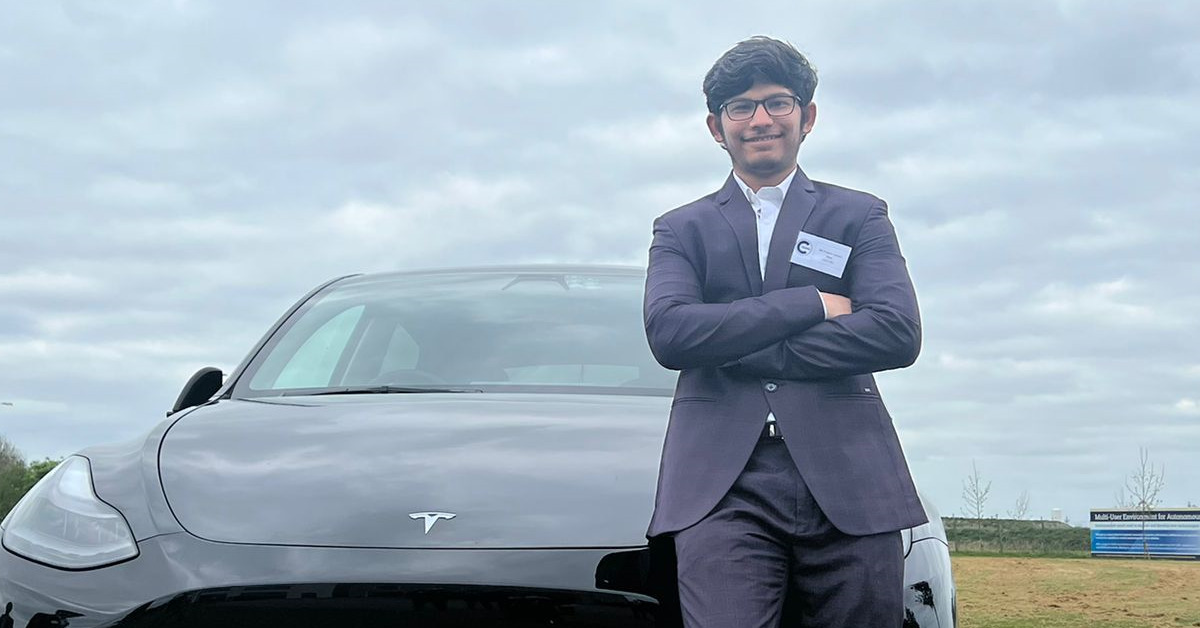
Prajwal Gote completed the Connected and Autonomous Vehicle Engineering (Automotive) MSc in 2022. Here, he talks about why he chose his programme, what he most enjoyed about studying at Cranfield, and his job at Jaguar Land Rover.

What sparked your interest in the automotive industry?
During my bachelor’s in mechanical engineering, I was a part of the BAJA SAE team for three years where we designed and manufactured an ATV, and participated at national as well as international level. I used to spend most of my time in the workshop where I got the opportunity of working on a complete vehicle design cycle. Furthermore, during the Covid-19 pandemic, we participated in an online competition using the IPG CarMaker, which strengthened my motivation of being an automotive engineer.
Why did you choose Cranfield and the CAVE MSc programme?
The CAVE MSc is a very unique course offered by Cranfield and covers almost all aspects of an autonomous vehicle. Cranfield has a MUEAVI facility, which is one of its kind covering vehicle-to-infrastructure (V2I) communication. Also, I like the screening process as it includes an interview where one gets evaluated against the course curriculum. I had applied to only Cranfield University and I can confidently say that it was the best choice I made.
How did you find the course? What were the highlights?
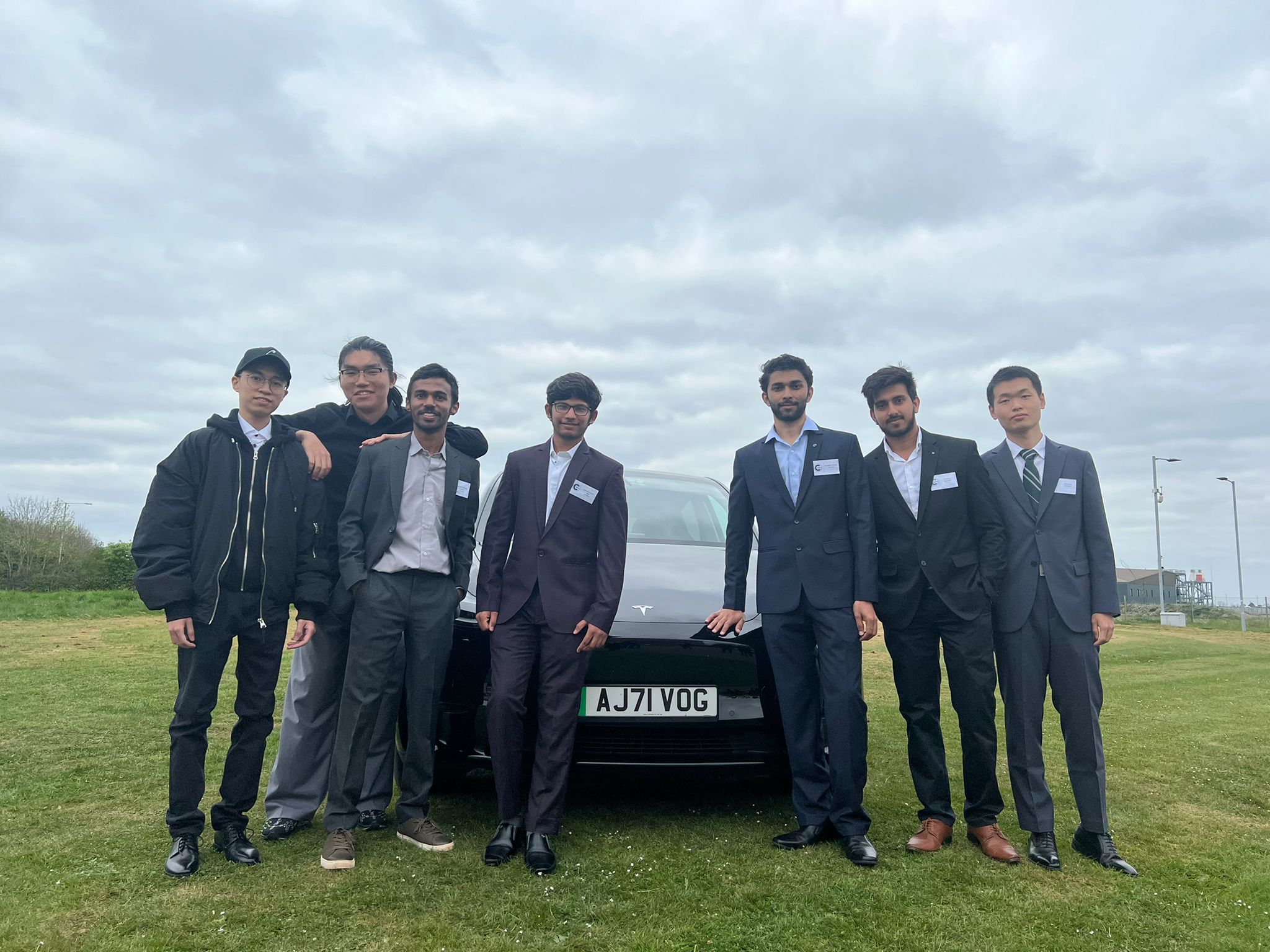
It was a very well structured course ranging from core automotive concepts to business cases and human factors associated with autonomous vehicles. My favourite part of the course was the group project as we had a challenge of making a Land Rover Discovery autonomous in one month’s time. Object detection, ROS, steering-based trajectory tracking control, and CARLA simulation were some of the areas I worked upon.
What has your career path been since graduating?
Just after my graduation, I joined Jaguar Land Rover as a sensor integration engineer in the AAD domain. Since then I am having a very steep learning curve full of hands-on experiences. The lessons I learned during the course helped me to grow technically as well as professionally.
Can you tell us more about your role as a sensor integration engineer at Jaguar Land Rover?
As a sensor integration engineer, I am mostly working on the integration of ultrasonic and LiDAR sensors covering FOV simulations, scenario-based simulations, and mechanical integration.
What does a typical week look like for you?
Other than my job, I spend time with my friends. Sometimes I write poems or quotes. Also, I am fond of travelling so weekends are mostly planned for exploring new places.
What would you say to someone who wants to work in the automotive industry?
The future of the automotive industry is more inclined towards autonomy. There are quite interesting and challenging problems to solve and autonomy is one in so many. I think one should focus on adopting new skill sets based on automotive trends and should follow one’s passion.

Categories & Tags:
Leave a comment on this post:
You might also like…

Engineering Tomorrow. Part two: Can we move around the world without emissions?
Moving people and goods around the world is essential to modern life. But every journey has an environmental cost, and reducing the emissions associated with transport is one of the major engineering challenges of ...
Following in the footsteps of aerospace pioneers
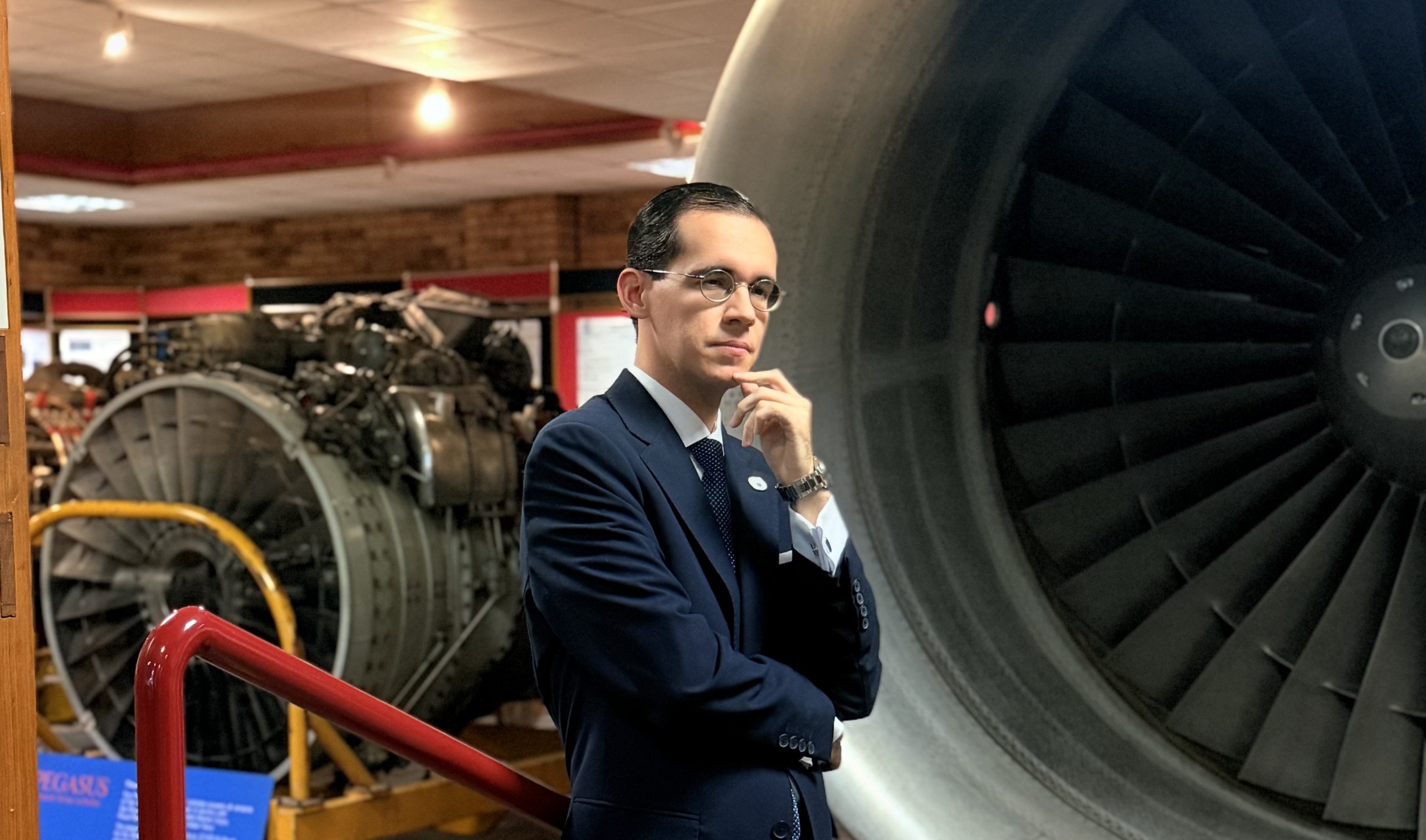
I came to Cranfield to understand how aircraft stay in the sky. Months later, I was measuring the performance of aircraft engines in flight aboard the National Flying Laboratory Centre's Saab 340B. My ...
From looking up at jet engines to powering the future of flight
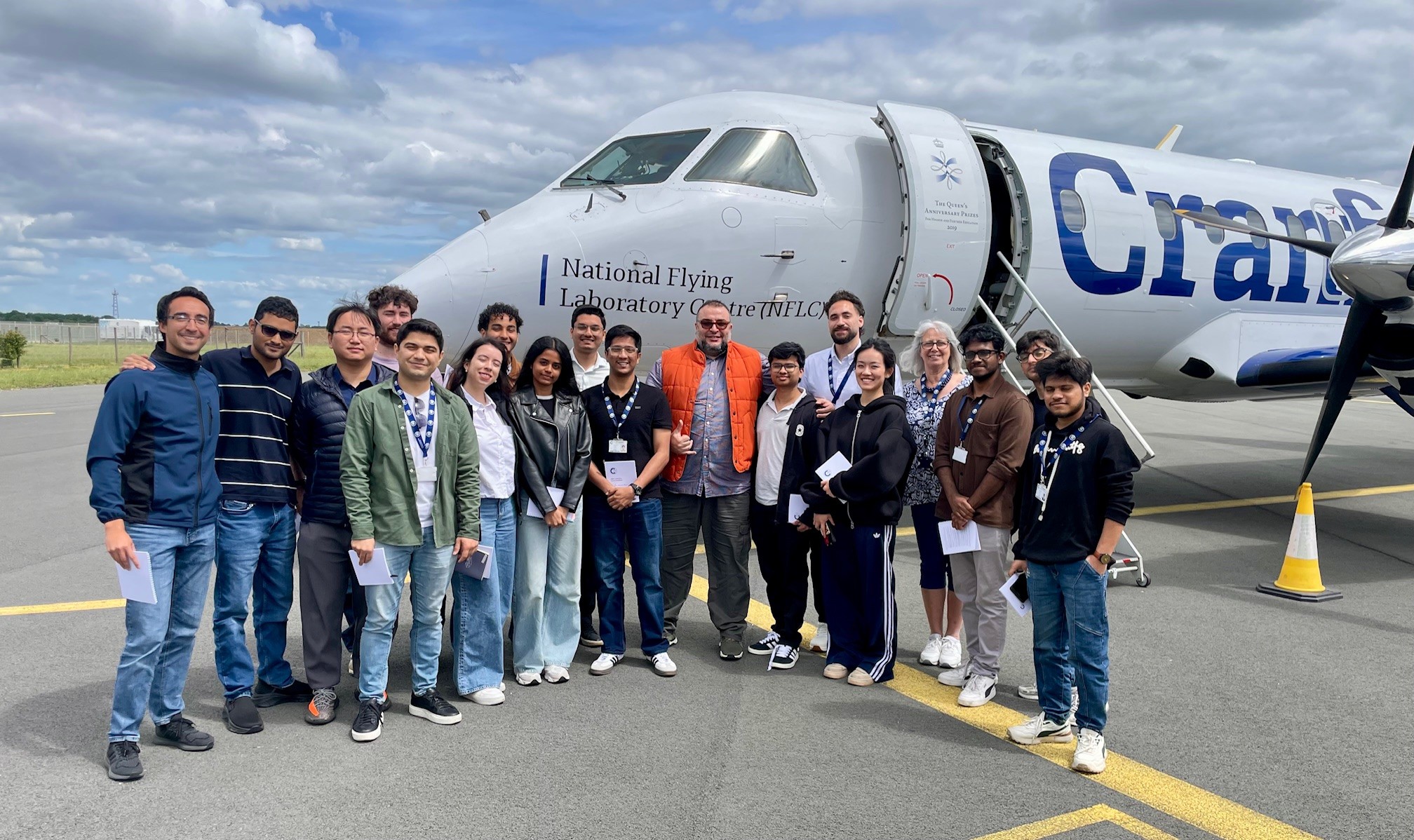
From flying aboard Cranfield's Saab 340B flying classroom to rebuilding a gas turbine component by component, Jouni Kailouh's journey shows how specialist, hands-on experience can turn a fascination with propulsion into a future career ...
Engineering Tomorrow. Part one: Can we power the future without costing the Earth?
The world needs energy. To power homes, industries, transport and the technologies shaping our future. But as demand grows and the pressure to reduce emissions increases, how do we generate the energy we need ...
Looking ahead: Building foresight skills for a more sustainable future
As sustainability challenges become more complex and uncertain, organisations need people who can look beyond today's pressures and think strategically about the future. From changing regulations and emerging technologies to supply chain disruption and ...

Brazil to Cambridge: How Cranfield helped me build a career in data analytics
I was hungry for something bigger. Before Cranfield, I was living in São Paulo, Brazil, working as a Data and Market Intelligence Analyst in the trading division of Raízen. My background is actually ...
Comments are closed.