

Build the future, don’t just study it: My journey into robotics at Cranfield
17/10/2025

When I decided to pursue a master’s degree, I wasn’t looking for a textbook education; I wanted a subject that would help launch my future career. I was searching for the fastest path from theory to building, deploying, and validating real-world systems. That’s exactly what I found at Cranfield University, a smart campus that focuses intensely on industry partnership and applied technology.
My name is Atharva Anil Watharkar, I’m an Indian national residing in the UK, and I’m a recent graduate of the MSc in Robotics at Cranfield (class of 2025). This course wasn’t just challenging – it was transformative!
Why Cranfield’s Robotics MSc is different
I chose Cranfield because of its reputation for being intensely hands-on and close to industry. The Robotics MSc stood out for its small class sizes and unparalleled access to real research labs. The curriculum is a robotics engineer’s dream, covering everything from:
- Robotics control
- AI/machine learning
- Human-robot interaction (HRI)
- Machine vision
- Autonomy
The course is structured to mirror the skills required in a professional setting, making it the perfect training ground.
From formulas to field-ready systems
The course was challenging in the best possible way, as it emphasised constant building over mere formula memorisation. The real highlights were moments of deep practical application: from implementing complex kinematics and trajectory planning in MATLAB to seeing that code execute perfectly on actual robotic hardware.
The experience truly became complete when we covered vision and autonomy. We were able to train and deploy vision models, seamlessly integrating them with ROS 2 for autonomous movement.
During my Individual Research Project, I integrated a Unitree GO2 robot dog with an advanced AI vision pipeline to spot anomalies—overgrown weeds and surface cracks—along Milton Keynes’ Redway’s (dedicated paths for pedestrians and cyclists). As the robot patrolled, it automatically captured photos of each issue and compiled a clear report for the maintenance team, helping deliver safer paths and faster, data-driven repairs. It reinforced the Cranfield mindset I value most: build, test, iterate, and make the technology genuinely useful beyond the lab.
These practical exercises, combined with applying systems thinking to Human-Robot Interaction (HRI) and ethical design, fundamentally shifted my philosophy. I now prioritise building systems that are safe, trustworthy, and user-centric over simply “making it work.”
The demanding group project complete with realistic constraints like tight deadlines, integration headaches, and the critical need for teamwork, effectively simulated the “pressure cooker” environment of a real robotics team. Cranfield pushed me far beyond simply writing code. It instilled a systems-level focus: taking perception, HRI, and autonomy from lab demos to field-ready platforms, with an unwavering emphasis on safety and validation.
Prepared for the real world, from day one
We weren’t using outdated tools; we mastered industry standards like ROS 2, Gazebo, SLAM, MATLAB, C++, and Python—tools you actually find in every job specification.
We worked through a constant build-test-iterate cycle, documenting our work, performing risk assessments, and debugging under pressure. This rigorous approach gave me the “muscle memory” essential for a fast-paced robotics team.
A typical day on campus was a dynamic blend of focus and collaboration: a morning stand-up with teammates, blocks of coding to tune a controller or test a vision pipeline, lab time in the afternoons, and often a quick sync in the library to fix an integration bug when something inevitably broke at 7PM!
Launching my career in autonomous systems
The payoff was immediate. Just days after completing my MSc, I joined Smart City Consultancy, diving headfirst into projects involving autonomous shuttles in Milton Keynes and service robots like Temi Go and Pepper.
Week one was intense. I quickly jumped into prepping for a European Robotics League competition, testing routes, tuning HRI flows, and supporting rapid field iterations. This experience where I even had to crash-learn a new android coding language to get a service robot working in a coffee shop setting, taught me invaluable lessons in reliability, teamwork, and delivering under real-world pressure.
“My future aspiration is clear: to be a robotics software engineer in the UK, building autonomous, vision-driven systems that are safe around people. My goal is to lead teams that integrate AI + HRI into reliable, useful products that make tough jobs safer and smarter.”
Advice for future robotics engineers
If you’re interested in smart technology, my advice is simple and practical:
- Get your foundations right: Focus on clear thinking, problem-solving, and basic maths. Consistency beats genius every time.
- Start small, start now: You learn more by trying out quick, simple projects than by waiting for the “perfect” idea.
- Think about people: Smart tech must be safe, helpful, and easy to use. Ask yourself: “Would this make someone’s day easier?”
- Show your work: A short video or a one-page summary of your projects speaks louder than any long CV.
- Be curious, not scared: The tools change fast. Your curiosity and your habits, practice, reflection, and seeking feedback are your most valuable assets.
Cranfield University isn’t just a place to study; it’s a place to do. If you’re ready to put your hands on the technology that’s shaping the world, the MSc in Robotics is the blueprint you need.

Categories & Tags:
Leave a comment on this post:
You might also like…

Mendeley: a powerful tool to organise and manage your references
Are you looking for a way to manage your references, create in-text citations and reference lists for your assignments or thesis? If so, you may wish to consider using Mendeley. What is it? Mendeley is ...

Keen to develop your study skills?
Alongside the technical skills and academic knowledge that you will gain on your course, as a Cranfield student you have the opportunity to develop a range of other skills that can enhance your learning experience. ...
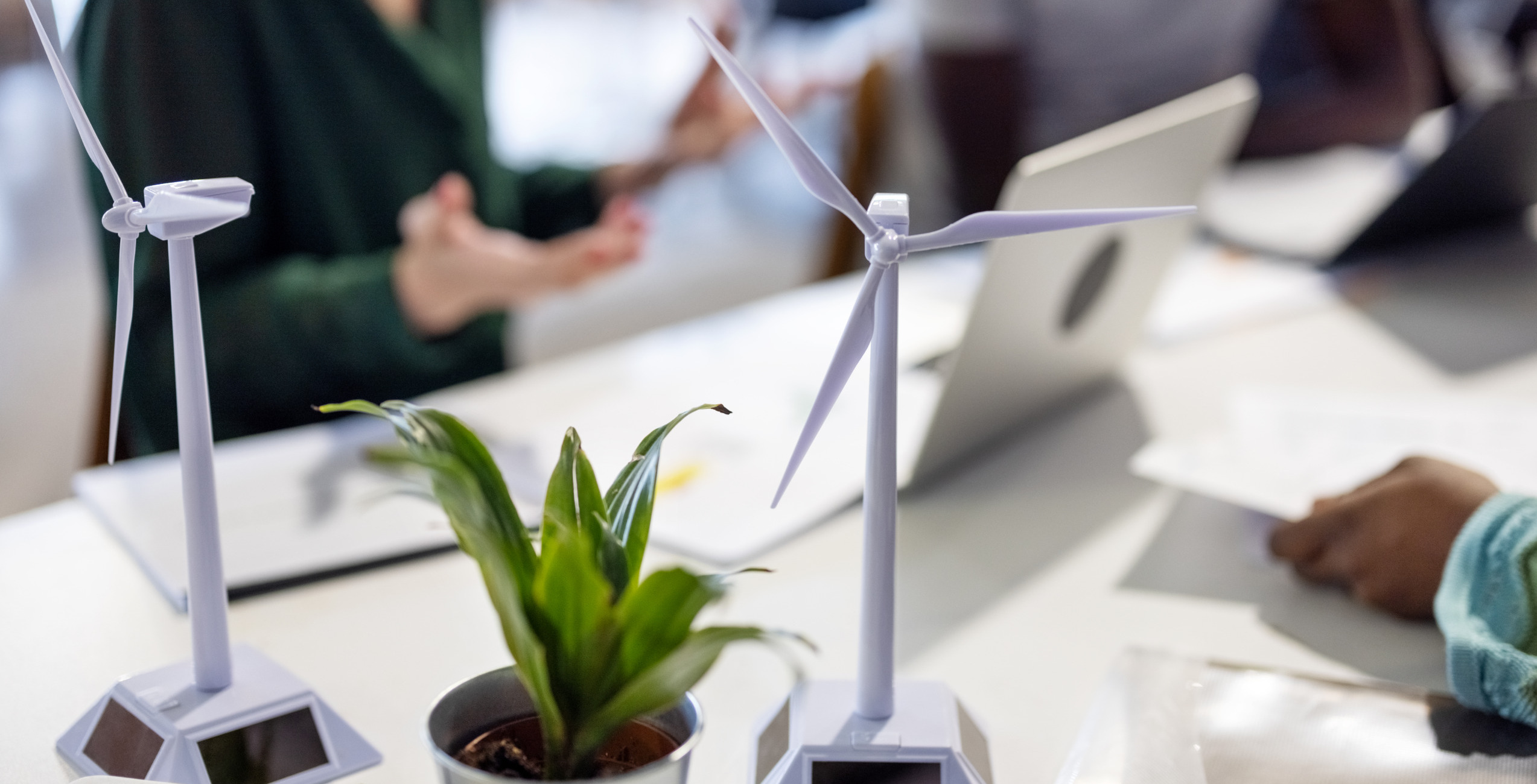
The V-conomy: powering the sixth wave of global economic growth
The world could be on the verge of a major surge in economic growth and development, driven by the convergence of AI and clean energy technology. Waiting to ride the K-wave The Russian ...

Need help using the Python programming language?
We know some of our students are currently trying to learn Python, so we wanted to make you aware of some great LinkedIn Learning videos that can help. But don't you have to pay for ...

What does it really take to become a Chevening Scholar?
Say “Turkmenistan” to most people and you’ll get a blank look. That was true when I left Ashgabat for the UK to study an MSc in Logistics and Supply Chain Management at Cranfield University ...

Get a head start on referencing and plagiarism
We offer a module on Referencing And Avoiding Plagiarism which you can find on your Canvas dashboard. It explains the role and importance of citing references and how to incorporate the work of other authors ...
Comments are closed.