


Looking towards ‘Manufacturing 2075’ with Professor Dale Russell: Part II
12/11/2018
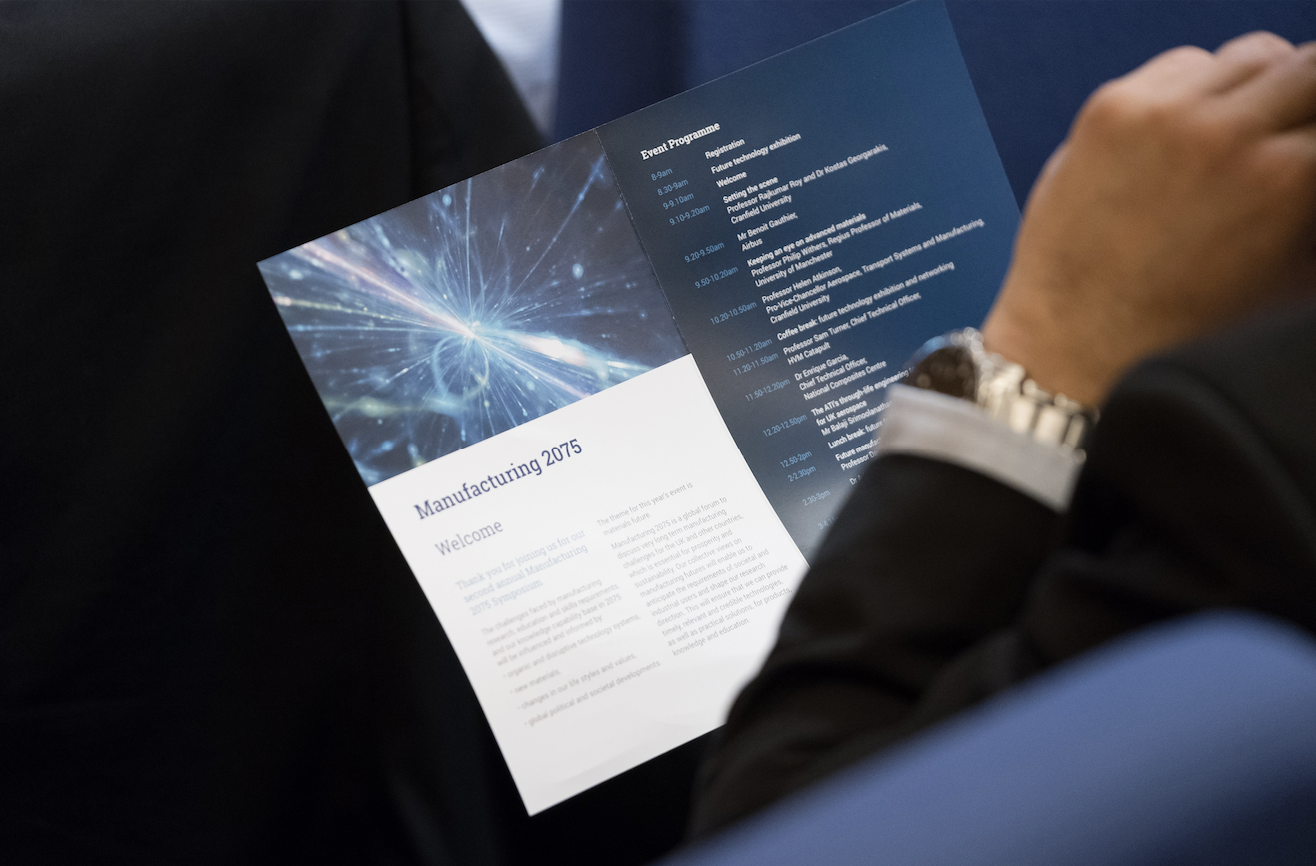
The future is here. We are in an era of futuristic scenarios creating transformation of the everyday in the co-evolution of humans and technology. Encouraging and accepting whilst forming blurred boundaries of future concepts and technologies – both utopian and dystopian.
My experience across design and technology since the 1960s is that we’ve already seen many incredible inventions and innovations both dramatic and discreet, ranging from sending man to the moon to the everyday usage of AI, robotics, 3-D printing, meta-materials and bio-engineering. Acknowledging the principle of being ‘fit for purpose’ is key to good design – possibly involving retro technologies such as Trevor Bayliss’s clockwork radio (that had my vote as 1996 BBC Design Awards judge).
The manufacturing sector needs to think broad as well as big; addressing everyday barriers and challenges; acknowledging human behaviour, interaction and emotion in tandem with the larger responsible global issues – embracing the question of ‘why can’t we’? This approach is epitomised by the impact created by ‘start-up’ companies often formed whilst connected to universities.
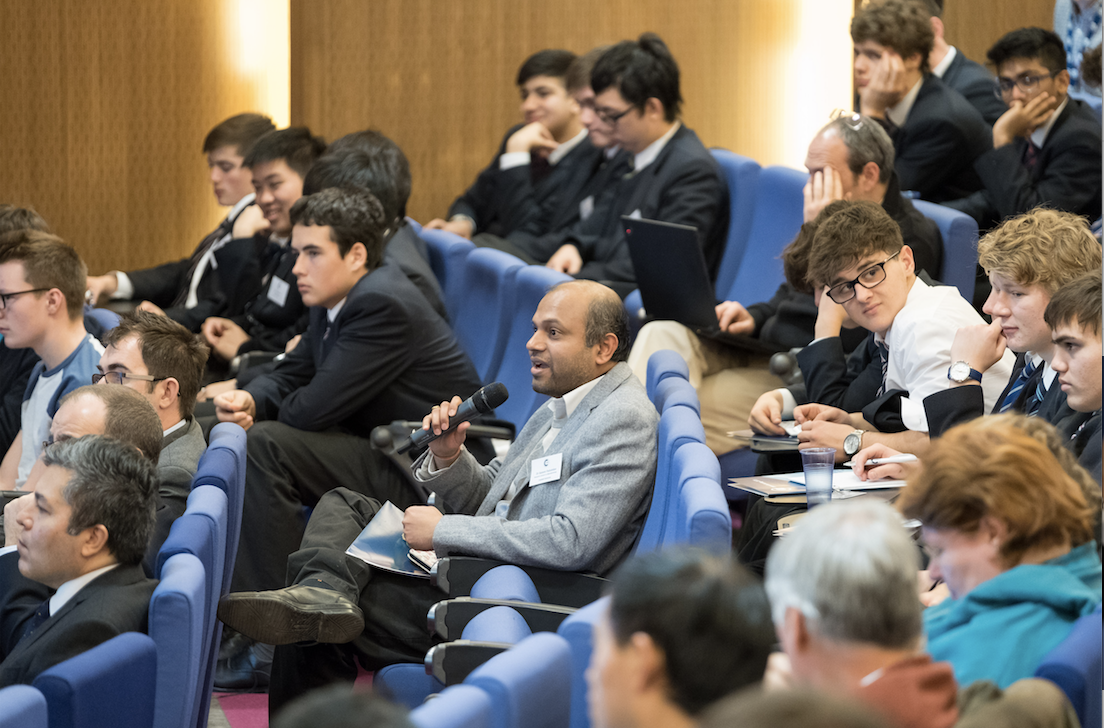
Register to be a part of the action at this year’s Manufacturing 2075: 5 December 2018, Cranfield University
Digital engineering – the core theme for Manufacturing 2075 (5 December 2018, Cranfield University) is introducing a box of tools that will open up the industry to a raft of new models for doing business and of having a wider social and economic impact. Making the most of the opportunities will be dependent on the right kind of futurism: grounded in reality and putting human beings, their evolving needs and character, at the heart of design thinking, research and practice.
From my perspective that has always meant adding a strong component of the arts into STEM, a STEAM approach that is plugged into human factors. That means actively including perspectives from history, sociology, environment and psychology into the design process solving the next technological challenge, meeting a market needs, in order to shape a future world that people actually want to live in, that’s efficient, viable and human.
There’s also the issue of what is ‘human’? It’s a set of characteristics, experiences, psychological and emotional relationships that continue to evolve in line with our lived environment. Experiences of being human are also increasingly driven by inequalities. In future people may not think in terms of a life structured as we live today – gender, family units, lifestyle paradigms considered through new perspectives as they develop deeper, more dependent relationships with technology. Larger sectors of populations are becoming nomadic, rootless and evolving new communities – forming new geographic boundaries of state, nation, country or even planet.
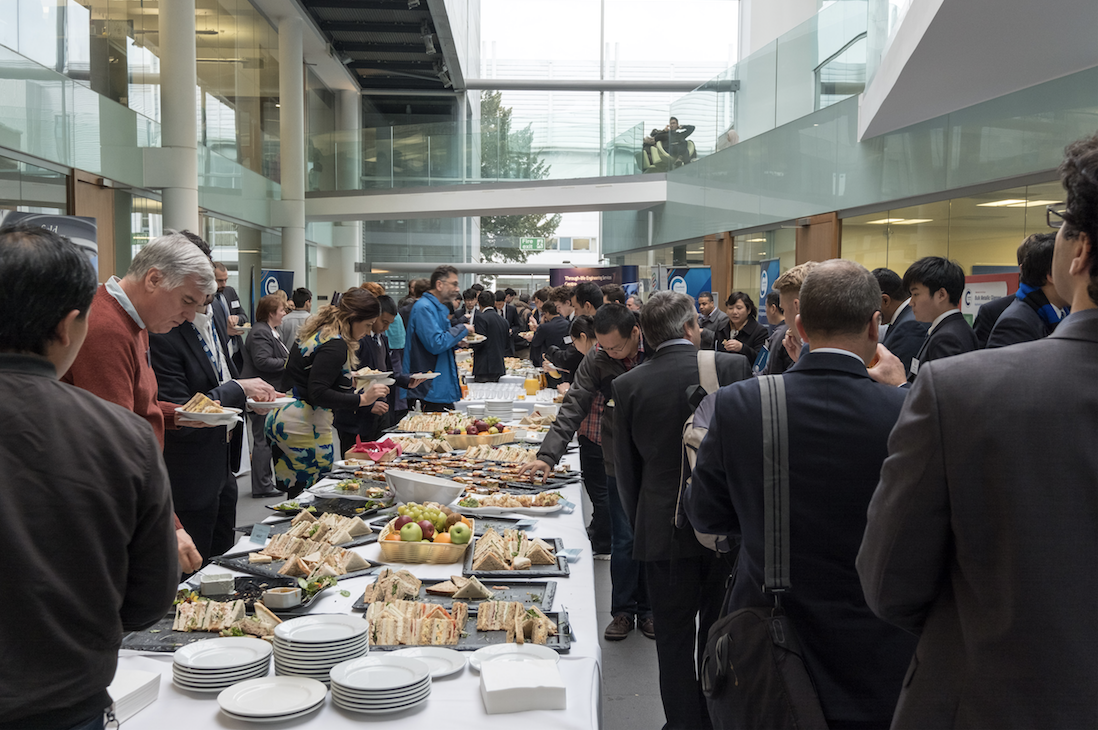
A networking lunch during Manufacturing 2075: 2017
Coming years will bring about completely new strategies and narratives to deal with sustainability, encouraging investment in eco/bio materials and processes providing homes and ever increasing urban centres; hybridisation of food and nutrition; developing medical innovation and practice; evolving systems of employment; redefining sexual orientation and what constitutes a family unit; progressing research and practice in to extracting resources from other planets and the potential for human occupation.
Fantastic breakthroughs in design innovation are happening all the time. The more trans-disciplinary we are in encouraging and enabling engineers, scientists, artists, anthropologists, designers and others to work in unison within blurred boundaries of cross-fertilisation towards new models of production, materials and process, the more likely manufacturers will crack open and secure new markets – at the same time playing a part in actively shaping the best kind of future for society and the planet.
Professor Dale Russell is an internationally renowned design practitioner, futurist and academic at the Royal College of Art and will be presenting at this year’s Manufacturing 2075 conference on the 5th of December 2018.

Categories & Tags:
Leave a comment on this post:
You might also like…

Norman C. T. Liu scholarships providing the next generation of opportunities to succeed in Air Transport Management
Cranfield University is proud to work with global industry leaders who believe in investing in the next generation of aviation professionals. One of those leaders, Norman C. T. Liu, has personally committed to supporting ...
Designing the future of space: My group design project experience at Cranfield
For three years, I worked at Tata Consultancy Services (TCS) in India. While my time in the IT sector provided me with a strong analytical foundation, my true passion had always been anchored in ...

How do I reference lecture notes… in the NLM style?
If your course material contains original content that you want to use in your work, it will need to be referenced as follows: What information do you need in the reference? Author – surname initials e.g. ...
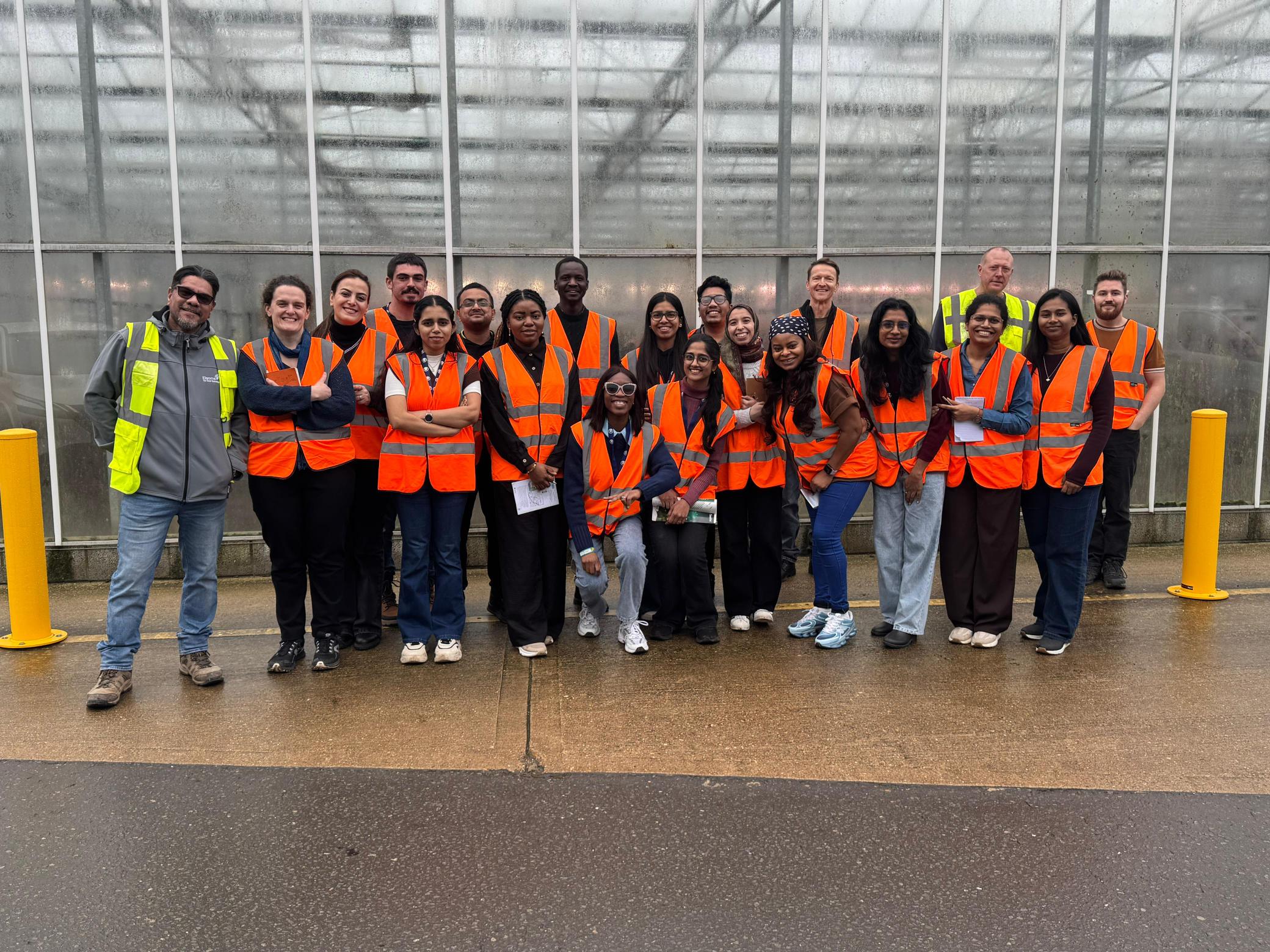
From Nigeria to Cranfield: My journey into Future Food Sustainability
My name is Jolaosho Eniola, and I’m studying the MSc in Future Food Sustainability. I’m originally from Nigeria, and I’m passionate about food systems, food sustainability, food supply chain and creating solutions that improve ...

How to present well as a group
You will have put a lot of work into your research or group project and want to show everyone what you have achieved or discovered, so you need to impart this knowledge as clearly as ...
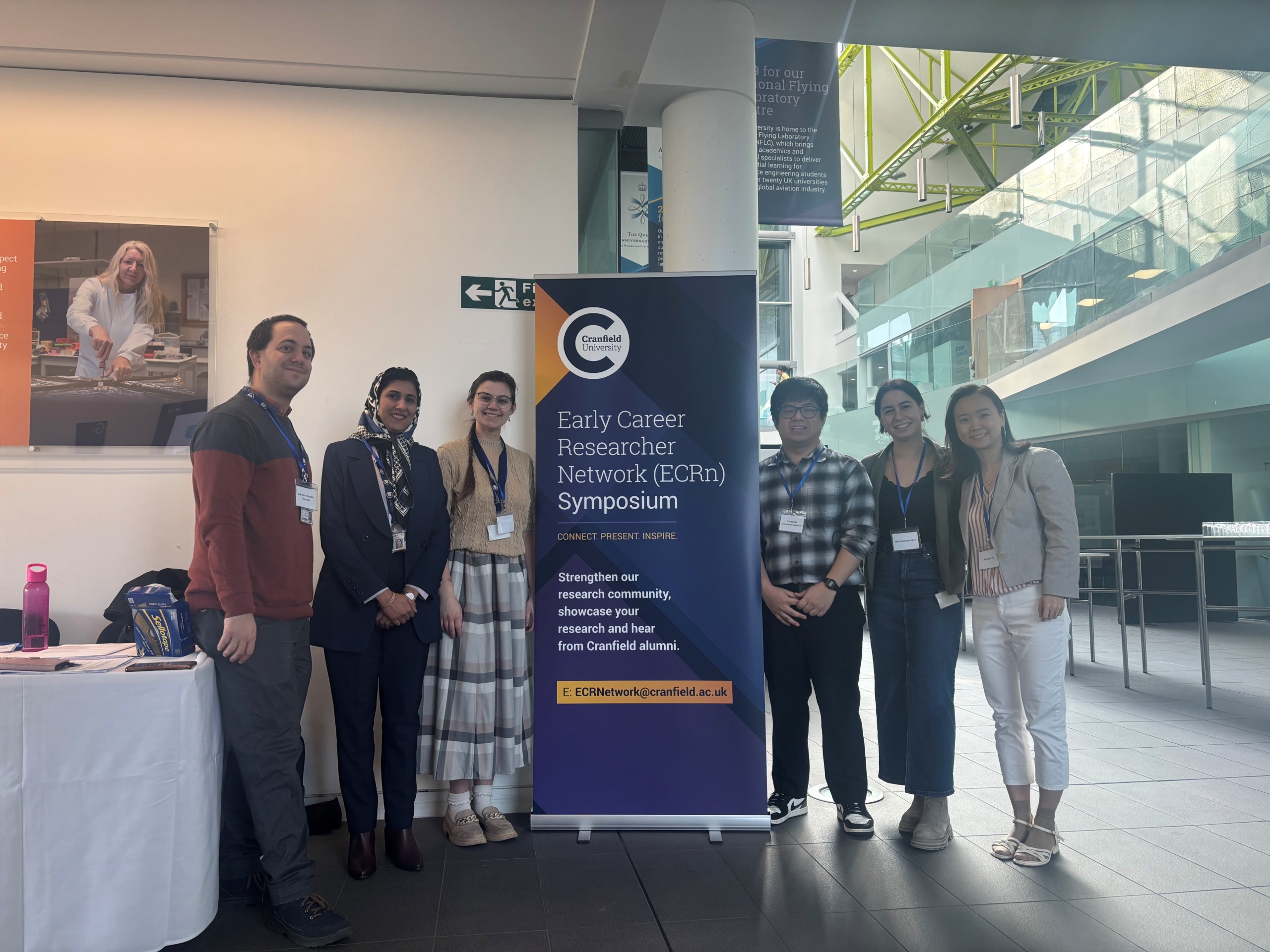
Building more than research: Reflections from the ECRn Symposium 2026
There’s something quietly powerful about a room full of early career researchers. Not just the ideas, although there were plenty of those—but the conversations, the curiosity, and the sense that everyone is figuring things ...