


Soil, carbon and climate change
05/11/2021
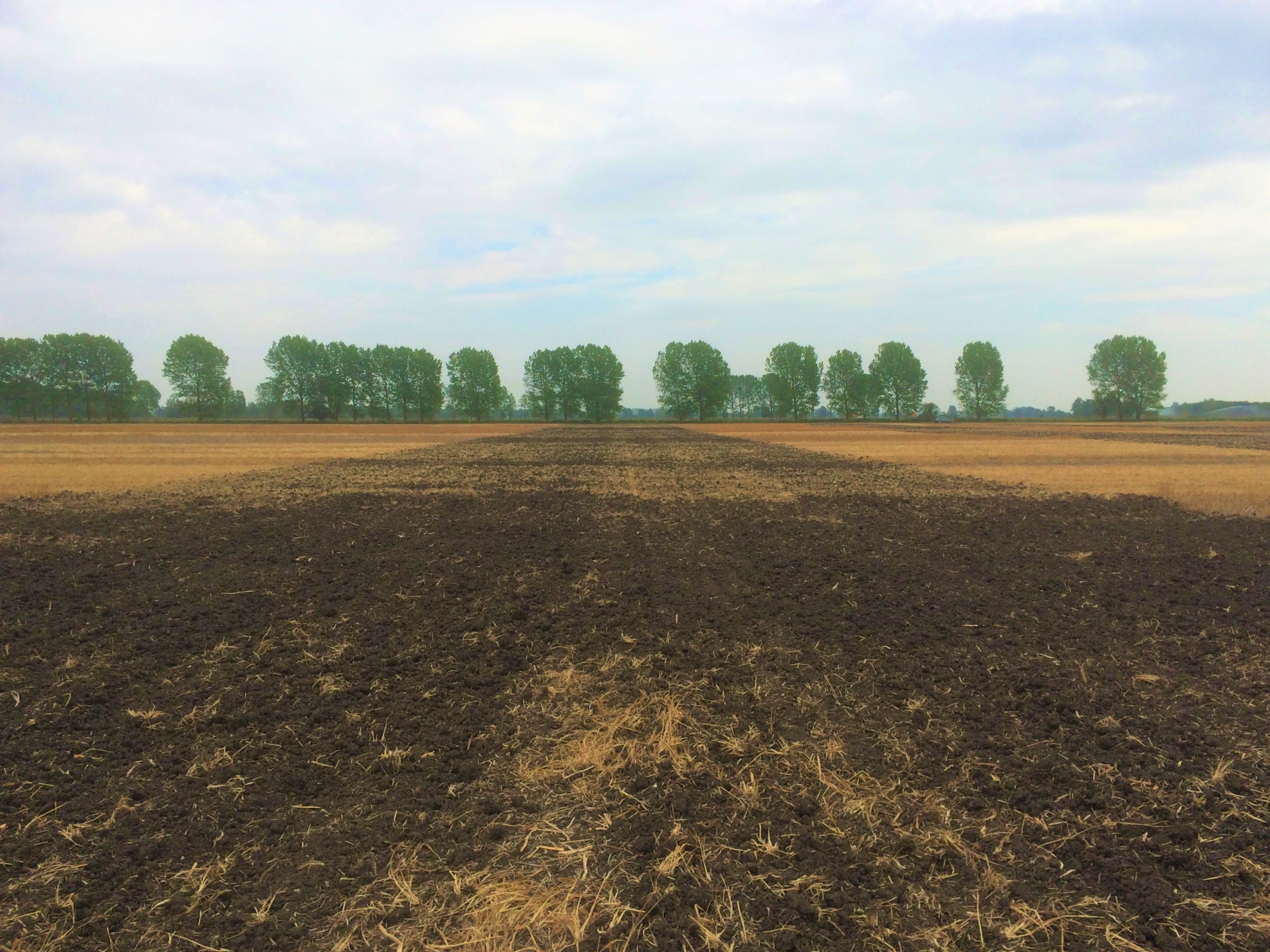
Organic matter in soil, which contains carbon originating from plants and organisms, is an important part of regulating the Earth’s climate. Soil is a huge store of carbon and is estimated to contain three times more carbon than the atmosphere!
However, in many areas soil carbon has been lost from soils through land use change, unsustainable land management. The soil carbon is also vulnerable to loss under increasing temperatures due to climate change. It is important to recognise that soil can both capture carbon and also be a source, by releasing carbon dioxide back into the atmosphere from the breakdown of organic matter.
Understanding where and how much carbon is stored in soil can help us focus on areas for protection, restoration, or improvement of soil organic matter. These maps can identify where we should be protecting and restoring soils that naturally have large carbon stores, such as peatlands. It can also recognise areas where there is the potential to increase carbon by changing land management or land use, such as areas of cropland that have been depleted in organic matter.
Take a look at the maps we have produced using soil data in England and Wales https://www.cranfield.ac.uk/themes/environment-and-agrifood/landis We used our soil carbon data in a global effort to determine the amount of carbon stored in soils across the planet – the total was a massive 680 billion tonnes of carbon in just the top 30 cm of soil! http://54.229.242.119/GSOCmap/

Categories & Tags:
Leave a comment on this post:
You might also like…

Keen to develop your study skills?
Alongside the technical skills and academic knowledge that you will gain on your course, as a Cranfield student you have the opportunity to develop a range of other skills that can enhance your learning experience. ...

The V-conomy: powering the sixth wave of global economic growth
The world could be on the verge of a major surge in economic growth and development, driven by the convergence of AI and clean energy technology. Waiting to ride the K-wave The Russian ...

Need help using the Python programming language?
We know some of our students are currently trying to learn Python, so we wanted to make you aware of some great LinkedIn Learning videos that can help. But don't you have to pay for ...

What does it really take to become a Chevening Scholar?
Say “Turkmenistan” to most people and you’ll get a blank look. That was true when I left Ashgabat for the UK to study an MSc in Logistics and Supply Chain Management at Cranfield University ...

Get a head start on referencing and plagiarism
We offer a module on Referencing And Avoiding Plagiarism which you can find on your Canvas dashboard. It explains the role and importance of citing references and how to incorporate the work of other authors ...
How Cranfield shaped my journey as an Aerospace Engineer
If I'm being specific about the moment it clicked, it was reading a paper called "On the Role and Challenges of Computational Fluid Dynamics (CFD) in the Aerospace Industry" by two Boeing engineers, P. ...