


Launch of the new University research information system (CRIS)
06/02/2024

As you are now hopefully aware, our new Current Research Information System (CRIS) successfully launched as planned on Friday 15 December. From last week, all academic profiles in the system are now syncing on our website as well.
The new system will help ensure our research output is managed, stored, and publicly shared in a timely and organised way and will be a huge improvement on the previous system. Anyone with a profile will have better oversight of all the work they’ve submitted. It will also integrate with our other University systems such as Agresso, support the Excellence in Scholarship programme, and produce better reporting, especially on compliancy.
All academic and research staff, and research students, will have received an email on Monday from Professor Leon Terry, our Pro-Vice-Chancellor for Research and Innovation, asking them to take action to ensure their data has transferred accurately to the new system. This includes logging in and checking their profile, and booking a headshot if they don’t already have one. We encourage everyone to follow these instructions carefully and to contact researchsupport@cranfield.ac.uk if they have any questions.
Phase 2 – What’s coming next?
This is a great example of collaborative working between Library Services, IT Services, RIO, CEA and the CRIS Stakeholder Group and we are looking forward to sharing the next phase of the project with you. This will include a fresh look and new features for CERES (our open access research repository) including the migration of our research data (CORD) onto the same platform. You can find out more about how this specific phase of the project might affect you by visiting the CERES/CORD project page.
Photo by ThisisEngineering RAEng on Unsplash

Categories & Tags:
Leave a comment on this post:
You might also like…
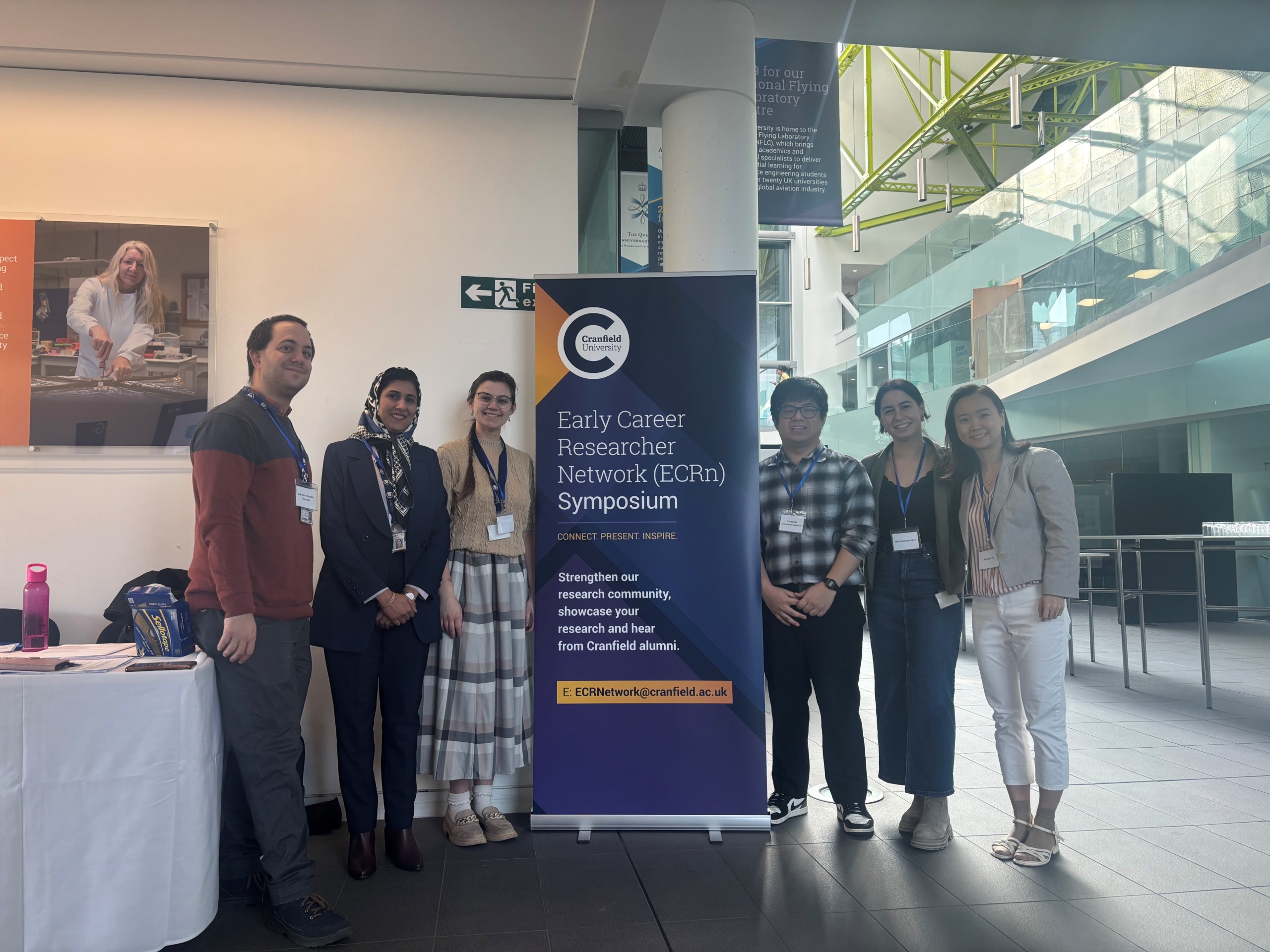
Building more than research: Reflections from the ECRn Symposium 2026
There’s something quietly powerful about a room full of early career researchers. Not just the ideas, although there were plenty of those—but the conversations, the curiosity, and the sense that everyone is figuring things ...
Library services over Easter, 3-6 April
Kings Norton Library will remain open for study 24/7. You will need your University ID card to enter the building and can use the self-service machines to borrow and return items as usual. Barrington Library ...

How do I access the full-text of Harvard Business Review (HBR)?
This is a frequently asked question, and it's worth knowing how to access this key management journal. So, how do you access HBR in full-text? The short answer is via our eJournals finder. You can find ...

Engineering problem to solve? Let Knovel help you find a solution
Did you know that Knovel provides you with more than just eBooks? Knovel is a key database for many engineering, mechanical and materials courses here at Cranfield University, and contains content from an extensive range ...

What happens when female scholars meet influential leaders?
On the 5 March 2026, our British Council Women in STEM Scholars had the privilege of sitting down with two excellent role models of industry and academia: Professor Dame Karen Holford, ...
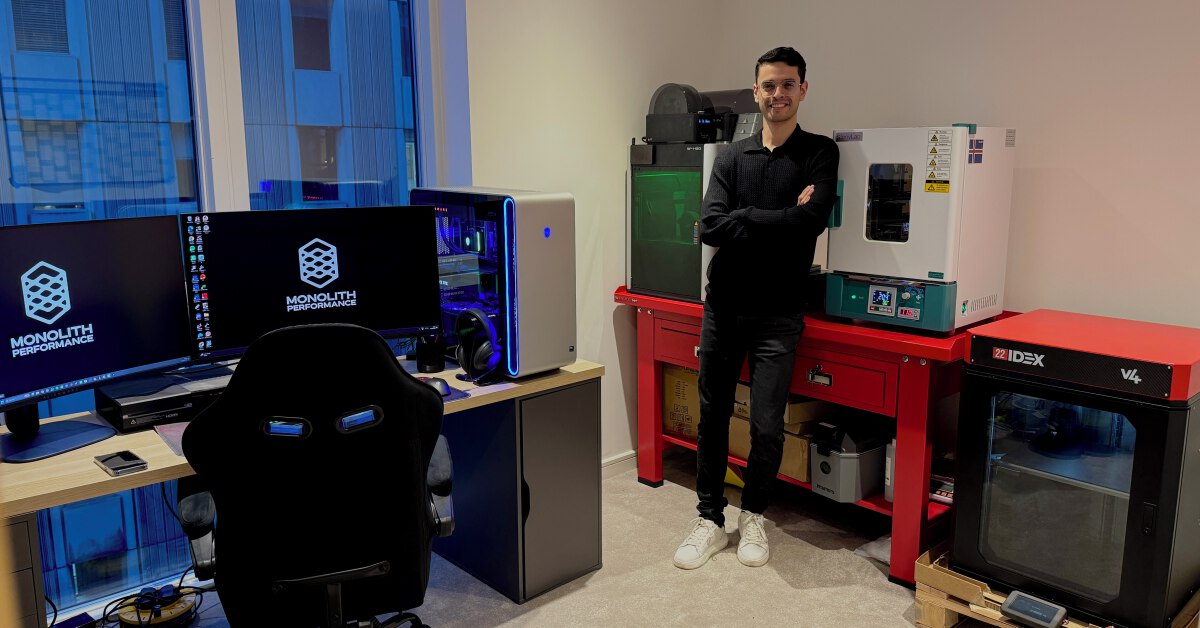
From MSc to CEO: Igniting a research revolution
For many, a master’s degree is achieving a big milestone. Kilyan Ocampo, Computational Fluid Dynamics alumni shares how studying at Cranfield helped launch his career in the energy sector. Today, Kilyan ...