


Cranfield’s women in defence: Dr Anicée Van Engeland, Associate Professor of International Security & Law
08/03/2021
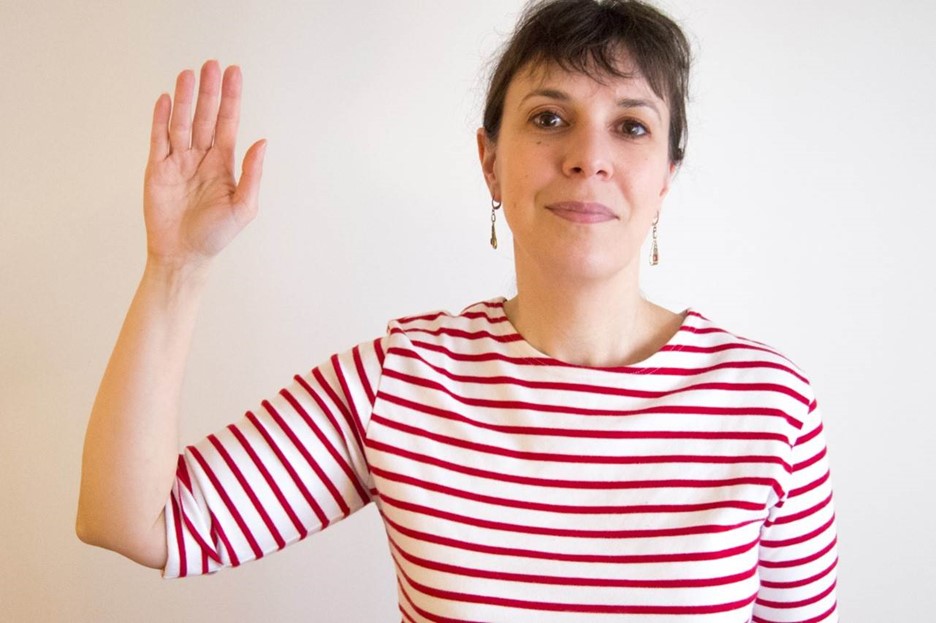
Working in defence and security isn’t all about weapons and blowing things up. To coincide with International Women’s Day on 8 March and this year’s #ChooseToChallenge theme, we hear from three of Cranfield University’s experts working in a variety of roles in the sector.
Anicée is a leading academic authority in Iranian affairs and innovator in the study of Islamic law, examining human rights, security and conflict. Her research has been used to provide a bottom-up perspective analysis on de-radicalisation and she has engaged directly with armed groups, for example in Syria, to bridge gaps in understanding humanitarian law.
Anicée works closely with the Ministry of Defence and the Foreign and Commonwealth Office to deliver overseas programmes of study and provide briefings to the armed forces. She also advises NGOs and international organisations including the United Nations, and advises courts, mostly in the field of immigration to ensure adequate protection of asylum-seekers’ rights.
Anicée helps to deliver the Managing Defence in the Wider Security Context (MDWSC) and Security Sector Management (SSM) courses. MDWSC provides capacity building to nations in transition such as emerging democracies or post conflict states. The SSM programme provides security sector officials with regional peacekeeping and national security policy skills. Anicée’s teaching contextualises defence engagement to encourage better human rights protection.
What do you enjoy most about working in defence and at CDS?
I enjoy the diversity of the work that calls upon all my skills as a law professor: my experience and my expertise in human rights law are put to a good use. I feel I contribute to changing the way security and defence operate in relation to the law. I sometimes grapple with the ethics of the job, but then I see the impact I have.
Is there a woman in particular that inspired your career in defence?
Terrorist expert, Professor Jessica Stern (who has been portrayed by Nicole Kidman) made me realise my knowledge and skills could be used differently. I met the now retired Major General Susan Ridge from Army Legal Services, the first woman to hold that rank since World War II: it was inspiring to see such achievement.
What do you wish you’d known when you started your career?
When I graduated, I wanted to join the forces as a human rights lawyer. I eventually became an aid worker. I wish someone had told me to have the time to persevere as there is a role for human rights people in defence.
Do you have any advice for women beginning their career in the industry?
My main suggestion is to never compromise on your views or behaviours to match those of men. It is our original voices, rather than a formatted attitude, that is enriching.
Do you feel the defence industry has changed as a place for women to work and build a career?
Women have their role to play on the battlefield as well as when negotiating peace, and this is still work in progress. I like that Cranfield University deploys me to work for the MOD or the FCDO in places where I teach on hot human rights topics at crucial times, demonstrating the changes the industry has gone through.
Do you feel empowered as a woman in defence?
Empowerment can be illusory where men tolerate women without properly including them. I have found, working with the forces and the industry, that my status as an empowered woman has been welcome and celebrated. But I wouldn’t say defence has empowered me.
Is there anything you #ChooseToChallenge as a woman in the defence industry?
I #ChooseToChallenge how the forces and the industry engage with human rights with the intention of changing views, practices and regulations. In that regard those opposed to the inclusion of women in the forces and in the industry are right: we are here to change the way defence and security operate.
Do you think the industry has changed in terms of the stereotypes and bias it was once renowned for?
I have been told a few times “I have never worked with women but I want to get this right. Please guide me.” This is progress.
Do you think Cranfield has helped to challenge the stereotypes of women in defence? Cranfield University hosts incredible women working in STEM, in management and in social sciences, all with impact. The University gives us the opportunity to actually contribute and change several academic fields related to defence. It’s a great match of skills on the women’s side coupled with a genuine desire to promote us

Categories & Tags:
Leave a comment on this post:
You might also like…
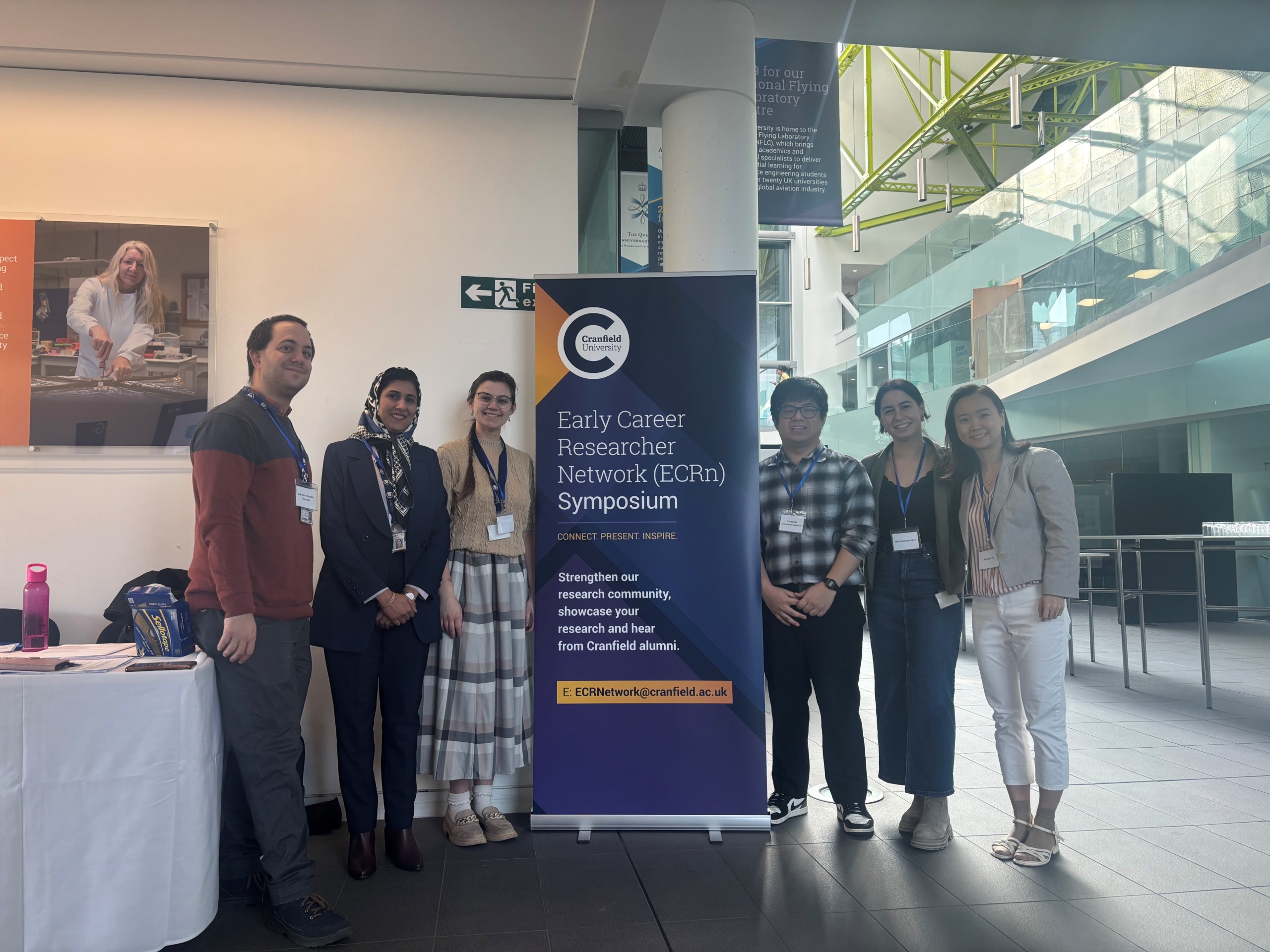
Building more than research: Reflections from the ECRn Symposium 2026
There’s something quietly powerful about a room full of early career researchers. Not just the ideas, although there were plenty of those—but the conversations, the curiosity, and the sense that everyone is figuring things ...

Library services over Easter, 3-6 April
Kings Norton Library will remain open for study 24/7. You will need your University ID card to enter the building and can use the self-service machines to borrow and return items as usual. Barrington Library ...

How do I access the full-text of Harvard Business Review (HBR)?
This is a frequently asked question, and it's worth knowing how to access this key management journal. So, how do you access HBR in full-text? The short answer is via our eJournals finder. You can find ...

Engineering problem to solve? Let Knovel help you find a solution
Did you know that Knovel provides you with more than just eBooks? Knovel is a key database for many engineering, mechanical and materials courses here at Cranfield University, and contains content from an extensive range ...
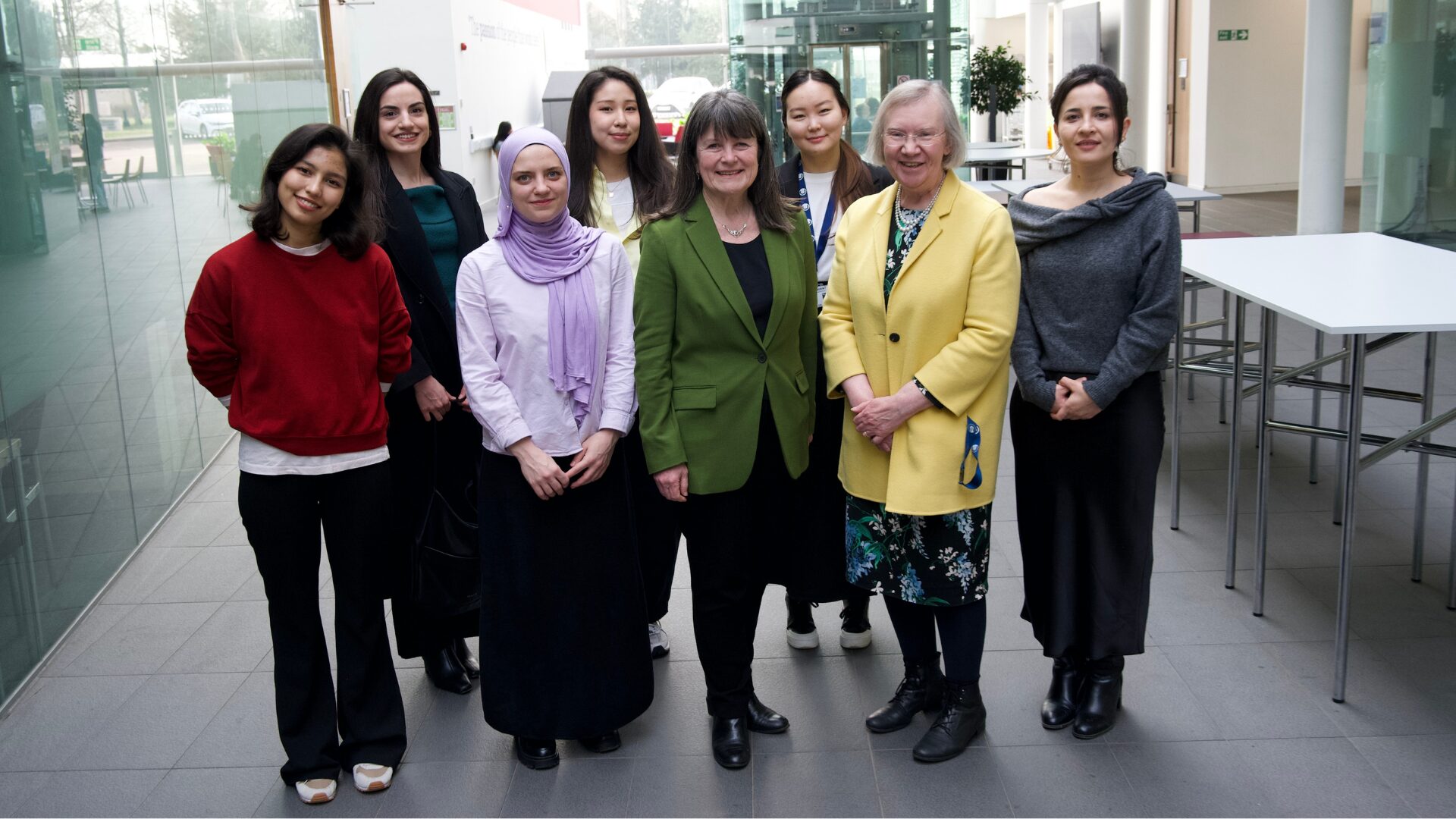
What happens when female scholars meet influential leaders?
On the 5 March 2026, our British Council Women in STEM Scholars had the privilege of sitting down with two excellent role models of industry and academia: Professor Dame Karen Holford, ...
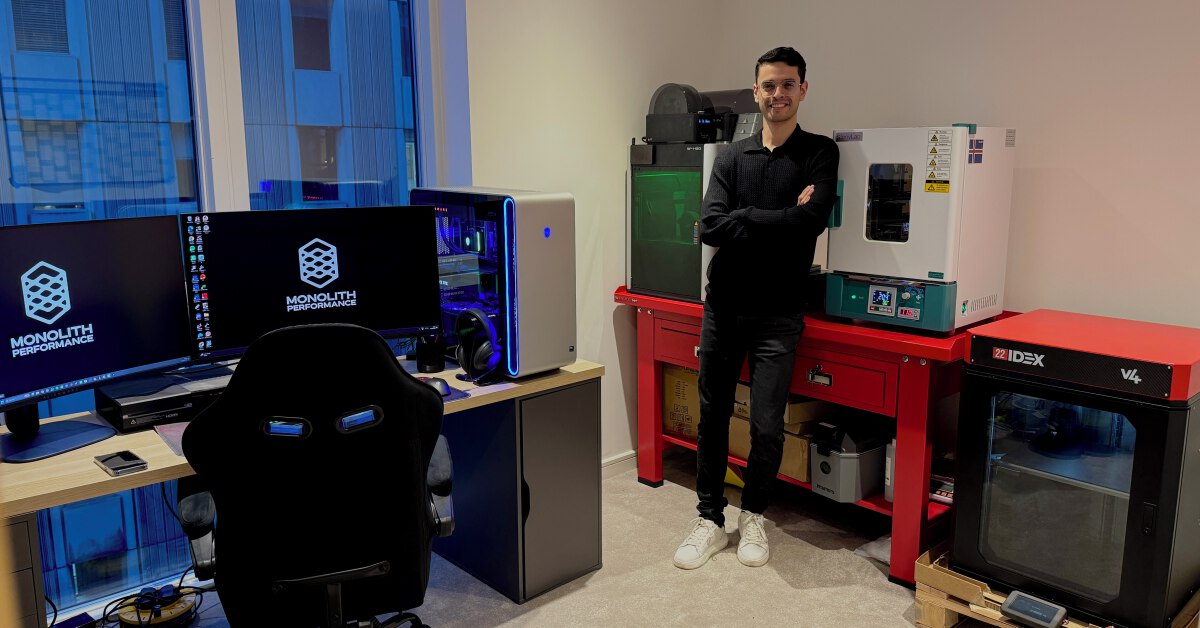
From MSc to CEO: Igniting a research revolution
For many, a master’s degree is achieving a big milestone. Kilyan Ocampo, Computational Fluid Dynamics alumni shares how studying at Cranfield helped launch his career in the energy sector. Today, Kilyan ...