

A Day at the Explorers Festival
05/06/2023
An Explorer’s Spark
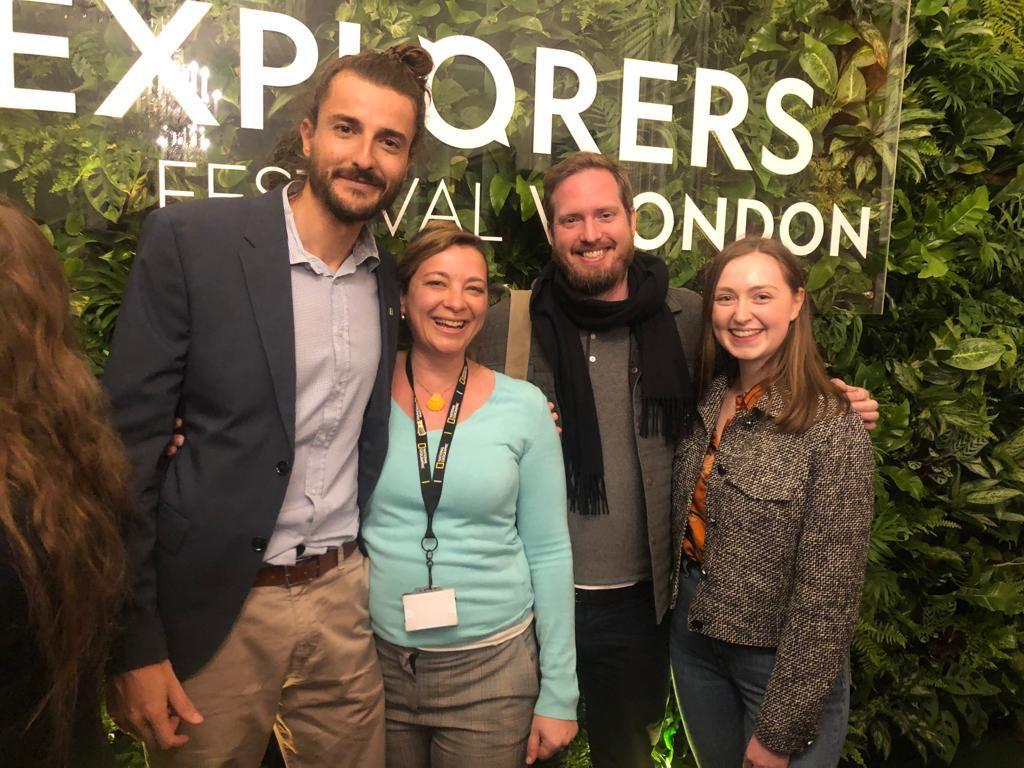
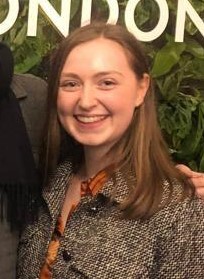
“There is an explorer’s ‘spark’ that is felt at these events”, said National Geographic CEO Jill Tiefenthaler at the Explorers Festival in London on April 20; it was a spark felt by those speaking such as legendary researchers Sylvia Earle and Louise Leakey to those in the audience, including myself, an MSc student in Investigation of Heritage Crime at the Cranfield Forensic Institute.
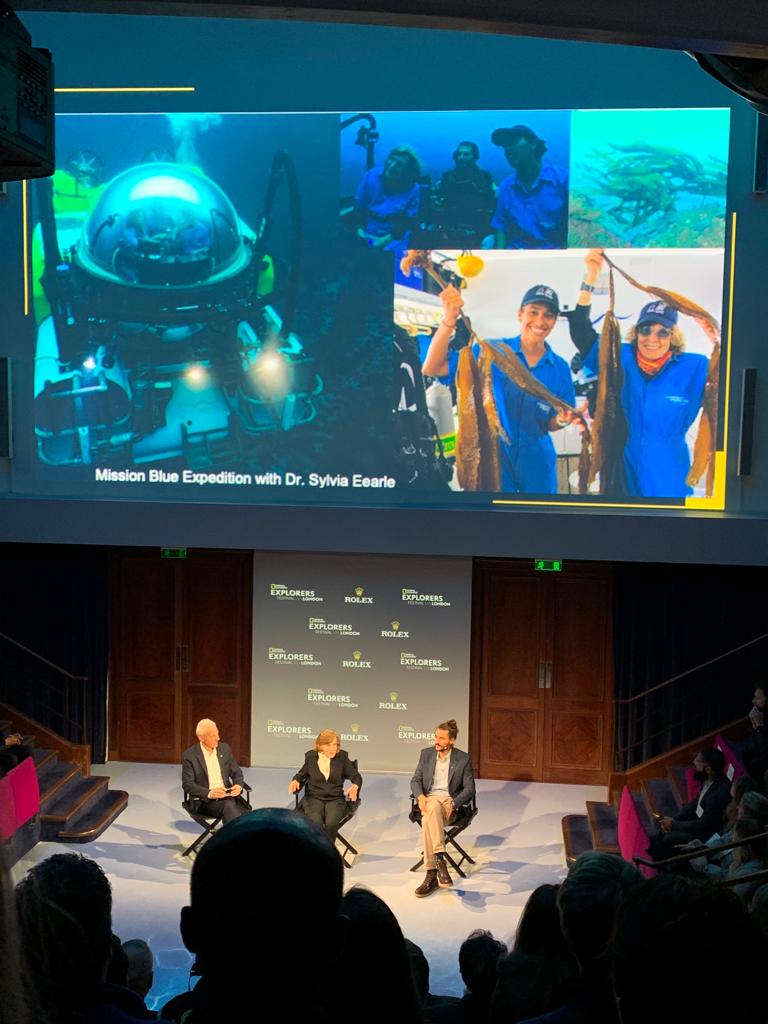
“The festival was a day-long celebration of scientific research held at the Royal Institution, which I had the opportunity to attend with two of Cranfield’s own Explorers, Peter Campbell and Lisa Briggs. It was a great privilege to meet so many researchers who are considered trailblazers in their fields, and to hear about their experiences exploring and protecting our natural world. However, I also enjoyed speaking with postgraduate students and early career researchers from other universities who are developing their own research projects – the next generation of explorers.
Exploring the Unknown
“The morning session was a spotlight on 15 Explorers, ranging from artists and conservationists to archaeologists. I was particularly fascinated by the work of Anthony Obayomi, a visual artist from Nigeria, who documents his community and culture through photography and videography. His next project looks at the Benin Bronzes and how his community responds to their repatriation. The famous bronze artwork was stolen during an illegal war, known as the Benin Punitive Expedition in 1897, and the bronzes are found in museums and private collections around the world. The looting of Benin is among the worst cases of heritage crime during conflict in history and, as an MSc student studying the subject, I am very excited to see the results of his new project.
“The evening session featured three subject areas with ground-breaking researchers: Stories from the Deep, Uncovering the Human Journey, and Secrets of the Elephants. Stories from the Deep was a conversation moderated by Paul Rose (Pristine Seas) between two divers and ocean conservationists, Sylvia Earle and Giovanni Chimienti. Sylvia, known as “Her Deepness”, discussed her decades of innovative research, while Giovanni discussed his recent discoveries of coral species in the Mediterranean. Uncovering the Human Journey was a moderated conversation by Ian Miller (National Geographic) between Louise Leakey and Keneiloe Molopyane, paleoanthropologists from Kenya and South Africa, respectively. They both discussed exciting new discoveries relating to human origins and our earliest ancestors.
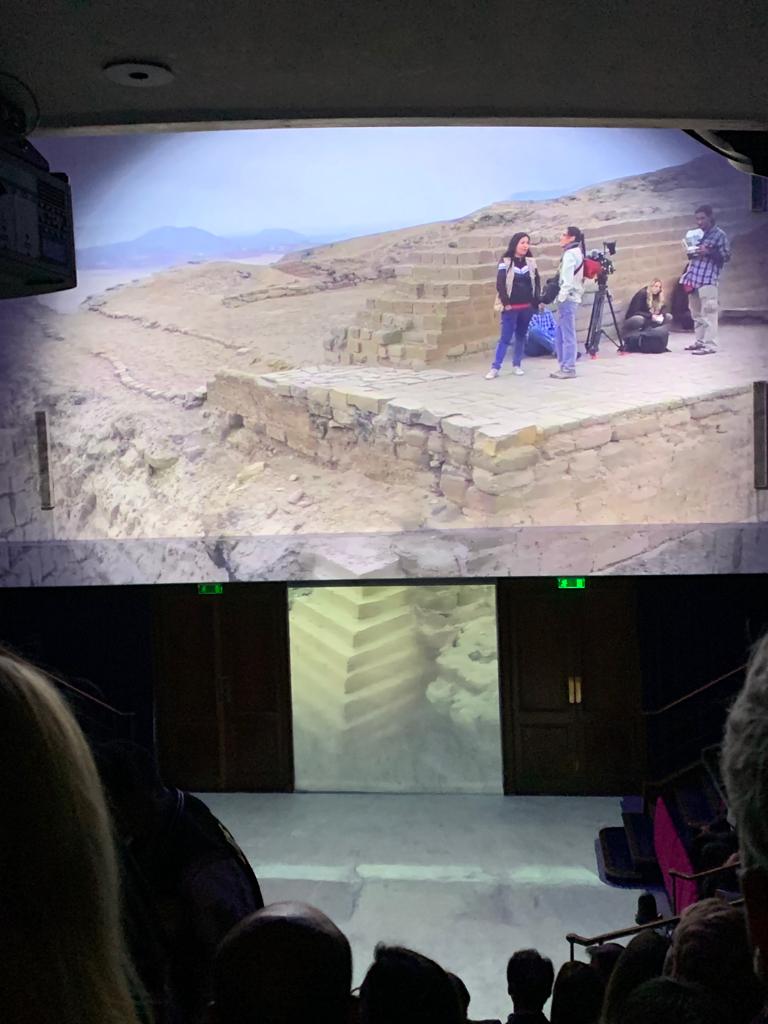
“The final part of the evening was a discussion and preview of the latest National Geographic show, Secrets of the Elephants, which was released on April 22. This section was presented by Paula Kahumbu, a conservationist who specialises in the protection of elephants, and Director and Cinematographer Toby Strong. During this segment they detailed their journey to capture elephants on film around the world.
Meeting the Legends
“After the presentations, everyone gathered to speak about projects, plans, and future research. It is rare opportunity for a postgraduate student to chat with Jill, the CEO of a major foundation, Claire McNulty, the executive director of National Geographic Europe and the Middle East, Toby, an award-winning filmmaker, and living legends such as Sylvia.
What’s Next?
“As I continue my MSc research, I am excited to bring these new perspectives from other disciplines into my own work. I feel fortunate that Cranfield University and National Geographic provide opportunities for me to engage with researchers from around the world. Getting to meet Sylvia, Giovanni, and Keneiloe, amongst many others conducting world-leading research was truly inspirational, and I came away from the festival understanding the explorer’s “spark”!”

Categories & Tags:
Leave a comment on this post:
You might also like…

Moving to the UK to study? How to plan for banking, exchange rates and transfers
Currency and banking are two of the most practical parts of financial planning for international students. They are also often the most overlooked. We asked Dr Lakshmy Subramanian, Course Director for Cranfield University's Banking, ...

Cranfield: an environment where innovation thrives
The latest Knowledge Exchange Framework rankings from UK Research and Innovation (UKRI) gives an insight into the real and meaningful impact that UK universities have. The seven categories that make up KEF6 cover everything ...
How Cranfield accelerated my career in Logistics and Supply Chain Management
After graduating from the MSc in Logistics and Supply Chain Management at Cranfield University, I've been reflecting on the experiences that made my journey so valuable and the impact it has had on my ...
Mendeley: a powerful tool to organise and manage your references
Are you looking for a way to manage your references, create in-text citations and reference lists for your assignments or thesis? If so, you may wish to consider using Mendeley. What is it? Mendeley is ...

Keen to develop your study skills?
Alongside the technical skills and academic knowledge that you will gain on your course, as a Cranfield student you have the opportunity to develop a range of other skills that can enhance your learning experience. ...

The V-conomy: powering the sixth wave of global economic growth
The world could be on the verge of a major surge in economic growth and development, driven by the convergence of AI and clean energy technology. Waiting to ride the K-wave The Russian ...
Comments are closed.