


Engineering Tomorrow. Part one: Can we power the future without costing the Earth?
23/11/2026

The world needs energy. To power homes, industries, transport and the technologies shaping our future. But as demand grows and the pressure to reduce emissions increases, how do we generate the energy we need without placing even greater demands on the planet?
Renewable energy is already changing how the world generates electricity. Wind, solar and other low-carbon technologies are becoming increasingly important, but the challenge is bigger than simply finding cleaner ways to generate power.
Energy needs to be available when and where it is needed. It needs to be affordable, reliable and accessible, including in places where traditional infrastructure is difficult to establish.
And this is where engineering gets interesting.
Taking renewable energy somewhere new
Solar panels and wind turbines are familiar sights, but what happens when there isn’t enough land available to accommodate them?
At Cranfield, researchers are exploring how renewable energy can work in different environments.
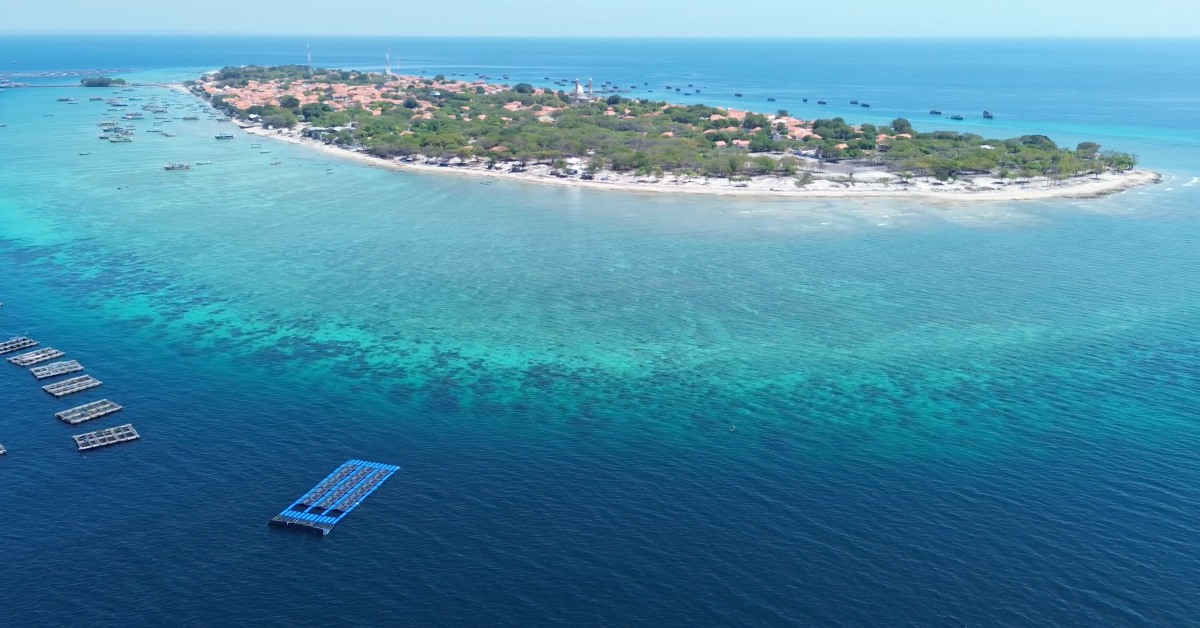
One example is Solar2Wave, an innovative project involving the development of floating solar technology off the coast of Gili Ketapang, an island in Indonesia that has traditionally depended on diesel generators for electricity.
Cranfield PhD researcher Chenhao Mi spent time on the island to see the floating solar platform he had helped design and develop deployed in the real world.
The system uses solar panels mounted on a floating structure offshore, with battery storage to make the electricity available when needed. It offers an alternative for communities where land is limited and a connection to the main electricity network is not available.
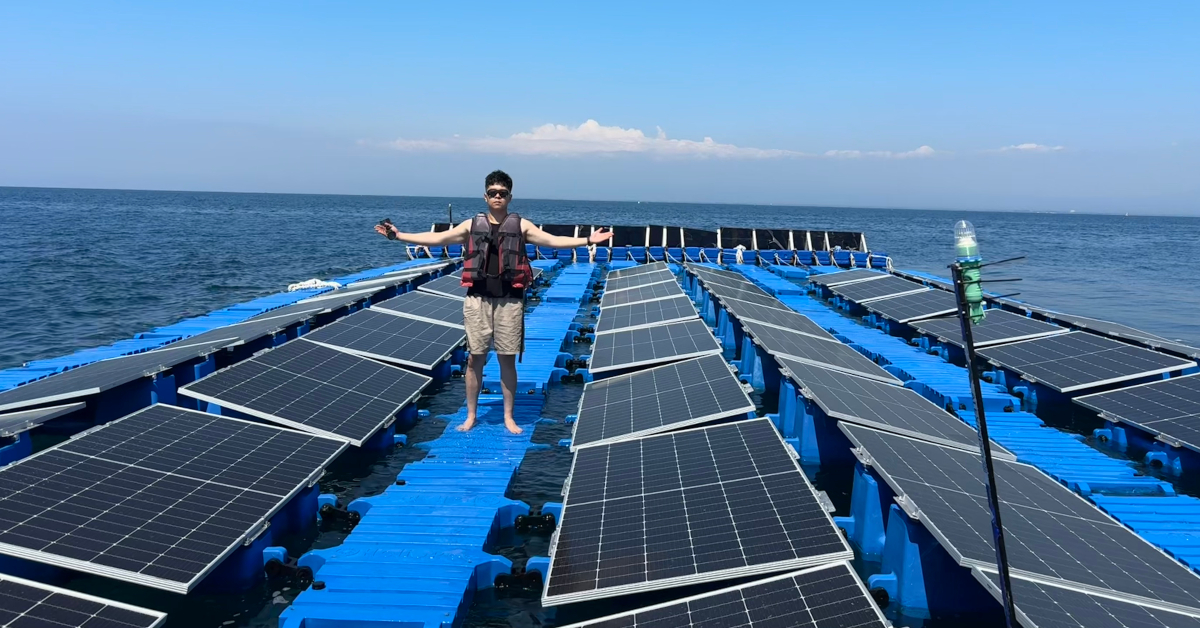
Reflecting on the experience, Chenhao said:
“What stayed with me most was the feeling that this project was not only about technology. It was about bringing something meaningful to a community and seeing why the work we are doing matters.”
It’s a reminder that renewable energy isn’t just about reducing emissions. It’s also about finding practical ways to provide reliable power to communities that need it.
Beyond wind and solar: what else could power the future?
Renewable electricity is essential, but researchers are also investigating less familiar fuels and technologies that could play a part in the energy transition.
Hydrogen, ammonia, biofuels and synthetic fuels are all receiving attention. They aren’t interchangeable, and some are better understood as ways of storing, transporting or using energy rather than generating it directly. Their environmental benefits also depend on how they are produced.
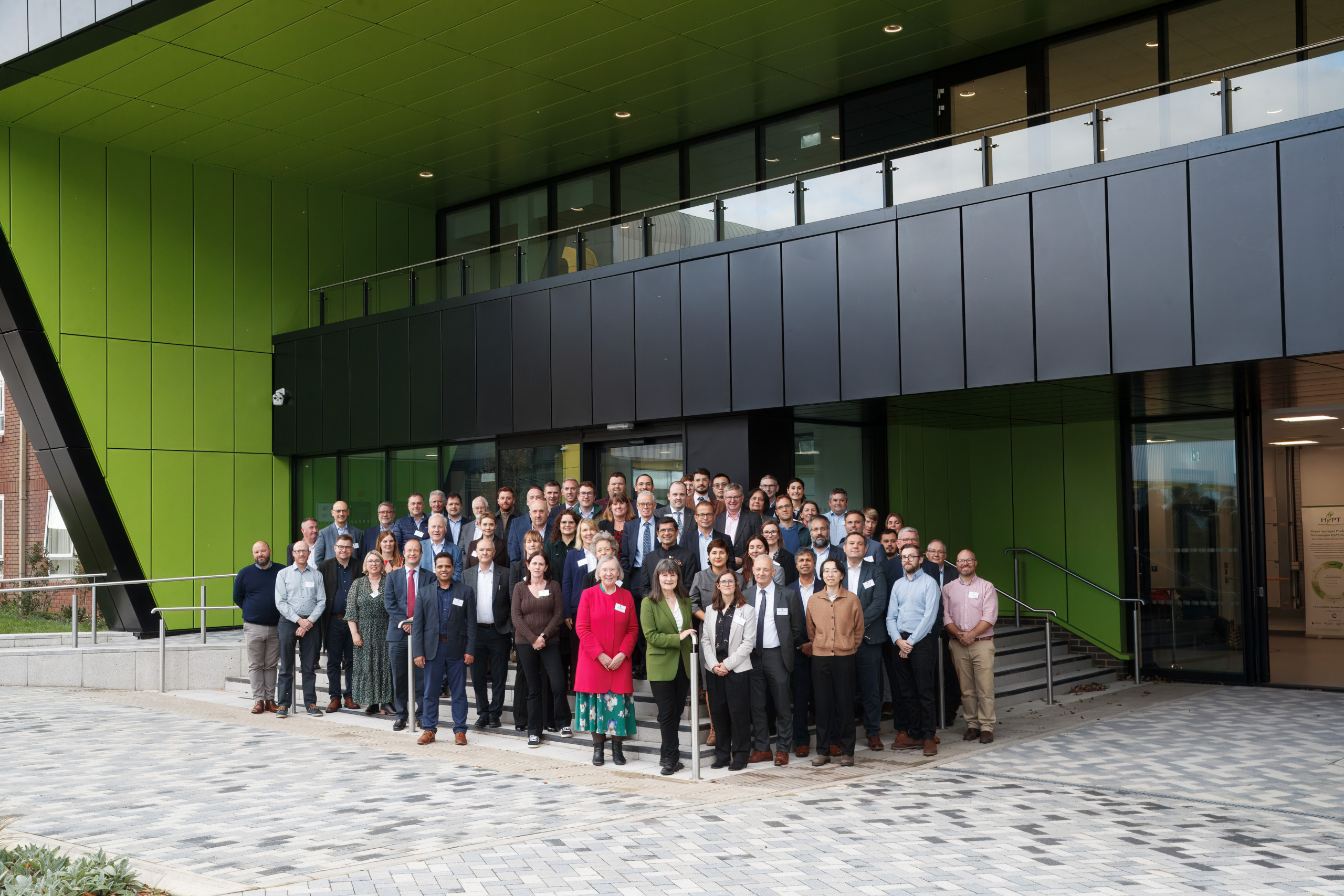
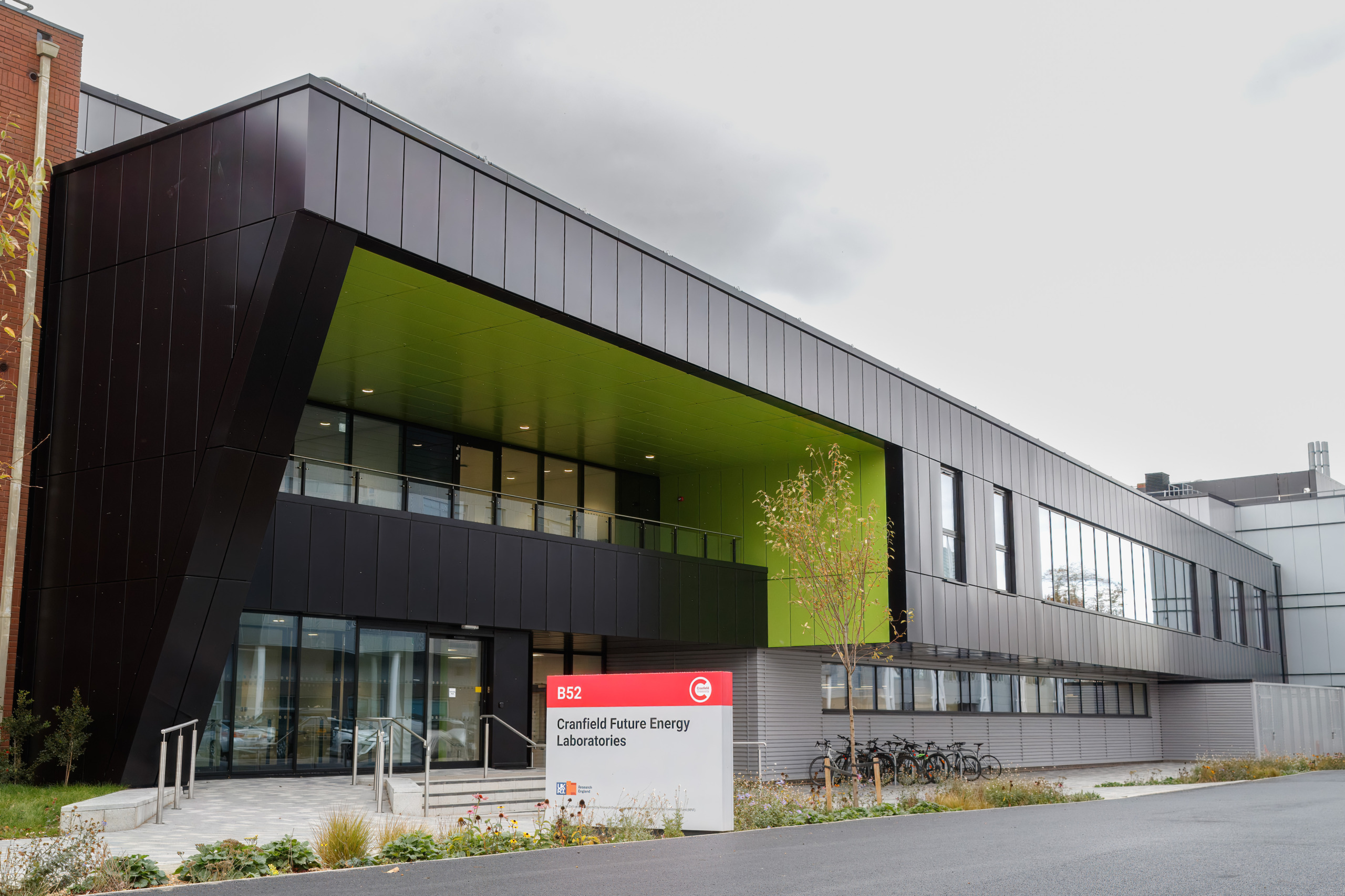
At Cranfield, the new Future Energy Laboratories are bringing researchers and industry partners together to investigate these possibilities.
One emerging area is ammonia production. Cranfield is working with Flemtec, a UK sustainable technology company, to explore decentralised ammonia production.
The idea is to produce ammonia closer to where it is needed, rather than relying entirely on large centralised production facilities and transporting it over long distances. This could help reduce reliance on complex supply chains and create opportunities for lower-carbon ammonia production.
Welcoming Flemtec as an industry partner in Cranfield’s Future Energy programme, Professor Phil Longhurst, Director of Automotive, Energy and Photonics at Cranfield, explained the company’s existing expertise:
“It’s a company built on a strong foundation of renewable energy and clean technology research. It has already developed a novel way to produce ammonia and has experience in green hydrogen production.”
The collaboration brings together Flemtec’s technology and Cranfield’s research expertise to explore how alternative energy solutions could be developed further.
The University is also developing research capabilities around alternative fuels, including opportunities to turn waste into hydrogen and synthetic fuels.
These approaches may not be as familiar as solar and wind power, but they could offer additional ways to reduce reliance on conventional fossil fuels.
Bringing energy closer to the people who need it
Another important question is not just how energy is generated, but who benefits from it and how it is supplied.
Cranfield is involved in INNO-TREC, a European project exploring community-led renewable energy systems.
In Barnsley, the UK demonstration is looking at how rooftop solar panels, battery storage and air-source heat pumps can work together in social housing, supported by new ways of managing and sharing energy.
Dr Pegah Mirzania, Academic Fellow in Local Energy Systems at Cranfield, explained:
“This is a really timely project which gives power back to local people when it comes to energy supply and pricing.”
The research explores how communities could have greater involvement in their own energy supply, potentially reducing costs, improving energy security and making better use of locally generated renewable electricity.
It demonstrates that the future of energy won’t be determined by technology alone. The way energy systems are designed, operated and made accessible will matter just as much.
Reducing energy demand across industry
Minimising energy use throughout industry is essential for reducing environmental impact and building a sustainable future. By reducing the energy demand of water and waste treatment processes, the sector can lower carbon emissions, improve sustainability, and contribute low-carbon energy to both the electricity network and gas grid.
At Cranfield University, researchers are helping the water sector reduce the energy required to produce safe drinking water and treat wastewater. Innovative solutions have been developed to recover energy from wastewater in the form of biogas, a mixture of methane and carbon dioxide, enabling wastewater treatment plants to move towards energy-neutral operation.
Cranfield is also exploring ways to generate energy from solid waste and sewage sludge. These approaches use biological processes that operate at ambient temperatures and pressures, alongside innovative thermochemical technologies that can sustain their own energy requirements.
This work is being supported through major industry collaborations, including Cranfield’s involvement in a £58 million Ofwat innovation programme.
So, can we power the future without costing the Earth?
There isn’t one perfect energy source that will solve the challenge.
The answer lies in bringing together renewable generation, smarter energy systems, improved storage and emerging technologies that can provide alternatives where conventional solutions fall short.
It also means continuing to question how energy is produced, where it comes from and what impact it has throughout its lifecycle.
At Cranfield, researchers are exploring these challenges from different angles, working with industry and developing technologies that could help turn ambitious ideas into practical solutions.
The question isn’t simply how to generate more energy. It’s how to meet the world’s growing needs while making better use of the resources we have.
And that’s just one of the big questions facing engineering.
Next in the Engineering Tomorrow series: Can we move around the world without emissions?
Interested in developing your engineering expertise to tackle tomorrow’s energy challenges? Explore Cranfield’s Renewable Energy and Advanced Mechanical Engineering MSc’s.


Categories & Tags:
Leave a comment on this post:
You might also like…
Engineering Tomorrow. Part one: Can we power the future without costing the Earth?
The world needs energy. To power homes, industries, transport and the technologies shaping our future. But as demand grows and the pressure to reduce emissions increases, how do we generate the energy we need ...

Brazil to Cambridge: How Cranfield helped me build a career in data analytics
I was hungry for something bigger. Before Cranfield, I was living in São Paulo, Brazil, working as a Data and Market Intelligence Analyst in the trading division of Raízen. My background is actually ...
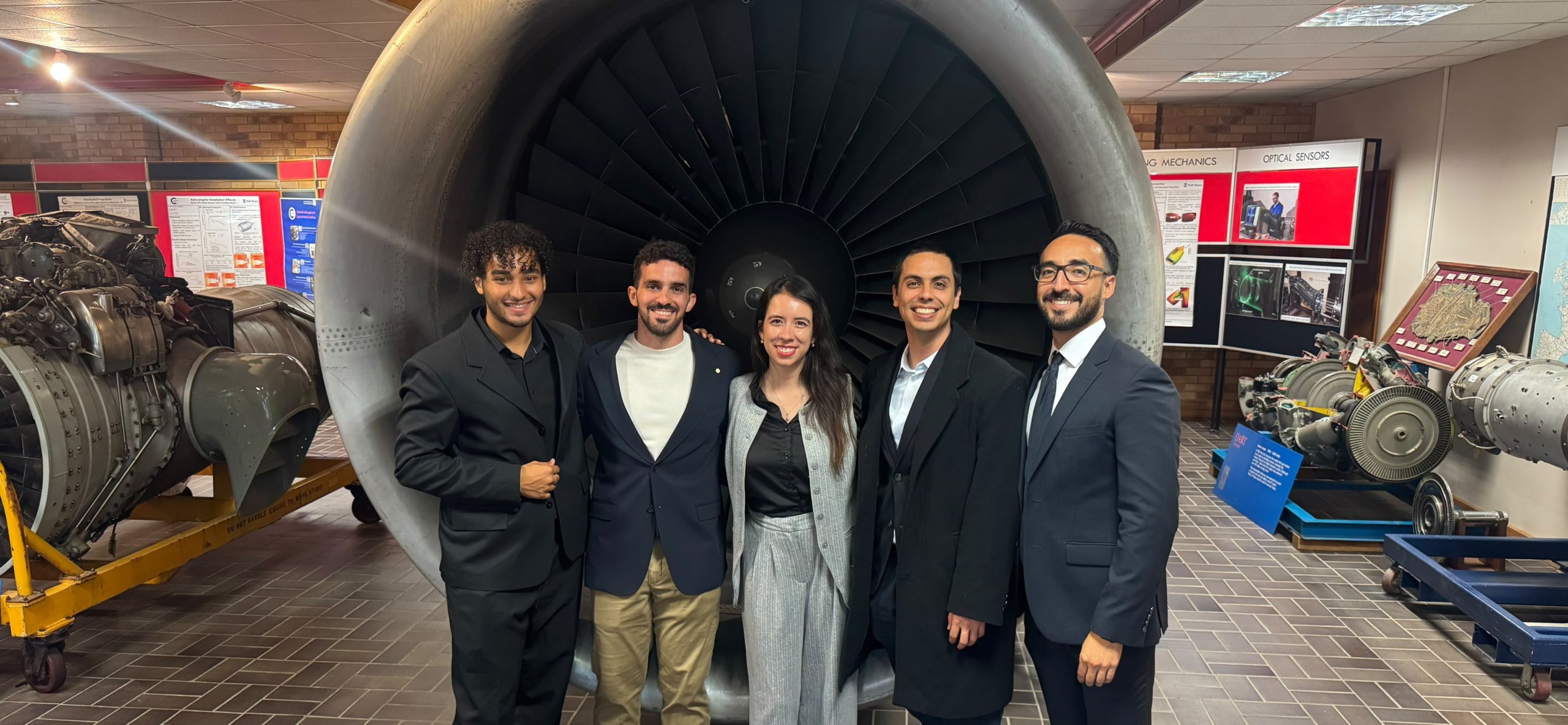
Reigniting my passion for aerospace engineering
Astrid thought she had left aerospace behind. Instead, it led her back to the passion that first sparked her interest in engineering, proving that sometimes the right career path isn't the most direct one. ...
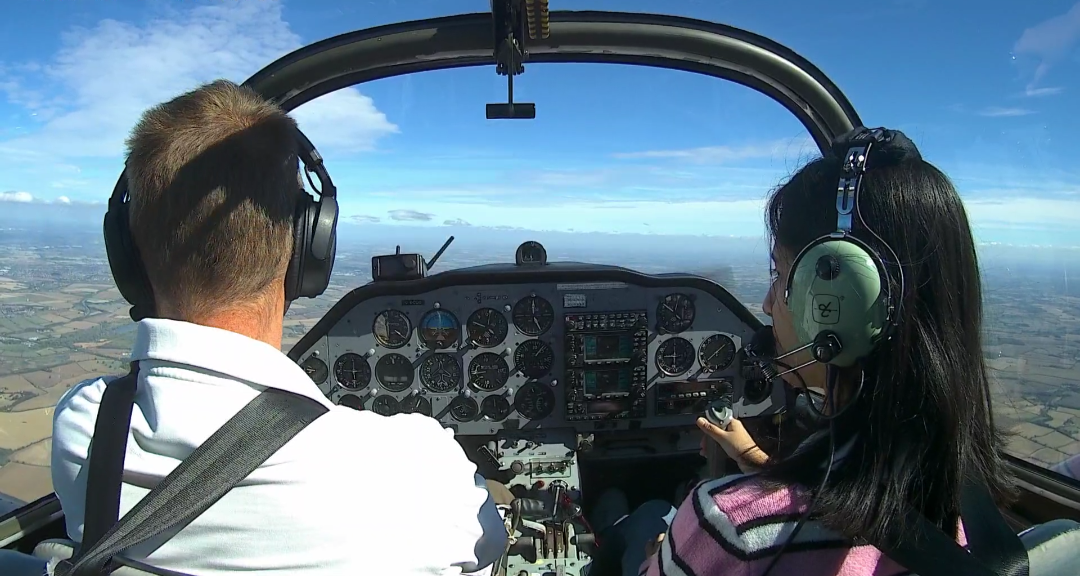
My aerospace vehicle design journey at Cranfield
In 2007, I watched the Airbus A380 land in Delhi for the very first time. I was just a kid in India, and it was the biggest passenger plane in the world. I asked ...
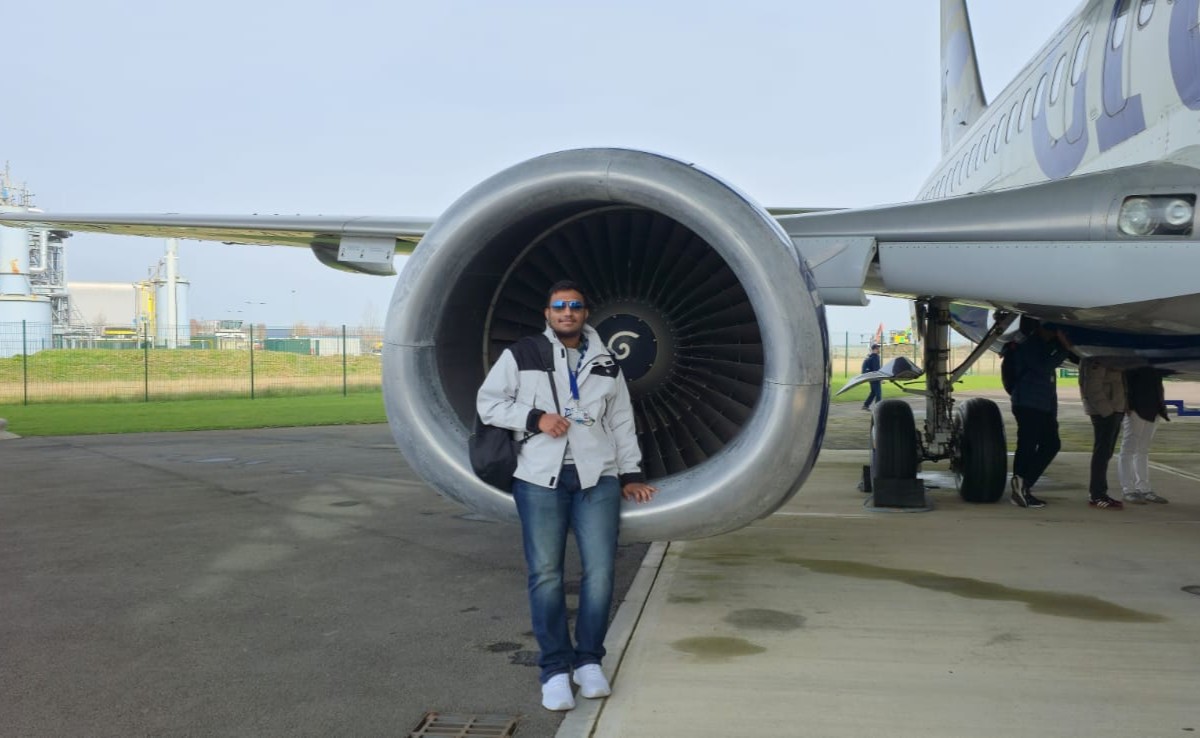
Solving aerospace challenges at Cranfield University
Solving real world challenges has always been my goal and with the knowledge that I could gain at Cranfield during my master’s, it was not a decision that required a second thought. The interactive ...
Shaping the future of aviation with aerospace vehicle design at Cranfield
When I was three years old, I went on my first plane ride together with my dad; this was on a Boeing 777-200ER and made me very curious about how it all worked. So, ...