


From Design Thinking to Dyson…
14/11/2023

I undertook the MDes Design Thinking course to prepare me for the dynamic and challenging environment by having the tools, techniques and strategies in place when working in industry. Receiving the Brian Meredith Scholarship has enabled to me to realise how resourceful I can with be and to have more confidence in my understanding.
Making friends on the course has been one of the highlights for me, as I have learnt so much and been challenged in the way that perceived the design and aspects of life. In terms of the course content, I believe the group project as I feel I really started to understand how much collaboration can achieve and how to navigate group dynamics and make compromises. Also, thesis project as I was able to achieve things such as contacting a lot of leading authorities on my topic area, which helped me realised how to persevere and be resilient to achieve my aims.
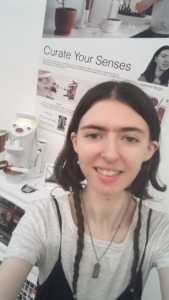
I am now working as a Graduate Design Engineer at Dyson, currently on my first rotation in NPI (New Product Innovation) Floorcare. Before starting at Cranfield University, I showcased my undergraduate final project at New Designers 2022 where I spoke with Dyson who were interested in the skills I had developed on my undergraduate course and in my final year project, from which I was asked to do an interview and able to be selected the role.
Having worked at Dyson for over a month, I have learnt a lot and have been challenged not only on my knowledge and technical skills as a designer, but also on my self-awareness. For which I have found the self-reflection undertaken has helped to continue to develop myself. Looking forward, I am excited to self-development as part of the graduate programme modules, meeting new people, having new experiences, making mistakes, and learning from them to be able to show what I am capable of.


Categories & Tags:
Leave a comment on this post:
You might also like…

Engineering Tomorrow. Part two: Can we move around the world without emissions?
Moving people and goods around the world is essential to modern life. But every journey has an environmental cost, and reducing the emissions associated with transport is one of the major engineering challenges of ...
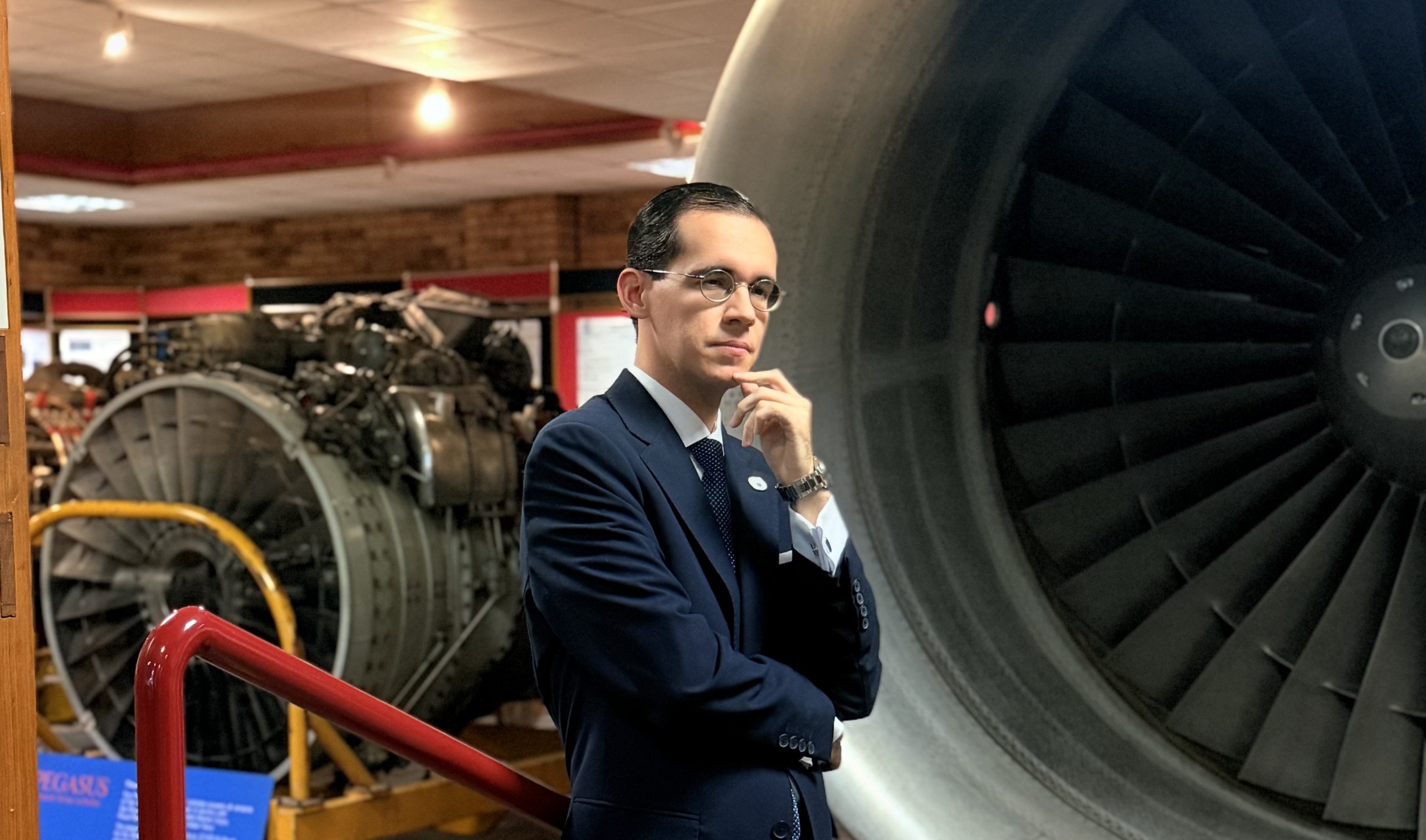
Following in the footsteps of aerospace pioneers
I came to Cranfield to understand how aircraft stay in the sky. Months later, I was measuring the performance of aircraft engines in flight aboard the National Flying Laboratory Centre's Saab 340B. My ...
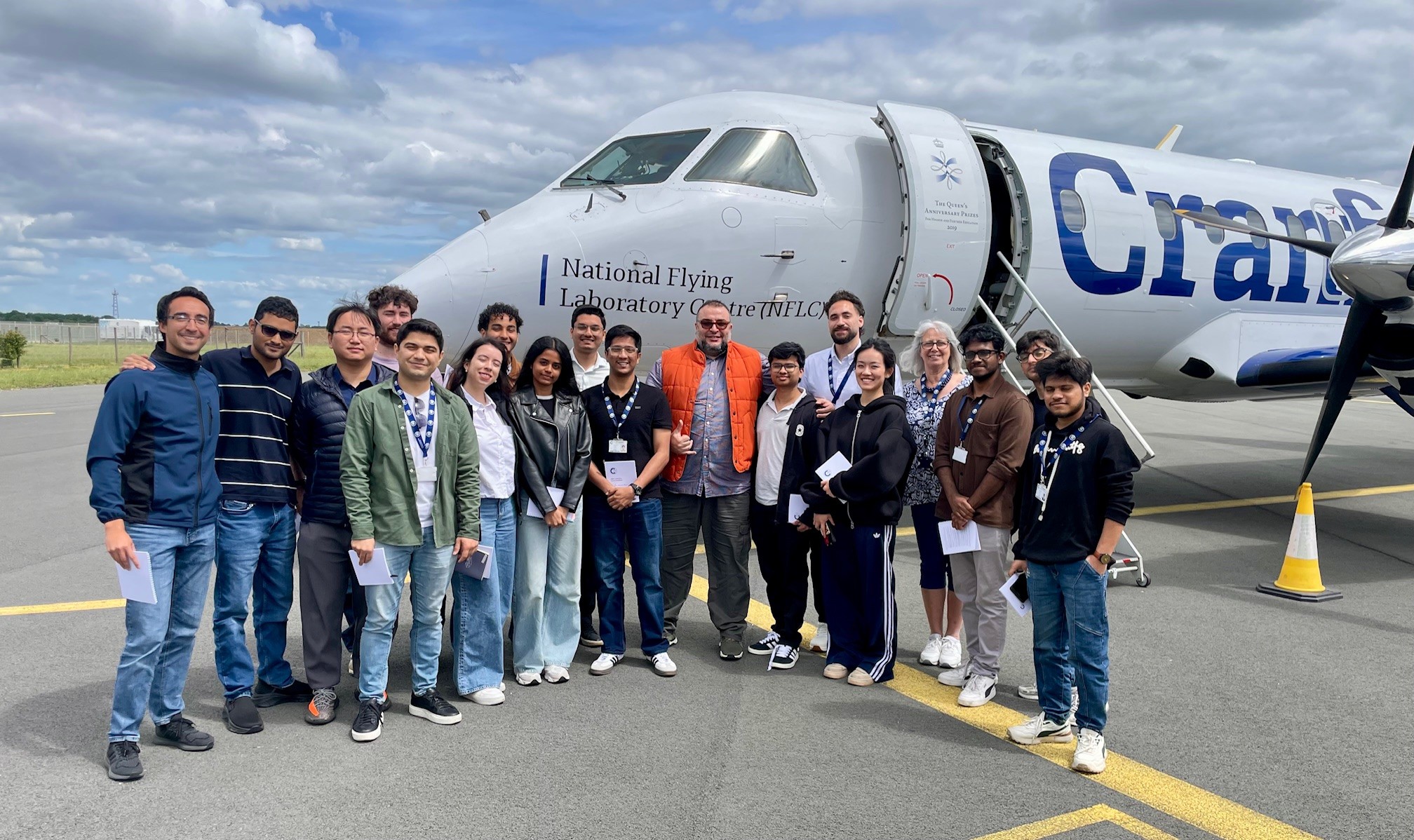
From looking up at jet engines to powering the future of flight
From flying aboard Cranfield's Saab 340B flying classroom to rebuilding a gas turbine component by component, Jouni Kailouh's journey shows how specialist, hands-on experience can turn a fascination with propulsion into a future career ...
Engineering Tomorrow. Part one: Can we power the future without costing the Earth?
The world needs energy. To power homes, industries, transport and the technologies shaping our future. But as demand grows and the pressure to reduce emissions increases, how do we generate the energy we need ...
Looking ahead: Building foresight skills for a more sustainable future
As sustainability challenges become more complex and uncertain, organisations need people who can look beyond today's pressures and think strategically about the future. From changing regulations and emerging technologies to supply chain disruption and ...
Brazil to Cambridge: How Cranfield helped me build a career in data analytics
I was hungry for something bigger. Before Cranfield, I was living in São Paulo, Brazil, working as a Data and Market Intelligence Analyst in the trading division of Raízen. My background is actually ...
Comments are closed.