


The future of operational performance management
09/01/2017

It always fascinates me on my travels that almost every organisation I come across, be it public or private sector, seems to think that their way of reporting operational (as opposed to financial) performance is peculiar only to them, involves measures that were designed by committee, and requires the use of the latest and greatest in “info-matics” as if there is a competition to cram as many different colours of the spectrum and different types of charts as possible onto one page! Why?
Alongside this, there seems to be some sort of reporting timeline “straitjacket” that dictates that this operational reporting be delivered on a monthly basis. Why?
It may be worth exploring the comparison between operational performance management and financial performance management. So this is a starter for 10!
Financial performance management has been around in more or less its current form since Venetian times – say 500 years. So it’s had some time to evolve and mature a standard way of reporting! And with that, we would be very surprised if a financial performance report did not start with something like a P/L review. A P/L review would contain some well-defined and well-understood measures like revenue, cost and profit (crudely speaking). So we don’t see people getting ridiculously creative in presenting exotic ratios or complex combinations of measures, or visualisation of P/L every which way there is in graphical form.
If we’re being generous, let’s say operational performance measurement has been around since the 1970s – some 50 years or so. So in comparison to financial performance reporting, it’s still very early doors! Suppose we transport ourselves another 20 – 50 years (assume we’re able to move faster than during the last millennium) into the future – can we predict what a standard way of reporting operational performance might look like?
Would it contain just a standard set of measures?
Would it be presented in a standard way?
Would it be presented on a monthly basis?
See our next blog for the answers to these questions.

Categories & Tags:
Leave a comment on this post:
You might also like…
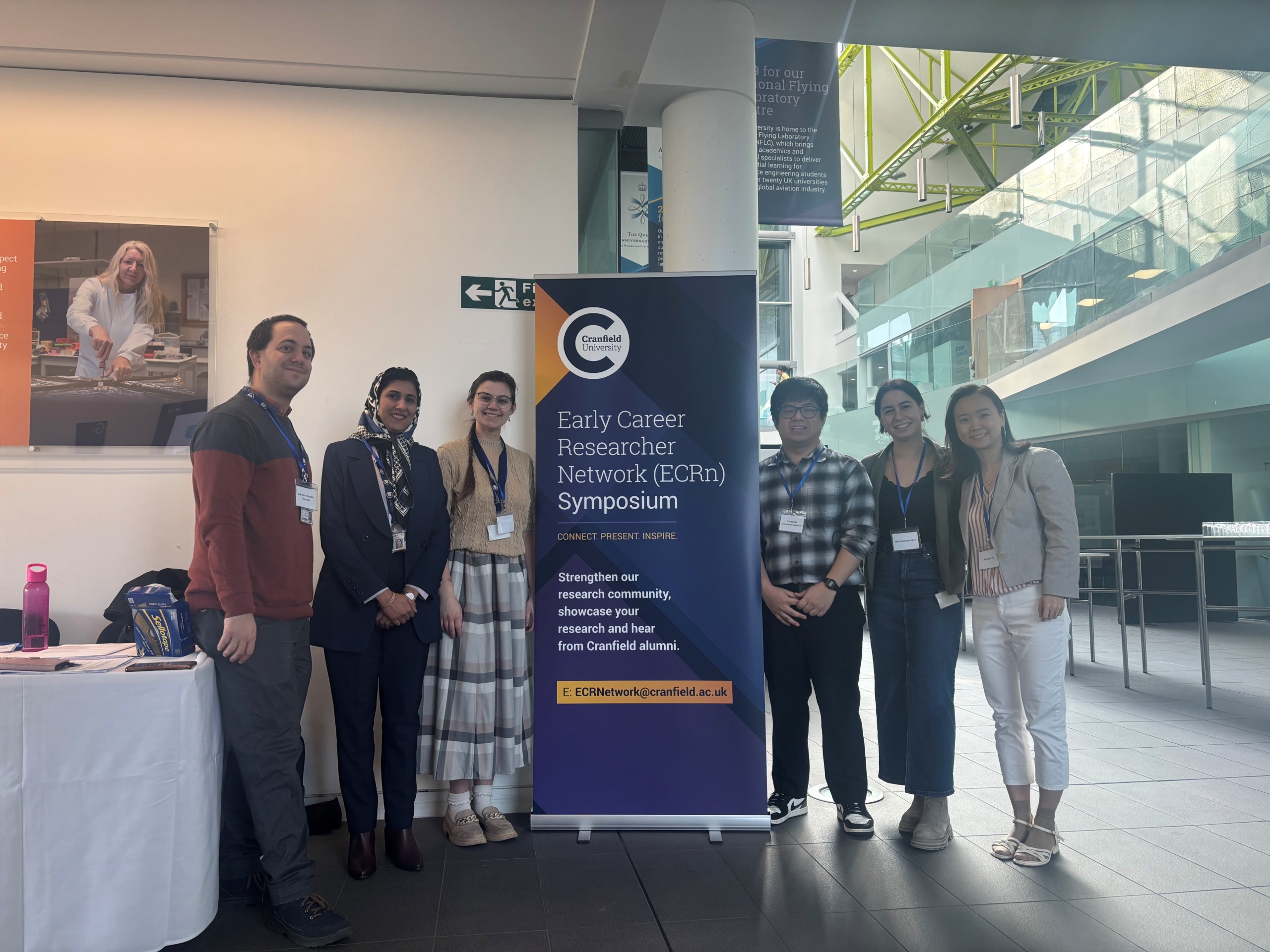
Building more than research: Reflections from the ECRn Symposium 2026
There’s something quietly powerful about a room full of early career researchers. Not just the ideas, although there were plenty of those—but the conversations, the curiosity, and the sense that everyone is figuring things ...

Library services over Easter, 3-6 April
Kings Norton Library will remain open for study 24/7. You will need your University ID card to enter the building and can use the self-service machines to borrow and return items as usual. Barrington Library ...

How do I access the full-text of Harvard Business Review (HBR)?
This is a frequently asked question, and it's worth knowing how to access this key management journal. So, how do you access HBR in full-text? The short answer is via our eJournals finder. You can find ...

Engineering problem to solve? Let Knovel help you find a solution
Did you know that Knovel provides you with more than just eBooks? Knovel is a key database for many engineering, mechanical and materials courses here at Cranfield University, and contains content from an extensive range ...

What happens when female scholars meet influential leaders?
On the 5 March 2026, our British Council Women in STEM Scholars had the privilege of sitting down with two excellent role models of industry and academia: Professor Dame Karen Holford, ...
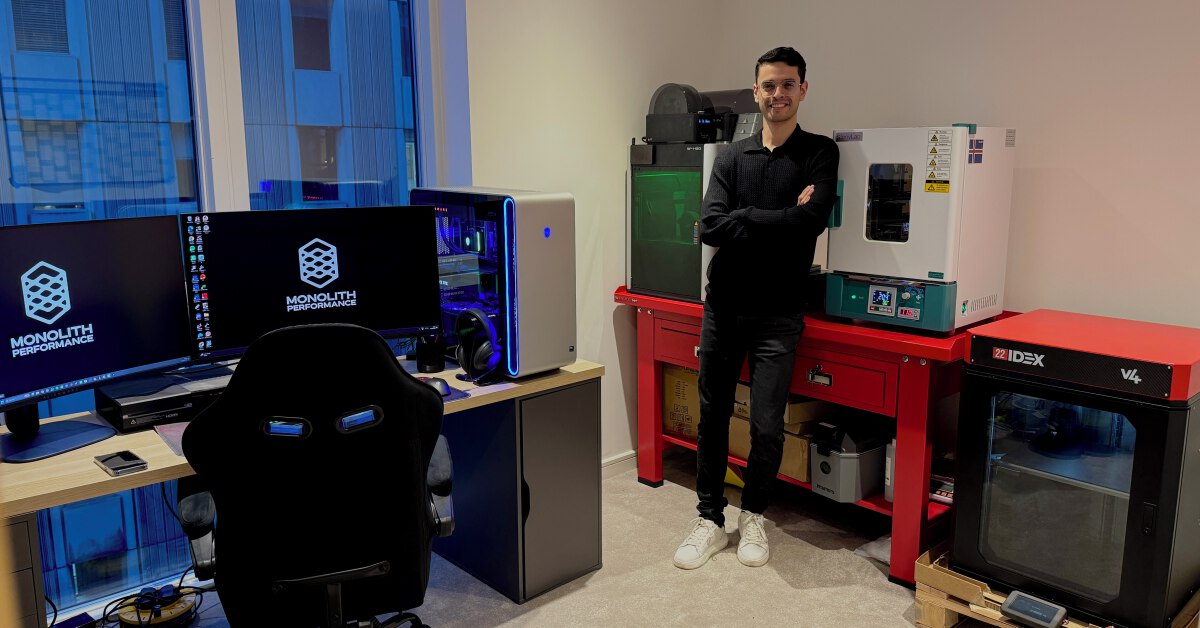
From MSc to CEO: Igniting a research revolution
For many, a master’s degree is achieving a big milestone. Kilyan Ocampo, Computational Fluid Dynamics alumni shares how studying at Cranfield helped launch his career in the energy sector. Today, Kilyan ...