


Stop Reorganising – Start Performing
10/06/2015

HSBC’s announcement about shedding jobs yesterday made me start to think again about why companies don’t perform (although it now looks as if HSBC wants to exit from UK and European regulation).
What is reorganisation all about? It is about new lines of reporting, it is about new responsibilities and new job roles. Often it is also about reducing headcount and costs too. It is a time of uncertainty for people inside, so good people leave the organisation and the talent pool gets depleted.
But what happens to customer service in all this? Who is still thinking and looking after the customer if people are all internally focused and worried about protecting their positions and jobs? And who is thinking about possible new opportunities and growth? The answer is that this activity gets forgotten and so reorganisations are rarely as successful as one would like.
When you focus internally, you stop looking externally, and that is when an organisation or business is at its most vulnerable. So if all your organisation can do is reorganise, then it is truly time to worry!
Performance actually comes from your processes, which is a much better way of thinking about the organisation: starting from the customers’ perspective and then truly aligning activity to deliver. If you do that and mean it, the reporting structure becomes just an administrative framework. I remember helping Schering Health Care in the UK redesign their performance measurement systems ten years ago and being faced with a Head Office designed reorganisation when we were just through the process. However, in this case we had done the design using a “process up” rather than a “top down” approach. The result was that the reorganisation had absolutely no impact on our goals and measures.
So stop throwing your money away and start focusing on what really matters.
Mike Bourne

Categories & Tags:
Leave a comment on this post:
You might also like…
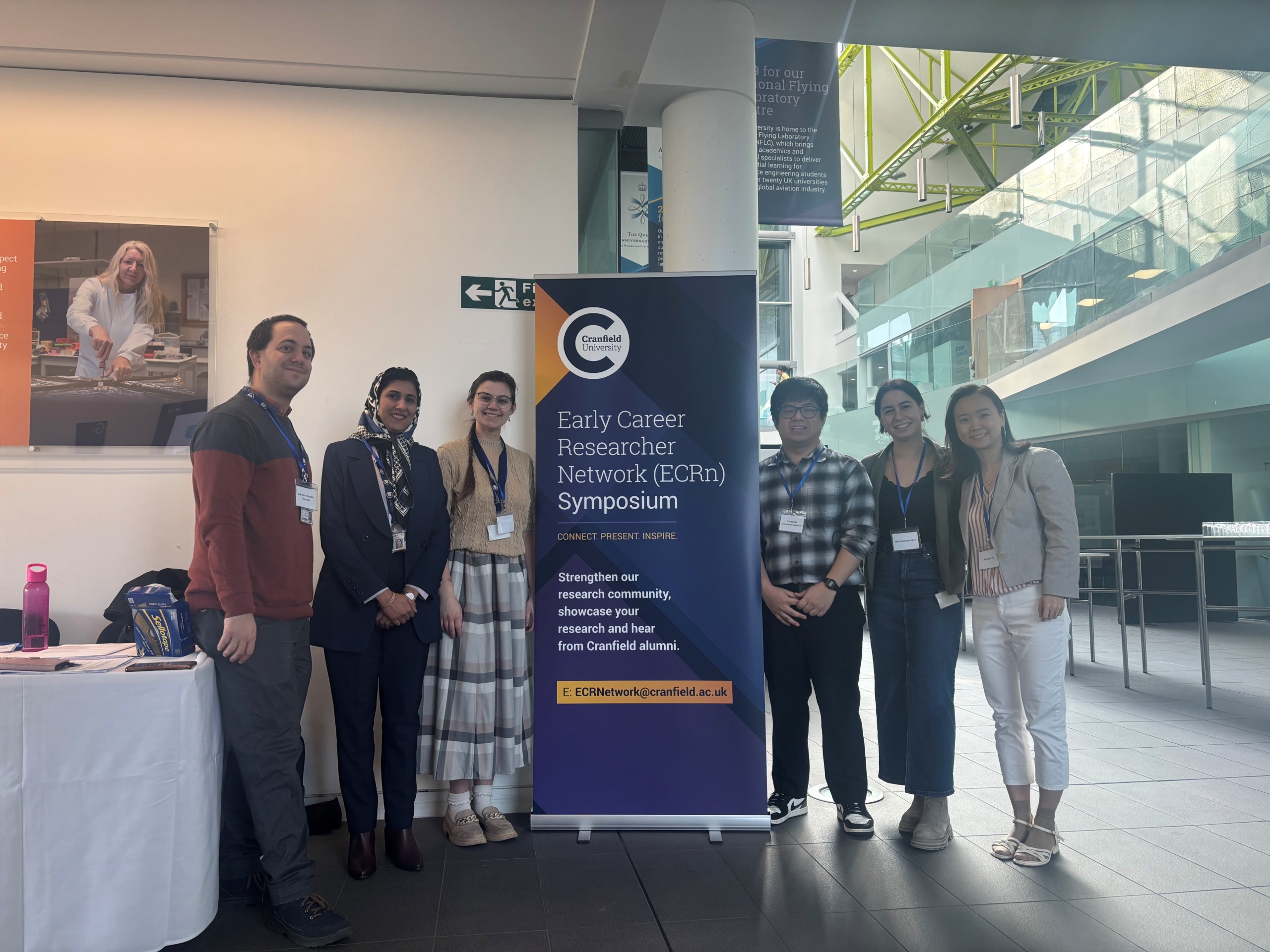
Building more than research: Reflections from the ECRn Symposium 2026
There’s something quietly powerful about a room full of early career researchers. Not just the ideas, although there were plenty of those—but the conversations, the curiosity, and the sense that everyone is figuring things ...

Library services over Easter, 3-6 April
Kings Norton Library will remain open for study 24/7. You will need your University ID card to enter the building and can use the self-service machines to borrow and return items as usual. Barrington Library ...

How do I access the full-text of Harvard Business Review (HBR)?
This is a frequently asked question, and it's worth knowing how to access this key management journal. So, how do you access HBR in full-text? The short answer is via our eJournals finder. You can find ...

Engineering problem to solve? Let Knovel help you find a solution
Did you know that Knovel provides you with more than just eBooks? Knovel is a key database for many engineering, mechanical and materials courses here at Cranfield University, and contains content from an extensive range ...

What happens when female scholars meet influential leaders?
On the 5 March 2026, our British Council Women in STEM Scholars had the privilege of sitting down with two excellent role models of industry and academia: Professor Dame Karen Holford, ...
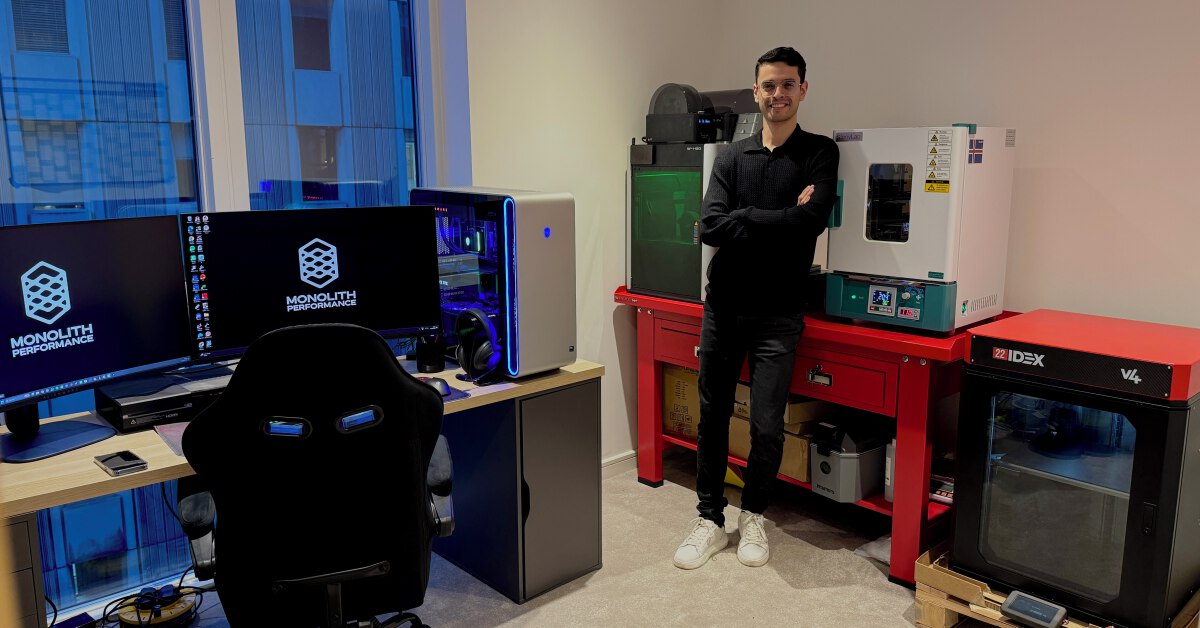
From MSc to CEO: Igniting a research revolution
For many, a master’s degree is achieving a big milestone. Kilyan Ocampo, Computational Fluid Dynamics alumni shares how studying at Cranfield helped launch his career in the energy sector. Today, Kilyan ...
Yes, Mike, it’s incredible how in the CEO’s handbook, the chapter on non-performance seems to point to re-org rather than make the business process perform!
Thanks David, Is it a matter of being seen to be doing something and a reorganisation just gets everyones’ attention, even if it isn’t in the right way? Or are reorganisations so much easier to do than really focus the organisation on what it should be doing? Probably a bit of both.