

Cranfield-Colworth Innovation Challenge: Greenwave’s Journey
08/04/2024
With this year’s theme of the Cranfield-Colworth Innovation Challenge focused on “Innovation to tackle climate change, reduce waste, and support the transition to net zero”, students were challenged with the task of developing a coordinated model for handling liquid waste on-site, while extracting value wherever feasible. At the core of this challenge was the urgent need to enhance the environmental impact of waste disposal to meet net zero goals and sustainability targets of the Colworth Science Park.
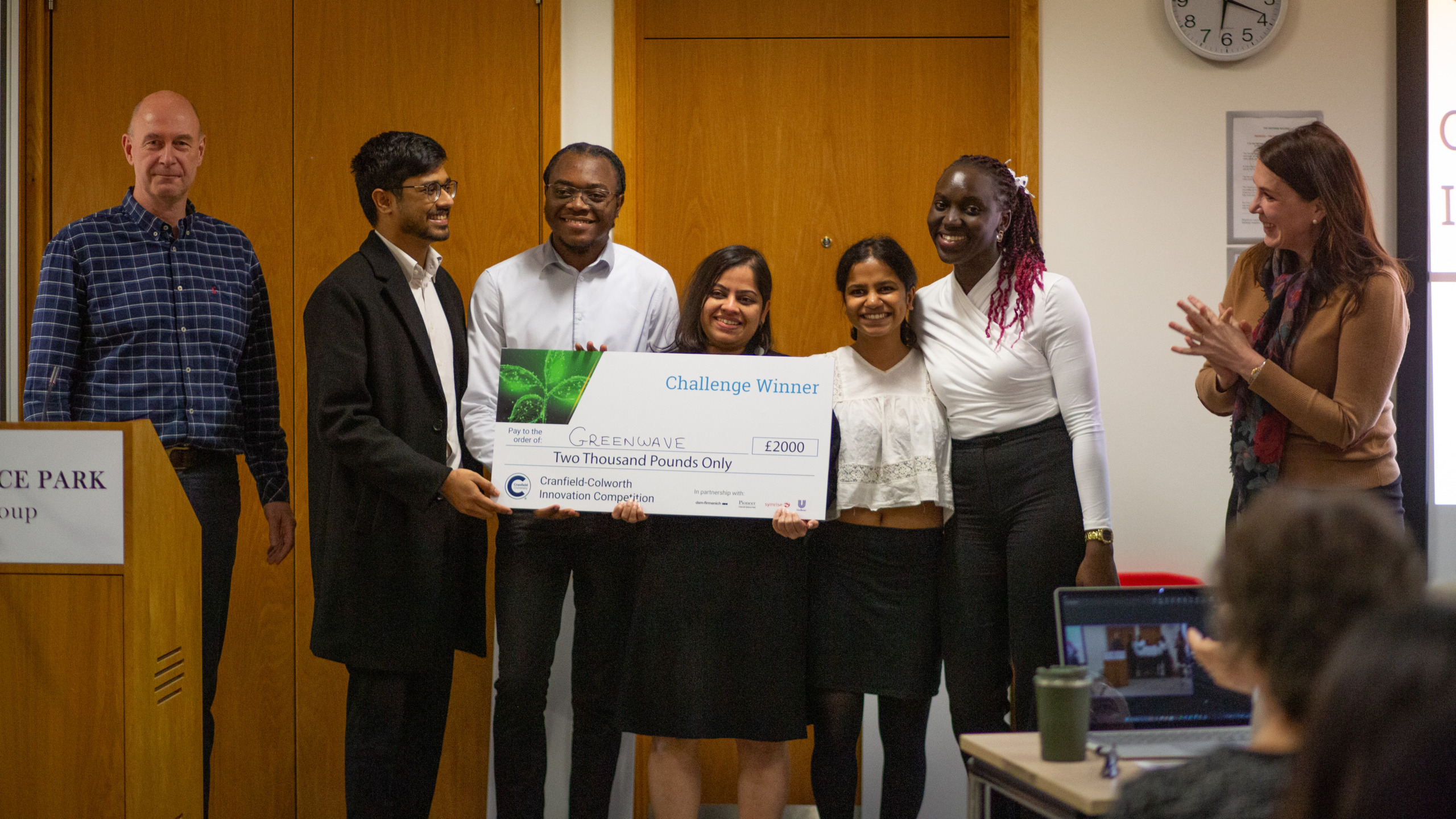
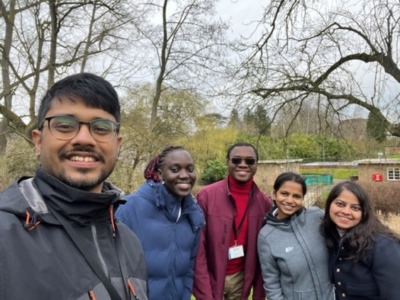
One of the winning teams – Greenwave with MSc students; Antony Reuben (Water & Wastewater Engineering MSc), Francis Sankah (Water & Wastewater Engineering MSc), Sheilla Apio (Advanced Water Engineering MSc), Bhagyashree Chunekar (Management & Corporate Sustainability MSc), and Sirisha Venkatesh (Management & Corporate Sustainability MSc) share their journey through the competition that led them to victory.
Together, we brought a range of expertise in wastewater engineering, business management, and sustainability. Our collaborative efforts were instrumental in addressing the multifaceted challenge. The liquid waste management infrastructure at Colworth Park was obsolete, with the wastewater treatment plant approaching 60 years of operation. Inefficient wastewater treatment resulted in eutrophication in the brook, impacting the integrity of the environment. Moreover, the wastewater treatment process and sludge handling did not generate revenue onsite.
The process: collaboration and innovation
The competitive process proved to be quite challenging, as teams of participants were tasked with submitting proposals, progressing through a shortlisting phase, and ultimately developing pitch solutions for the final stage. Throughout the subsequent months, we actively participated in numerous brainstorming sessions, carefully evaluating diverse perspectives and solutions, to ensure that everyone contributed to the decision-making process.
Here are some key strategies and insights from our experience:
Cross-collaboration and continuous learning
We embraced the opportunity to learn from each other’s diverse expertise, enriching our skill sets while strengthening team cohesion.
Understanding stakeholder needs
Through diligent research and engagement with stakeholders, we obtained invaluable insights into their priorities and concerns. This enabled us to tailor our solutions to meet their specific needs and expectations.
Scenario planning
By adopting optimistic, pessimistic, and actual scenario planning, we could anticipate potential challenges and devise robust strategies to mitigate risks effectively.
Asking the right questions
Our commitment to posing thoughtful questions during mentoring sessions, training days and the site visit showcased our depth of understanding and signalled our readiness to explore innovative solutions to the current challenges.
The final presentation and victory
Presenting our solutions to industry experts and Cranfield academics was both nerve-wracking and exhilarating. Approaching the final presentation with confidence, we presented a well-researched and meticulously crafted proposal.
“Being declared the winners of the challenge filled us with immense pride and satisfaction. While we believed in the strength of our solutions, winning exceeded our expectations, affirming our hard work and dedication.”
During the networking event that followed, we engaged with the judges, challenge owners, and other professionals, deepening our understanding of the industry landscape. We express particular gratitude to Cranfield University and professors whose guidance proved invaluable throughout our journey.
“Post-competition, we have maintained connections with industry partners, receiving valuable feedback and guidance for our future career paths. This experience has enhanced our academic pursuits, offering invaluable insights into practical application of our skills and knowledge.”
Overall reflections
As we reflect on our experience in the Cranfield-Colworth Innovation Challenge, we are filled with immense gratitude for the opportunities it has provided and the insights it has imparted. Armed with newfound confidence and expertise, we are eager to embark on future challenges, confident in our ability to drive positive change and innovation in the field of sustainability.
Now in its sixth year, the Cranfield-Colworth Innovation Challenge is an intensive and rewarding programme that invites participants to develop solutions to real-life challenges – this year, set by innovation-focused multinationals Unilever, dsm-firmenich and Symrise, together with Pioneer Group, owners of Colworth Science Park.
Students were invited to form multi-disciplinary teams with both technical and entrepreneurial skills to develop and present their solutions to one of three challenges. The winning team from each challenge were awarded a prize of £2,000, with Cranfield providing an additional prize of £1,500 for one team who showed outstanding performance on the day.

Categories & Tags:
Leave a comment on this post:
You might also like…
The V-conomy: powering the sixth wave of global economic growth
The world could be on the verge of a major surge in economic growth and development, driven by the convergence of AI and clean energy technology. Waiting to ride the K-wave The Russian ...

Get a head start on referencing and plagiarism
We offer a module on Referencing And Avoiding Plagiarism which you can find on your Canvas dashboard. It explains the role and importance of citing references and how to incorporate the work of other authors ...
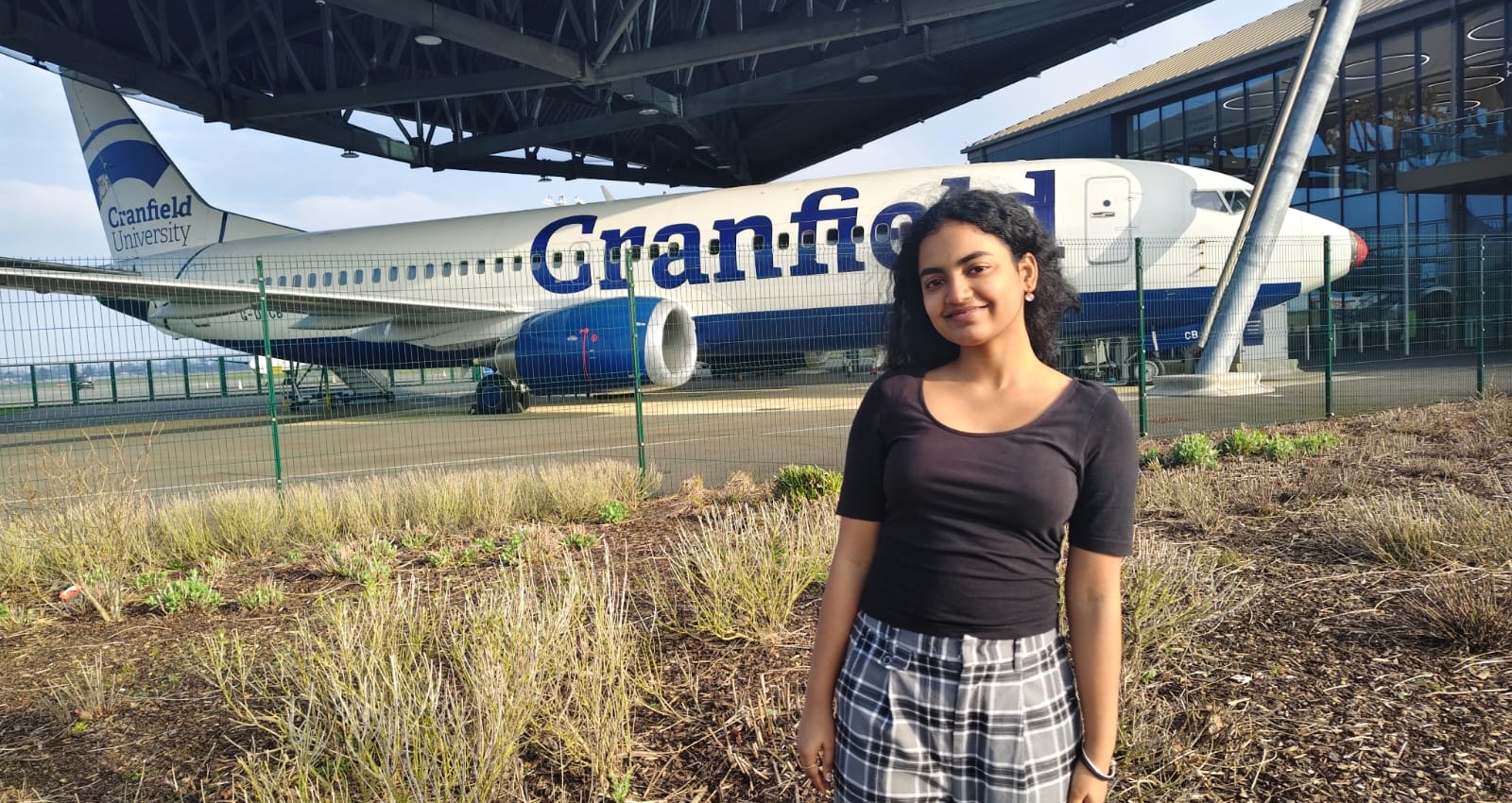
How Cranfield shaped my journey as an Aerospace Engineer
If I'm being specific about the moment it clicked, it was reading a paper called "On the Role and Challenges of Computational Fluid Dynamics (CFD) in the Aerospace Industry" by two Boeing engineers, P. ...
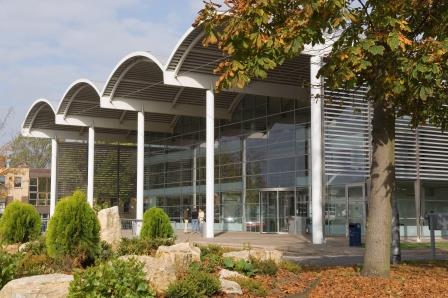
Introducing Kings Norton Library
Welcome to all our new students! We are looking forward to meeting you soon. You will find Kings Norton Library in the centre of the Cranfield campus, and it is open 24/7 to all staff ...

Setting your research on the right course: Four questions every researcher should ask
Whether you are just beginning your doctoral journey or are already well into your research career, successful research rarely happens by accident. Like any successful mission, it depends on good planning, informed decisions, and getting ...

5 budgeting mistakes students make (and how to avoid them)
Good financial planning isn't about how much money you have. It's about the habits you build. We asked Dr Lakshmy Subramanian, Course Director for the Banking, Economics and Finance MSc, about the budgeting mistakes ...