

Cranfield University: A Launchpad for Aerospace Dreams
07/06/2024
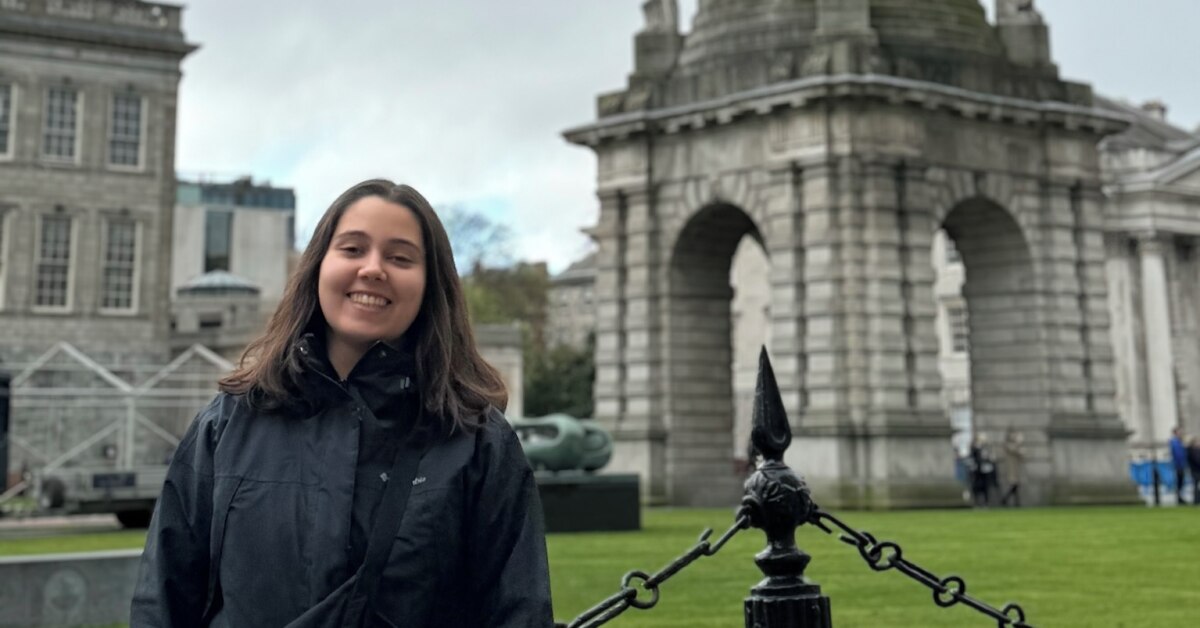
Olga Catalan Aragall, an MSc Aerospace Computational Engineering student from Spain, shares her experience at Cranfield University.
Olga began her MSc studies at Cranfield in September 2023, drawn to the university’s reputation in aerospace. With a background in aerospace engineering from her bachelor’s degree, she chose Cranfield for the opportunity to specialise in the aerospace sector. An added benefit was the university’s collaboration with Universitat Politècnica de Catalunya, allowing Olga to pursue a rewarding double master’s degree via the European Partnership Programme (EPP).
Highlights of the course: beyond lectures
While Olga found the lectures engaging, Cranfield’s true strength for her was the professors’ dedication. Their support extended far beyond class time, constantly encouraging students’ development and exploration of ideas.
A standout experience for Olga was flying in the unique National Flying Laboratory Centre (NFLC) flying classroom, a Saab 340B. This unforgettable opportunity allowed her to experiment with flight dynamics while collecting data and gaining practical knowledge.
“I really enjoyed the lectures, but the involvement and support from the professors goes beyond the lecture time. You are constantly encouraged to improve and develop your ideas.”

A day in the life of a Cranfield student
Olga’s typical day involved library research, followed by socialising with friends or pursuing hobbies like reading, crocheting, and walking. Weekly meetings with her Individual Research Project (IRP) supervisor ensured steady progress.
During the semester, Olga balanced lectures, assignments, and a healthy social life. She emphasises the importance of organisation and using free time for relaxation and hobbies. The welcoming atmosphere at Cranfield made it easy to connect with fellow students.
An exceptional UK study experience
Olga describes her time at Cranfield as exceptional. The technological environment on campus truly impressed her, with glimpses of real-world aerospace technology readily available. She also appreciated the course’s assessment style, relying on assignments instead of exams. This approach provided ample time for simulations and software exploration, aligning perfectly with the programme’s focus.
Future aspirations: soaring high in aerospace
Following graduation, Olga seeks an opportunity in the aerospace industry. While her time at Cranfield has fostered a desire to work abroad, she remains open to all possibilities. She highlights the university’s Careers and Employability Service, which provides valuable resources like interview training and documentation. Olga personally used their services to prepare for interviews and found their face-to-face guidance exceptionally helpful.
Advice for aspiring aerospace engineers
For those interested in the field, Olga stresses perseverance and positivity, especially when simulations yield unexpected results. Collaboration and mutual support among classmates are key to success. She reminds students not to be discouraged by setbacks, as even unforeseen outcomes can hold value if well explained.
“Studying in the UK, especially at Cranfield University, was an exceptional experience. You can really feel the technological environment on campus. For example, going to lectures and walking through a room full of engines on your way to class is so exciting!”
Beyond academia: embracing the Cranfield experience
Olga emphasises the importance of enjoying the Cranfield experience. While hard work is essential, there’s time for fun and exploration. The vast, green campus offers ample space for relaxation and activities.
A friendly word of advice for those, like Olga, with a challenged sense of direction: “Keep your phone handy and utilise Google Maps as the campus is huge!”

Categories & Tags:
Leave a comment on this post:
You might also like…

Keen to develop your study skills?
Alongside the technical skills and academic knowledge that you will gain on your course, as a Cranfield student you have the opportunity to develop a range of other skills that can enhance your learning experience. ...
The V-conomy: powering the sixth wave of global economic growth
The world could be on the verge of a major surge in economic growth and development, driven by the convergence of AI and clean energy technology. Waiting to ride the K-wave The Russian ...

Need help using the Python programming language?
We know some of our students are currently trying to learn Python, so we wanted to make you aware of some great LinkedIn Learning videos that can help. But don't you have to pay for ...

What does it really take to become a Chevening Scholar?
Say “Turkmenistan” to most people and you’ll get a blank look. That was true when I left Ashgabat for the UK to study an MSc in Logistics and Supply Chain Management at Cranfield University ...

Get a head start on referencing and plagiarism
We offer a module on Referencing And Avoiding Plagiarism which you can find on your Canvas dashboard. It explains the role and importance of citing references and how to incorporate the work of other authors ...
How Cranfield shaped my journey as an Aerospace Engineer
If I'm being specific about the moment it clicked, it was reading a paper called "On the Role and Challenges of Computational Fluid Dynamics (CFD) in the Aerospace Industry" by two Boeing engineers, P. ...