


So, what exactly does a Chemical Engineer do?
17/03/2022
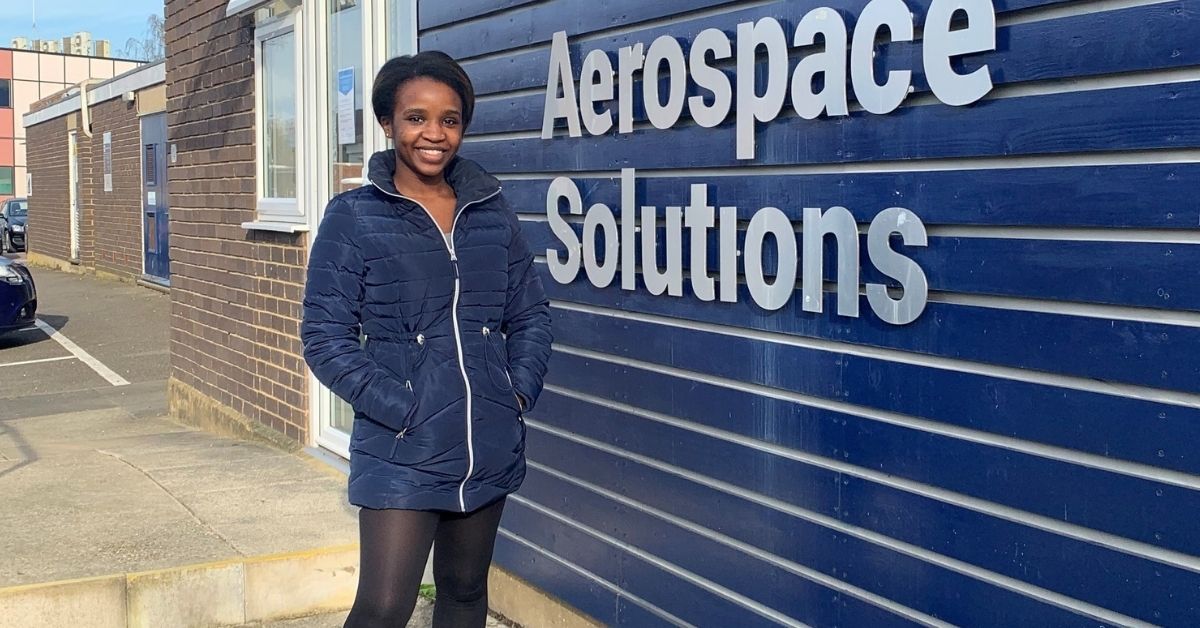
One of the most common questions I get asked as a chemical engineer is “So what do you do exactly…?”.
On Google, chemical engineering is defined as the study of operation and design of chemical plants, however its much much more than that! I decided to study chemical engineering because of how versatile a degree it is. It allows you to gain knowledge in technical areas such as chemistry and materials, but also exposes you to ‘non-traditional’ engineering disciplines such as as management, economics and the environment.
The unique combination of these skills allows chemical engineering graduates to help improve the quality of peoples lives across a vast number of industries. We help develop renewable methods of energy production. We help to find ways to maximise efficiency and yields to reduce or eliminate waste. We also help create common household items that you find in supermarkets. The list is endless!

My time in Cranfield studying Advanced Chemical Engineering (ACE) MSc allowed me delve deeper into an area that not only interests me but is growing in importance across the world; sustainability. Each module exposed me to a different area within renewable energy production and inspired me to focus my thesis on geothermal power within Eastern Africa.
Furthermore, I was provided with an opportunity to apply my chemical engineering knowledge by participating in the Unilever Innovation Accelerator – a fantastic opportunity. The focus was on sustainable agriculture; an area that I hadn’t yet encountered within my studies (and probably wouldn’t have had it not been for Cranfield) till that point!
Overall, I’m very confident in saying that my year spent as an Advanced Chemical Engineering MSc student broadened my horizons not only as a multi-disciplinary chemical engineer but an engineer that is better equipped with the transferable skills needed to address some of challenges that we face as a society today.

Categories & Tags:
Leave a comment on this post:
You might also like…

The V-conomy: powering the sixth wave of global economic growth
The world could be on the verge of a major surge in economic growth and development, driven by the convergence of AI and clean energy technology. Waiting to ride the K-wave The Russian ...

Get a head start on referencing and plagiarism
We offer a module on Referencing And Avoiding Plagiarism which you can find on your Canvas dashboard. It explains the role and importance of citing references and how to incorporate the work of other authors ...

How Cranfield shaped my journey as an Aerospace Engineer
If I'm being specific about the moment it clicked, it was reading a paper called "On the Role and Challenges of Computational Fluid Dynamics (CFD) in the Aerospace Industry" by two Boeing engineers, P. ...
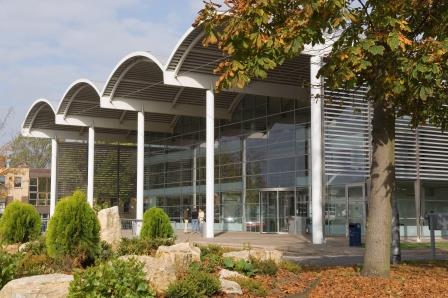
Introducing Kings Norton Library
Welcome to all our new students! We are looking forward to meeting you soon. You will find Kings Norton Library in the centre of the Cranfield campus, and it is open 24/7 to all staff ...

Setting your research on the right course: Four questions every researcher should ask
Whether you are just beginning your doctoral journey or are already well into your research career, successful research rarely happens by accident. Like any successful mission, it depends on good planning, informed decisions, and getting ...

5 budgeting mistakes students make (and how to avoid them)
Good financial planning isn't about how much money you have. It's about the habits you build. We asked Dr Lakshmy Subramanian, Course Director for the Banking, Economics and Finance MSc, about the budgeting mistakes ...
Comments are closed.