

Why acting on climate change means we have to de-materialise
09/03/2022
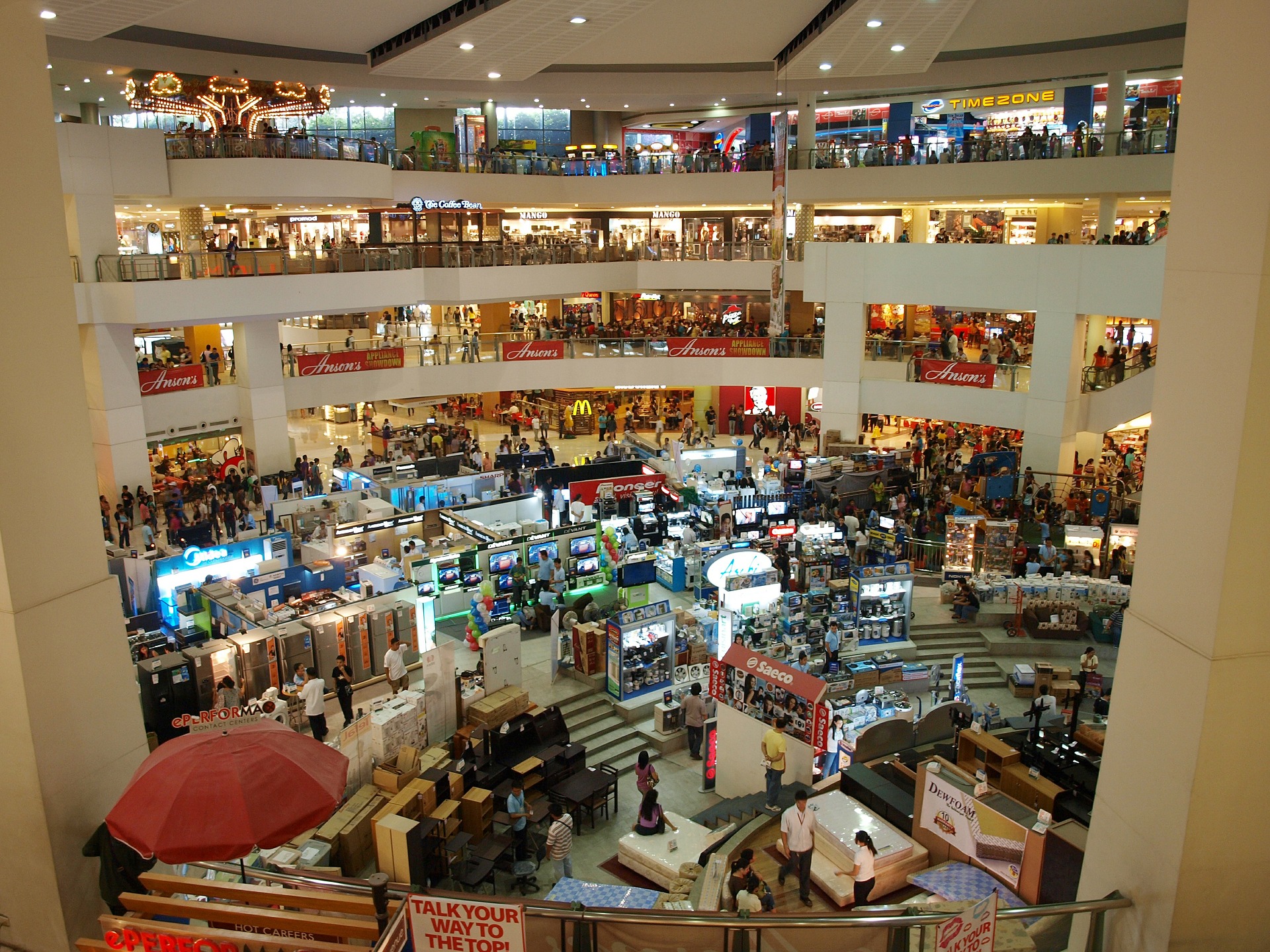
Too much of the debate around climate change and sustainability is fixed on CO2 emissions and renewable energy.
What’s talked about far less, but is equally as fundamental to dealing with the climate emergency — maybe because it’s more problematic, more uncomfortable for all of us as consumers — is our need to de-materialise. In other words, not depending on having so much stuff.
We have to start valuing the things we have and, most of all, start to appreciate the materials involved and how things are actually made. A typical electronic device, one we all have in our homes and rely on, would have needed around four elements from the Periodic Table in the pre-digital age. Now it’s more like 40. Many of those elements will be scarce in term of production levels and have been stripped from multiple natural resources. Often the materials will also have come from nations where working conditions are poor and there are wider problems of conflict and civil unrest. And it’s not just the materials, manufacturing processes mean the use of vast supplies of energy and water. Even the production of data, every single byte of a Tweet, text message or Zoom call, involves the consumption of more energy.
De-materialising, of course, goes against the grain of whole worlds of commercial and consumer imperatives where materials are just commoditised. Societies in developed nations are still based on the ‘pile ‘em high, sell ‘em cheap’ model, accepted as being the blueprint of ‘progress’ and economic success. Scarcity, on the other hand, just means failure. So this is now also the model for developing economies worldwide. Businesses are always looking for growth and to build volumes by reducing costs and prices. In turn this means that we, as consumers, are not careful with materials at the end of their life. They’re disposable. We have to change the traditional economic mindset that preaches how products get cheaper and cheaper as more and more are made. Instead, we need business models that reflect the real value of materials and the cost to the planet. In fact, we probably shouldn’t even be selling products at all — that way business would become more like custodians of the materials they use rather than just their consumers.
The last 10 years has brought changes in attitude and behaviour in the manufacturing sector. In particular, the ‘zero waste to landfill’ principle — but that has largely been driven by legislation. Less waste means lower costs. We need to move forward as a society based on a shared sense of responsibility. Businesses need to manufacture with less, use a smaller bill of materials and be actively looking to simplify their products so they are easier to re-purpose. We all need to be ‘good’ consumers, open to the idea of leasing and sharing rather than straight ownership. In this way the responsibility for end-of-life falls with manufacturers, there are more opportunities for re-use and re-manufacturing of their simpler products. More of the value of the materials stays in the system. We should be making our materials last longer. ‘Cheap’ should only ever be a dirty word.
Circular business models based on re-use of materials are becoming more common. Examples such as Circular Computing (which remanufactures rather than refurbishes laptops) are growing in viability and credibility — recently recognised with a BSI kite mark. But for the moment it’s also the only major player in the remanufactured laptop market. There are some good examples in other markets, like Interface for carpet tiles and Caterpillar for earth moving equipment. But these are still few and far between
For de-materialising to take hold, to be part of the climate emergency era, we need circular enterprises everywhere, in every sector, to help to transform consumer habits and make it easier for us to make better choices. Business should be jostling to make good use of all the kinds of materials that we would normally just throw away.

Categories & Tags:
Leave a comment on this post:
You might also like…
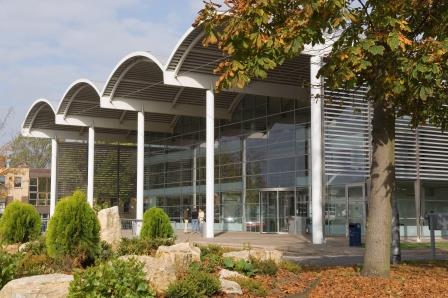
Introducing Kings Norton Library
Welcome to all our new students! We are looking forward to meeting you soon. You will find Kings Norton Library in the centre of the Cranfield campus, and it is open 24/7 to all staff ...
Setting your research on the right course: Four questions every researcher should ask
Whether you are just beginning your doctoral journey or are already well into your research career, successful research rarely happens by accident. Like any successful mission, it depends on good planning, informed decisions, and getting ...

5 budgeting mistakes students make (and how to avoid them)
Good financial planning isn't about how much money you have. It's about the habits you build. We asked Dr Lakshmy Subramanian, Course Director for the Banking, Economics and Finance MSc, about the budgeting mistakes ...
Finding your reading materials
Use Library Search Library Search is the first place to start when you are trying to find academic sources for your work. This is the search box on the library website homepage. It allows you ...
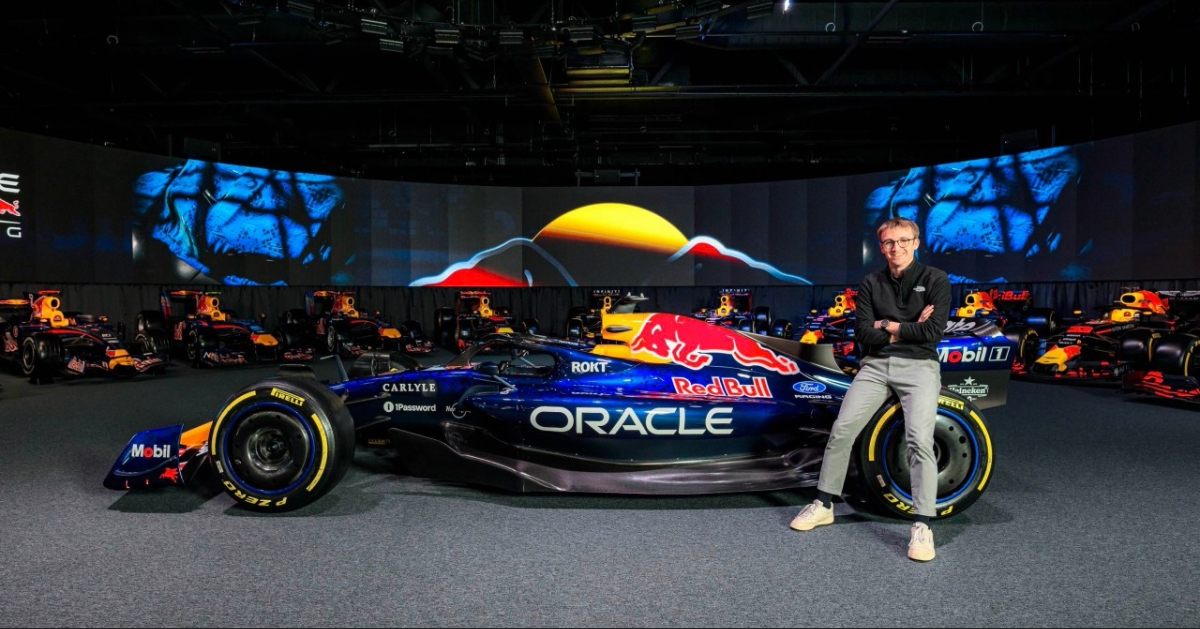
Formula 1 was the dream and Cranfield was the conduit
I still remember the exact moment Formula 1 (F1) got its hooks into me. I was in my first year of an aerospace undergraduate engineering degree when I watched a video about the sport ...
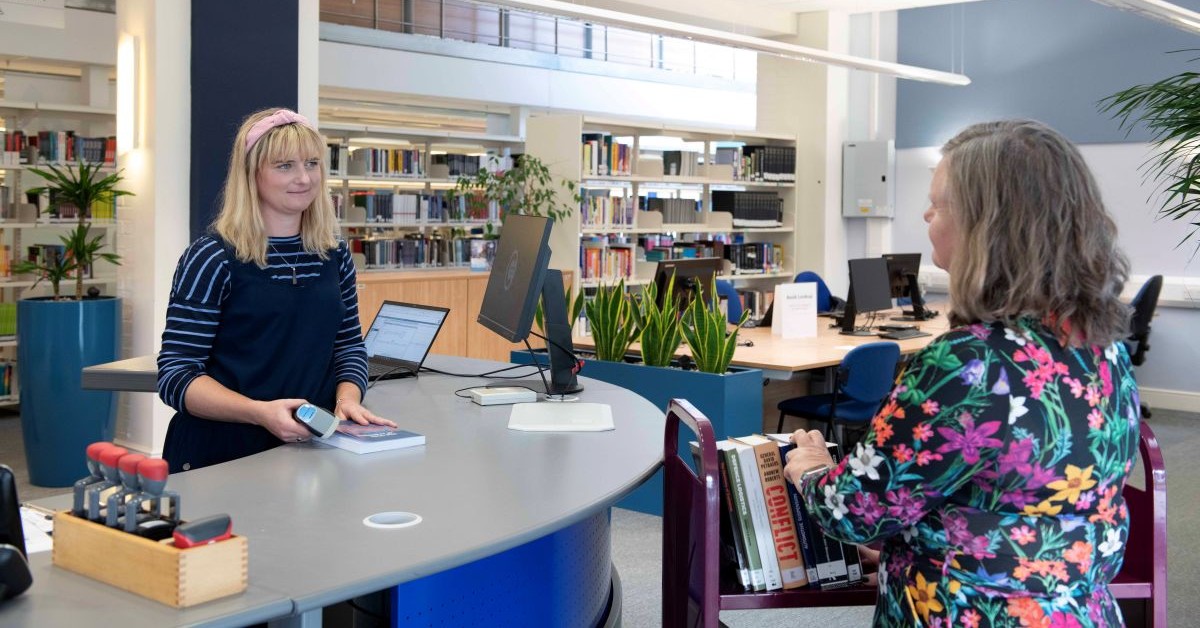
Introducing Barrington Library
Welcome to all our new students! Barrington Library supports all the students and staff at Cranfield Defence and Security on the Shrivenham site. We are looking forward to meeting you all soon, in person or ...