

Lessons Learnt from the Gabriel-Chemie Challenge
30/07/2021

As part of the Sustainability in Practice module on the Management and Corporate Sustainability MSc course, we had the opportunity to work with masterbatch manufacturer, Gabriel-Chemie. Working in teams, we were tasked with analysing the company’s public image and competitive environment. We had to identify areas for improvements in product development, partnerships, and new communication channels, focusing on finding sustainable solutions. The client briefing from Gabriel-Chemie gave us a snapshot of what the company does, its current projects and what some of its plans for the future are. The briefing allowed us to connect with the Gabriel-Chemie team, ask any questions we had (we had a lot), and clarify what they expected from us. After that, it was pretty much up to us.
Before starting the project, I had not heard of Gabriel-Chemie and had minimal knowledge of the industry. I knew it was going to be challenging. We all wanted to make ourselves and Cranfield proud, but how were we going to do that?
Very simply. Teamwork.
Individually, we had incredibly limited knowledge of the masterbatch industry, but together, we could research and teach each other new ideas and concepts. We learnt a lot about the industry challenges, the competitive environment, and the everyday uses of masterbatch. Trying to analyse an industry we knew little about and creating recommendations in an industry we don’t understand was challenging. But creativity and collaboration came through. We worked together to create an academic assessment and a very well-received presentation by Gabriel-Chemie.
Like many things in life, there are always unexpected lessons to be learnt. Our collaboration with Gabriel-Chemie was no different. The research we did into the industry was hugely beneficial and vital to the project. Still, personally, it’s probably not something I am likely to use again, at least not in the near future. However, the project gave us the opportunity to solve a ‘real life’ organisational problem, and that alone taught us so much. It allowed us to collaborate with new people on our course. It taught us how to understand a client briefing and use conscious decision making to solve a problem. We learnt how to work as a collective unit without being face-to-face. We used technology to our advantage and made use of sharing documents and research papers. We used our different skills sets and backgrounds to strengthen the validity of our recommendations. In the end, our team made the experience all the better.
The Gabriel-Chemie project, in my opinion, is one of the best experiences we have had during our time at Cranfield University. I don’t know what I expected from the experience. However, I thought it would be just another academic assessment, valuable and important, but still just an assessment. The second the client briefing ended, that mindset went out the window. It was such a challenging, educational, and incredible project that I know I will forever use the skills I learnt in just a few weeks of work.

Categories & Tags:
Leave a comment on this post:
You might also like…

5 budgeting mistakes students make (and how to avoid them)
Good financial planning isn't about how much money you have. It's about the habits you build. We asked Dr Lakshmy Subramanian, Course Director for the Banking, Economics and Finance MSc, about the budgeting mistakes ...
Finding your reading materials
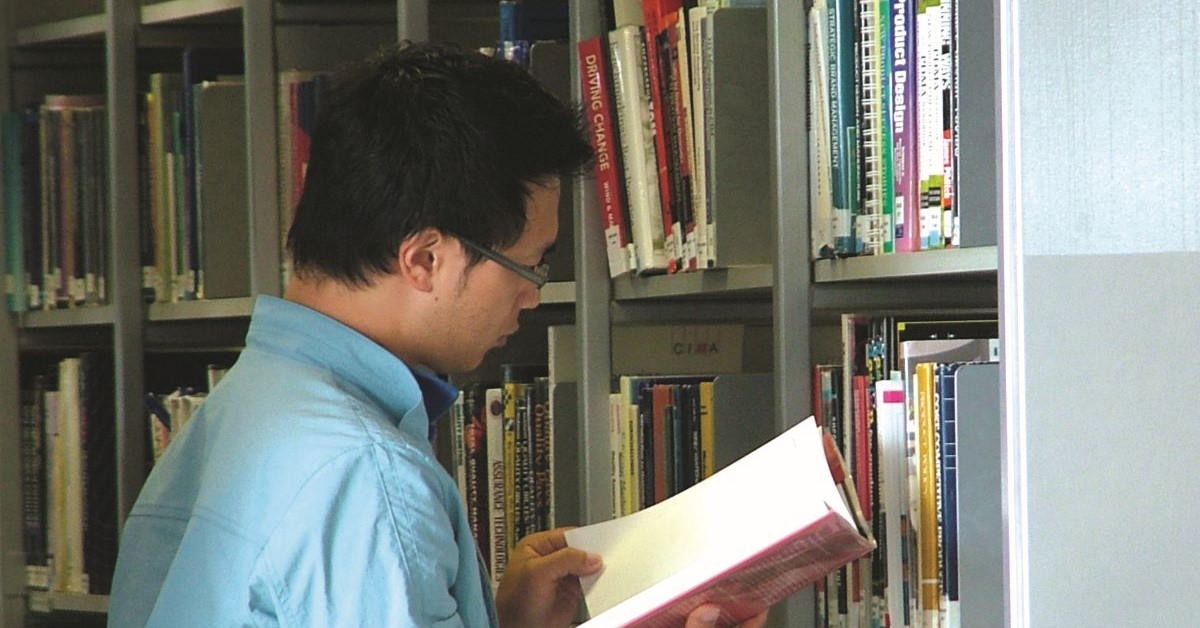
Use Library Search Library Search is the first place to start when you are trying to find academic sources for your work. This is the search box on the library website homepage. It allows you ...

Formula 1 was the dream and Cranfield was the conduit
I still remember the exact moment Formula 1 (F1) got its hooks into me. I was in my first year of an aerospace undergraduate engineering degree when I watched a video about the sport ...
Introducing Barrington Library
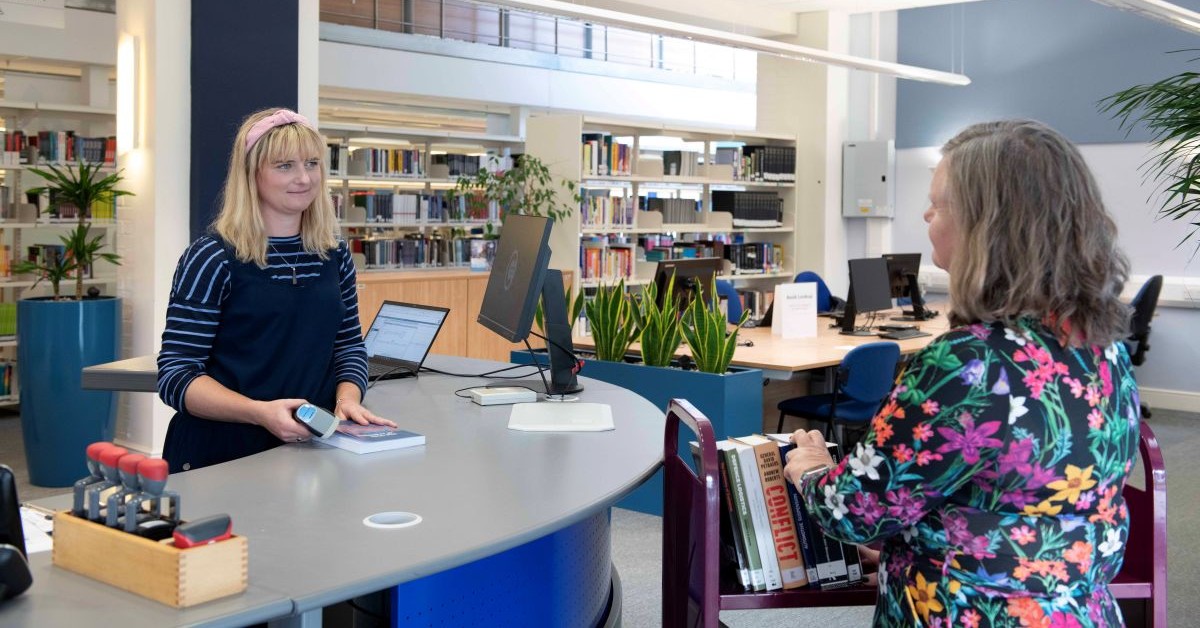
Welcome to all our new students! Barrington Library supports all the students and staff at Cranfield Defence and Security on the Shrivenham site. We are looking forward to meeting you all soon, in person or ...

About to start your journey at Cranfield? We’re here to help!
Congratulations on accepting your offer to study at Cranfield! If you’re keen to get a head start before your course begins, our Library Services team is here to support you every step of the way. ...

Bank holiday hours for Library Services: Monday 31 August
Library Services staff will be taking a break on Monday 31 August for the bank holiday. You will still be able to access all the resources and help you need via our library website. The 24/7 ...