


Reflections during Black History Month…
14/10/2020
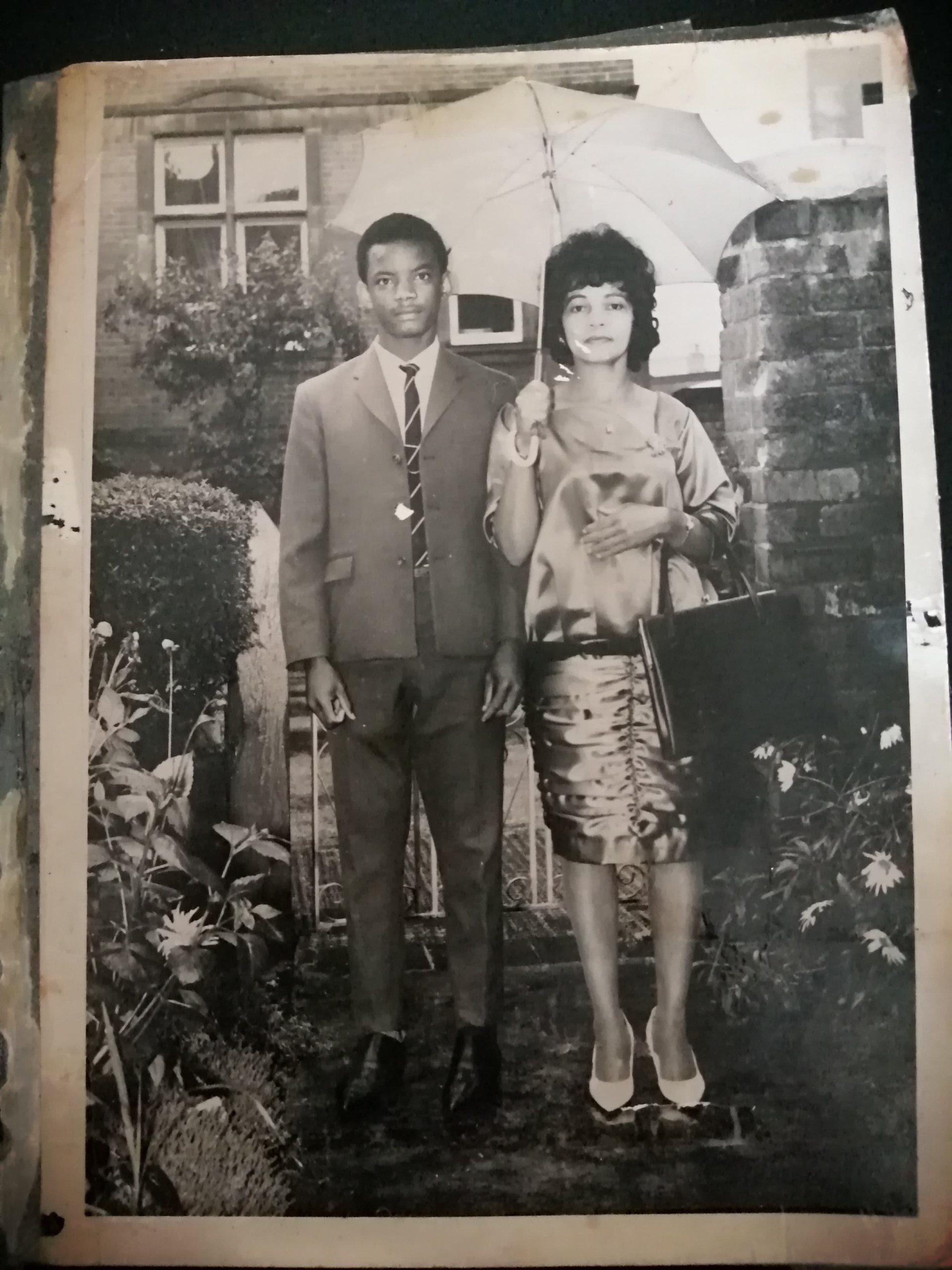
Most people have heard of Martin Luther King Jr, Rosa Parks and Malcolm X, as they are all synonymous with leading the Civil Rights Movement in America. But few people have heard of Harold Moody, Mary Seacole or Ignatius Sancho – prominent figures of Black British history whose names are forgotten. Ignatius Sancho was the first person of African descent known to have cast a vote in a British general election and helped shape legislation on the abolition of slavery.
Growing up in British society led me to contend with a school system skewed towards the history of Kings and Queens, Shakespeare and Winston Churchill. The black community were non-existent in history books and positions of power. I felt the sting of erasure not seeing equal representation within literature, TV or film. Many people argue that black history should be taught 365 days a year, and I agree. However, I can’t help but welcome the spotlight that October brings. Walking into a book shop featuring a collection of books by Black British authors, seeing black postboxes honouring black Britons and television content focusing on black history is the representation my younger self needed. It’s humbling to see the amplification of this within today’s society.
The Empire Windrush docked in Tilbury, Essex in 1948 carrying roughly 802 Caribbean immigrants. They were invited to the mother country to live and rebuild a post-war Britain. They are known as the Windrush Generation. Many of this generation were recruited specifically to support and build the newly formed NHS. The NHS wouldn’t exist in its entirety today were it not for them.
One of the greatest legacies of the Windrush Generation has been their impact on the changing culture of Britain and the transformation of art and culture. Notting Hill Carnival is a melting pot of culture featuring music from the diaspora including ska, calypso, reggae and soca. We talk about the Caribbean influence on Britain but what’s equally noticeable is how Britain has become more Caribbean.
As the daughter and granddaughter of Jamaican-born Windrush relatives, I have first-hand knowledge of the commitment and struggles this generation faced. They were promised prosperity and lured with the guarantee of finding employment. Instead, they arrived to hostility, were told to go back home and met with many incivilities. Windrush Day is celebrated on 22nd June as a way of recognising the Caribbean contribution to British society.
To mark this year’s Black History Month, I attended a virtual event hosted by the Cranfield Barclay’s Eagle Lab entitled Yes, I Can. The panel discussion featured successful black individuals shining a light on their experiences growing up and how this shaped their success. During the Q&A, an audience member posed an important question to panel member Winnie Annan-Forson (Diversity and Inclusion for Barclays UK). The question was simple: why do organisations like Barclays change their logo to mark awareness for Pride month, but don’t do the same for Black History Month? Winnie’s response was that positive action is better than a superficial gesture. Yes, it would be great if the logo changed in October but what does this actually achieve – how does this help the black community? It was encouraging to hear that Winnie co-founded the employee Diversity network “Emerge”, taking affirmative action to increase diversity.
We have our own challenges at Cranfield but it’s been positive to see us doing more to improve Black, Asian and Minority Ethnic representation.
Black History Month is an opportunity to recognise and celebrate the black British history that helped shape us. Black history underpins British culture. It’s the food you eat, the music you listen to, the art you immerse yourself in and the sacrifices that shaped today’s society.

Categories & Tags:
Leave a comment on this post:
You might also like…
Introducing Kings Norton Library
Welcome to all our new students! We are looking forward to meeting you soon. You will find Kings Norton Library in the centre of the Cranfield campus, and it is open 24/7 to all staff ...

Setting your research on the right course: Four questions every researcher should ask
Whether you are just beginning your doctoral journey or are already well into your research career, successful research rarely happens by accident. Like any successful mission, it depends on good planning, informed decisions, and getting ...

5 budgeting mistakes students make (and how to avoid them)
Good financial planning isn't about how much money you have. It's about the habits you build. We asked Dr Lakshmy Subramanian, Course Director for the Banking, Economics and Finance MSc, about the budgeting mistakes ...

Finding your reading materials
Use Library Search Library Search is the first place to start when you are trying to find academic sources for your work. This is the search box on the library website homepage. It allows you ...

Formula 1 was the dream and Cranfield was the conduit
I still remember the exact moment Formula 1 (F1) got its hooks into me. I was in my first year of an aerospace undergraduate engineering degree when I watched a video about the sport ...

Introducing Barrington Library
Welcome to all our new students! Barrington Library supports all the students and staff at Cranfield Defence and Security on the Shrivenham site. We are looking forward to meeting you all soon, in person or ...