


A mindful approach to personal resilience
04/06/2020

It is normal to feel some level of stress during this period, both in relation to our work/study and private lives. The majority of us will have faced some changes to our working environment and practices in the last couple of months. Processes such as these can have a detrimental impact on our mood and cause a great deal of stress. When having a stressful moment (or day) it might seem near on impossible to shake that stressful feeling.
As part of the BGP Response Programme webinar series, we were joined by Kathrin Gerrard who shared her wisdom in relation to the power of breath, mindfulness and meditation. Kathrin uses mindfulness practices in her role as a Business Analyst, helping organisations manage and deliver change. She teaches yoga and meditation, training students in mindfulness and self-compassion practices through meditation and movement.
Using meditation and mindfulness exercises can have a series of positive impacts on our ability to manage stress. Practising mindfulness can help us to:
- Develop a clearer mind.
- Become better at handling ‘stressful’ situations.
- Develop greater resilience.
- Provide greater clarity of thought.
The power of breath
The nervous system controls our breath and therefore if we can control our breath, we can influence our nervous system and by influencing our nervous system we can control our emotions.
The nervous system is made up of two branches – sympathetic and parasympathetic. It subconsciously picks ups on external cues of danger and safety. When we encounter a stressful situation, our nervous system will respond accordingly, commonly with a ‘fight’ or ‘flight’ reaction. In ‘flight’ mode, we will look to move away and escape from the situation that is causing us stress, when in ‘fight’ mode we may become more argumentative. During this disruptive period that we are currently living in, there’s a high chance that we are living in these states of ‘danger’ more frequently.
We also have another state as well, ‘safe and social’, this is what happens when we do not detect any danger (or stressful situations).
All of these states affect our emotional wellbeing. Therefore, it makes sense to try and move out of these ‘danger’ states and into the ‘safe and social’ state as quickly as possible.
We can use our breath to influence the nervous system and control these emotions.
Kathrin shared a simple breathing exercise to demonstrate the power that our breath can have on managing stressful experiences, watch here: https://streaming.cranfield.ac.uk/Watch/breathingexercise
Building a practice – how do we incorporate this into our daily lives?
These practices are accumulative, the more that you do them, the better chance you have of managing your stress effectively.
It can be really beneficial to start and end your day with a few minutes of breathing. By doing this, you can ground yourself for the day ahead and also use it as a transition technique. Particularly as we don’t currently have the usual transitions from our personal lives, to our working environment through a commute. This breathing practise could, therefore, act as a transitional experience for you.
It may also be useful to take short, frequent breathing breaks throughout the day – perhaps on the hour.
Other times to incorporate a breathing exercise into your day could include:
- Before, during and after difficult conversations.
- Before picking up the phone or joining a call.
- When you put the kettle on.
Habits are difficult to pick up, it may be helpful to pick a certain event which you associate with carrying out this exercise as way of reminding you to practice. Carrying out the exercise throughout the day allows you to refresh your nervous system and therefore react positively to the stresses that you may face throughout your day.
To find out more about controlling stress through meditation and mindfulness, watch our webinar with Kathrin Gerrard here: https://streaming.cranfield.ac.uk/Watch/fromaghtoahh
If you are interested in receiving further business support throughout these unprecedented times, please visit the BGP Response Hub and register for our upcoming events.

Categories & Tags:
Leave a comment on this post:
You might also like…
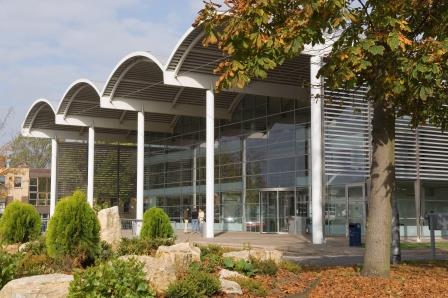
Introducing Kings Norton Library
Welcome to all our new students! We are looking forward to meeting you soon. You will find Kings Norton Library in the centre of the Cranfield campus, and it is open 24/7 to all staff ...

Setting your research on the right course: Four questions every researcher should ask
Whether you are just beginning your doctoral journey or are already well into your research career, successful research rarely happens by accident. Like any successful mission, it depends on good planning, informed decisions, and getting ...

5 budgeting mistakes students make (and how to avoid them)
Good financial planning isn't about how much money you have. It's about the habits you build. We asked Dr Lakshmy Subramanian, Course Director for the Banking, Economics and Finance MSc, about the budgeting mistakes ...
Finding your reading materials
Use Library Search Library Search is the first place to start when you are trying to find academic sources for your work. This is the search box on the library website homepage. It allows you ...

Formula 1 was the dream and Cranfield was the conduit
I still remember the exact moment Formula 1 (F1) got its hooks into me. I was in my first year of an aerospace undergraduate engineering degree when I watched a video about the sport ...
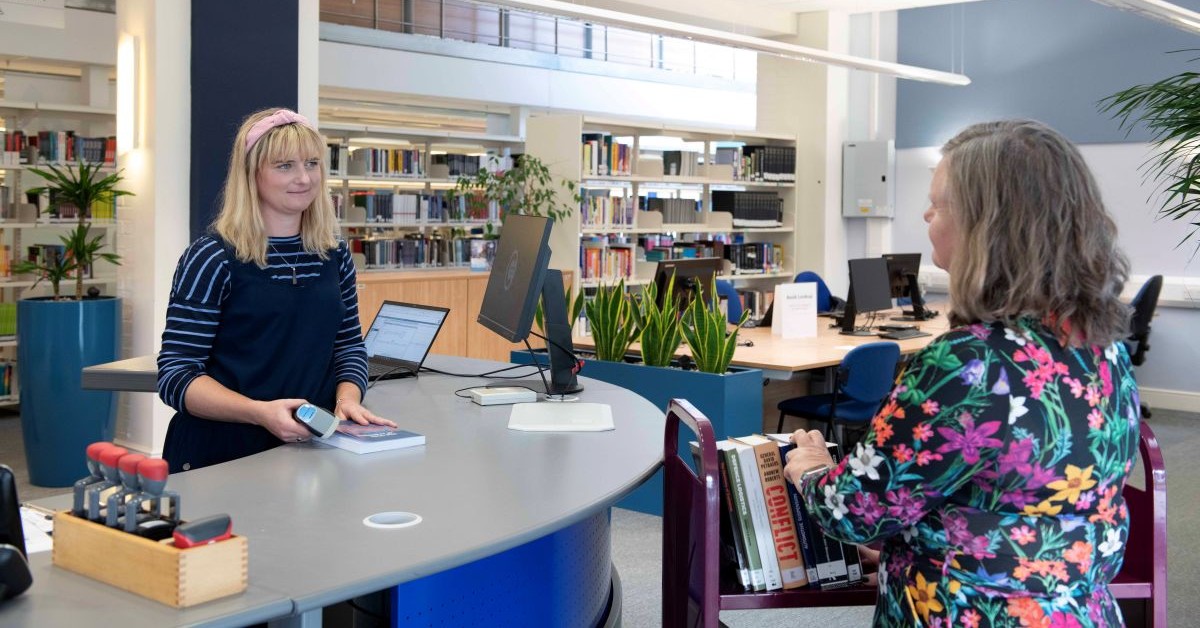
Introducing Barrington Library
Welcome to all our new students! Barrington Library supports all the students and staff at Cranfield Defence and Security on the Shrivenham site. We are looking forward to meeting you all soon, in person or ...