


Choosing a licence for your data
02/09/2016
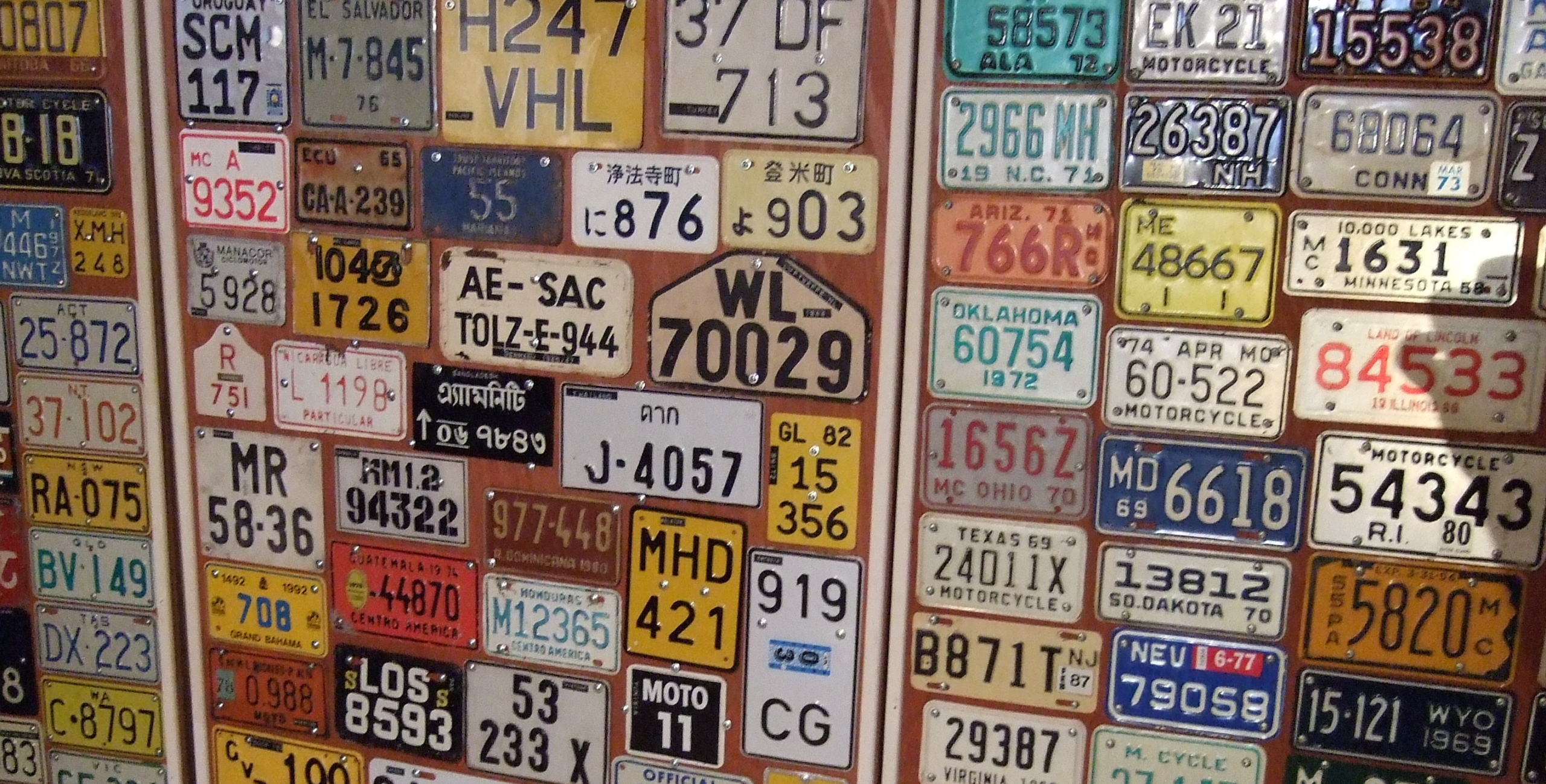
When you deposit data on a repository, you will need to assign the right licence to it. This determines what others can and can’t do with your data, so it’s important that it is appropriate for what you’re releasing and is in line with any licence requirements of your funder and/or publisher. However, licences can often seem an unfriendly sea of acronyms: CC-BY, GPL, CC-NC-ND… WTH! How are you meant to pick the best acronym?
The most common data and software licences
In a nutshell, the ideal dataset licence is CC-BY. This is the default licence on CORD and is Cranfield University’s recommendation, in line with general open access advice. The ‘CC’ means it is a Creative Commons licence, and the ‘BY’ means that reuse requires attribution – ie anyone can use, modify, and build on your data, for any purpose including commercial, but they must give you credit. CC licences are very flexible, as you can add any combination of BY, NC (non-commercial use only), and ND (no derivative works allowed); however, unless unavoidable, NC and ND should not be used for research data as they reduce its value. You can download the full licences from the Creative Commons licences webpage.
If you created software rather than data in your research project, you should similarly share it with a specified licence. It is best practice again to use an open licence, and an easy way to do this is to choose a licence approved by the OSI (Open Source Initiative). Using a popular licence is ideal, such as the GNU General Public Licence (GPL), as it is well-known and documented, and the GPL licence is an existing option in CORD.
Additional options and information
However, just as oranges are not the only fruit, CC and GPL are not the only licences. If you have any special requirements (generally due to contracts with research partners), the Research Data Manager and Contracts will discuss options further with you. We can add licence choices on CORD (such as a non-commercial CC licence, or the Lesser GPL software licence), or if necessary we can write a bespoke licence to specify our exact terms, to ensure that our outputs are used legally and responsibly according to all partners’ needs.
Some people do worry that others could still copy their data and claim the work as their own: requesting attribution does not guarantee it. Unfortunately, this is a risk, in the same way that others can plagiarise publications. All we can do is follow correct and sound procedures, by publishing with a clearly displayed licence and using an auditable system such as CORD for data sharing, to ensure a reliably recorded original date of publication and author.
Finally, don’t forget that a licence can only be applied by the rights holder, so if you are collaborating on a research project, all parties must agree to the choice of licence. To learn more about licences, take a look at Jisc’s Licensing Open Data – A Practical Guide (pdf) or get in touch at researchdata@cranfield.ac.uk.
Public domain image from unsplash.com

Categories & Tags:
Leave a comment on this post:
You might also like…

Bank holiday hours for Library Services: Monday 31 August
Library Services staff will be taking a break on Monday 31 August for the bank holiday. You will still be able to access all the resources and help you need via our library website. The 24/7 ...

The real cost of studying in the UK – what international students need to budget for
Moving overseas to pursue a postgraduate degree is one of the most exciting investments you can make in your future. It's also one of the most significant financial commitments you and your family will ...
Seven things you should definitely prepare for before studying at Cranfield University
You're thinking about Cranfield. Maybe you've done the virtual tour, read through the course pages, spoken to the course director or attended a webinar. Now, you're trying to figure out what life here is actually ...

From insurance to aerospace: why I chose to study a PhD with Cranfield
My path to studying for a PhD wasn't exactly a straight line. I had just graduated with an MEng in Aerospace Engineering from the University of Surrey and, like a lot of people, wasn't ...

How to build a business that keeps growing
Ask any business owner about their ambitions and "growth" will almost certainly feature near the top of the list. More customers, higher revenues, larger teams and new markets are often seen as signs of ...

Three practical ways SMEs can build resilience in a challenging business environment
Economic uncertainty, shifting customer expectations and rapid technological change have become part of everyday business. While no organisation can predict every challenge, small and medium-sized enterprises (SMEs) can improve their resilience by focusing on ...