


Cranfield University Knowledge Transfer Partnership Associates – helping businesses to achieve growth with academic expertise
28/10/2019
Cranfield University has a portfolio of diverse collaborative projects with business that are run under Innovate UK’s Knowledge Transfer Partnership scheme (KTP). Our current KTP business partners include: Siemens Industrial Turbomachinary Ltd., Warden Plastics Ltd., Primagraphics Ltd., SPI Lasers UK Ltd., Spinnaker International Ltd., Haddonstone Ltd., Garrandale Ltd., The Royal Horticultural Society (RHS), Elsoms Seeds Ltd., Pamela Steel Associates Ltd., Renishaw plc and Autoglym Ltd.
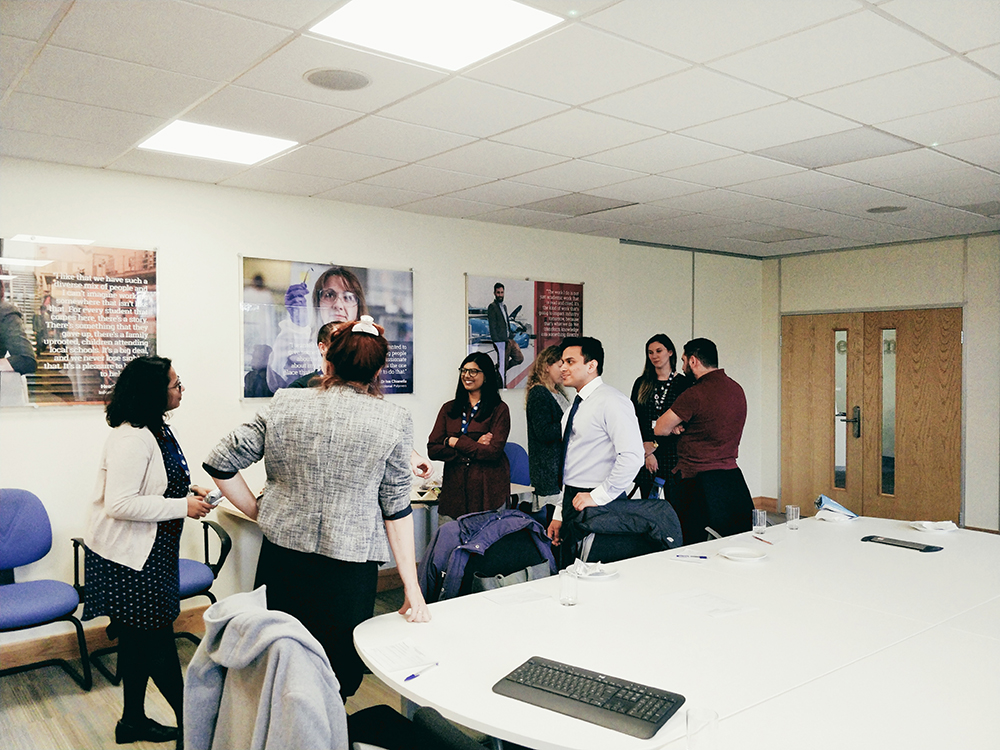
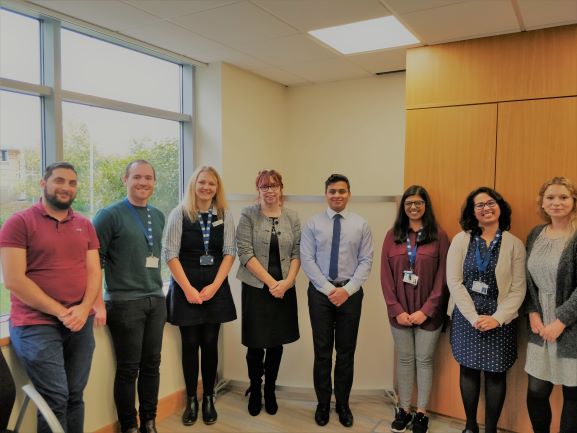
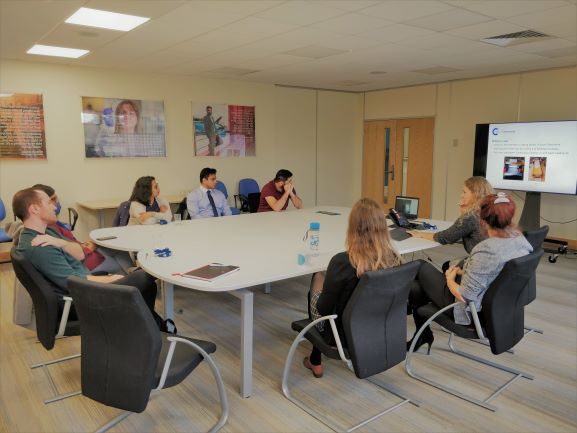
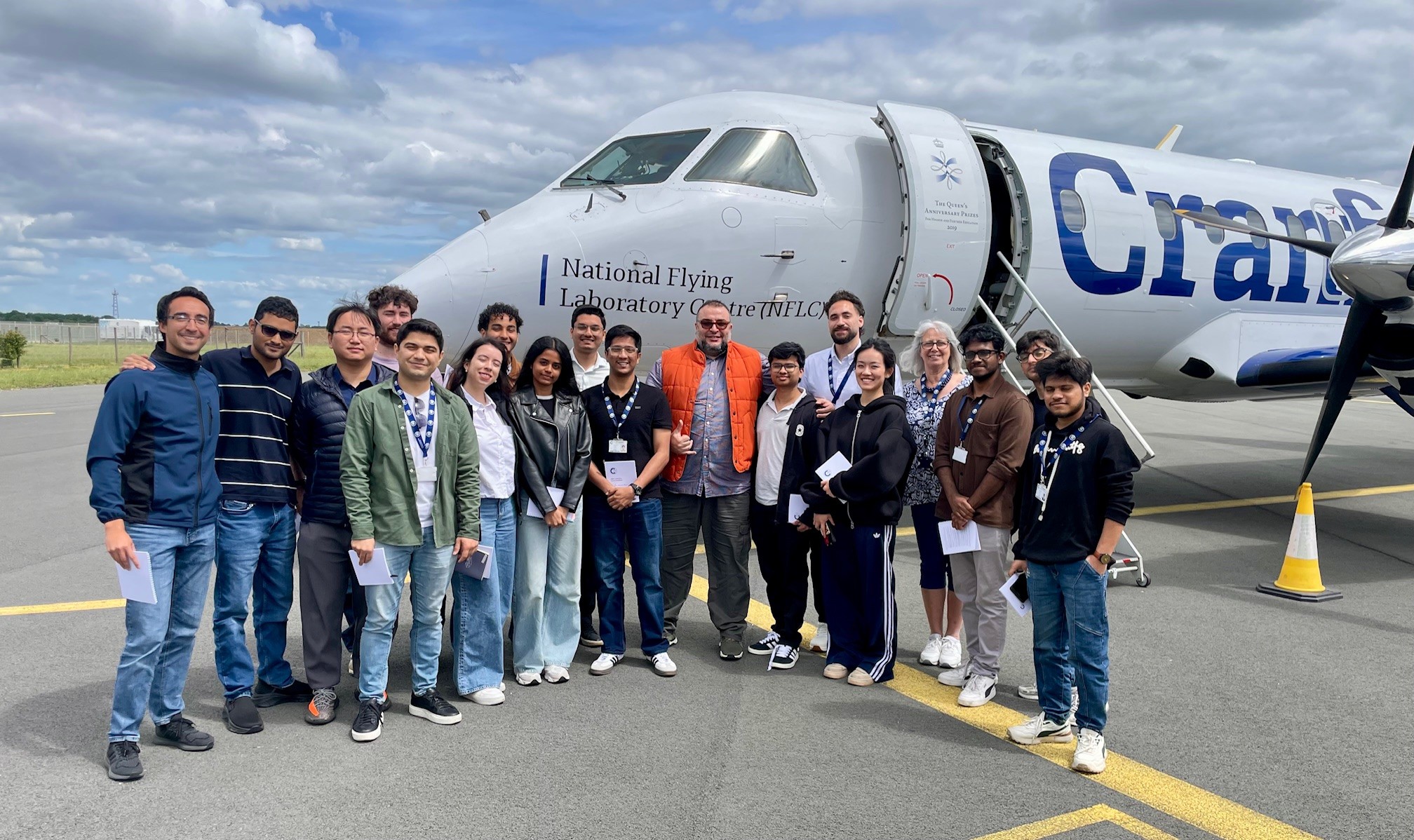
Today Associate’s from Cranfield University, that are employed full time on the KTP projects, were given the opportunity to network, learn from each other and share their experiences as KTP Associates.
The KTP scheme creates a partnership between the organisation and a UK knowledge base (generally a University) that has appropriate knowledge that can be further developed and transferred to build and embed for the future the knowledge and the capabilities the organisation requires to develop the product or service they have in mind.
A key aspect of the KTP model is the expectation that the project will create value for the organisation such as access to new markets, increases in sales income, reductions in cost and increases in profitability. The project is also expected to lead to benefits in the University in terms of teaching, research, publications and enhanced relationships with industry. The knowledge is developed and transferred into the commercial organisation by means of the partnership recruiting an Associate who is employed by the university but who works at the organisation’s base.
The Associate’s role is to work with the organisation and the university team to develop the knowledge required to solve the particular challenge the company is working on and ensure that existing company personnel are trained in the technology or techniques required to maintain the new capability into the future after the end of the project.
If you are interested in finding out more about the KTP scheme please contact: sandra.messenger@cranfield.ac.uk

Categories & Tags:
Leave a comment on this post:
You might also like…

Engineering Tomorrow. Part two: Can we move around the world without emissions?
Moving people and goods around the world is essential to modern life. But every journey has an environmental cost, and reducing the emissions associated with transport is one of the major engineering challenges of ...
Following in the footsteps of aerospace pioneers
I came to Cranfield to understand how aircraft stay in the sky. Months later, I was measuring the performance of aircraft engines in flight aboard the National Flying Laboratory Centre's Saab 340B. My ...
From looking up at jet engines to powering the future of flight
From flying aboard Cranfield's Saab 340B flying classroom to rebuilding a gas turbine component by component, Jouni Kailouh's journey shows how specialist, hands-on experience can turn a fascination with propulsion into a future career ...
Engineering Tomorrow. Part one: Can we power the future without costing the Earth?
The world needs energy. To power homes, industries, transport and the technologies shaping our future. But as demand grows and the pressure to reduce emissions increases, how do we generate the energy we need ...

Looking ahead: Building foresight skills for a more sustainable future
As sustainability challenges become more complex and uncertain, organisations need people who can look beyond today's pressures and think strategically about the future. From changing regulations and emerging technologies to supply chain disruption and ...

Brazil to Cambridge: How Cranfield helped me build a career in data analytics
I was hungry for something bigger. Before Cranfield, I was living in São Paulo, Brazil, working as a Data and Market Intelligence Analyst in the trading division of Raízen. My background is actually ...