


Developing Self-Inflating tyres
26/09/2019
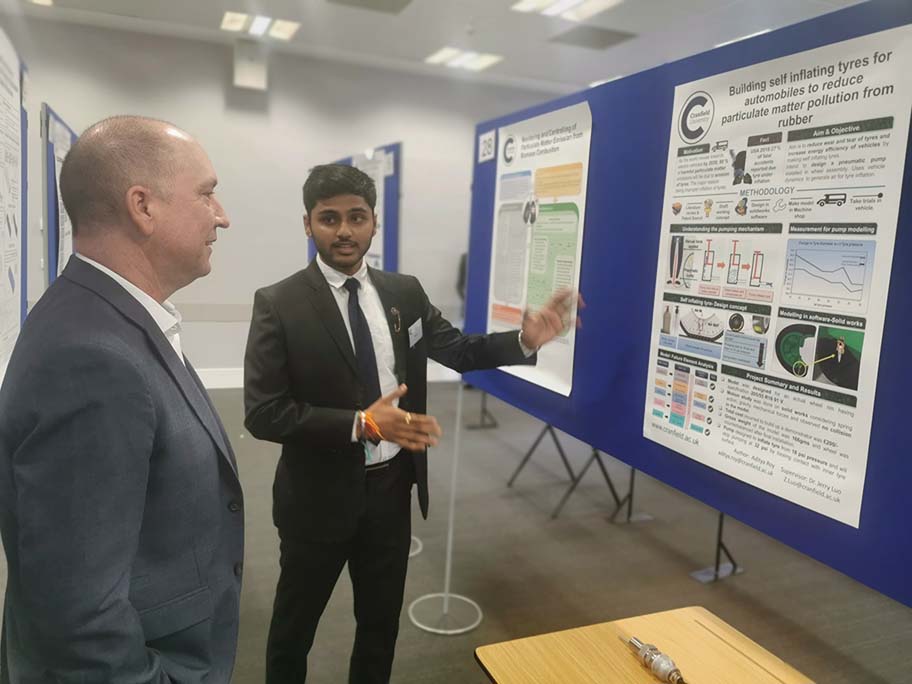
As the automotive industry continues to grow, so has the increase in environmental pollution due to exhaust emissions and tyre wear. Globally there is much interest around things like electric, and hydrogen powered vehicles, however the problem of pollution from tyres goes largely unmentioned, yet still exists.
As the world moves towards electric vehicles by 2030, up to 90% of harmful emissions will be generated by particulate matter from tyres.
Generally there is little awareness about the particulate matter generated from tyre abrasion. These particulates are so small (2.5 micrometres), which not only toxifies the urban air but is also inhaled (nasal hair is incapable of capturing such small particulate matter) creating a serious health concern (autoexpress.co.uk, 2018).
Tyre wear is a dynamic phenomenon which occurs due to various factors such as excessive braking and overloading, but the most significant factor being under inflation – less air inside the tyre than the manufacturer’s recommendation.
As part of my MSc in Advanced Mechanical Engineering, Cranfield provided me the opportunity to choose my own research topic for my individual thesis. I decided to make a self-inflating tyre in an attempt to help save Mother Nature.
If successful this idea will not only reduce environmental pollution but will also increase tyre life, smooth steering and increased fuel efficiency.
For project support I was fortunate to be assigned Dr. Jerry Luo, a highly skilled supervisor with a strong background in energy harvesting, and he was the best guide I could hope for during this project.
Phenomenal resources and facilities at Cranfield, access to unlimited research journals, study material and the guidance of highly skilled and knowledgeable faculty were enough to give wings (or just better inflated tyres) to my idea.
Considering the model of self-inflating tyre to be economical and with a strong determination, my journey started with the engineering design, durability testing, environmental impact and cost per component if mass produced was analysed using the University’s well-resourced IT laboratory.
After the technological review of the design it was decided to make a fully funded, functional prototype.
Manufactured on site using Cranfield’s extensive facilities, a working inflating system was made which could be installed in any wheel assembly to make it self-inflating. Design was purely mechanical with no external energy used.
Cranfield University truly is an ocean of opportunities, and gave me a platform to showcase my thesis work at the exhibition day in front of invited guests including and not limited to researchers and representatives from industry, and helped me to make strong industrial connections to help launch my career.
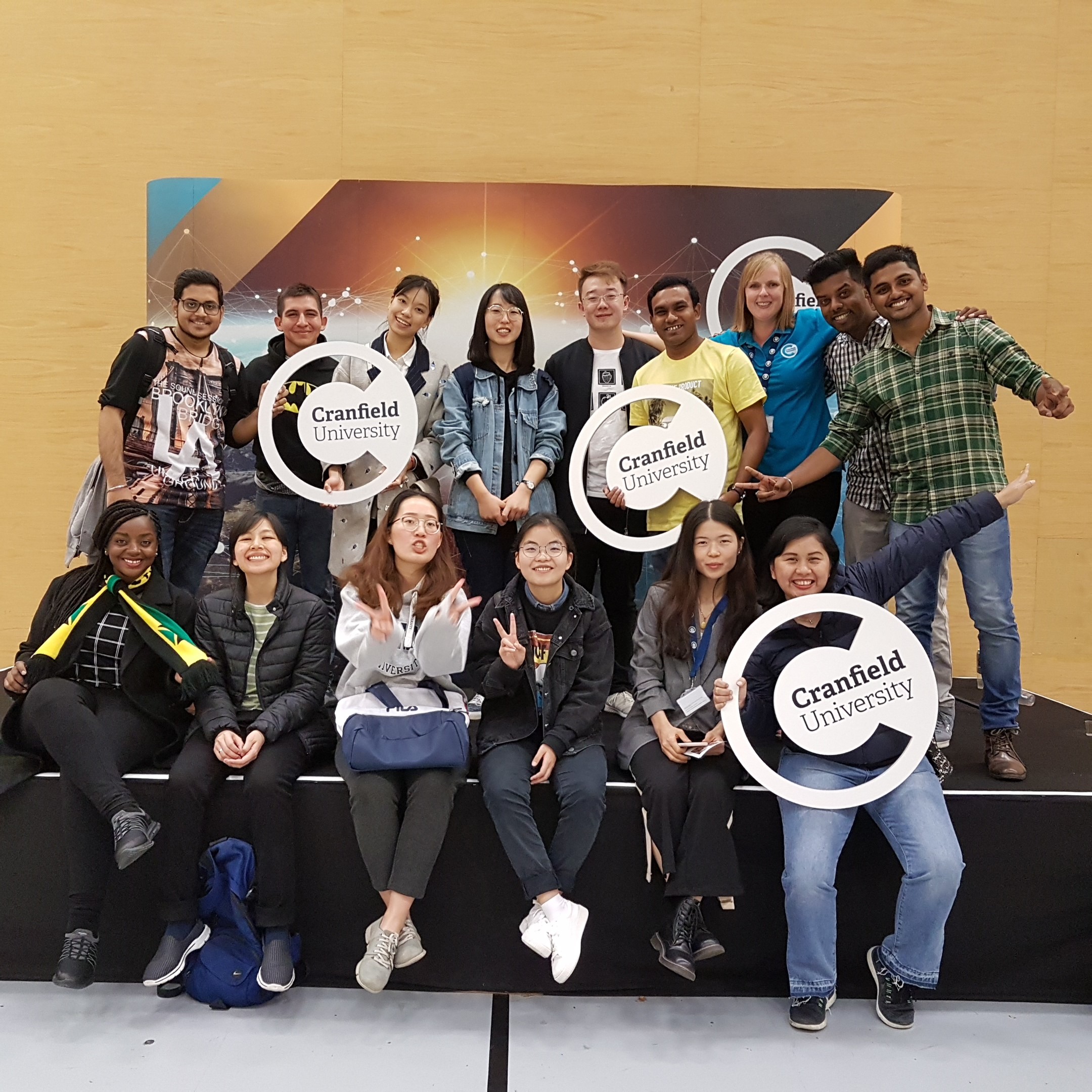
With the exhibition day done, and the celebratory barbeque party thereafter, my time as an MSc student at Cranfield University ended on a positive note. However my journey with Cranfield University is not yet over – we are currently looking for ways to take the Self project a step closer towards commercialization, and registering it as an intellectual property. With a successful commencement of my MSc course funded by Cranfield Energy and Power Bursary and a Tier 2 visa Sponsored Job, joining Cranfield University is so far the best decision of my life.

Categories & Tags:
Leave a comment on this post:
Comments are closed.
You might also like…

Engineering Tomorrow. Part one: Can we power the future without costing the Earth?
The world needs energy. To power homes, industries, transport and the technologies shaping our future. But as demand grows and the pressure to reduce emissions increases, how do we generate the energy we need ...
Brazil to Cambridge: How Cranfield helped me build a career in data analytics
I was hungry for something bigger. Before Cranfield, I was living in São Paulo, Brazil, working as a Data and Market Intelligence Analyst in the trading division of Raízen. My background is actually ...
Reigniting my passion for aerospace engineering
Astrid thought she had left aerospace behind. Instead, it led her back to the passion that first sparked her interest in engineering, proving that sometimes the right career path isn't the most direct one. ...
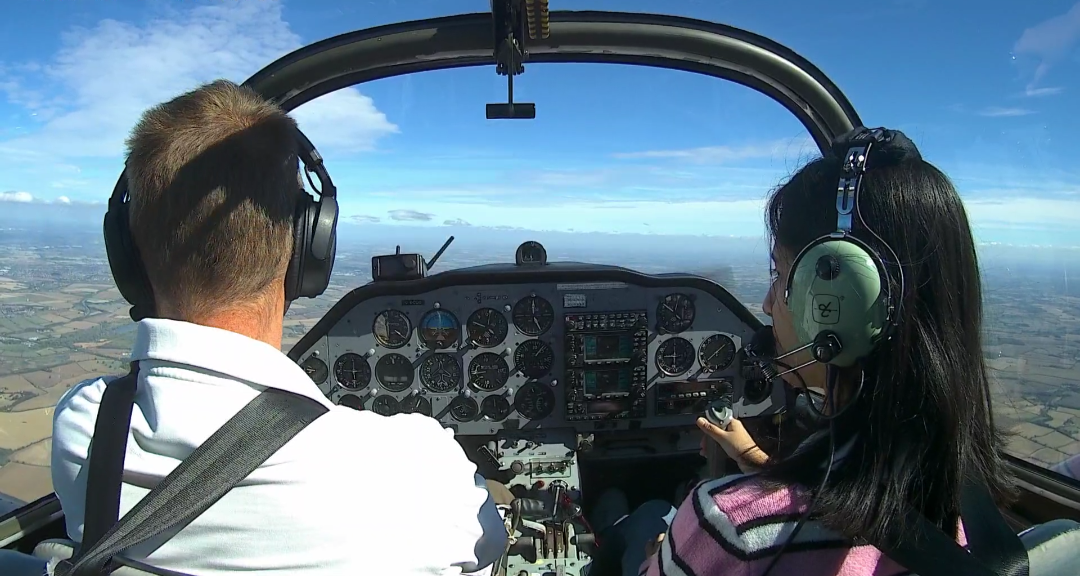
My aerospace vehicle design journey at Cranfield
In 2007, I watched the Airbus A380 land in Delhi for the very first time. I was just a kid in India, and it was the biggest passenger plane in the world. I asked ...
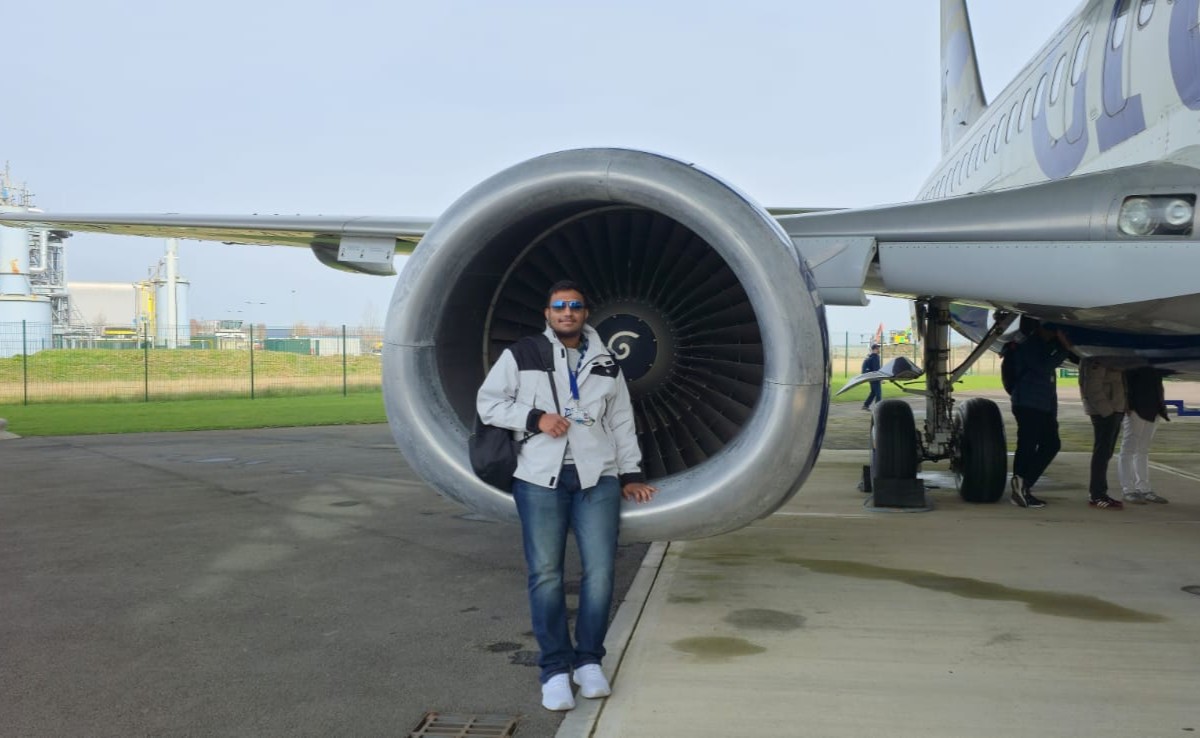
Solving aerospace challenges at Cranfield University
Solving real world challenges has always been my goal and with the knowledge that I could gain at Cranfield during my master’s, it was not a decision that required a second thought. The interactive ...
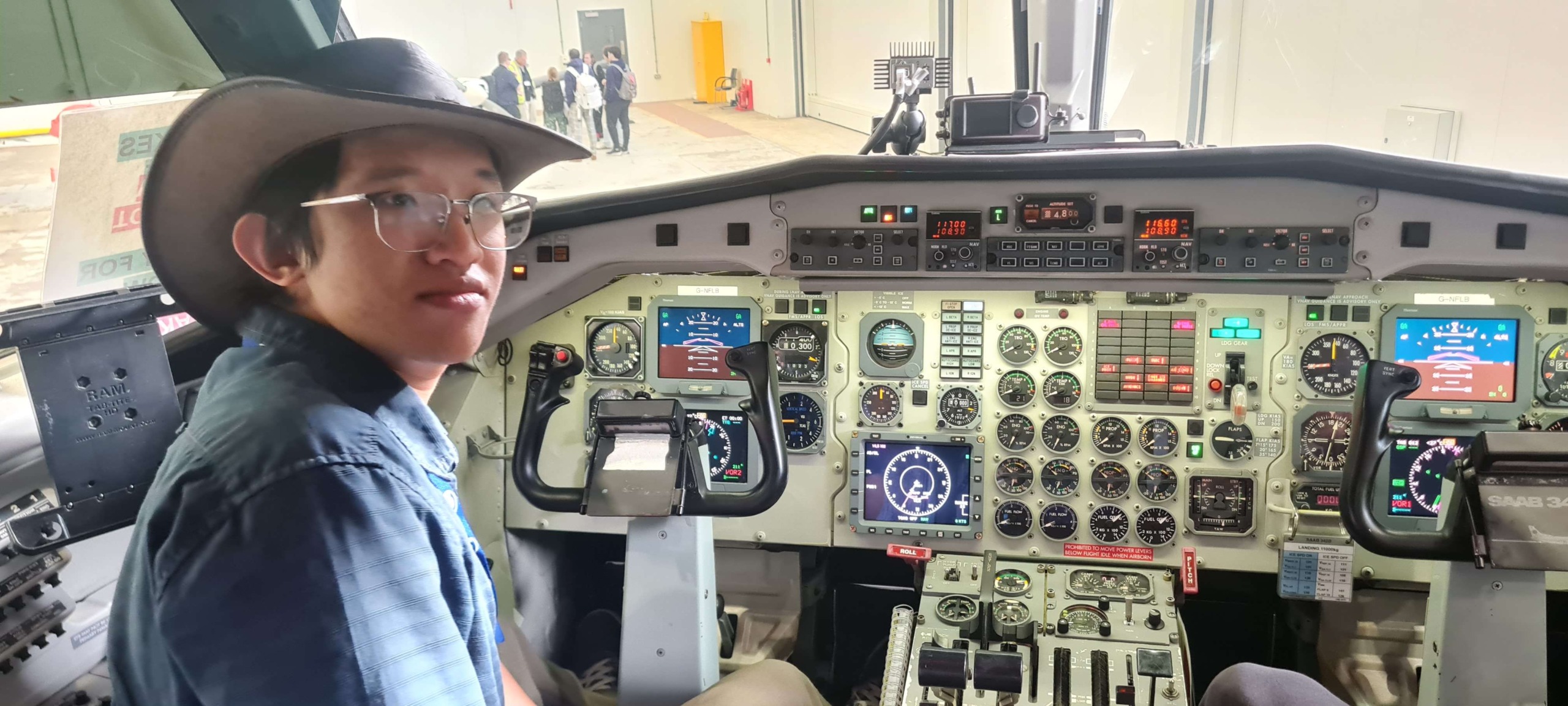
Shaping the future of aviation with aerospace vehicle design at Cranfield
When I was three years old, I went on my first plane ride together with my dad; this was on a Boeing 777-200ER and made me very curious about how it all worked. So, ...
Congratulations brother!
Excellent project aditya. These kind of projects will really help in reducing emissions & make environment greener.
Congrats Aditya bro
Well done bro…
Good job Adi!
Congratulations🎉🎉🎉