


Visual Control Systems Connected to the Real World!
11/06/2019
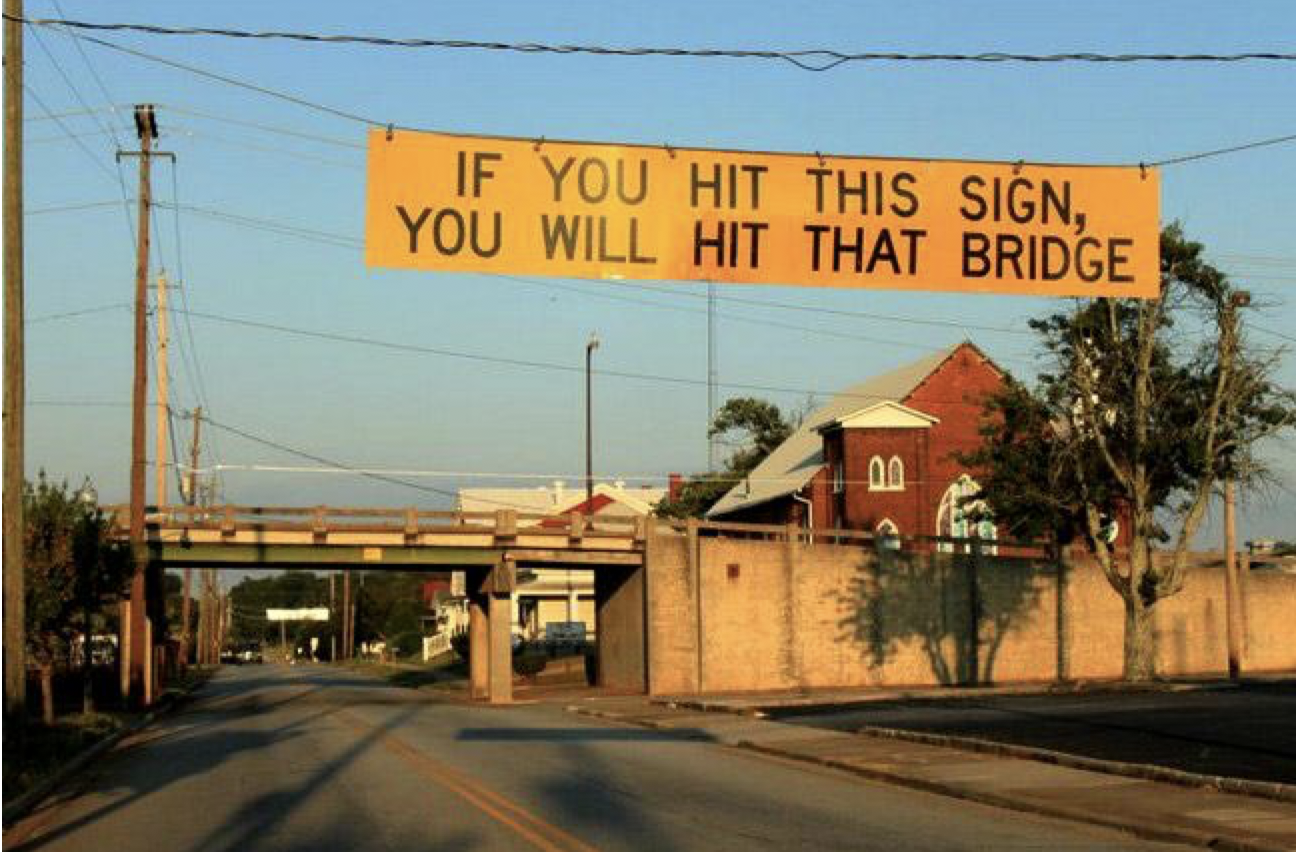
Wouldn’t it be refreshing if the Visual Control Systems we use to run our businesses were as simple as that in the picture above!
Obviously businesses are a little more complex than driving a truck on a straight road in the US, but we do come across the most elaborate schematics that are supposed to be used to drive businesses.
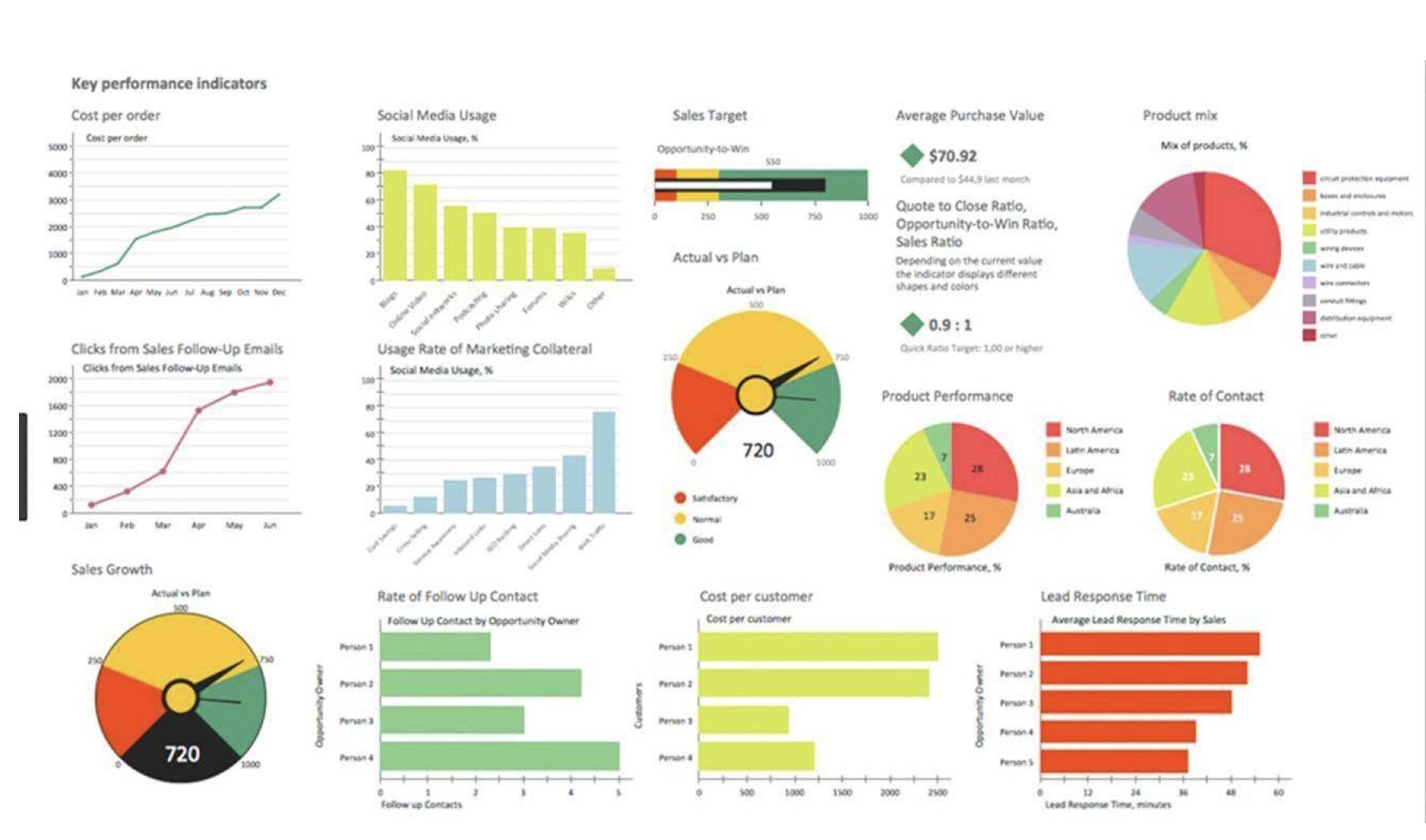
Although a certain prowess in use of graphics is demonstrated, some key questions leap out:
· Purpose: How do these more elaborate dashboards relate to the key Purpose or Leaders’ intent of the Organisation or Unit to which they refer?
· Line of sight: How does the Executive have any line of sight to the Front-line to be sure they’re executing the Leaders’ intent?
· Value of my contribution: How can people at the Front-line be sure that what they are doing supports or drives forward the Leaders’ intent?
· (Right) Data Driven: How can Executives and Managers out to the Front-line be sure that what they see is a true representation of the underlying data, and that the right data is being used?
· Predicted Future Direction: How does the Visual Control System help in predicting Business Performance going forward.
Canterbury District Health System has built a Visual Control System that they believe addresses each of these points both succinctly and clearly:
And, just to be clear, in the video, you’ll see charts like this one below, where the dashed lines going forward from the latest month’s data in February 2019, predict the volume of demand ahead for the next 12 months.
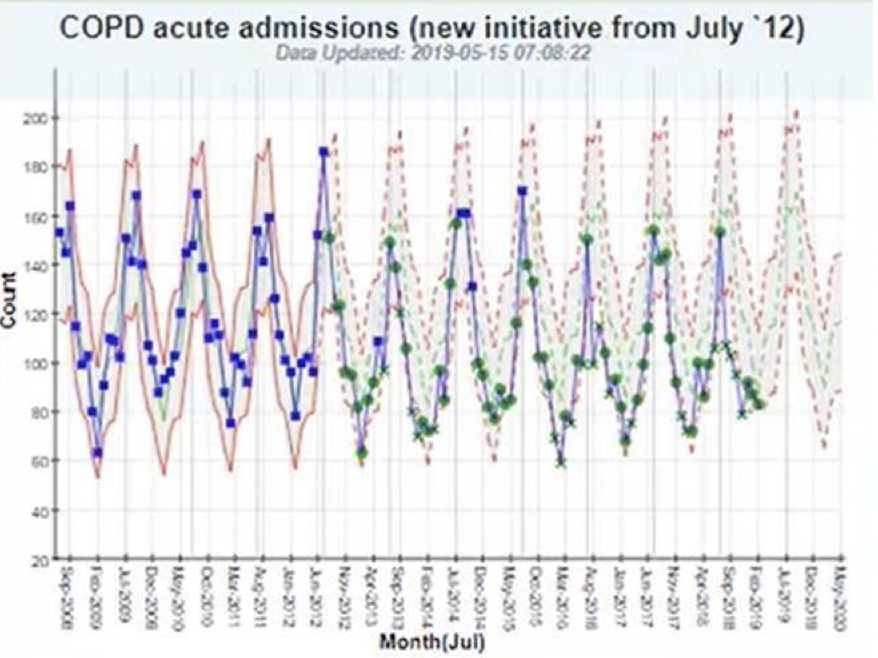
Perhaps a bit more useful than any-which-way-you can dashboards, although below you can see what happens if you ignore even the most simple of Visual Controls:
Thanks for reading …

Categories & Tags:
Leave a comment on this post:
Comments are closed.
You might also like…

Introducing Kings Norton Library
Welcome to all our new students! We are looking forward to meeting you soon. You will find Kings Norton Library in the centre of the Cranfield campus, and it is open 24/7 to all staff ...

Setting your research on the right course: Four questions every researcher should ask
Whether you are just beginning your doctoral journey or are already well into your research career, successful research rarely happens by accident. Like any successful mission, it depends on good planning, informed decisions, and getting ...

5 budgeting mistakes students make (and how to avoid them)
Good financial planning isn't about how much money you have. It's about the habits you build. We asked Dr Lakshmy Subramanian, Course Director for the Banking, Economics and Finance MSc, about the budgeting mistakes ...

Finding your reading materials
Use Library Search Library Search is the first place to start when you are trying to find academic sources for your work. This is the search box on the library website homepage. It allows you ...

Formula 1 was the dream and Cranfield was the conduit
I still remember the exact moment Formula 1 (F1) got its hooks into me. I was in my first year of an aerospace undergraduate engineering degree when I watched a video about the sport ...

Introducing Barrington Library
Welcome to all our new students! Barrington Library supports all the students and staff at Cranfield Defence and Security on the Shrivenham site. We are looking forward to meeting you all soon, in person or ...
Love these David, thank you. Please do mail me if you’re happy to continue to do so, I really welcome the insight.
Chris