


Cranfield Diaries: My first three months…
14/03/2019
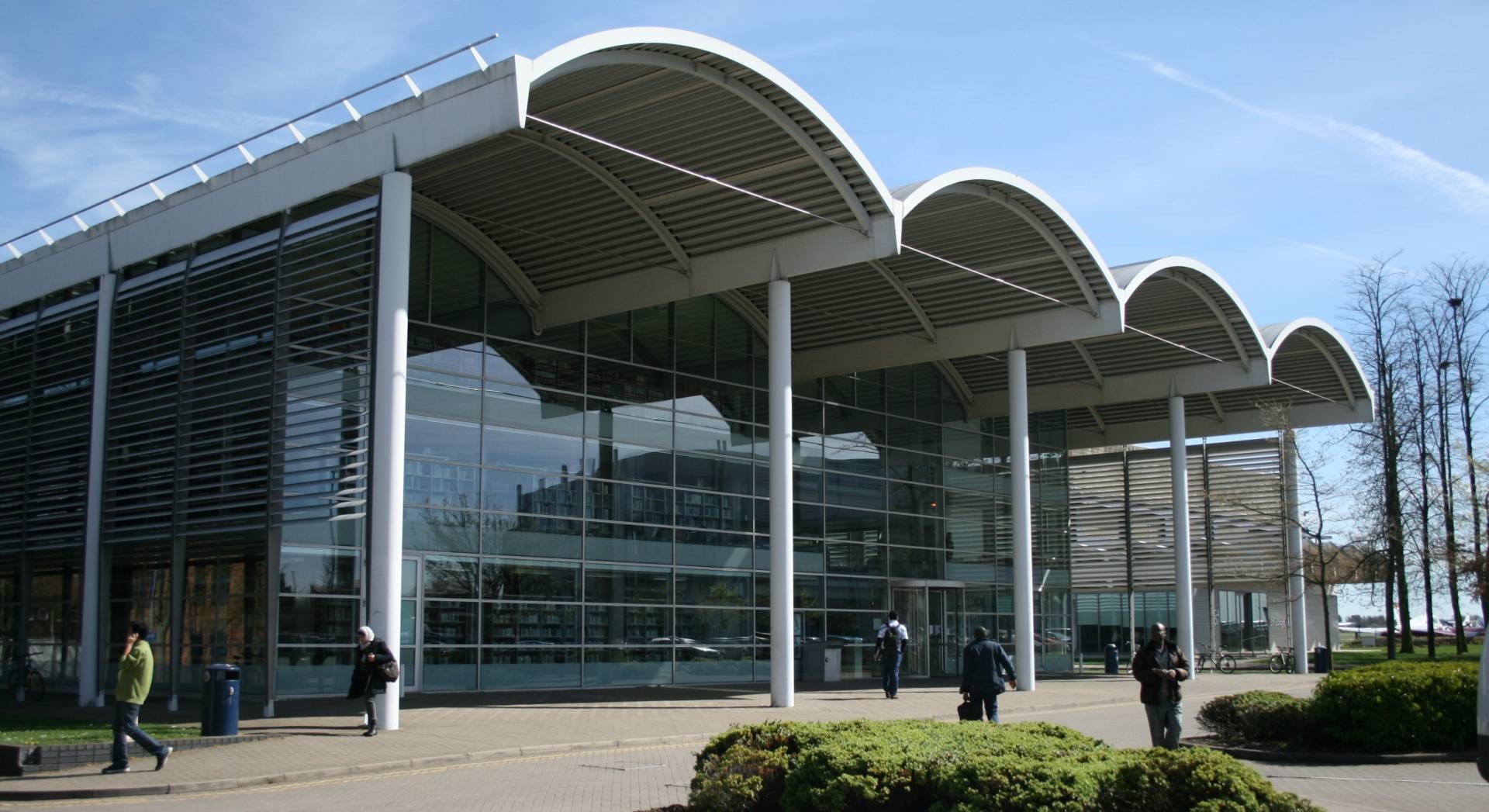
Coming to Cranfield was a decision straight from my heart. On looking up the school online, I was fascinated by the amount of research going on. Another thing that got me hooked was the fact that the library was open 24 hours. Being one who doesn’t like the hustle and bustle of city life, the fact that the school was located in the countryside was another attraction for me because I knew it would be a quiet environment.
Being nominated by Cranfield University for the Commonwealth Shared Scholarship was one of the best things that happened to me in 2018 because studying in the UK would have been impossible without this opportunity. Having studied Biology at undergraduate, I had intentions of specialising in Conservation Biology or Environmental Biology for my masters, while browsing through the different courses and schools available for the Commonwealth Shared Scholarship 2018, I was taken with the course Land Reclamation and Restoration and I settled for it immediately without a second thought because I knew that I would acquire relevant and modern skills that will be useful in tackling different land issues around me coming from a place where mining and agricultural activities is predominant.
I applied for the course and I was admitted, and eventually nominated. I actually stopped applying to other schools, I was so taken with Cranfield University and had my mind made up that if I would study in the UK, then it had to be Cranfield. I am glad it worked out well. I looked forward to resumption eagerly and I was highly impressed on getting here. From the pick-up service from the airport to the warm reception at Mitchell hall. Registration was smooth and very fast and I liked how everything was done in an orderly and organised way. I liked my room and got into the business of settling in immediately.
Within this time I have realised and understood the enormity of research… I actually thought “this is one giant research institution” but I’m glad to be a part of it because the research that goes on here is innovative, impactful and problem solving and that is the kind of research I want to gain skills for and be an active part of.
It’s been three months in the UK and I look back with a thankful heart. From my induction week which was capped by a visit to Panshanger Park, Hertfordshire where I saw the application of Land Restoration techniques to learning the Principles of Sustainability and how it is very important to utilise available resources in a sustainable manner for continued availability. I have learnt the fundamentals of GIS (Geographic Information Systems) and its relevance in mapping out a study area and showing different layers of data at once, making evaluation easier to understand the different components that make up the soil and how they interact to help it function effectively.
I have studied about the different causes of land contamination and how they can be mitigated, and also learnt how nutrients are cycled in the ecosystem and how land resources can be planned for effective utilisation, the different methods involved in classifying land, assessing and evaluating land, the effects of erosion on land, how it can be modelled and all the ways by which it can be controlled effectively. I have also learnt about foresight studies and how it can be an effective tool in planning out land resources.
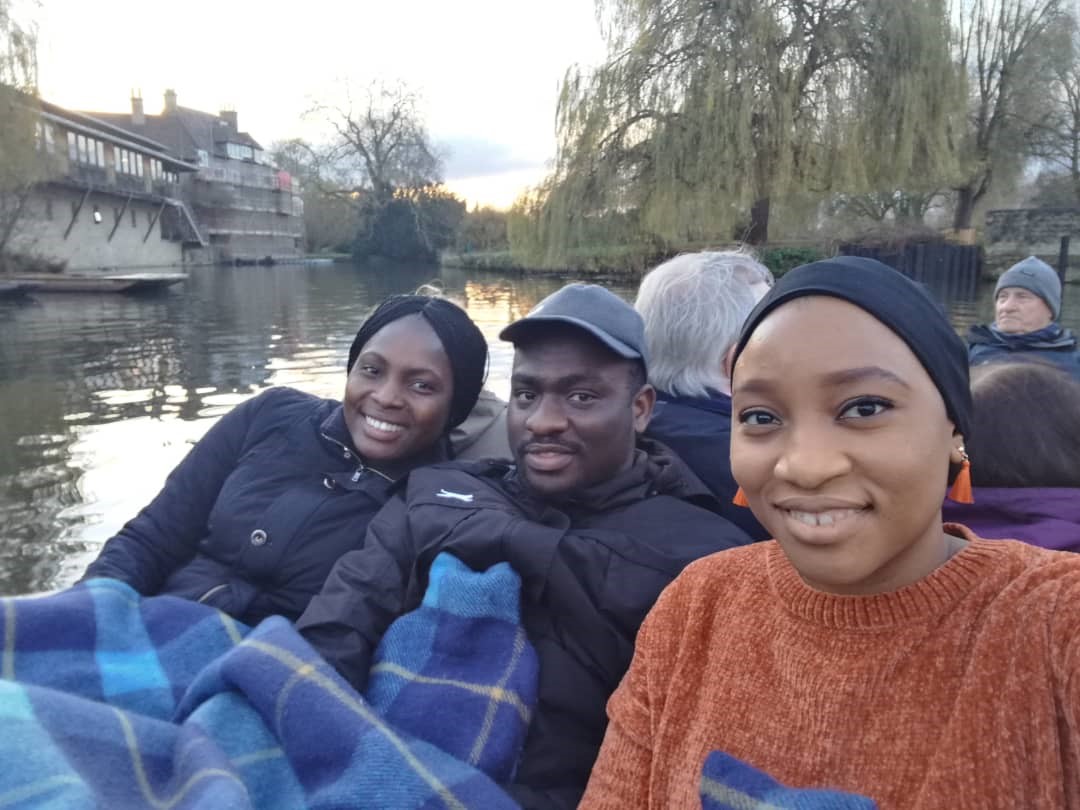
In-between, I’ve visited Cambridge (organised by the Cranfield Student Association – CSA) and I went punting with friends and learnt about the history of some the colleges that make up the reputable Cambridge University.
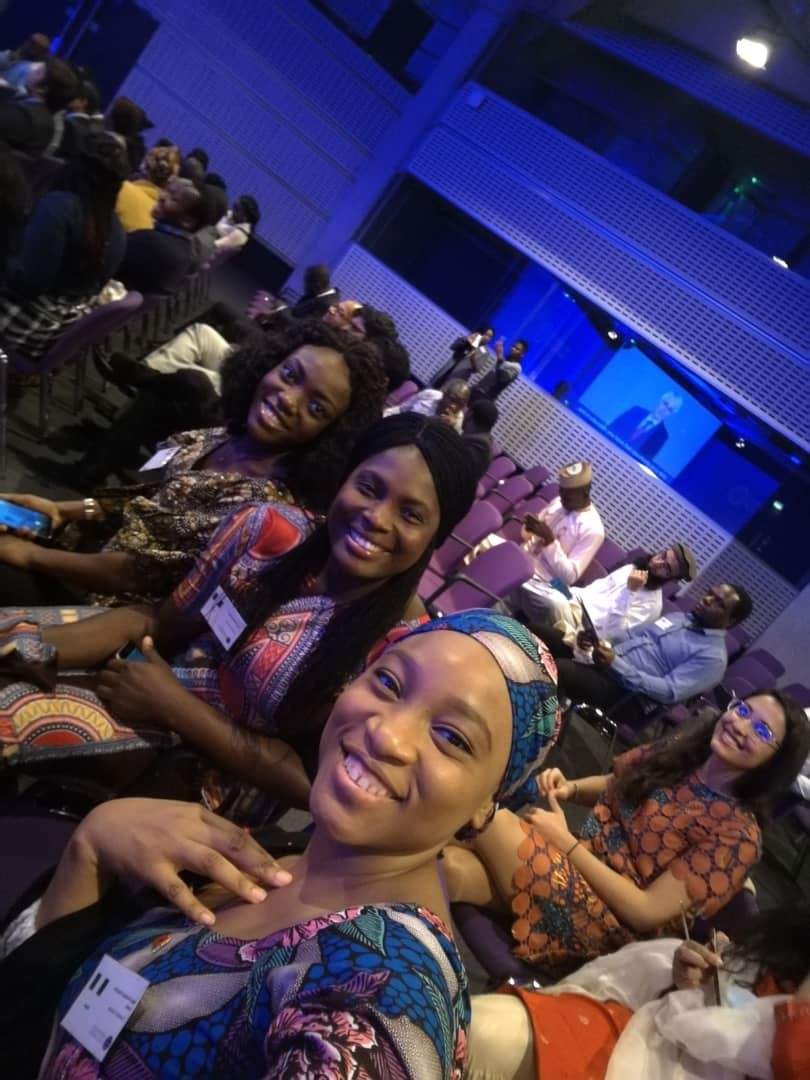
I had the opportunity to attend a Rarefest talk, where I learned about Acromegaly from someone who suffered from it… it was so enlightening. I also visited the Fitzwilliam museum… it was a fun day for me!
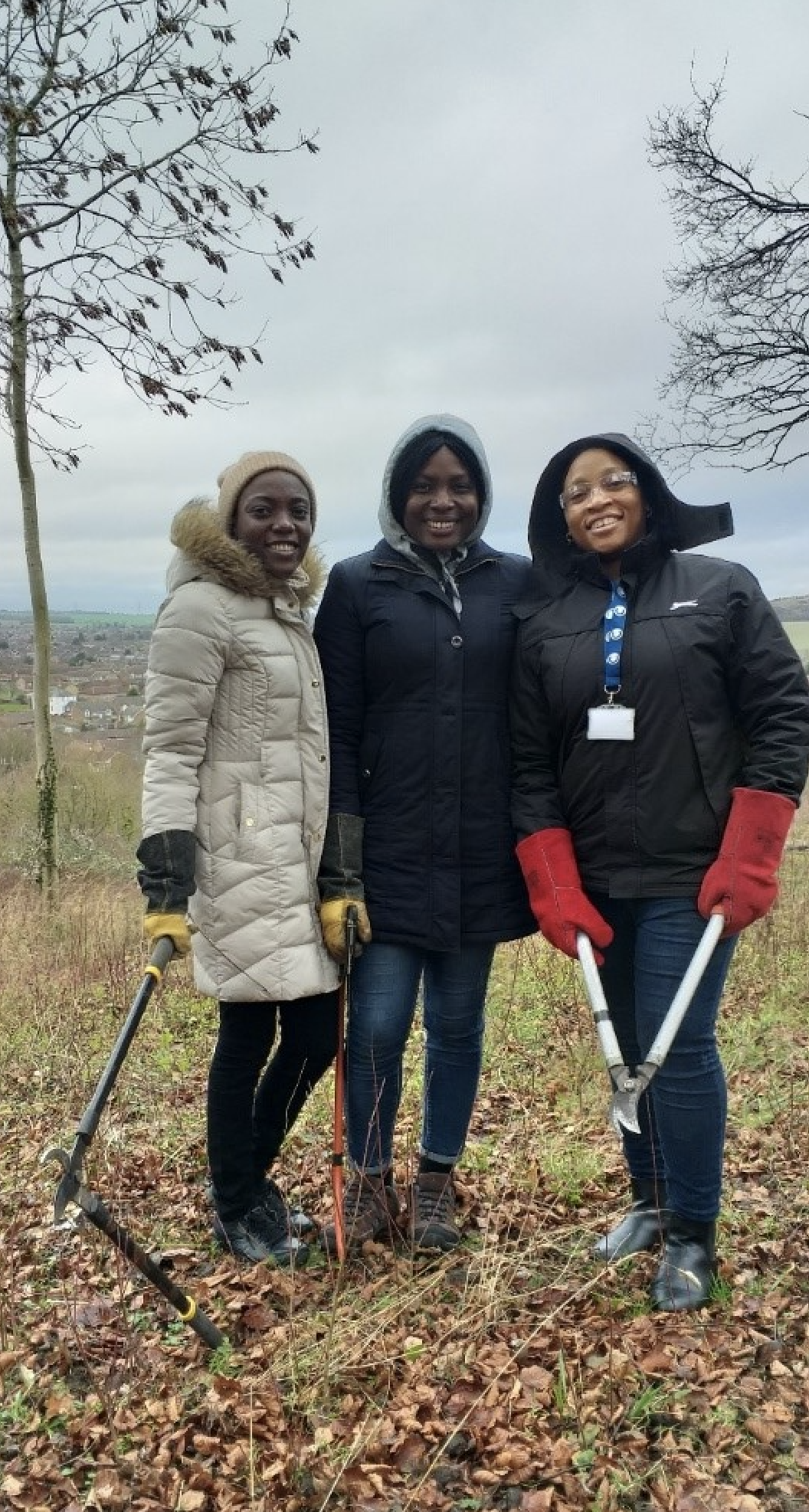
I also volunteered with the Wildlife Volunteering Trust helping to clear out scrub to make grass growing on chalk soil accessible for wildlife. I was in London for the Commonwealth Scholarship Commission welcome event for scholars with friends and I had a great time there too.
All in all it’s been a wonderful three months with ups and downs, but my best blessings have been the wonderful people I’ve met and am still meeting.
And as Dr Ruben Sakrabani will say “studying in Cranfield is like wine… it gets better with age and time”. So I’m getting better with time and my skills are being honed daily!

Categories & Tags:
Leave a comment on this post:
You might also like…
Introducing Kings Norton Library
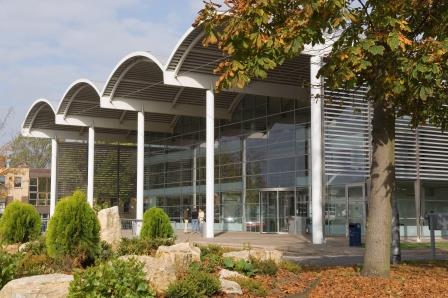
Welcome to all our new students! We are looking forward to meeting you soon. You will find Kings Norton Library in the centre of the Cranfield campus, and it is open 24/7 to all staff ...

Setting your research on the right course: Four questions every researcher should ask
Whether you are just beginning your doctoral journey or are already well into your research career, successful research rarely happens by accident. Like any successful mission, it depends on good planning, informed decisions, and getting ...

5 budgeting mistakes students make (and how to avoid them)
Good financial planning isn't about how much money you have. It's about the habits you build. We asked Dr Lakshmy Subramanian, Course Director for the Banking, Economics and Finance MSc, about the budgeting mistakes ...

Finding your reading materials
Use Library Search Library Search is the first place to start when you are trying to find academic sources for your work. This is the search box on the library website homepage. It allows you ...

Formula 1 was the dream and Cranfield was the conduit
I still remember the exact moment Formula 1 (F1) got its hooks into me. I was in my first year of an aerospace undergraduate engineering degree when I watched a video about the sport ...
Introducing Barrington Library
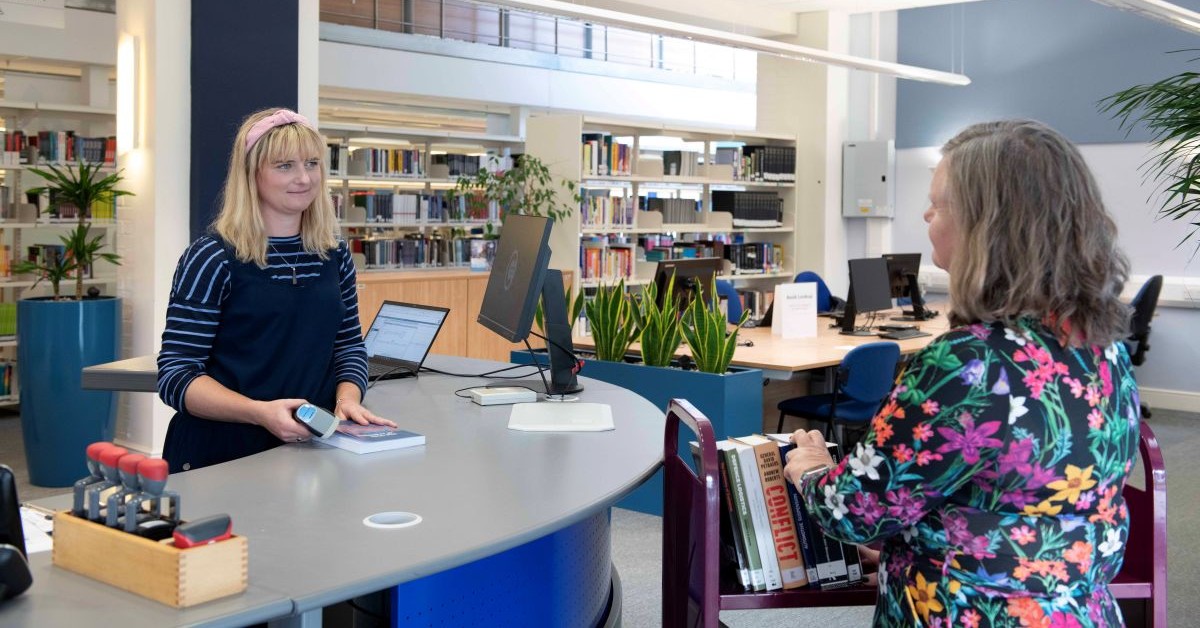
Welcome to all our new students! Barrington Library supports all the students and staff at Cranfield Defence and Security on the Shrivenham site. We are looking forward to meeting you all soon, in person or ...