

Getting equipped for the green economy
12/03/2019
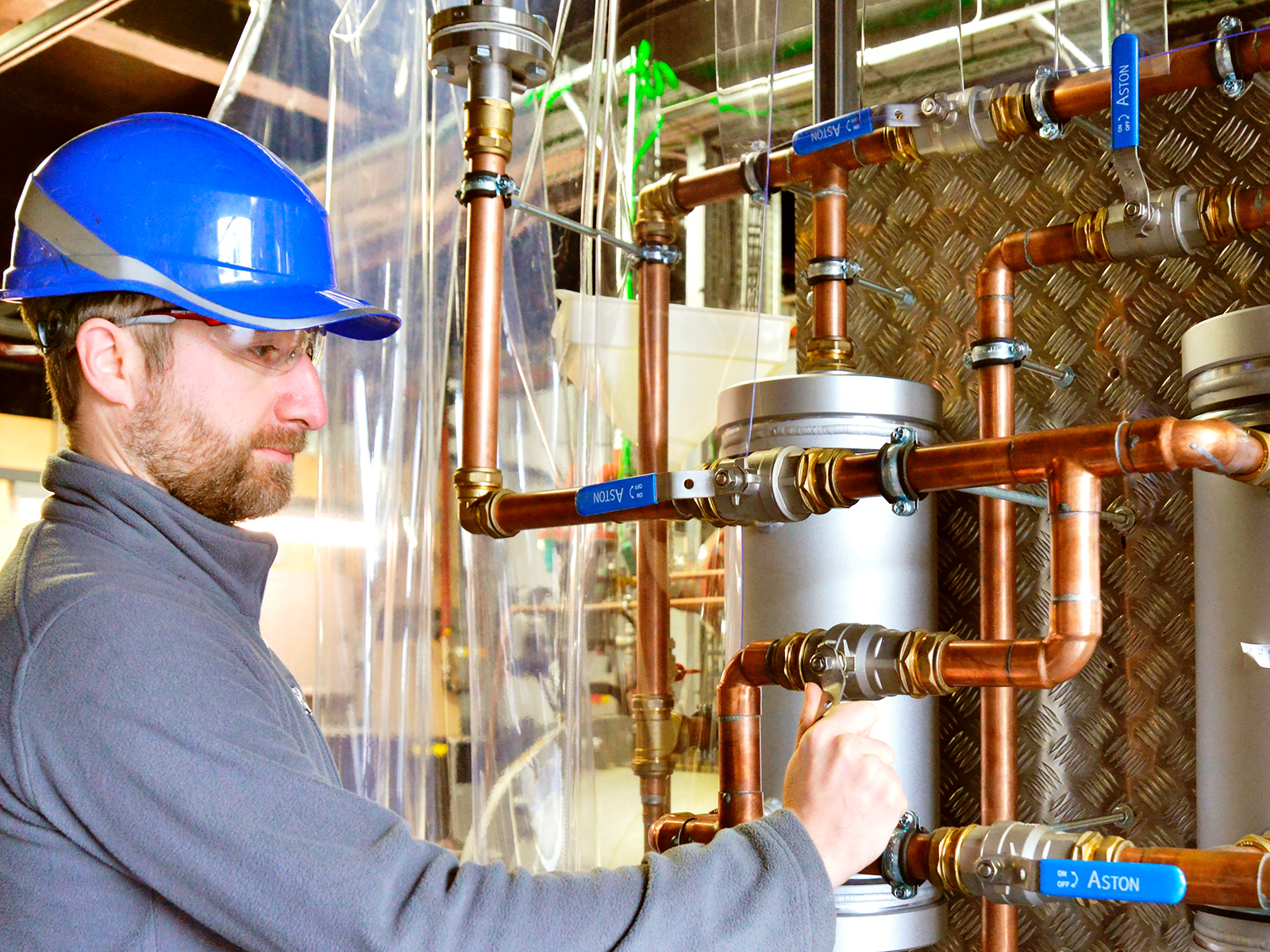
In many advanced economies, the green economy is growing considerably faster than conventional business sectors. As we transition to a lower carbon future and seek to build cities that are resource efficient and smarter, the opportunities for well-paid engineering, technology and management jobs in this sector are considerable, and growing.
Governments are recognising the environmental goods and services sector in their countries as a key source of new jobs, company scale-up, export and, for some, a means of employing a rapidly-growing ‘new generation’. Engineering firms and consultancies are paying well for specialist skills that contribute to major infrastructure projects and are willing to consider professionals who have transitioned between the basic sciences to technology and engineering – where they can show a clear understanding of the green economy and an aptitude for client-focused business engagement.
Jobs in the green economy offer the chance to effect change; they are fast-moving, complex and challenging by their multidisciplinary nature and they are part of the global agenda on “industry 4.0”, the digital revolution. These jobs offer enormous variety with the potential to move between sectors and transition into corporate roles of influence; for example, in advising multinationals on environmental sustainability or as advocates for policy change. Employees in this sector frequently become ‘integrators’, politically astute and strategic in their long-term thinking; competencies that help prepare professionals for executive roles later in their careers.
The key skill for those moving into this field is to develop an authoritative and distinctive voice – to be confident in the capabilities that you have acquired and understand how these can be applied in the workplace. Here at Cranfield, we know employers want specialists that speak the language of business – employees that understand the practical issues faced by the sectors they work in and the business priorities of firms in the green economy. Our postgraduate MSc courses in water, design, energy, environment and agrifood deliver just that – they will transform your ambitions into highly credible prospects for employment and see you armed with the transferable skills in critical thinking, teamwork, project management and communication that employers want of you.
When you undertake a Masters’ degree at Cranfield, you will explore business problems with your peers; be expected to solve real-life challenges; work with colleagues on a gritty industry ‘group project’, our flagship differentiator; and then complete a ‘deep dive’ into a practical research project, delivering your thesis in five months. It’s stretching, but you will emerge ready for work, understanding your strengths and development needs and be able to articulate your goals in a convincing way.
So, if you are a budding engineer, business strategist, entrepreneur or scientist seeking to apply yourself to a lasting global challenge, why not think about employment in the green economy and how a Cranfield Masters could help deliver your goals. We are transforming our Campus to be sustainable and we stand ready to transform your ambitions into the future you hope for. Cranfield – creating leaders in technology and management.

Categories & Tags:
Leave a comment on this post:
You might also like…
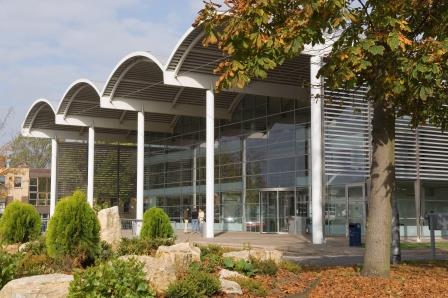
Introducing Kings Norton Library
Welcome to all our new students! We are looking forward to meeting you soon. You will find Kings Norton Library in the centre of the Cranfield campus, and it is open 24/7 to all staff ...

Setting your research on the right course: Four questions every researcher should ask
Whether you are just beginning your doctoral journey or are already well into your research career, successful research rarely happens by accident. Like any successful mission, it depends on good planning, informed decisions, and getting ...

5 budgeting mistakes students make (and how to avoid them)
Good financial planning isn't about how much money you have. It's about the habits you build. We asked Dr Lakshmy Subramanian, Course Director for the Banking, Economics and Finance MSc, about the budgeting mistakes ...

Finding your reading materials
Use Library Search Library Search is the first place to start when you are trying to find academic sources for your work. This is the search box on the library website homepage. It allows you ...

Formula 1 was the dream and Cranfield was the conduit
I still remember the exact moment Formula 1 (F1) got its hooks into me. I was in my first year of an aerospace undergraduate engineering degree when I watched a video about the sport ...
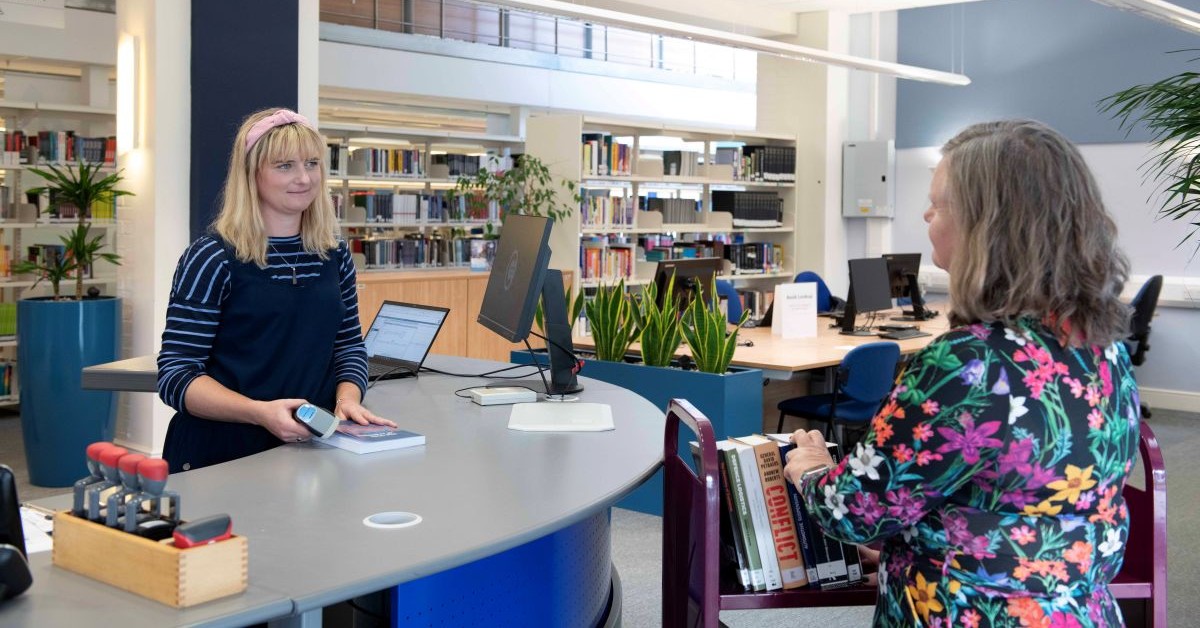
Introducing Barrington Library
Welcome to all our new students! Barrington Library supports all the students and staff at Cranfield Defence and Security on the Shrivenham site. We are looking forward to meeting you all soon, in person or ...