

Can you save lives with Logistics?
11/03/2019
Written by Pernille Darville and Rusudan Gongladze
MSc Students in Procurement and Supply Chain Management
February, 2019
We have no regrets choosing Humanitarian Logistics as one of our electives. Definitely one of the greatest learning experiences we have had at Cranfield University so far! Truly wish this elective could be a core module. In every module you cover throughout the first and second terms, you learn how to improve the efficiency and effectiveness of operations, reduce costs, and boost the profitability of the business. You read that company X achieved Y million in cost reduction by using a certain application. It is all about the commercial supply chain. Well, if you want to experience something new, then, the elective Humanitarian Logistics is a perfect choice!
To be completely honest, this module exceeded all our expectations. It is a great combination of theory, case studies, and discussions in class, concluded with a disaster response simulation. One of the most exciting parts was hearing from four guest speakers with various backgrounds in the field. They all contributed with amazing stories about their time in humanitarian logistics. Their passion and commitment to this field is incredibly inspiring!
So, what exactly is Humanitarian Supply Chain? It is a whole new way of thinking about logistics. Fast decision making under extreme time pressure, where every hour could save lives.
We see the news about natural or man-made disasters occurring throughout the world, and soon after we hear that humanitarian aid was delivered to the beneficiaries. But little do we know what efforts are involved in the background. People who work in this field are willing to sacrifice so much of their own time to help other people in need by providing food, water and medication as needed. This is not an easy task considering the circumstances and that’s why our expertise in logistics and supply chain management becomes a highly valuable capability.
As mentioned above, the amazing guest speakers – David Quinn (Crown Agents), Chris Weeks (DHL), Dr Silvia Rossi Tafuri (World Food Programme) was one of the highlights of the module. For instance, you learn about the disaster response step by step and then you have practitioners in this field sharing their experience when dealing with Hurricane Katrina, Peru Earthquake, Haiti earthquake and many other natural or man-made disasters. So, you get an idea how each part of theory was applied in practice.
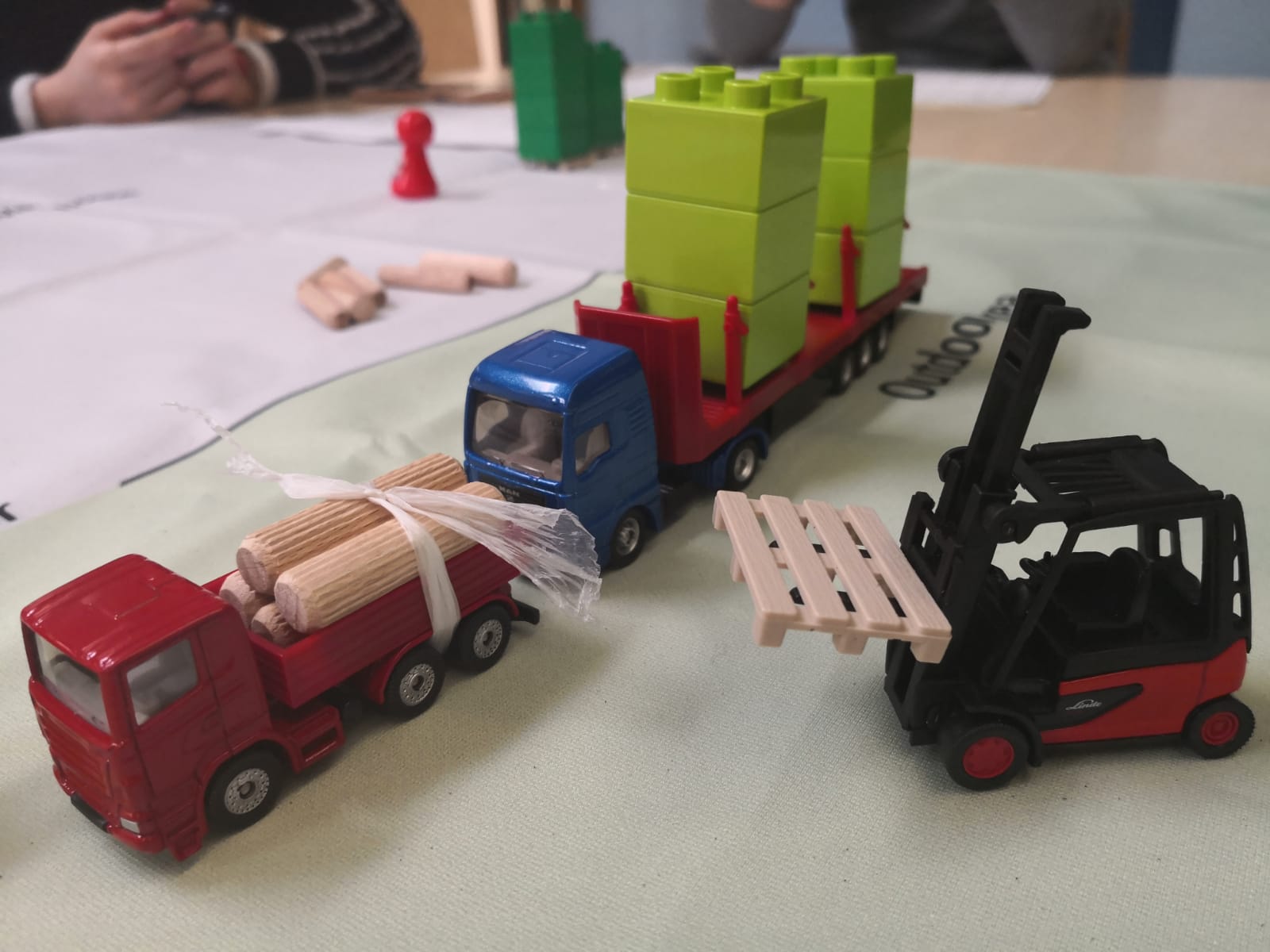
Now the final part – a simulation organised by Chris Weeks (Director of Humanitarian Affairs, DHL) to illustrate the time pressure, confusion, chaos and frustration these logisticians are working under. We were divided into groups of six people. The Group Leaders were given materials – like money, gloves, little warehouses, roles of the team members (Warehouse Manager, Transport Coordinators, etc.), colour coded items (green cubes for food, white for water and so on) and that’s it, we did not even know what kind of disaster we were dealing with, not to mention other essential details. We were just given few minutes to brief our groups.
Chris blew the whistle and the game started! The only information we were given was that we were dealing with an earthquake. But the rest was all chaos: you had to find the beneficiaries, source the equipment, get the humanitarian aid to your warehouse, get through the customs clearance, etc. The entire setup was very real, with all the tension and barriers in place – getting stuck at customs, shortage of equipment due to suddenly increased demand and so on. You also had to do the correct needs assessment so that you would not end up with piles of unnecessary items in your warehouse. This simulation was a great illustration of how complex, chaotic this field is and what a great difference you can make as a supply chain specialist.
It is worth noting that we assumed (but were not told) that we could not collaborate with other teams and it was all about the competition like mostly is the case in the traditional supply chains. If we had joined our efforts with other teams, we could have reached the beneficiaries much faster. As a result, we realised how important teamwork, flexibility, and collaboration are in such scenarios.
This module was a great eye-opener! It is an opportunity for us to actually go out and make a real difference in the world, using our skills and expertise in logistics, procurement and supply chain management. So, to future PSCM/LSCM students: when you are asked to choose the four electives for the 2nd term, make sure Humanitarian Logistics led by Dr Hendrik Reefke together with Ilse Larkin-Sennema (from People in Need), is one of them. It is totally worth it!
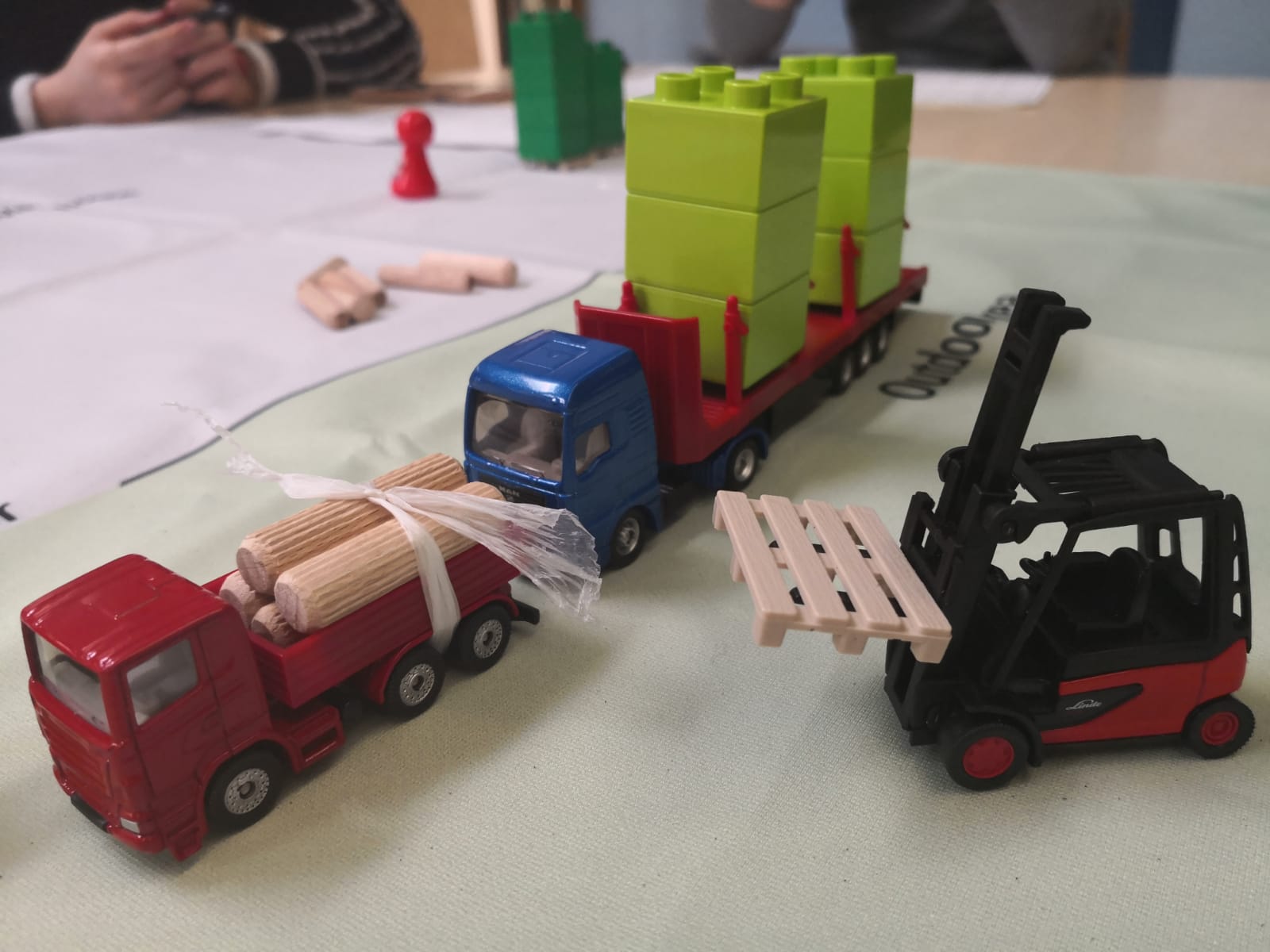
Humanitarian aid is on its way!
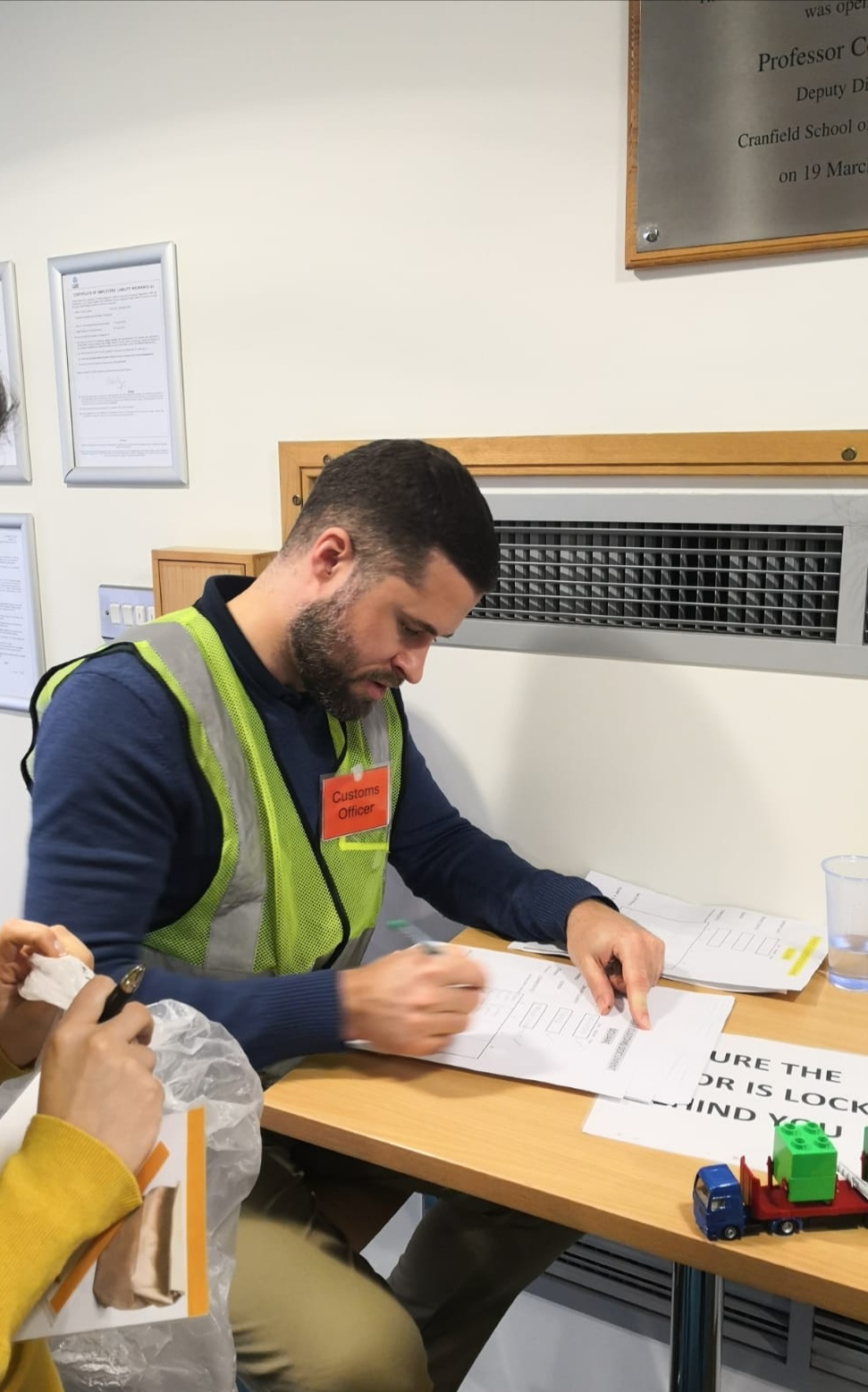
Problems with customs! Bureaucracy is a big challenge!
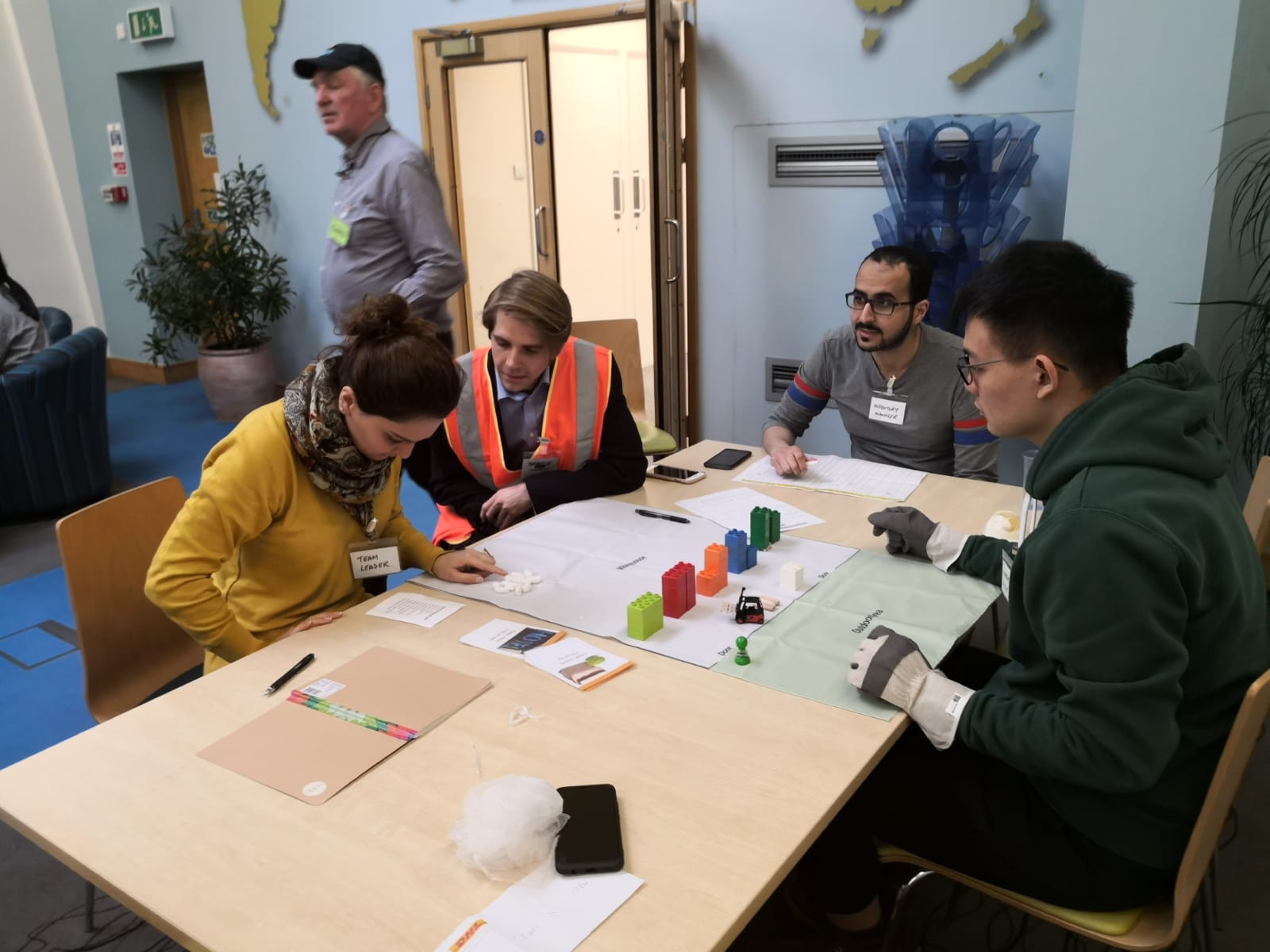
Do we have all necessary items in stock?
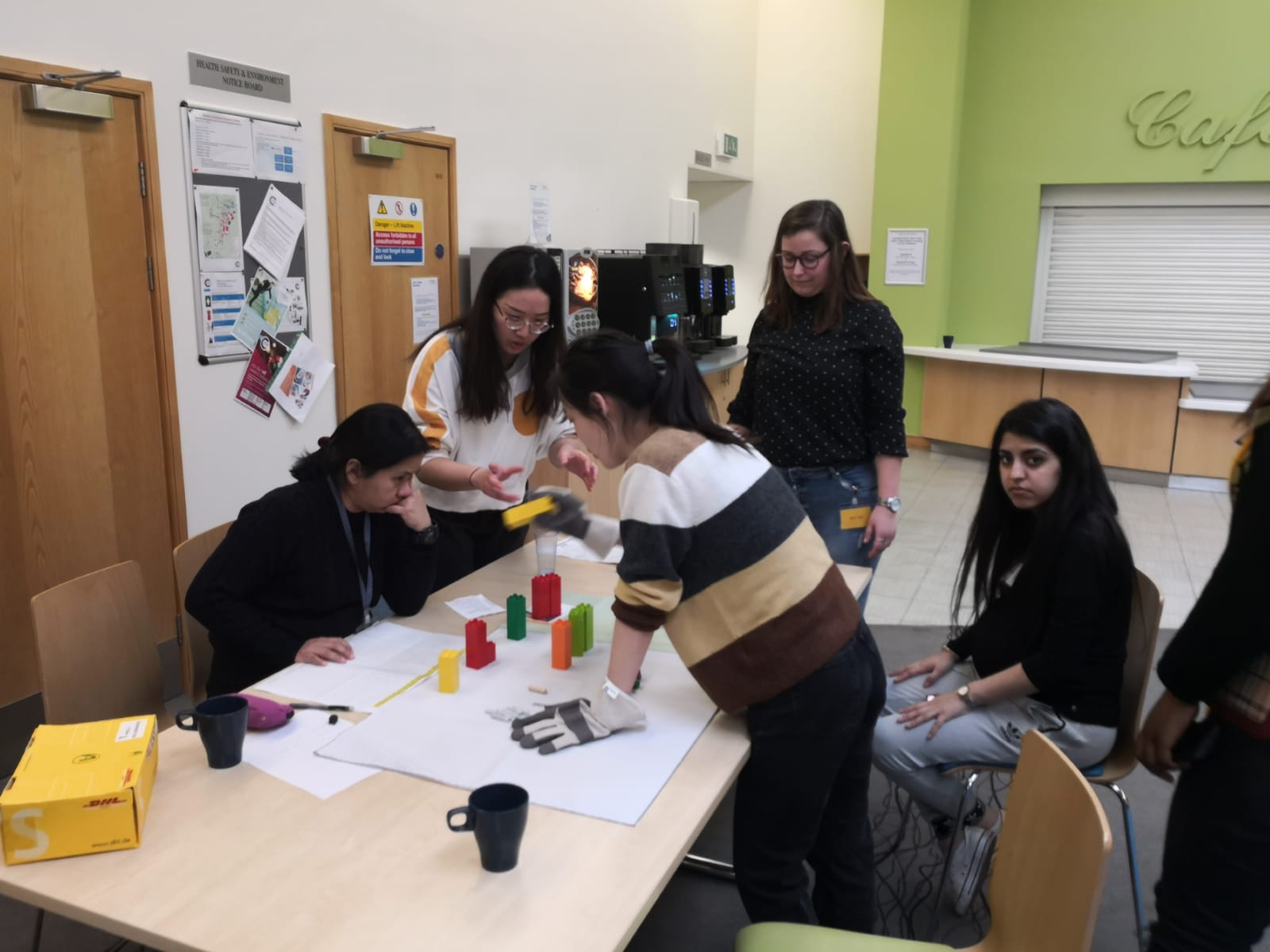
Okay, what do we ship next?
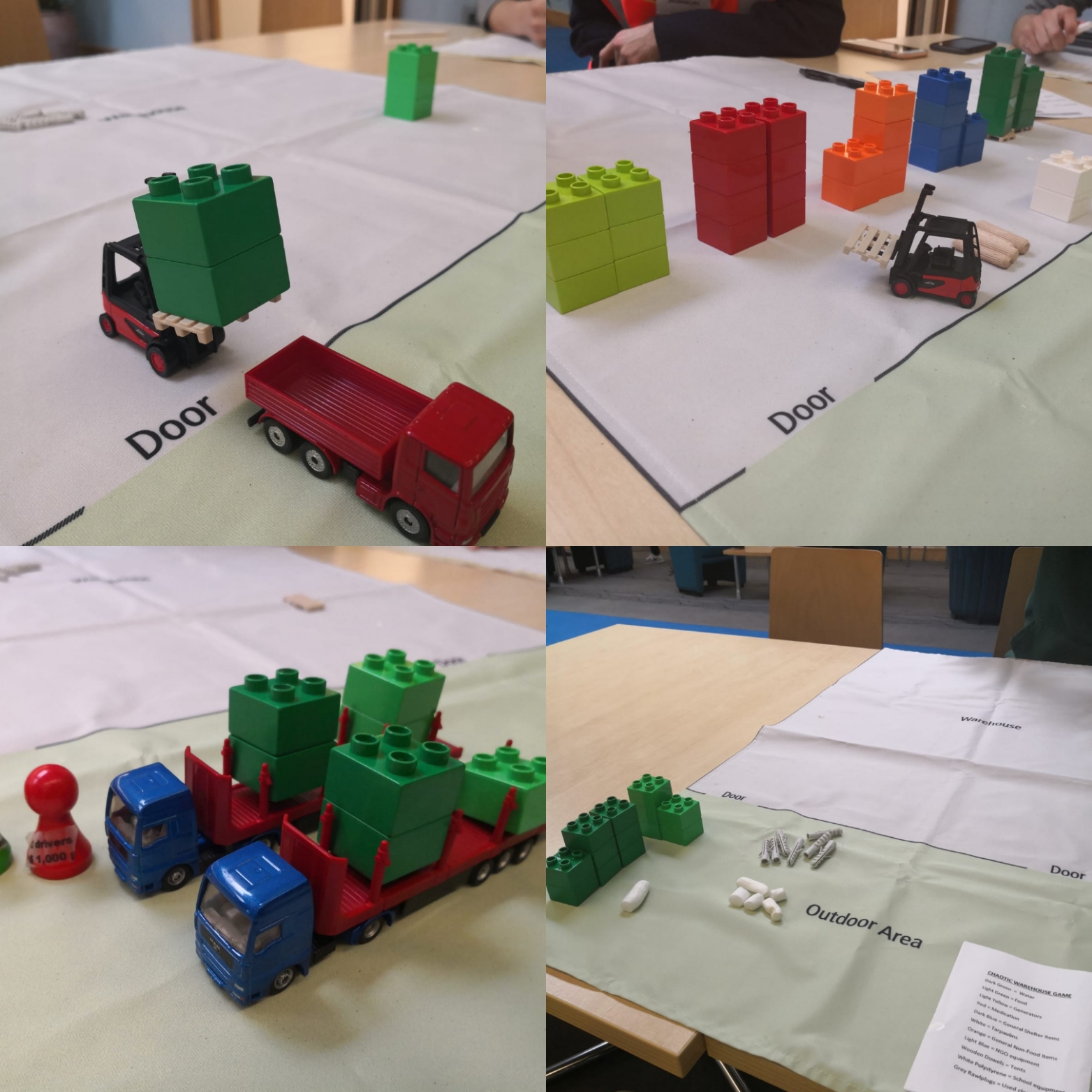
Organizing your warehouse is not an easy task!
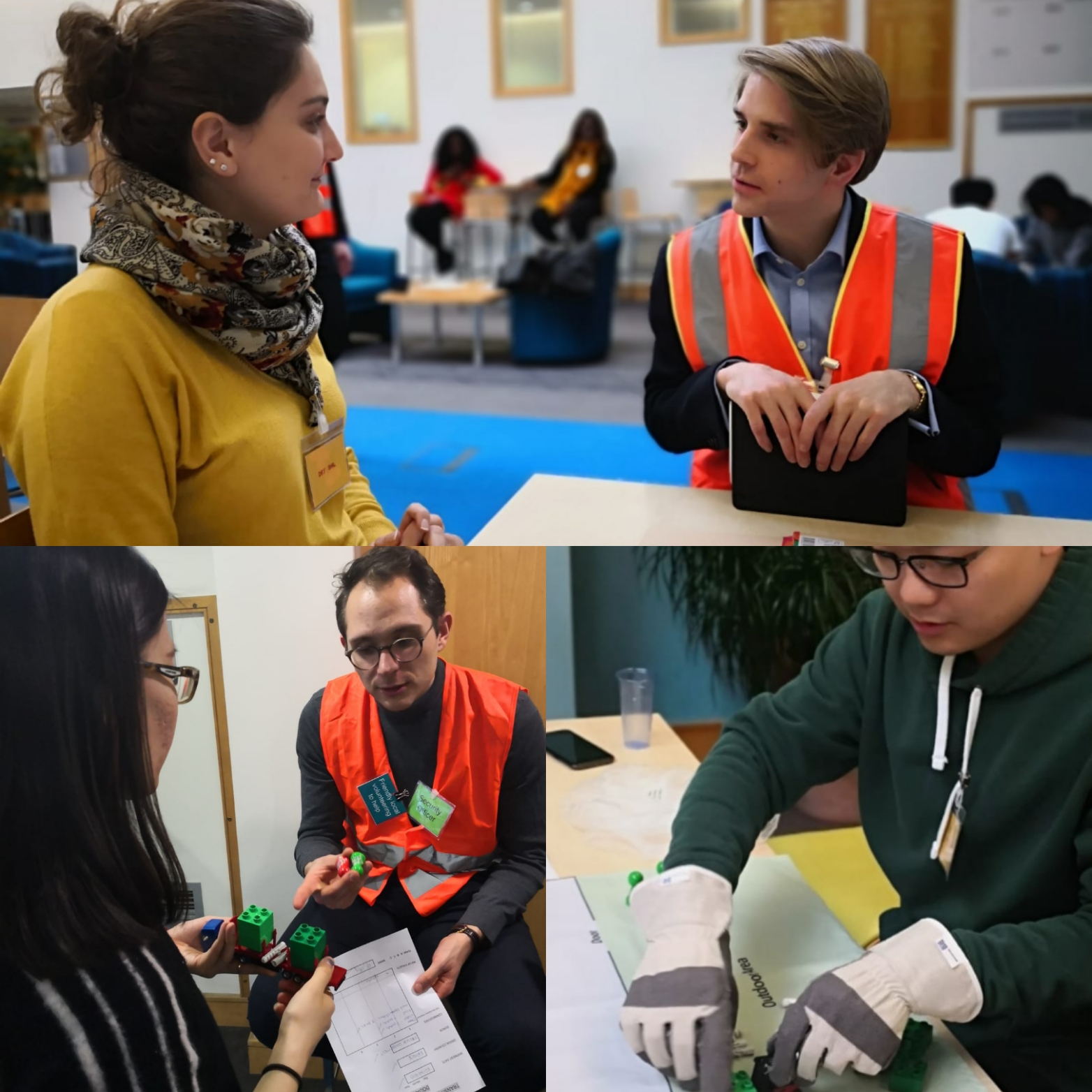
Dealing with journalists, security at customs and making sure that safety procedures at warehouse are followed! You would assume that everybody is contributing to run the process quickly and smoothly. But, in the real life, it is not always the case!
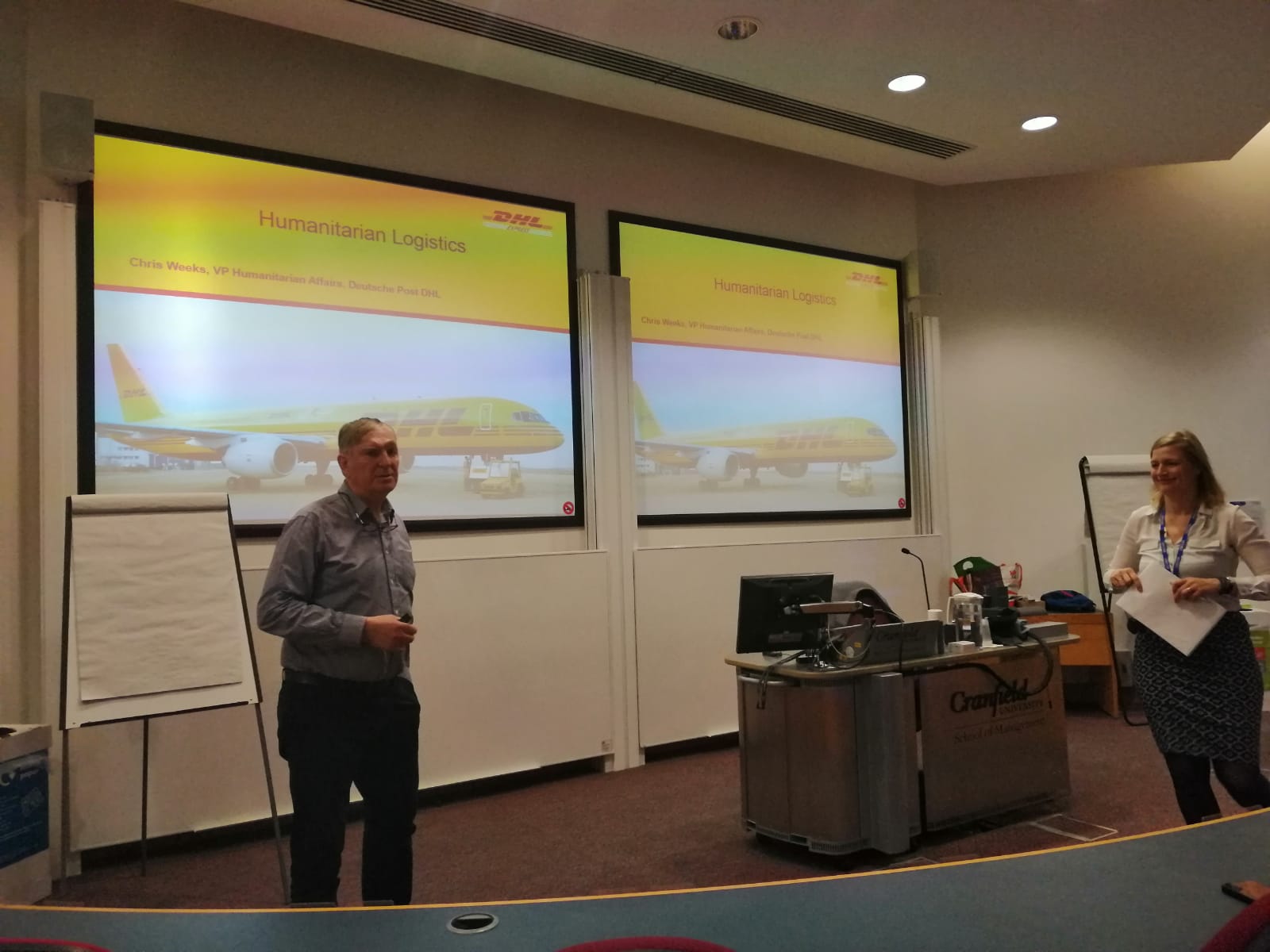
Chris Weeks sharing his knowledge and inspiring experience in the field!
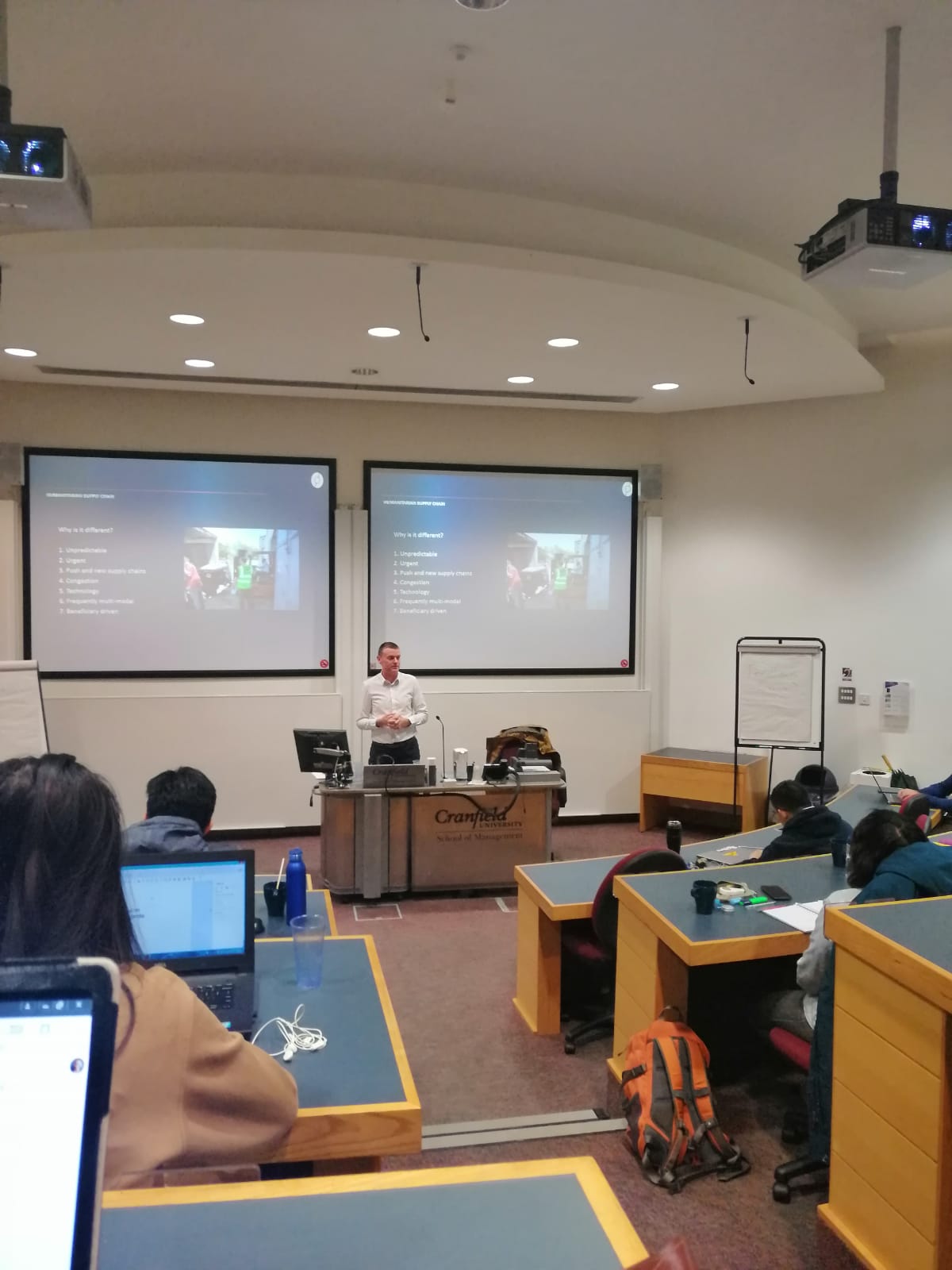
David Quinn taking us through the rapid response for both natural and man-made disasters!
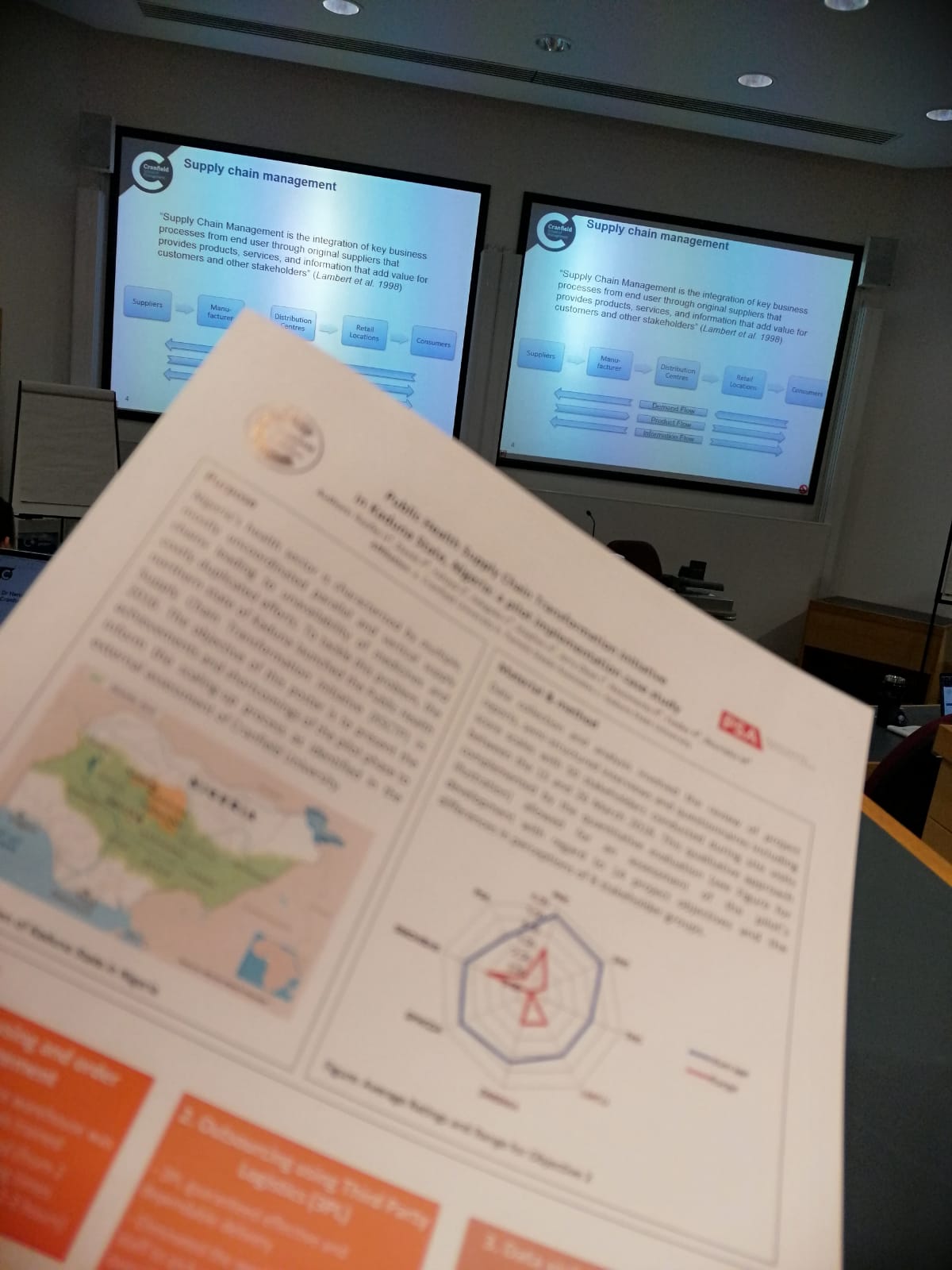
Hendrik Reefke sharing insights on the research in Nigeria Public Healthcare he has been involved in!

Categories & Tags:
Leave a comment on this post:
You might also like…

Setting your research on the right course: Four questions every researcher should ask
Whether you are just beginning your doctoral journey or are already well into your research career, successful research rarely happens by accident. Like any successful mission, it depends on good planning, informed decisions, and getting ...

5 budgeting mistakes students make (and how to avoid them)
Good financial planning isn't about how much money you have. It's about the habits you build. We asked Dr Lakshmy Subramanian, Course Director for the Banking, Economics and Finance MSc, about the budgeting mistakes ...
Finding your reading materials
Use Library Search Library Search is the first place to start when you are trying to find academic sources for your work. This is the search box on the library website homepage. It allows you ...

Formula 1 was the dream and Cranfield was the conduit
I still remember the exact moment Formula 1 (F1) got its hooks into me. I was in my first year of an aerospace undergraduate engineering degree when I watched a video about the sport ...

Introducing Barrington Library
Welcome to all our new students! Barrington Library supports all the students and staff at Cranfield Defence and Security on the Shrivenham site. We are looking forward to meeting you all soon, in person or ...

About to start your journey at Cranfield? We’re here to help!
Congratulations on accepting your offer to study at Cranfield! If you’re keen to get a head start before your course begins, our Library Services team is here to support you every step of the way. ...