


My experience of the Cranfield MBA: MBAT and Zambia trip
26/07/2018
The second and third terms have flown by now. I learnt for the first time about finance and strategy, furthered my learning about project management and returned to one of my favourite undergraduate subjects – macroeconomics.
A highlight of term three was the press conference. Each team was given a scenario, a position in a company and an hour to prepare for a press conference. We were then drilled by reporters whilst we tried to direct the conference to give our message and not give the reporters any negative soundbites.
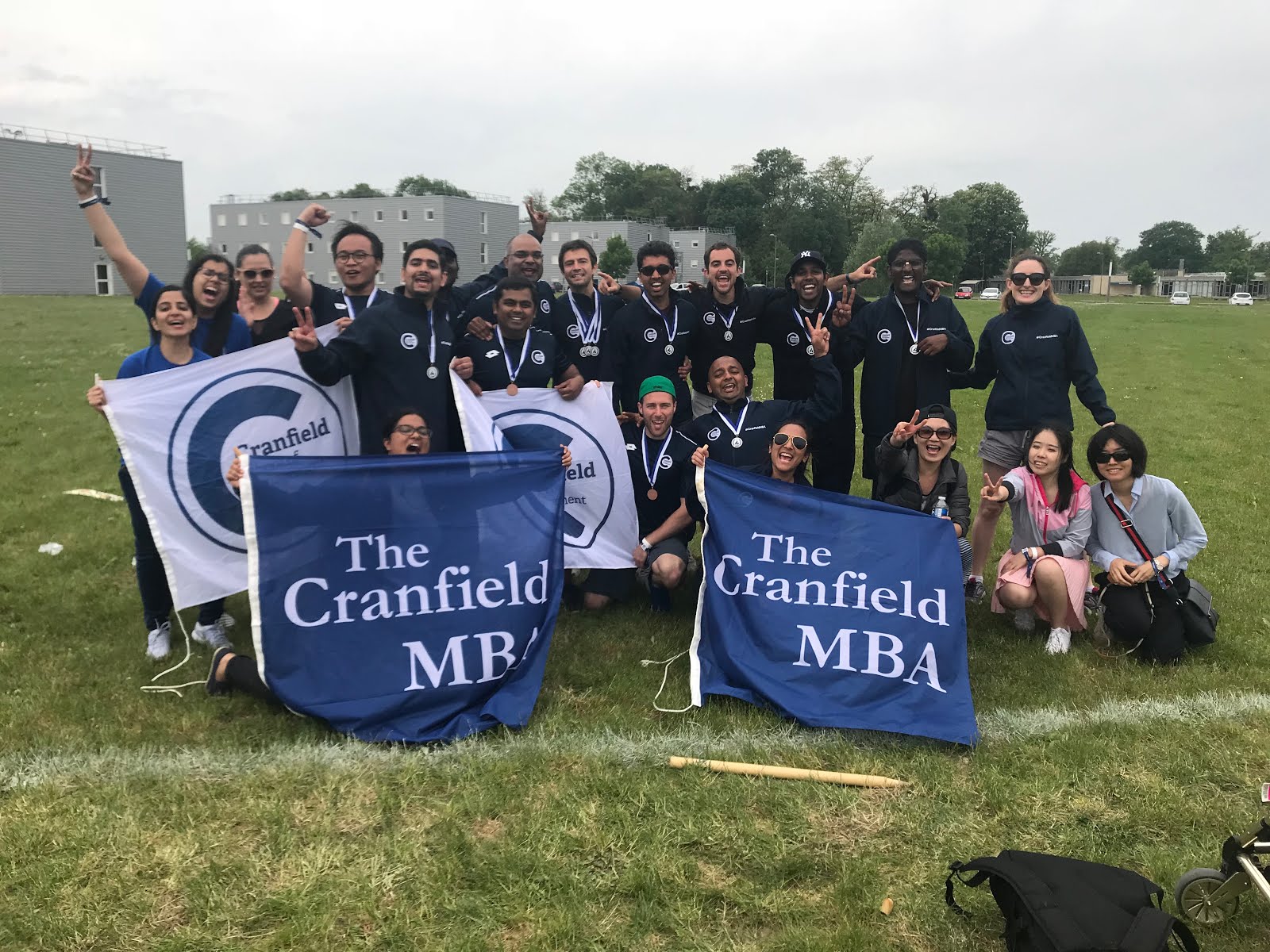
In May, about half our MBA cohort travelled to Paris to compete in the annual MBAT (MBA Tournament); a weekend of sports between the invited universities at HEC University. We played sport during the day and went to social events in the evening. It was actually really good timing to have a bit of a break from the course work and relax for three days.
To round off term three, we have just completed our International Business Assignment. All the students went to either Japan or China for a study tour, or Zambia or Sri Lanka for a week long consulting project. I went to Zambia and with my team did a project at the Lusaka City Council to improve revenues. It was incredibly interesting to understand the problems and challenges that the city council of the capital of Zambia is faced with. The staff at the city council were very welcoming and a number of the senior management team gave us their time to interview them. On the Thursday we went on a tour of some of the council facilities: a training centre where tailoring and food preparation courses were offered, a tailor workshop where various uniforms were made, a council office in one of the informal settlements servicing approximately 90,000 residents, and finally one of the large council run markets. At each of these facilities we were able to interview the manager and discuss what services the council provided and what the major challenges were.
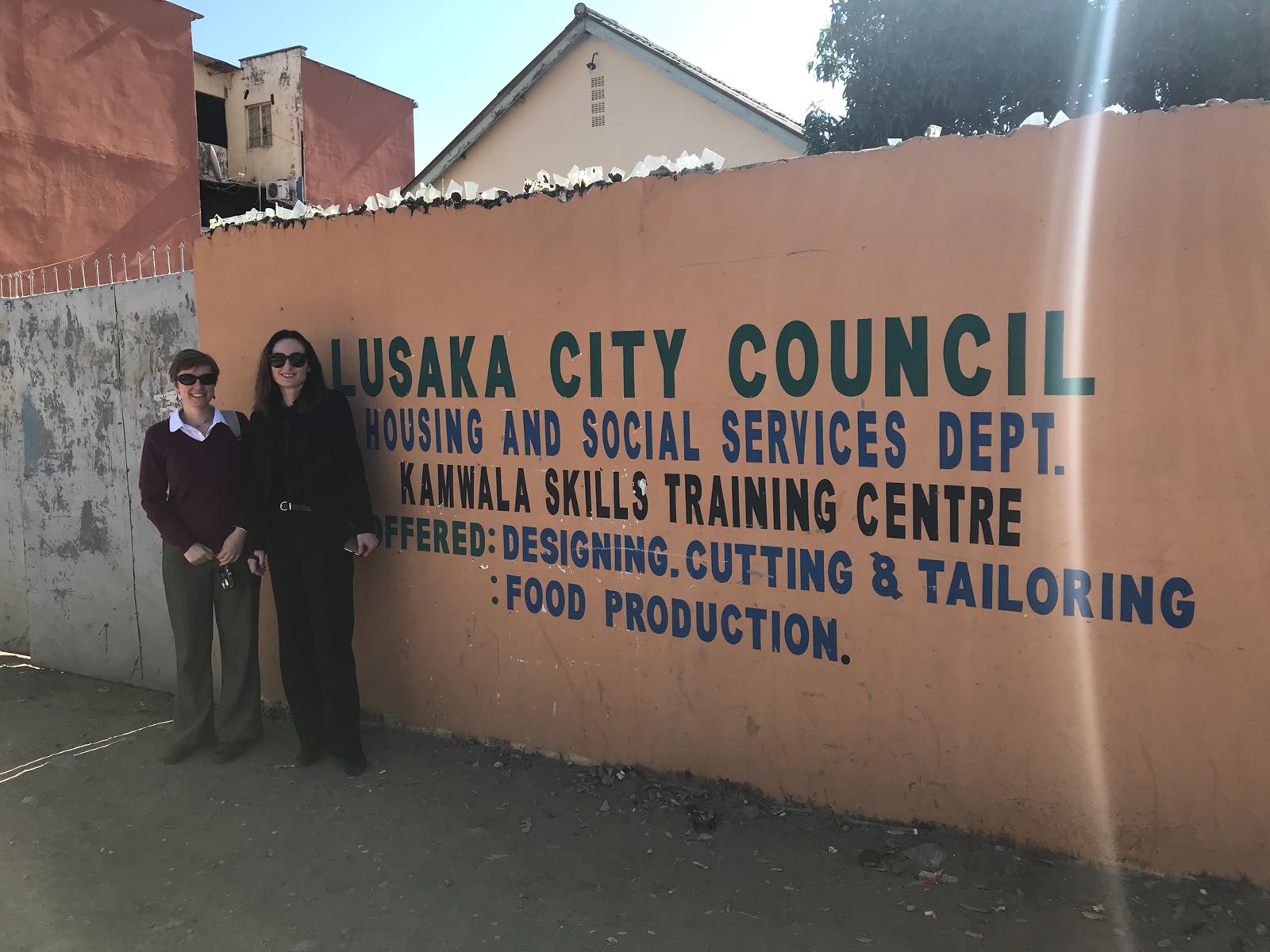
Outside Kamwala Skills Training Centre
Post project, we all went to Livingstone for several days to see Victoria Falls and go on a safari. We saw elephants, zebra, giraffes, white rhinos, hippopotamus, impalas, crocodiles and many birds; it was a truly incredible experience.
Overall it was an exceptional experience, which I will remember for a long time, and made all the more special by the super friendly and relaxed Zambian people.
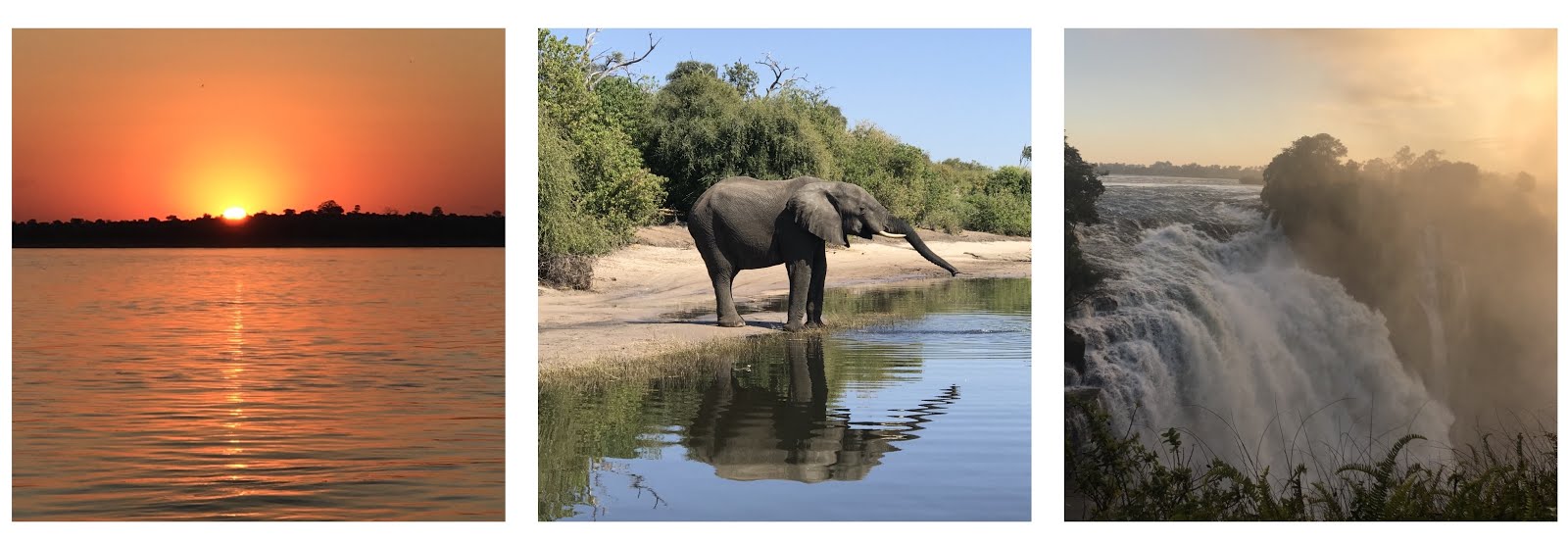
Zambia, Botswana, Zimbabwe

Categories & Tags:
Leave a comment on this post:
You might also like…

5 budgeting mistakes students make (and how to avoid them)
Good financial planning isn't about how much money you have. It's about the habits you build. We asked Dr Lakshmy Subramanian, Course Director for the Banking, Economics and Finance MSc, about the budgeting mistakes ...
Finding your reading materials
Use Library Search Library Search is the first place to start when you are trying to find academic sources for your work. This is the search box on the library website homepage. It allows you ...

Formula 1 was the dream and Cranfield was the conduit
I still remember the exact moment Formula 1 (F1) got its hooks into me. I was in my first year of an aerospace undergraduate engineering degree when I watched a video about the sport ...
Introducing Barrington Library
Welcome to all our new students! Barrington Library supports all the students and staff at Cranfield Defence and Security on the Shrivenham site. We are looking forward to meeting you all soon, in person or ...

About to start your journey at Cranfield? We’re here to help!
Congratulations on accepting your offer to study at Cranfield! If you’re keen to get a head start before your course begins, our Library Services team is here to support you every step of the way. ...
Bank holiday hours for Library Services: Monday 31 August
Library Services staff will be taking a break on Monday 31 August for the bank holiday. You will still be able to access all the resources and help you need via our library website. The 24/7 ...