

What is it like to be a female engineer? International Women in Engineering Day 2018
22/06/2018
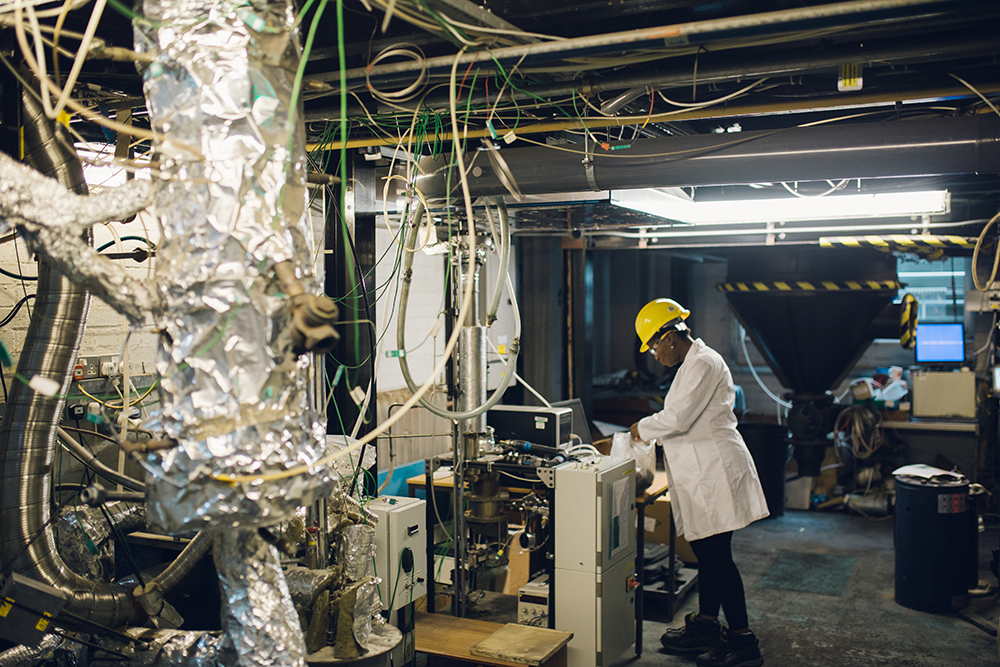
STEM is literally a field where ‘things happen’. It is constantly changing and evolving, whether it is discovering a new chemical compound, working on artificial intelligence, developing a novel technology or finding the best route for drug delivery, it has endless opportunities to learn, advance knowledge and solve real problems.
Personally, I am leading the development of a sanitary micro-combustor ― essentially a technology that can convert human faeces to useful end-products such as clean energy, water etc. This system is part of the development of the Nano Membrane Toilet, which is funded by the Bill and Melinda Gates Foundation for people lacking access to modern sanitation. I found the project so interesting and I consider it an amazing opportunity to solve real problems and provide a one-stop solution to environmental, health and energy problems. It also addresses a fundamental problem ― what we consider as waste and the way we utilise and dispose human waste. These are things that appealed to me on my job. Furthermore, I had acquired knowledge on fuel chemistry and combustion processes; it was a great opportunity to apply that knowledge, develop new solutions and to test new technologies — interesting aspects of my work. Working with real faeces maybe not…but it is for a good cause!
Science has always fascinated me, and engineering, though at a later time, has become my newly-found love. I discovered Saccharomyces cerevisae “Baker’s Yeast” could degrade a wooden mat at lower school. I was so fascinated that I decided right there and then to opt for science. It was the basis for which I studied microbiology, and subsequently biotechnology at university. I am a firm believer in applied sciences, that is ‘discovered science should not end as a publication, it should make life better for people and all living things’. This is what caught my interest in engineering and technology.
My Mum, Professor Perciles Pilidis and Dr Eric Goodger have all been major influences on me and my career (and several other people that would be too long to list). Subjects such as physics, chemistry and biology was second nature to me, because I was surrounded by volumes of science books and magazines at home. My mum played a major part in that. She was a community health nurse and worked on several WHO initiatives – setting up new clinics for rural communities, carrying out public health education and awareness and other activities such as disease screening, immunization etc.
I would consider Professor Perciles Pilidis and Dr Eric Goodger as major influencers in my “Tipping Point” for engineering because they looked past my educational background and pushed the boundaries of knowledge by offering me a PhD position at Cranfield University. It’s a rare opportunity, considering the rigidity of the traditional career path, especially in the engineering workspace.
Working in engineering has been quite challenging, especially when people expect those working in the field to have a certain career path. The approach has been “learning backwards”, debunking myths and applying knowledge to push new boundaries. Essentially, it is not all about the taught education that one has acquired, but what one can do with what you have learned and haven’t.
There is a lot of encouragement of girls to study STEM subjects at the moment; however, I believe that the challenge is not getting girls started, but making sure they finish the race. I consider flexible working as an essential element to keep women in STEM industries, especially for those with parental or caring responsibilities. I think policymakers, educators and industry need to make a better connection between STEM subjects and the broader social impact you can have if you work in this area. From personal experience, engineering appealed to me because I saw the opportunity to solve real problems and prospect of improving the lives of people.
Finally, I would say that it is difficult to work in an environment where there are little or no women to aspire and learn from, so having women role models at senior levels can play a major part in encouraging girls and women in STEM disciplines, and in retaining them.

Categories & Tags:
Leave a comment on this post:
You might also like…

5 budgeting mistakes students make (and how to avoid them)
Good financial planning isn't about how much money you have. It's about the habits you build. We asked Dr Lakshmy Subramanian, Course Director for the Banking, Economics and Finance MSc, about the budgeting mistakes ...
Finding your reading materials
Use Library Search Library Search is the first place to start when you are trying to find academic sources for your work. This is the search box on the library website homepage. It allows you ...
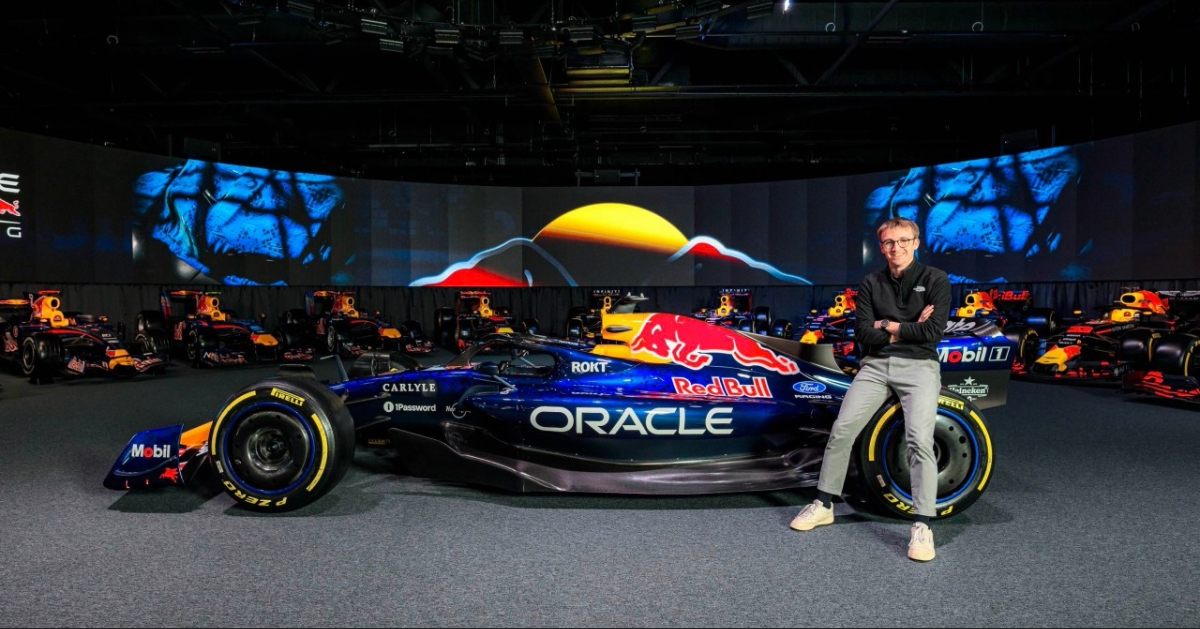
Formula 1 was the dream and Cranfield was the conduit
I still remember the exact moment Formula 1 (F1) got its hooks into me. I was in my first year of an aerospace undergraduate engineering degree when I watched a video about the sport ...
Introducing Barrington Library
Welcome to all our new students! Barrington Library supports all the students and staff at Cranfield Defence and Security on the Shrivenham site. We are looking forward to meeting you all soon, in person or ...
About to start your journey at Cranfield? We’re here to help!
Congratulations on accepting your offer to study at Cranfield! If you’re keen to get a head start before your course begins, our Library Services team is here to support you every step of the way. ...
Bank holiday hours for Library Services: Monday 31 August
Library Services staff will be taking a break on Monday 31 August for the bank holiday. You will still be able to access all the resources and help you need via our library website. The 24/7 ...