

Children’s Day – A call for more investment in education
01/06/2018
Every year, a day is dedicated to honouring children globally. While many countries celebrate Children’s Day on 1st June, the date varies for others – 20th September in Germany, 14th November in India etc. However, a few other countries are aligned with the United Nations, which recognises 20th November as World Children’s Day. In Nigeria, 27th May has been set aside as Children’s Day.
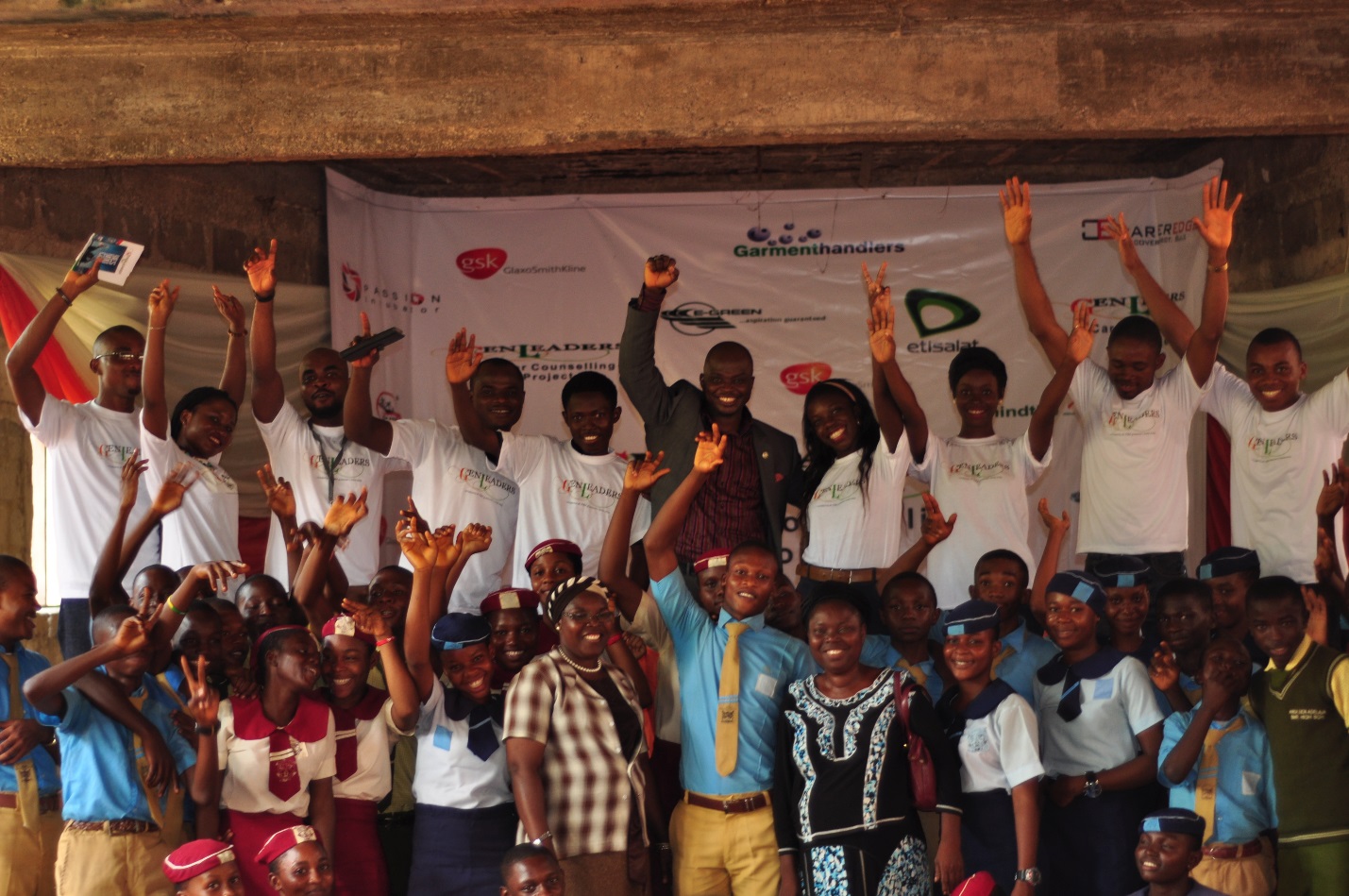
Growing up, I remember representing my school in parades at the National Stadium in Surulere, Lagos on this day with many other schools in attendance. The parade was something to look forward to every year. But for the good memories, I wish there were other value adding activities to engage in. This was one of the reasons I, along with a few friends, started a career counselling project with secondary school students in 2014. That aside, there are other issues about children worldwide that bother me. I will share a few statistics to throw more light and use Nigeria as a case study.
Globally, 263 million children and youths are out-of-school according to data from UNESCO, due to conflicts, gender bias, poverty, among others. For Nigeria, it is estimated at 10.5 million. Given Nigeria’s growing population (above 180 million currently), which the United Nations forecasts to hit over 300 million by 2050, the number of out-of-school children may well double by then if there is no corresponding action to boost access to education. The current situation is however not encouraging. To put it into context, the allocation to the Education sector from Nigeria’s total budget has declined over the years – 8.4% in 2012, 7.9% in 2016 and 7.0% in the 2018 proposed budget. Meanwhile, UNESCO recommends 15 – 20%. Going by this trend, it is safe to say that investment in education has not been a priority. Also, the quality of education is below acceptable standards. The majority of children attend public schools which lack basic learning tools and a conducive environment, whereas those schools where quality education can be accessed are expensive for a large number of families.
As a way forward, I am advocating more attention to the education sector. With increased investment, the government could build new schools, upgrade the facilities in existing ones and remunerate academic staff properly in order to attract and retain them. I would also suggest private sector participation in the development of educational institutions such that companies get tax waivers on the money they invest as an incentive. Achieving this may require a change in tax laws. In addition, I recommend a critical review of the current syllabuses and an overhaul where necessary to ensure that they incorporate new methods of learning with technology. Globally, the adoption of technology has significantly transformed the way students learn. Although this will involve a lot of investment in broadband and technological tools, it is a more sustainable option compared with building schools to meet the population growth. For instance, students may not have to be in school physically all the time if they have access to online resources and teaching aids.
In conclusion, the issues highlighted above are not specific to Nigeria. In 2015, the nations of the world committed to achieving 17 Sustainable Development Goals (SDGs) by 2030. Number 4 of the SDGs is to ensure inclusive and equitable quality education and promote lifelong learning opportunities for all. Achieving this goal will have a huge impact on the other SDGs. Through innovative thinking, pragmatic solutions and collaborative efforts, access to quality education is possible for all uneducated children around the world, including those in Nigeria.
HAPPY CHILDREN’S DAY

Categories & Tags:
Leave a comment on this post:
Comments are closed.
You might also like…

Formula 1 was the dream and Cranfield was the conduit
I still remember the exact moment Formula 1 (F1) got its hooks into me. I was in my first year of an aerospace undergraduate engineering degree when I watched a video about the sport ...
Introducing Barrington Library
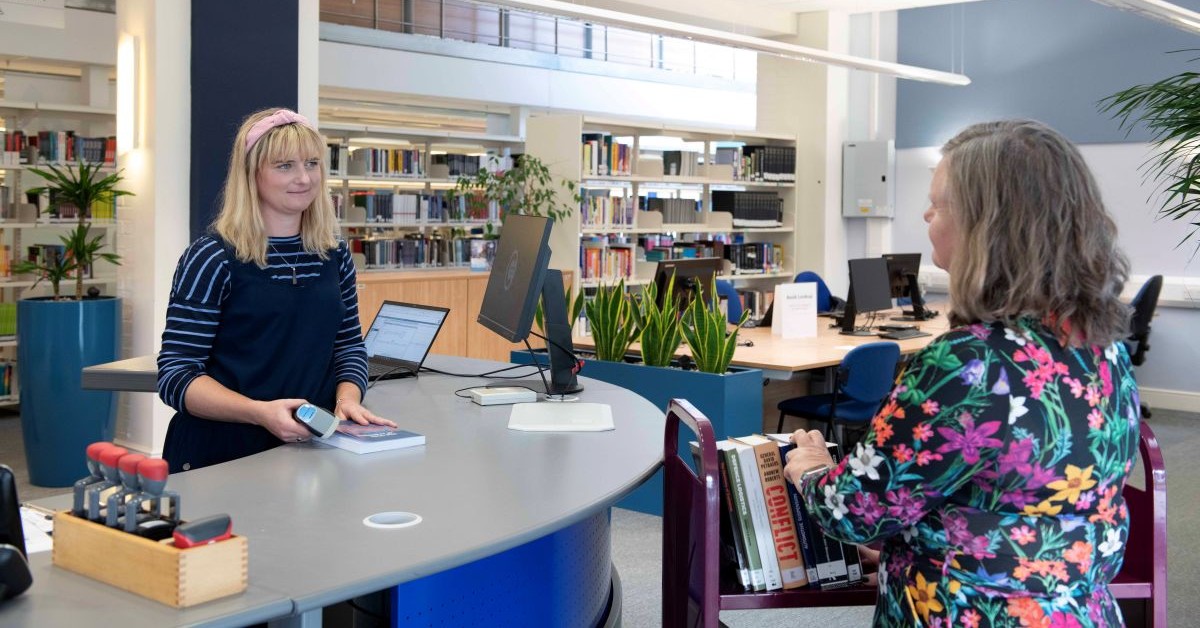
Welcome to all our new students! Barrington Library supports all the students and staff at Cranfield Defence and Security on the Shrivenham site. We are looking forward to meeting you all soon, in person or ...

About to start your journey at Cranfield? We’re here to help!
Congratulations on accepting your offer to study at Cranfield! If you’re keen to get a head start before your course begins, our Library Services team is here to support you every step of the way. ...

Bank holiday hours for Library Services: Monday 31 August
Library Services staff will be taking a break on Monday 31 August for the bank holiday. You will still be able to access all the resources and help you need via our library website. The 24/7 ...

The real cost of studying in the UK – what international students need to budget for
Moving overseas to pursue a postgraduate degree is one of the most exciting investments you can make in your future. It's also one of the most significant financial commitments you and your family will ...
Seven things you should definitely prepare for before studying at Cranfield University
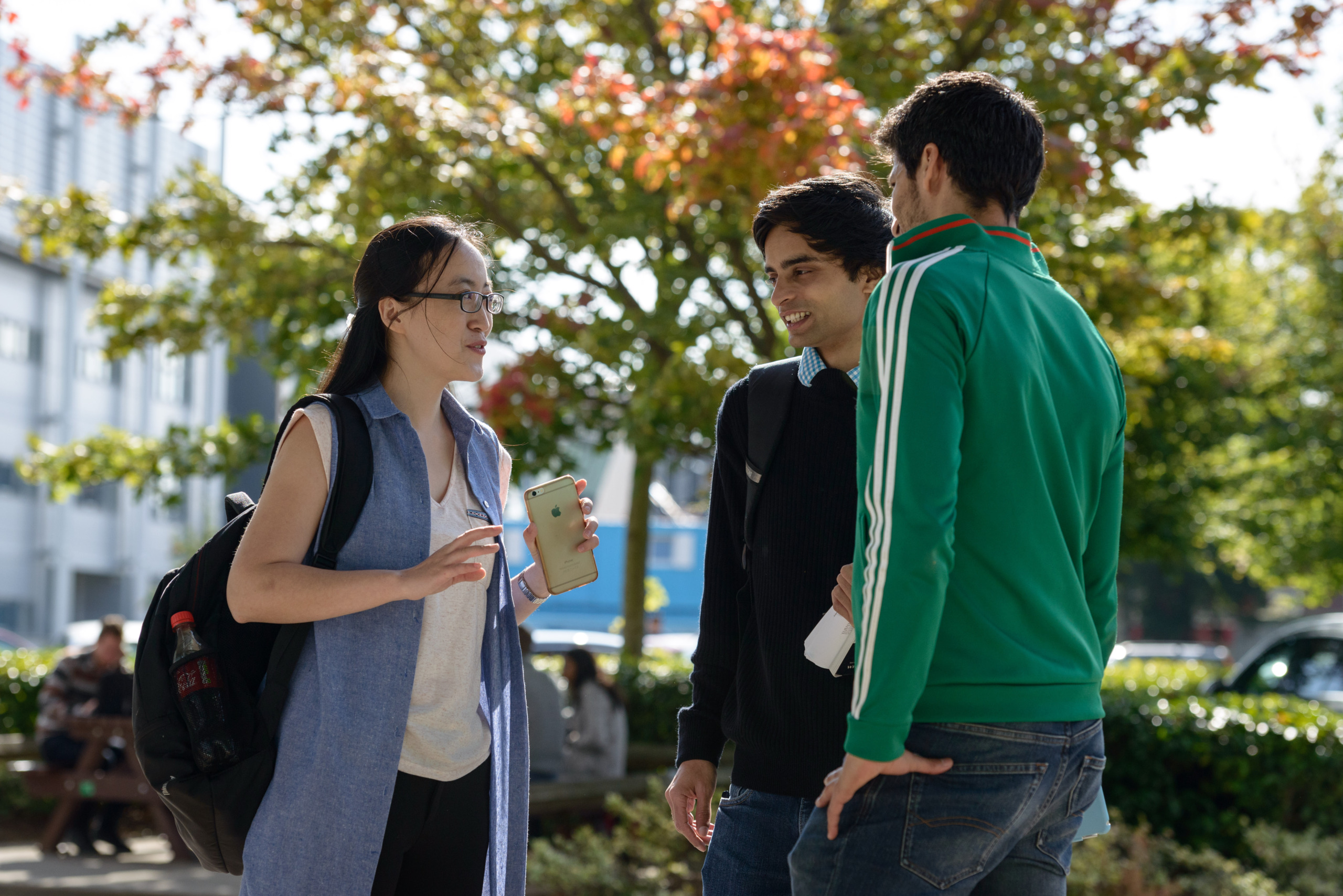
You're thinking about Cranfield. Maybe you've done the virtual tour, read through the course pages, spoken to the course director or attended a webinar. Now, you're trying to figure out what life here is ...
Education must reflect the transformational changes in our life – the way we communicate, collaborate, think, work, network, and celebrate. This change will come when we will make changes in our thoughts. These changes are possible only when you let edupreneurs grow.
I am agree with your thoughts