


CORD is now live in the new Cranfield Repository (CERES)!
08/07/2024

Last Wednesday, 3 July, we launched a new joint platform for our CORD and CERES systems. It will enable us to manage and share Cranfield’s research data and publications in one place.
The fresh, modern interface will showcase our outputs, increasing their impact and improving their visibility. It will also allow us to show clear relationships between publications and their underlying data.
You can access the new repository using existing links. You will find CORD under the “Research data and software” section in CERES.
What has happened to existing data?
Any content that was stored in either CORD or CERES has been transferred to the new system and the DOIs for individual files will be the same.
How can I deposit data into the new system?
Data will be added via the new CORD request form. Read more here on how to deposit into the repository.
Why was this work carried out?
This project formed a significant part of Phase 2 of the new CRIS implementation. It means that all three systems will be fully integrated as well as streamlining ongoing hosting and technical support. You will have a much more user-friendly system to store and manage your research publications and data.
For more information on the repository, please see our new governance documents.
What next?
We will now be moving on to the final phase of the project, where we will be working on adding new features such as Altmetrics scores.

Categories & Tags:
Leave a comment on this post:
You might also like…
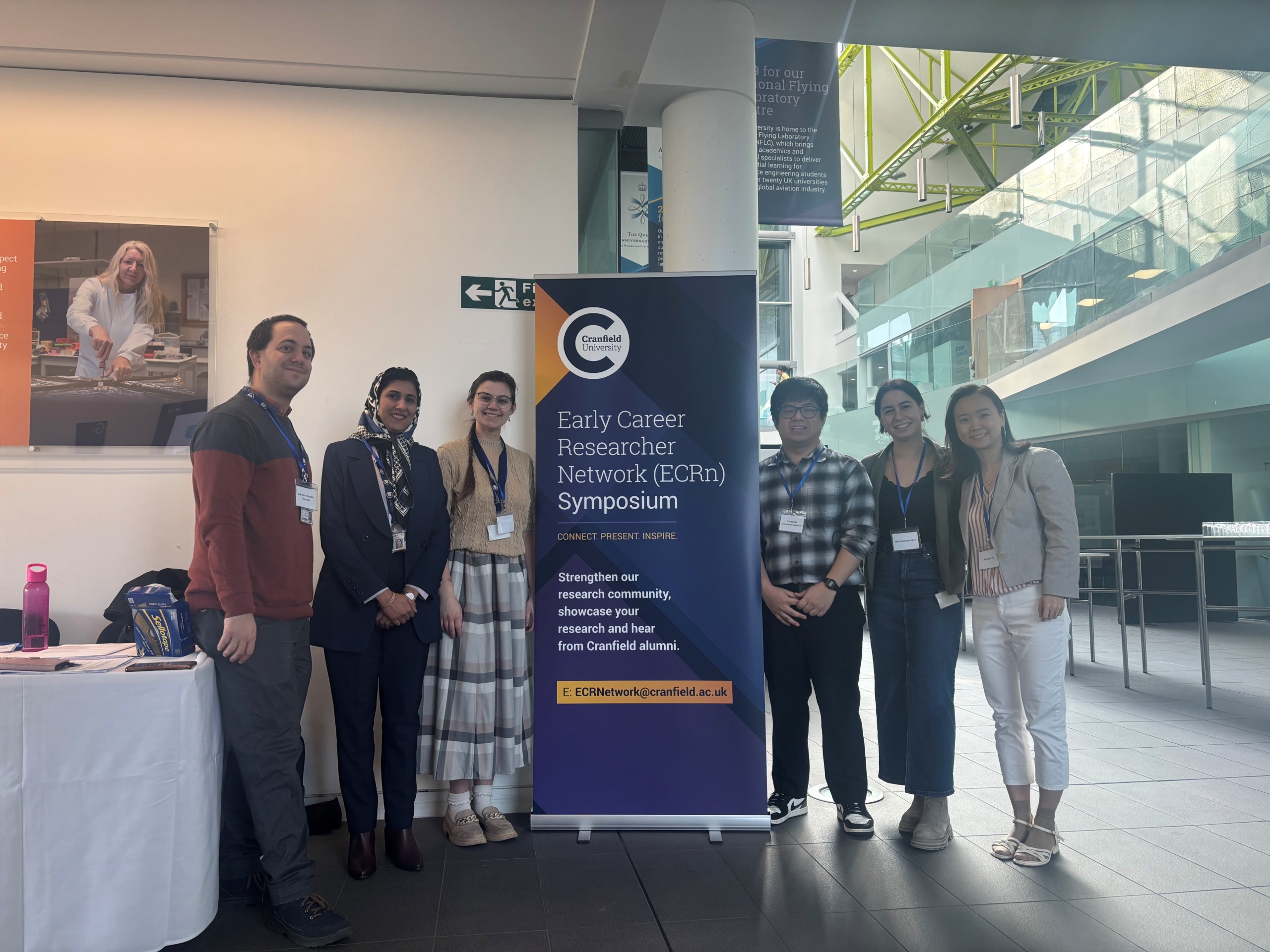
Building more than research: Reflections from the ECRn Symposium 2026
There’s something quietly powerful about a room full of early career researchers. Not just the ideas, although there were plenty of those—but the conversations, the curiosity, and the sense that everyone is figuring things ...

Library services over Easter, 3-6 April
Kings Norton Library will remain open for study 24/7. You will need your University ID card to enter the building and can use the self-service machines to borrow and return items as usual. Barrington Library ...

How do I access the full-text of Harvard Business Review (HBR)?
This is a frequently asked question, and it's worth knowing how to access this key management journal. So, how do you access HBR in full-text? The short answer is via our eJournals finder. You can find ...

Engineering problem to solve? Let Knovel help you find a solution
Did you know that Knovel provides you with more than just eBooks? Knovel is a key database for many engineering, mechanical and materials courses here at Cranfield University, and contains content from an extensive range ...

What happens when female scholars meet influential leaders?
On the 5 March 2026, our British Council Women in STEM Scholars had the privilege of sitting down with two excellent role models of industry and academia: Professor Dame Karen Holford, ...
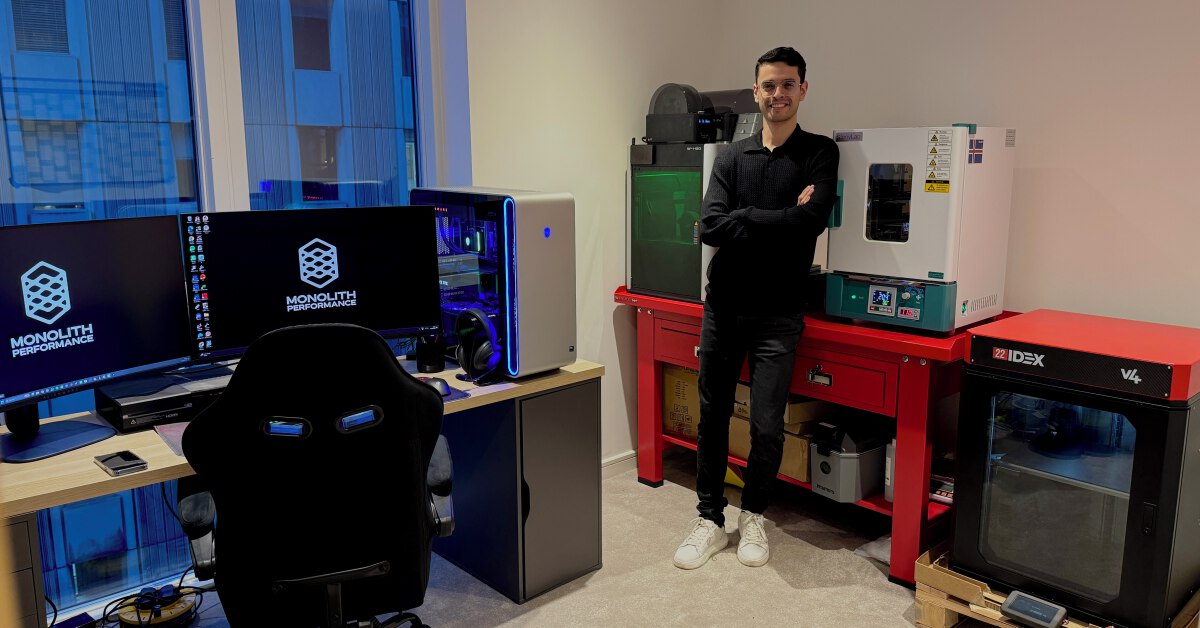
From MSc to CEO: Igniting a research revolution
For many, a master’s degree is achieving a big milestone. Kilyan Ocampo, Computational Fluid Dynamics alumni shares how studying at Cranfield helped launch his career in the energy sector. Today, Kilyan ...