

Introducing the KEF (Knowledge Exchange Framework)
17/10/2023

You’ve heard about the REF, now learn about the KEF!
The 2023 Knowledge Exchange Framework results were recently announced. Cranfield performed well in the areas of working with businesses, and Intellectual Property (IP) and commercialisation.
Why is the Knowledge Exchange Framework (KEF) important to Cranfield?
Developed by Research England, the annual KEF exercise provides a range of information about the knowledge exchange activities of English Higher Education Institutions (HEIs). This covers how each institution works with external partners, from businesses to community groups, for the benefit of the economy and society.
The KEF has an important role to play in providing rich evidence of our strengths in Knowledge Exchange relative to other institutions as well as supporting continuous improvement. It broadly showcases Knowledge Exchange in seven ‘Perspectives’:
- Public and community engagement
- IP and commercialisation
- Local growth and regeneration
- Research partnerships
- Working with business
- Working with the public and third sector
- Research Partnerships
To date the KEF has not been linked to funding. However, it is anticipated that in future KEF will be used to inform Knowledge Exchange funding allocations such as the Higher Education Innovation Fund (HEIF; worth £5.17M to Cranfield University, 2022/23). Cranfield is one of 25 HEIs that currently receives the maximum HEIF allocation; something that we are keen to continue.
What can you do to help?
The data that contributes towards the KEF is taken from several sources. To maximise the visibility of our Knowledge Exchange activities and ensure we are assessed accurately, it is key that we feed our data into those sources.
Two metrics sit beneath Research partnerships:
(1) Contribution to collaborative research (cash) as a proportion of public funding and,
(2) Co-authorship with non-academic partners as a proportion of total outputs.
Should you be in a position where you co-author a publication with a non-academic partner, please ensure that they have made clear their organisation affiliation, and their contribution to the publication. The Cranfield policy on Authorships outlines how contribution should be signposted, by using the CRediT taxonomy. This will ensure the work is picked up and acknowledged by the KEF exercise, and improve Cranfield’s next KEF results.
Further support
If you have any questions about the KEF please contact Sandra Messenger.
If you would like advice about the use of CRediT in your publications, please contact your Research Support Librarian.
Image by Gerd Altmann from Pixabay

Categories & Tags:
Leave a comment on this post:
You might also like…
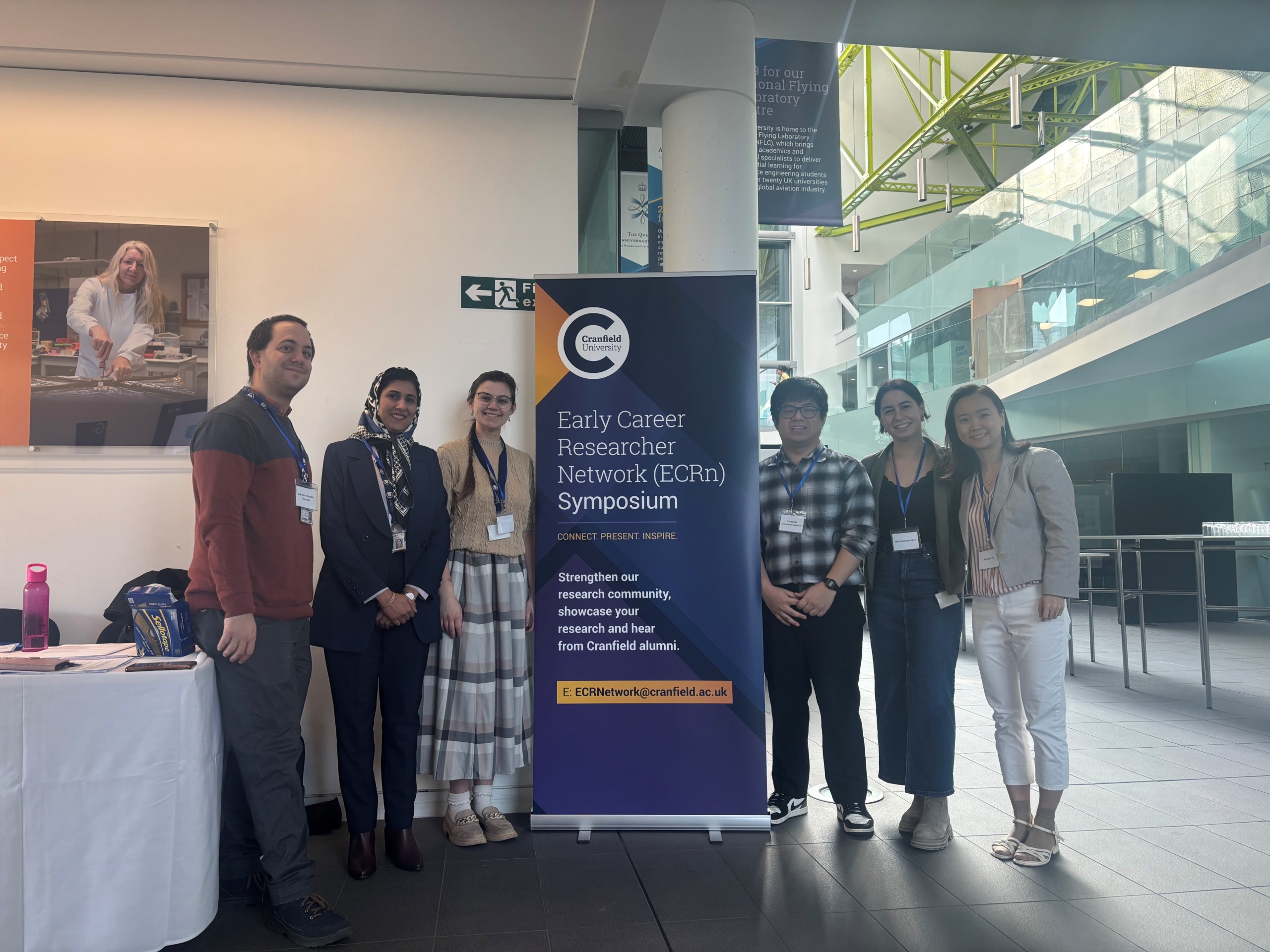
Building more than research: Reflections from the ECRn Symposium 2026
There’s something quietly powerful about a room full of early career researchers. Not just the ideas, although there were plenty of those—but the conversations, the curiosity, and the sense that everyone is figuring things ...

Library services over Easter, 3-6 April
Kings Norton Library will remain open for study 24/7. You will need your University ID card to enter the building and can use the self-service machines to borrow and return items as usual. Barrington Library ...

How do I access the full-text of Harvard Business Review (HBR)?
This is a frequently asked question, and it's worth knowing how to access this key management journal. So, how do you access HBR in full-text? The short answer is via our eJournals finder. You can find ...

Engineering problem to solve? Let Knovel help you find a solution
Did you know that Knovel provides you with more than just eBooks? Knovel is a key database for many engineering, mechanical and materials courses here at Cranfield University, and contains content from an extensive range ...
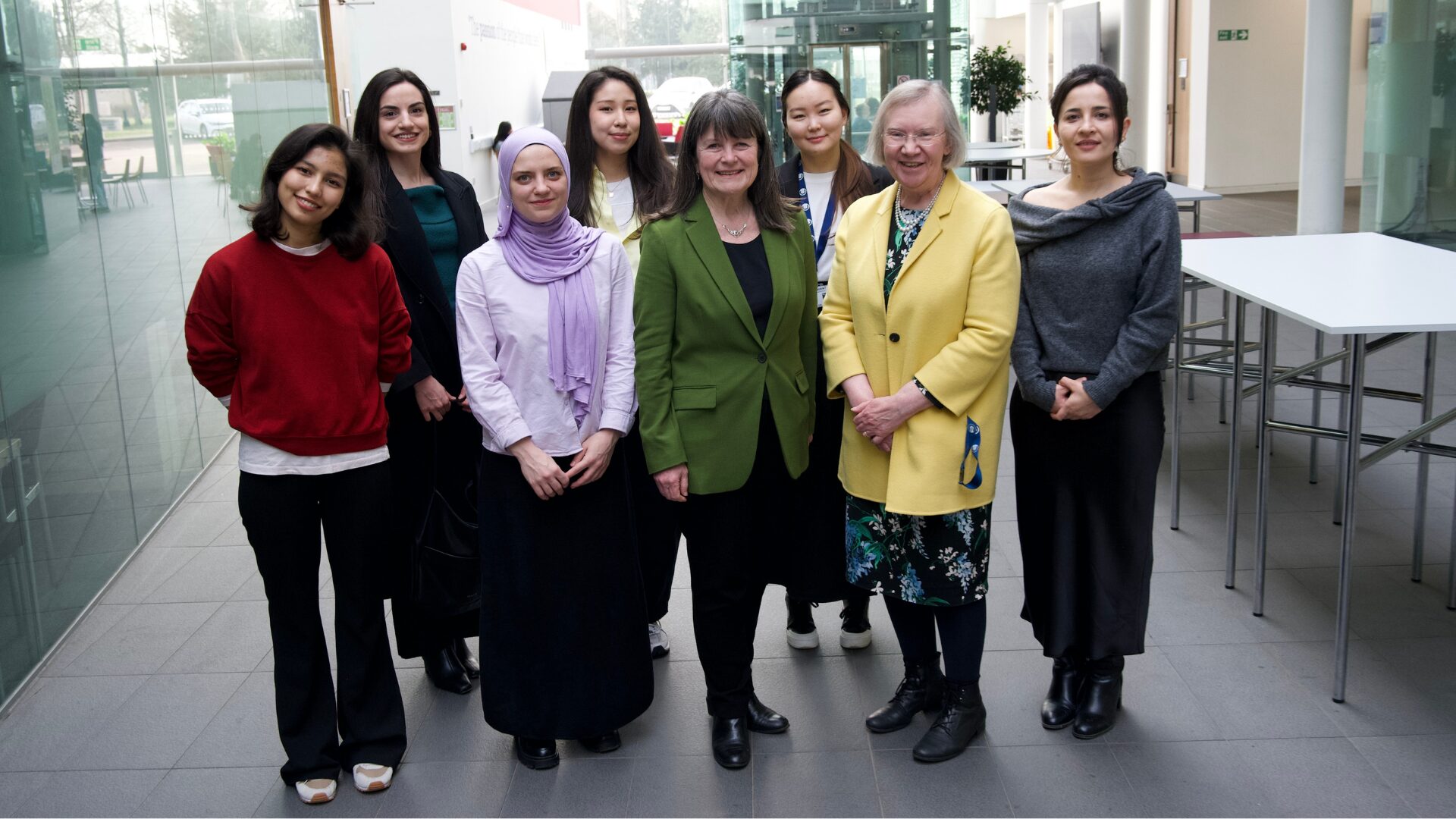
What happens when female scholars meet influential leaders?
On the 5 March 2026, our British Council Women in STEM Scholars had the privilege of sitting down with two excellent role models of industry and academia: Professor Dame Karen Holford, ...

From MSc to CEO: Igniting a research revolution
For many, a master’s degree is achieving a big milestone. Kilyan Ocampo, Computational Fluid Dynamics alumni shares how studying at Cranfield helped launch his career in the energy sector. Today, Kilyan ...