

The journey to publication
12/05/2021
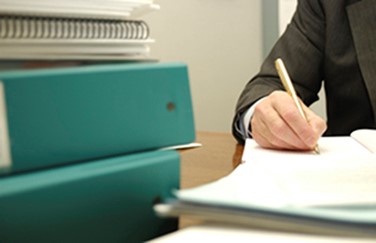
I’ve recently had my first ever peer-reviewed paper published, and I would like to share my experience.
I started writing this critical review paper in March 2020. The paper was based on literature review work I had been busy with during the first 6 months since starting the PhD. The paper will form the first paper/chapter of my thesis (paper-style), so I was really keen to get this completed as quickly as possible to achieve my first tangible PhD milestone. However, the world had other plans…
Two weeks after starting the write, the UK introduced Coronavirus lockdown measures. This significantly impacted every PhD student in one way or another, and I was no exception; my productivity and motivation took a big hit. Despite this, I kept typing away (from the kitchen table) and eventually produced the first draft. Understandably, I was very pleased. “a couple more revisions and this will be good to submit to a journal” I naively thought to myself.
Upon opening, my supervisor’s track-changes document, I was greeted with a wave of ‘red-ink’ and comments. My supervisors had told me that the first paper your write will take you longer than you think as you’re learning the craft, and on top of that, they told me that writing a critical review is one of the hardest kinds of paper to write! I was beginning to realise that this might take longer than I previously thought…
All told, it took 9 months, multiple back-and-forths, and many revisions, before myself and the supervisor team were happy to submit to a journal. Throughout the process of writing and revising the manuscript I leant a few lessons that I’d like to share:
- Get your ‘story’ for the paper well-defined early on in the process.
- Don’t take criticism/comments by your supervisors’/ reviewers to heart. They’re meant to help you and improve the manuscript
- If this is your first paper, be prepared for the long haul.
- Take regular breaks from writing, work on other PhD tasks, it’ll improve the quality of your writing and editing.
- Establish realistic deadlines, it’s no use rushing something just to meet the deadline.
After submission to the journal, I was really fortunate that the rest of the process went very quickly. I had some minor comments from the peer-review reviewers, which I quickly addressed and re-submitted to the journal. But this often isn’t the case, so as I’ve stated above, be prepared for a long journey, even after you’ve submitted it to a journal.
If you are interested you can check out the paper here: https://www.sciencedirect.com/science/article/pii/S0048969721022026

Categories & Tags:
Leave a comment on this post:
You might also like…
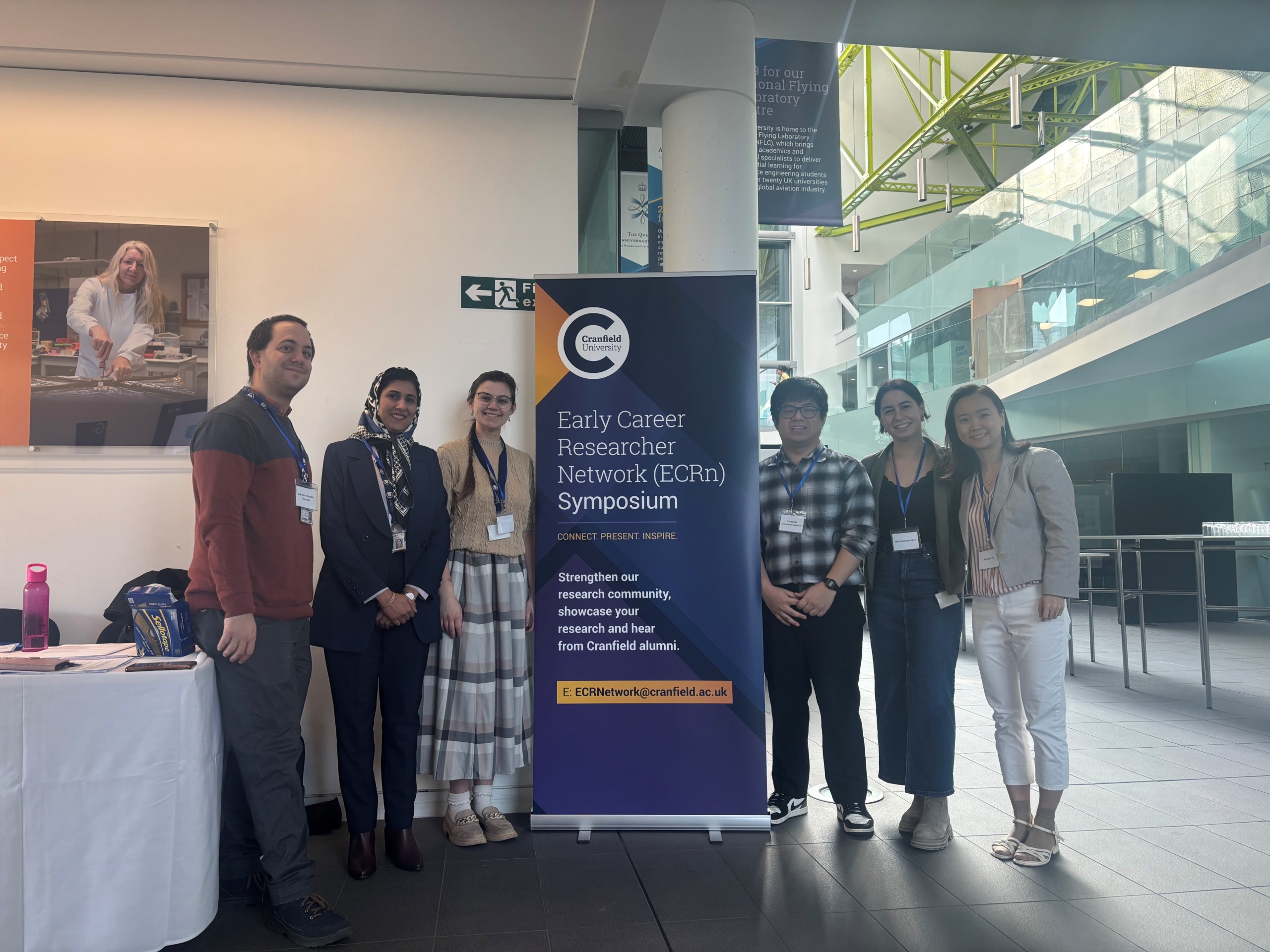
Building more than research: Reflections from the ECRn Symposium 2026
There’s something quietly powerful about a room full of early career researchers. Not just the ideas, although there were plenty of those—but the conversations, the curiosity, and the sense that everyone is figuring things ...
Library services over Easter, 3-6 April
Kings Norton Library will remain open for study 24/7. You will need your University ID card to enter the building and can use the self-service machines to borrow and return items as usual. Barrington Library ...
How do I access the full-text of Harvard Business Review (HBR)?
This is a frequently asked question, and it's worth knowing how to access this key management journal. So, how do you access HBR in full-text? The short answer is via our eJournals finder. You can find ...
Engineering problem to solve? Let Knovel help you find a solution
Did you know that Knovel provides you with more than just eBooks? Knovel is a key database for many engineering, mechanical and materials courses here at Cranfield University, and contains content from an extensive range ...
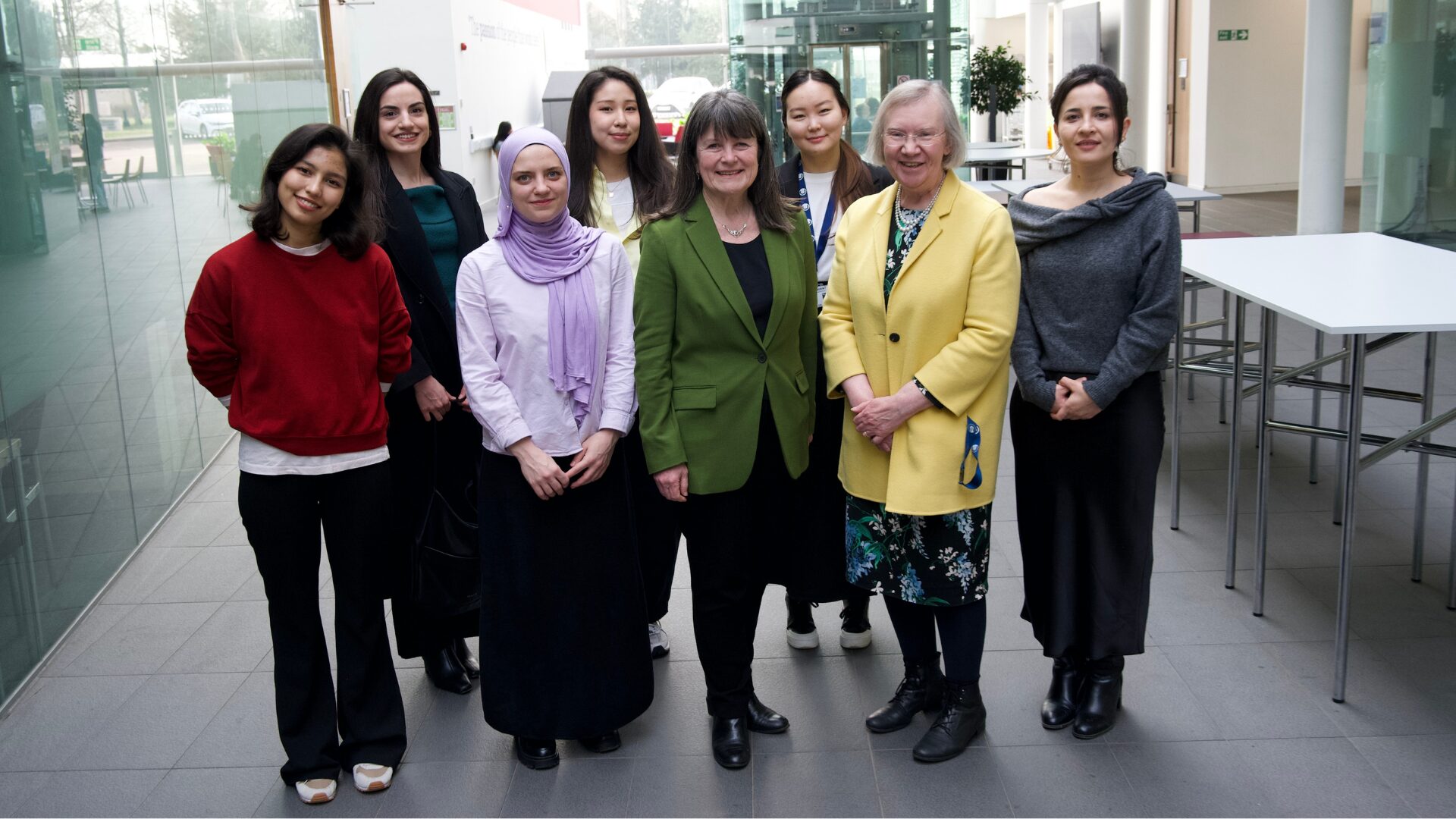
What happens when female scholars meet influential leaders?
On the 5 March 2026, our British Council Women in STEM Scholars had the privilege of sitting down with two excellent role models of industry and academia: Professor Dame Karen Holford, ...
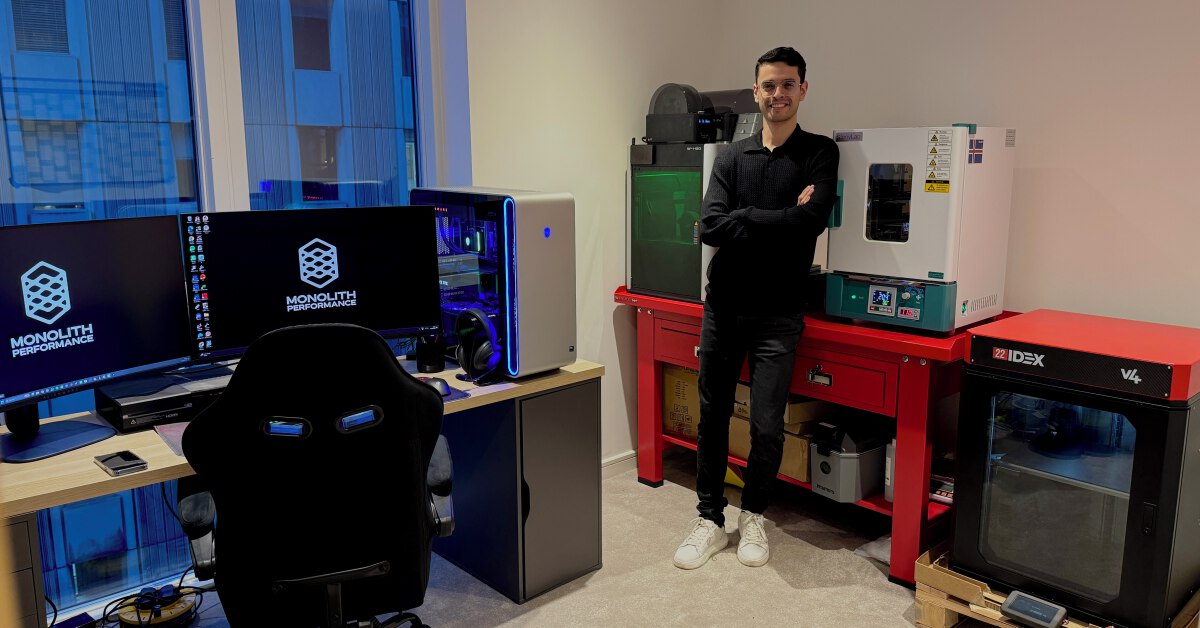
From MSc to CEO: Igniting a research revolution
For many, a master’s degree is achieving a big milestone. Kilyan Ocampo, Computational Fluid Dynamics alumni shares how studying at Cranfield helped launch his career in the energy sector. Today, Kilyan ...