


Developing Self-Inflating tyres
26/09/2019
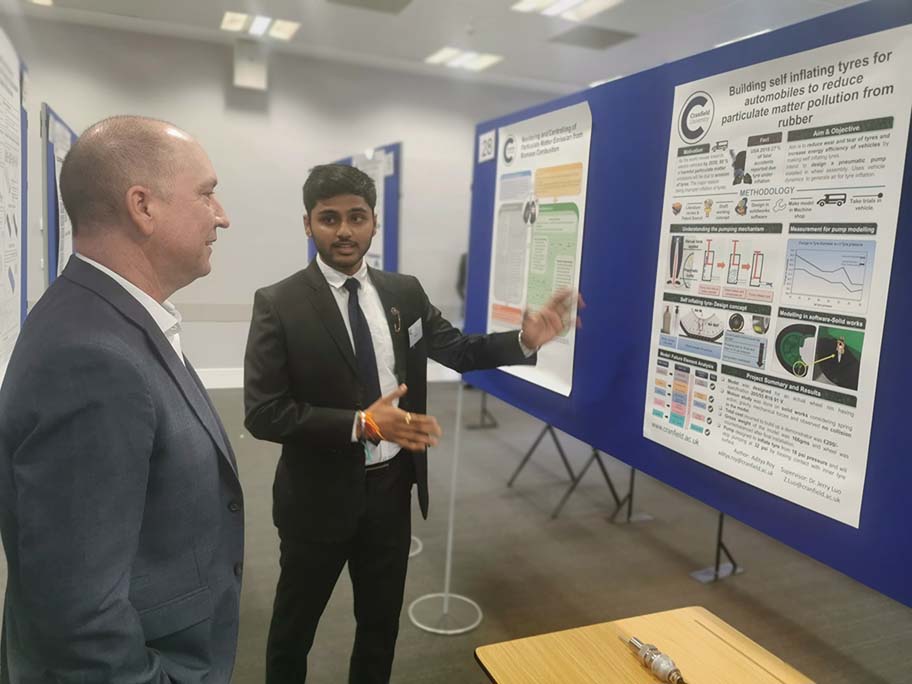
As the automotive industry continues to grow, so has the increase in environmental pollution due to exhaust emissions and tyre wear. Globally there is much interest around things like electric, and hydrogen powered vehicles, however the problem of pollution from tyres goes largely unmentioned, yet still exists.
As the world moves towards electric vehicles by 2030, up to 90% of harmful emissions will be generated by particulate matter from tyres.
Generally there is little awareness about the particulate matter generated from tyre abrasion. These particulates are so small (2.5 micrometres), which not only toxifies the urban air but is also inhaled (nasal hair is incapable of capturing such small particulate matter) creating a serious health concern (autoexpress.co.uk, 2018).
Tyre wear is a dynamic phenomenon which occurs due to various factors such as excessive braking and overloading, but the most significant factor being under inflation – less air inside the tyre than the manufacturer’s recommendation.
As part of my MSc in Advanced Mechanical Engineering, Cranfield provided me the opportunity to choose my own research topic for my individual thesis. I decided to make a self-inflating tyre in an attempt to help save Mother Nature.
If successful this idea will not only reduce environmental pollution but will also increase tyre life, smooth steering and increased fuel efficiency.
For project support I was fortunate to be assigned Dr. Jerry Luo, a highly skilled supervisor with a strong background in energy harvesting, and he was the best guide I could hope for during this project.
Phenomenal resources and facilities at Cranfield, access to unlimited research journals, study material and the guidance of highly skilled and knowledgeable faculty were enough to give wings (or just better inflated tyres) to my idea.
Considering the model of self-inflating tyre to be economical and with a strong determination, my journey started with the engineering design, durability testing, environmental impact and cost per component if mass produced was analysed using the University’s well-resourced IT laboratory.
After the technological review of the design it was decided to make a fully funded, functional prototype.
Manufactured on site using Cranfield’s extensive facilities, a working inflating system was made which could be installed in any wheel assembly to make it self-inflating. Design was purely mechanical with no external energy used.
Cranfield University truly is an ocean of opportunities, and gave me a platform to showcase my thesis work at the exhibition day in front of invited guests including and not limited to researchers and representatives from industry, and helped me to make strong industrial connections to help launch my career.
With the exhibition day done, and the celebratory barbeque party thereafter, my time as an MSc student at Cranfield University ended on a positive note. However my journey with Cranfield University is not yet over – we are currently looking for ways to take the Self project a step closer towards commercialization, and registering it as an intellectual property. With a successful commencement of my MSc course funded by Cranfield Energy and Power Bursary and a Tier 2 visa Sponsored Job, joining Cranfield University is so far the best decision of my life.

Categories & Tags:
Leave a comment on this post:
You might also like…
Driving the future of automotive excellence with three new scholarships
Cranfield University has a long history within the top echelon of motorsport, car development and safety designs within the automotive industry, working in the era where we’ve seen significant safety improvements, engineering feats and ...

Academic writing and being critical
Academic writing is daunting. Capturing all your thoughts and analysis and putting them down onto paper in some sort of understandable fashion is a challenge. Did you know we have resources in our Cranfield Study ...
My Cranfield experience: How studying for the Strategic Marketing MSc landed me a job in my dream industry
For Shraddha Mahapatra, studying for a postgraduate master’s degree at Cranfield School of Management unlocked the path to a career working in her dream industry sector. Shraddha had gained an MBA in her native ...
Keen to develop your study skills?
Alongside the technical skills and academic knowledge that you will gain on your course, as a Cranfield student you have the opportunity to develop a range of other skills that can enhance your learning experience. ...
From classroom to reality: Supply chain insights from Cranfield’s Manchester study tour
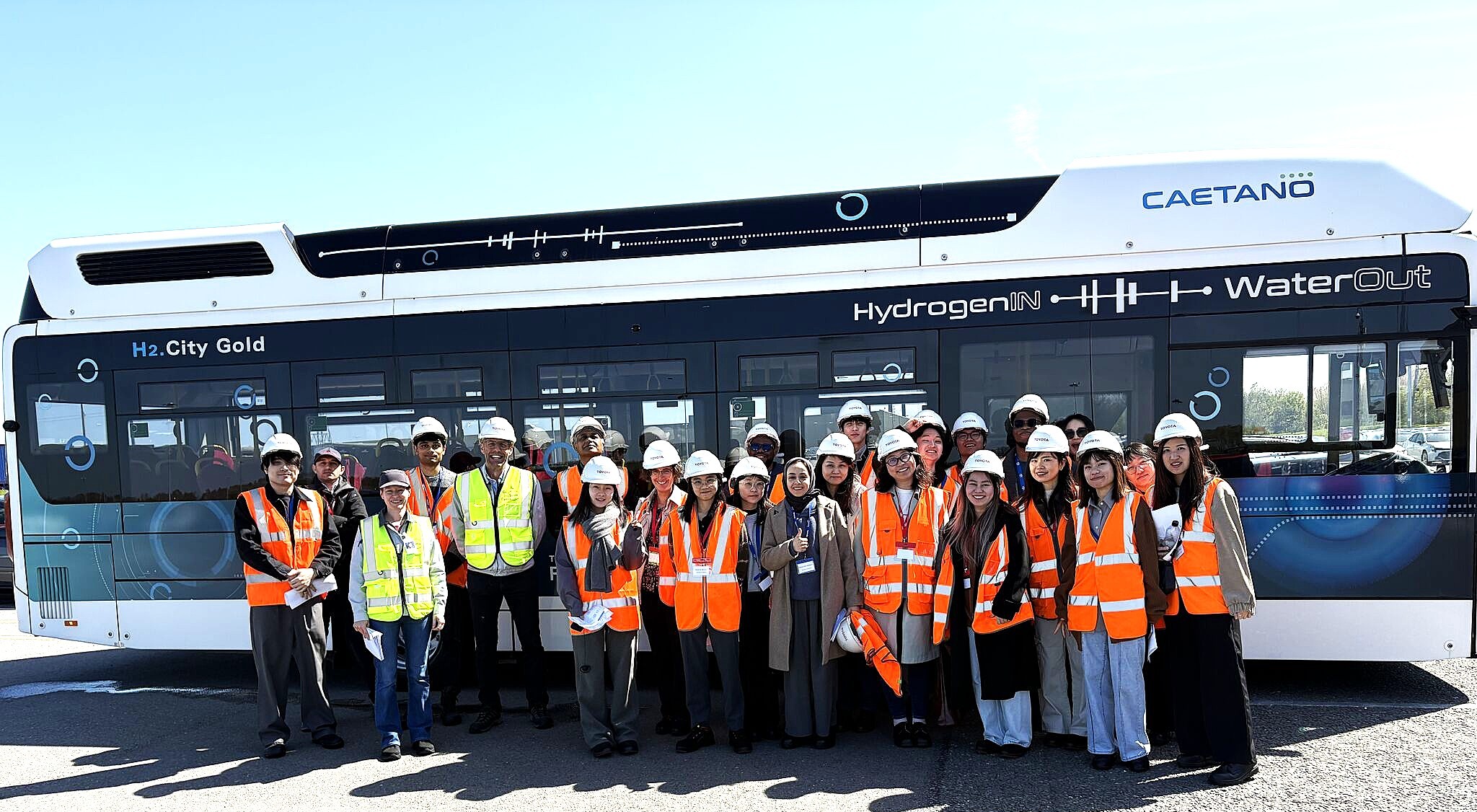
Each year, Cranfield University organises a study tour for MSc Logistics and Procurement & Supply Chain Management students. For the 2025–2026 cohort, students were given the option to select one of three study groups: ...
Systematic literature review – Managing duplicates
One of the questions which often comes up when discussing the SLR process is how do I manage my references in the most efficient way during the process of going from my search results to ...
Congratulations brother!
Excellent project aditya. These kind of projects will really help in reducing emissions & make environment greener.
Congrats Aditya bro
Well done bro…
Good job Adi!
Congratulations🎉🎉🎉