

Komodo Bikes: Pioneering the Future of Sustainable Last-Mile Delivery
28/05/2025
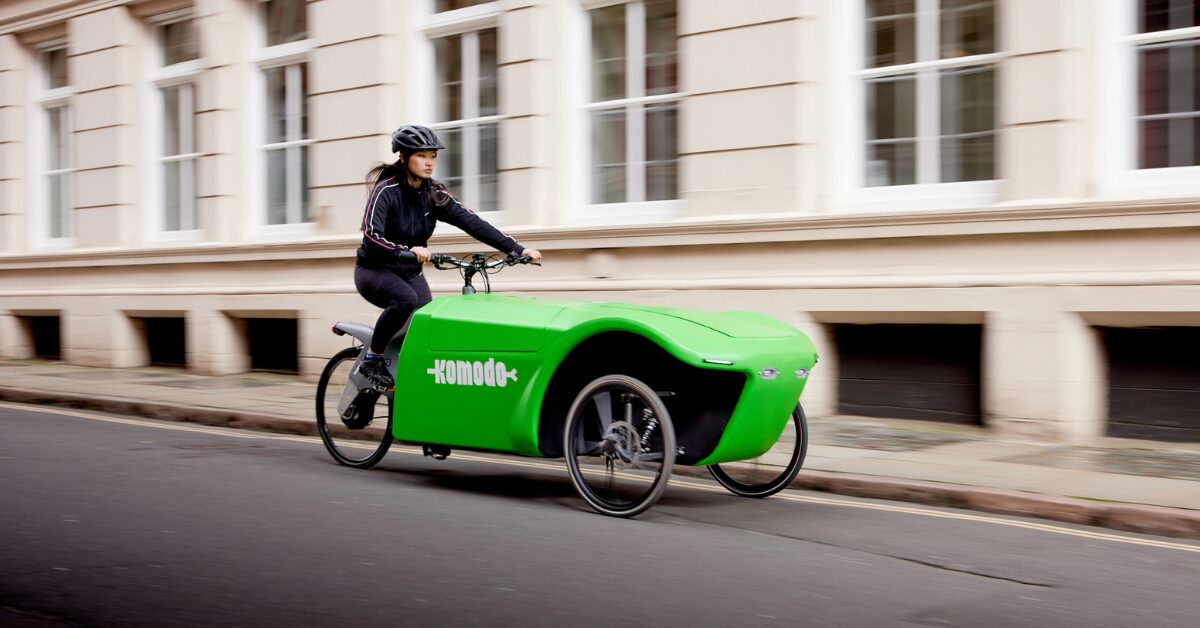
Komodo Bikes is redefining last-mile delivery with what may be the most sustainable e-cargo bike ever built. As consumer demand for faster delivery intensifies, speed has become a critical factor in purchasing decisions and overall customer satisfaction. But this race for rapid delivery often comes at a cost—to the environment.
Enter Komodo Bikes, a recipient of the Cranfield Seed Fund, leading the charge in sustainable delivery solutions. Their mission is clear: to design and produce the most efficient, eco-friendly e-cargo bikes available.
Nick Welch, CEO of Komodo Bikes Ltd., is deeply connected to Cranfield University. Having completed his master’s programme here as well as the Ready for Net Zero Growth Executive Education course, Nick saw Cranfield as the ideal partner to help advance Komodo’s next prototype development. Reflecting on the experience, he shared:
“The application and support could not have been more straightforward, and the encouragement to ‘be bold’ was a powerful motivator.”
In 2024, Komodo Bikes also secured a South East Midlands Growth Hub Resilience and Innovation Grant to support their rotational mould production. They are currently progressing through the next stage of their investment journey.
With the ability to navigate urban centres like London and Manchester more quickly and efficiently than conventional delivery vehicles—while eliminating congestion charges, reducing operational costs, and sidestepping parking challenges—Komodo Bikes are poised to become a familiar sight on city streets across the UK.
Find out more about Komodo Bikes:
https://docsend.com/view/jw3f8h9th67wvqjt/d/86e2262a5pa3p73d

Categories & Tags:
Leave a comment on this post:
You might also like…
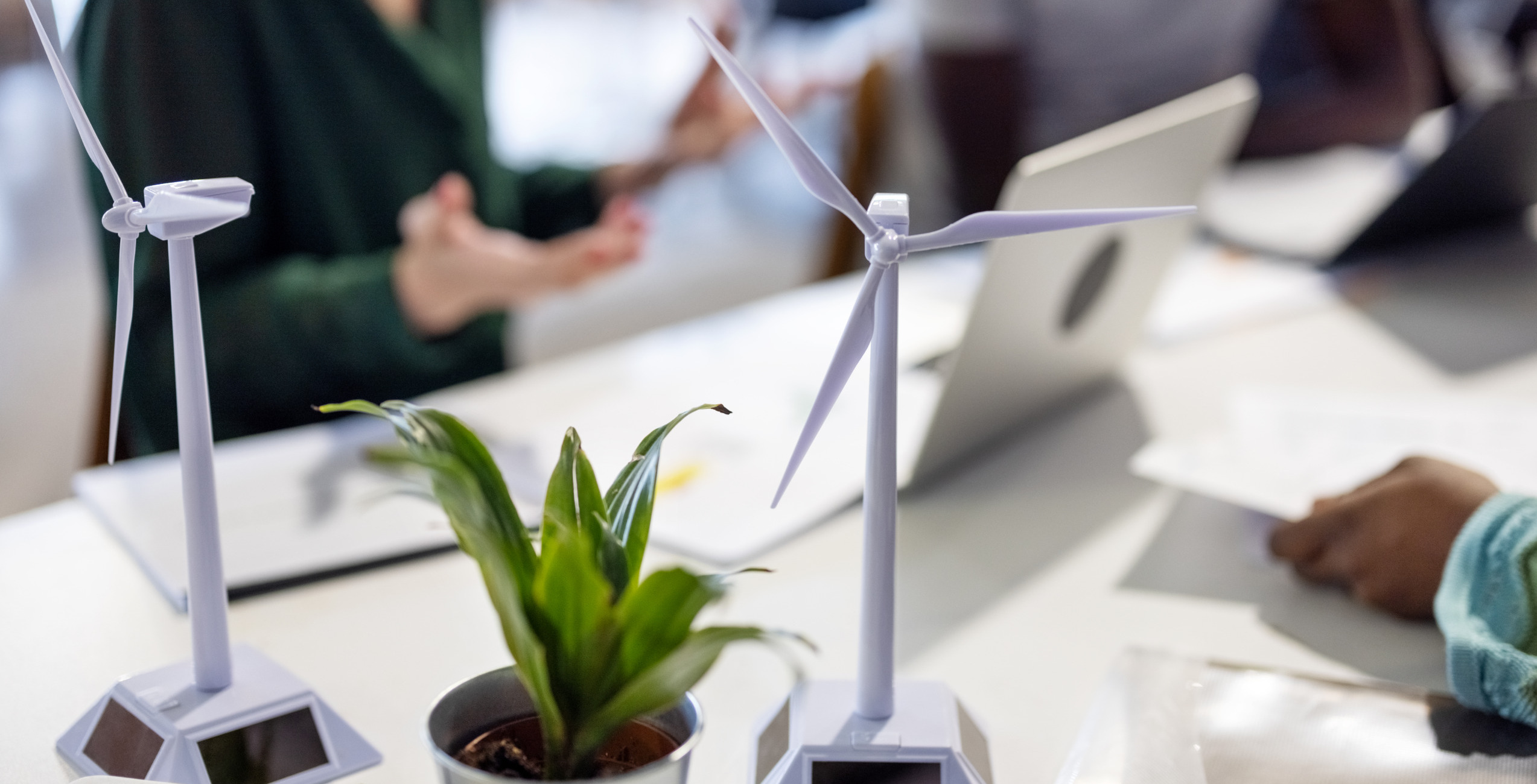
The V-conomy: powering the sixth wave of global economic growth
The world could be on the verge of a major surge in economic growth and development, driven by the convergence of AI and clean energy technology. Waiting to ride the K-wave The Russian ...

Get a head start on referencing and plagiarism
We offer a module on Referencing And Avoiding Plagiarism which you can find on your Canvas dashboard. It explains the role and importance of citing references and how to incorporate the work of other authors ...

How Cranfield shaped my journey as an Aerospace Engineer
If I'm being specific about the moment it clicked, it was reading a paper called "On the Role and Challenges of Computational Fluid Dynamics (CFD) in the Aerospace Industry" by two Boeing engineers, P. ...
Introducing Kings Norton Library
Welcome to all our new students! We are looking forward to meeting you soon. You will find Kings Norton Library in the centre of the Cranfield campus, and it is open 24/7 to all staff ...

Setting your research on the right course: Four questions every researcher should ask
Whether you are just beginning your doctoral journey or are already well into your research career, successful research rarely happens by accident. Like any successful mission, it depends on good planning, informed decisions, and getting ...

5 budgeting mistakes students make (and how to avoid them)
Good financial planning isn't about how much money you have. It's about the habits you build. We asked Dr Lakshmy Subramanian, Course Director for the Banking, Economics and Finance MSc, about the budgeting mistakes ...
Comments are closed.