

Catching up with Marta
17/12/2020
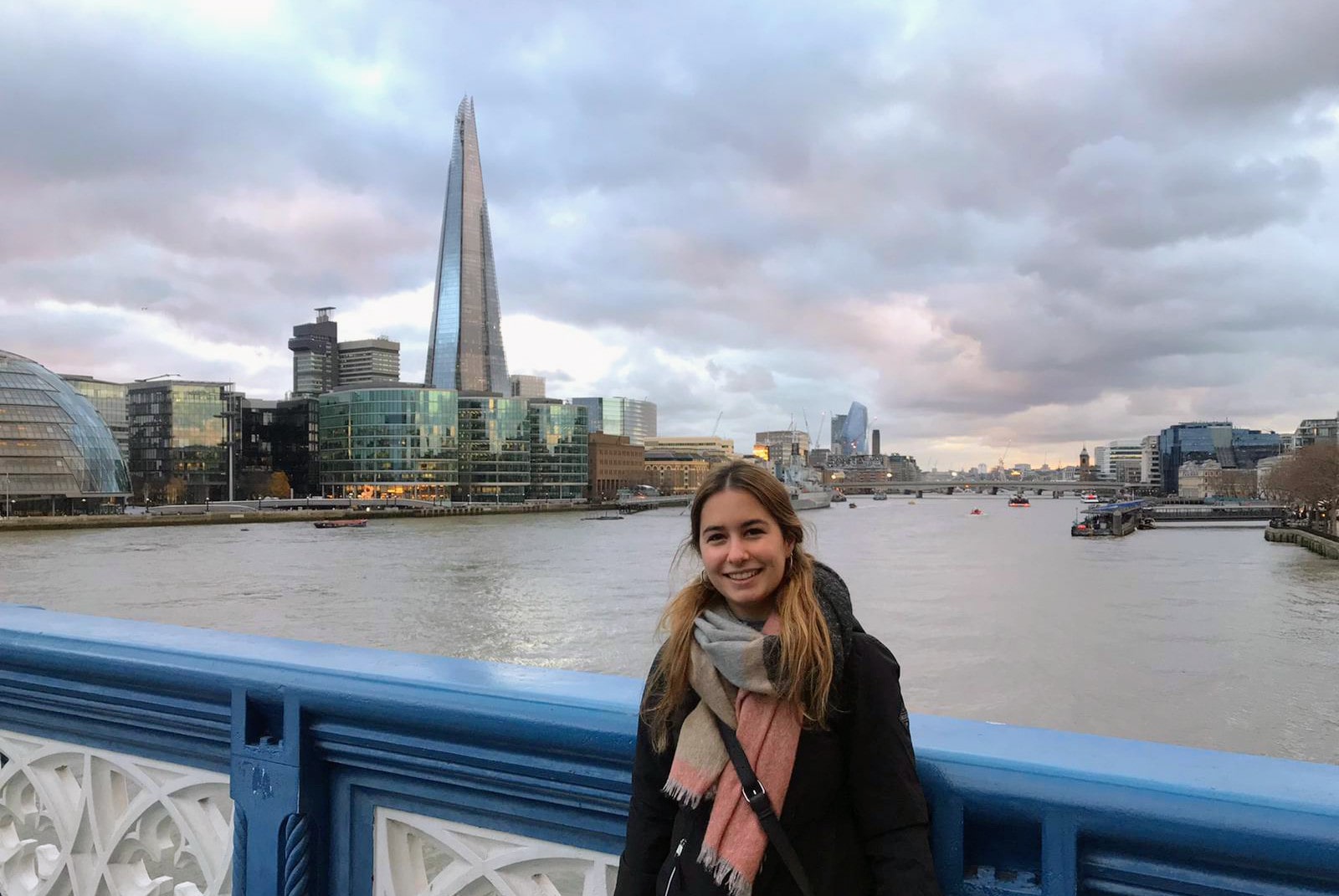
Almost Christmas time and the end of the year 2020 is coming…. I think this is a nice time to reflect on the past months. Indeed, I can say that this year has not been a normal year! Summarising my experience so far: the pandemic starts when I was doing my Group project for my MSc course in Food Systems and Management, here in Cranfield (as previously I explained in previous blogs). Quickly we had to change our way of study, we had to adapt to virtual working, which was nice – working remotely has its drawbacks but also provides some positives. I then successfully submitted my individual thesis project completing my MSc. During this period, I decided to apply for a PhD within Albert Bartlett and the Plant Science Laboratory at Cranfield University.
Before talking about this new journey I started, I would like to talk about the progress from MSc to a PhD since it is was not the usual way to do it. The original plan was to come back to Spain for a holiday break in summer and then return to the UK to start the PhD. However, due to the pandemic, I could not go back to Spain. For me, the transition was a “weird” period where I experienced a mix of feelings. I felt sad since I stayed and I was saying goodbye to people that had become close (lockdown with housemates means spending 24/7 with them!!) but also saying hello to new housemates, which was a positive thing!
Honestly, I am glad I applied for a PhD and I feel truly grateful they gave me this opportunity to start a new and challenging adventure carrying out an interesting project. It is about reducing potato losses by creating a predictive model based on machine learning to detect a specific disease, which is black dot. It is true that it is not the usual way to start a PhD; I only had the chance to meet face-to-face the other new PhD students on the registration day. However, there are many virtual induction workshops going on with icebreaker sessions where you can talk to each other, and I really appreciated it.
At the beginning of this 3-years journey (sometimes 4 years), what you do is a lot of literature reviews, so that means you are reading, reading and more reading. Sounds boring but I cannot complain since the company who is sponsoring my project, who is the first supplier of potatoes in the UK, Albert Bartlett, allowed me to visit their facilities and fields in Norwich and Scotland. I went there to meet the team and know more about the topic. It was really nice and enriching, I enjoyed my time there and I learnt a lot. It was also nice to “travel” outside Cranfield, but always taking into account all the Covid-19 measures! It was during my first month of PhD when I went there, and it helped a lot to understand a real problem that is facing the industry.
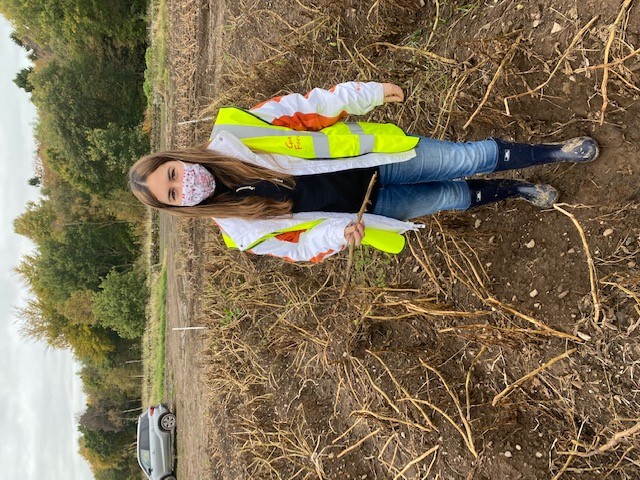
What I like is that now I am collaborating with a real industry and dealing with a real problem, applying all I learnt during my previous studies (including bachelor and MSc). Bearing in mind that my project can help to avoid food loss and waste and, hence, to achieve one of the SDG 12.3., is one of the reasons I feel with a lot of motivation doing this project. Another reason is that, since my background is more postharvest focused, I am willing to learn more about machine learning and bioinformatics in general; I strongly believe it would be a rewarding experience.
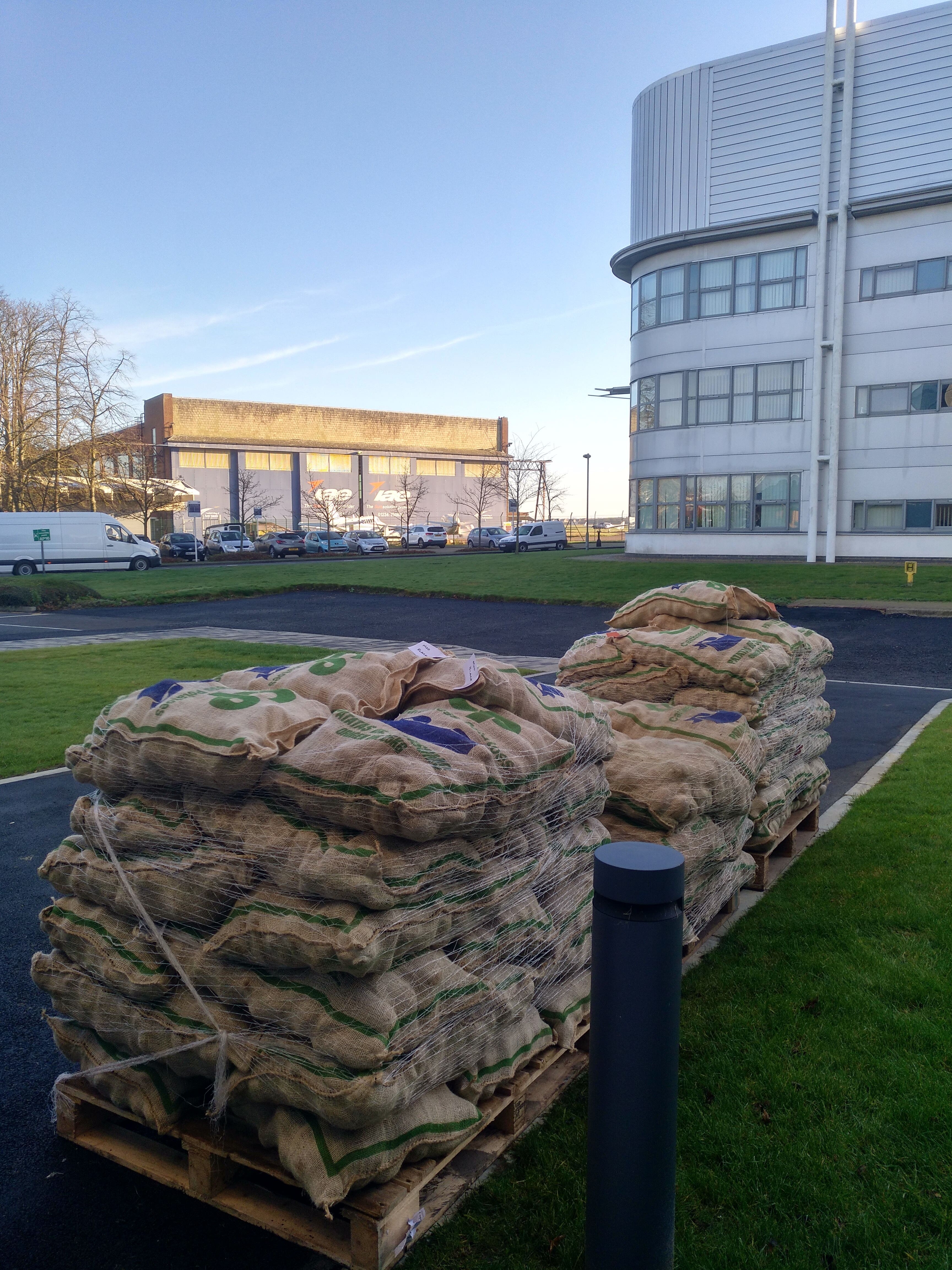
Currently, I am doing lab work since I obtained the lab access – again with Covid- 19 measures – and I started going to the laboratory where I also met other colleagues. It is nice to alternate between “reading” and laboratory. After the two lockdowns we experienced, I really appreciate having this routine. However, I have a little bit of work…you can see in the photo the big amount of potatoes that arrived to experiment with!!
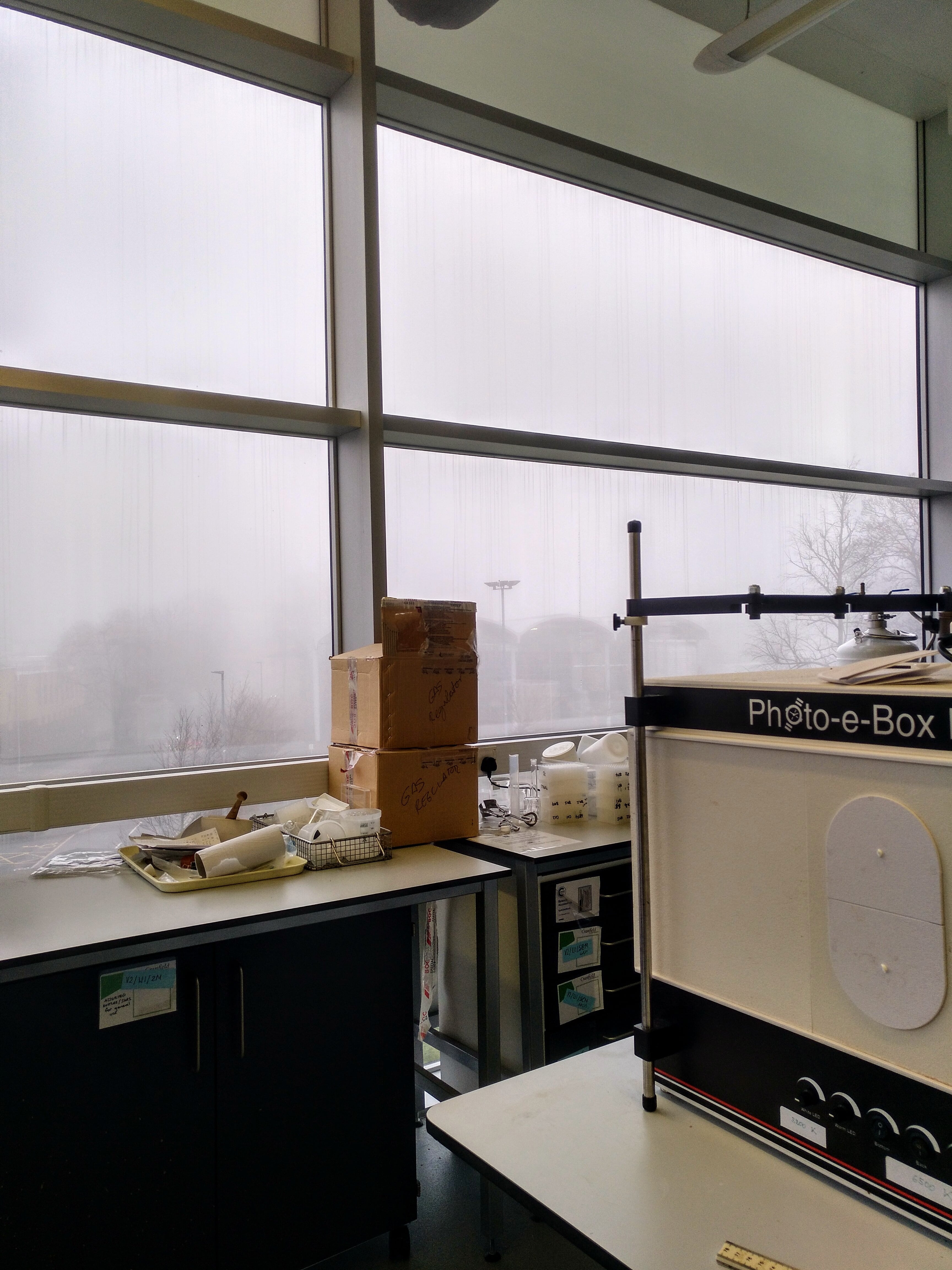
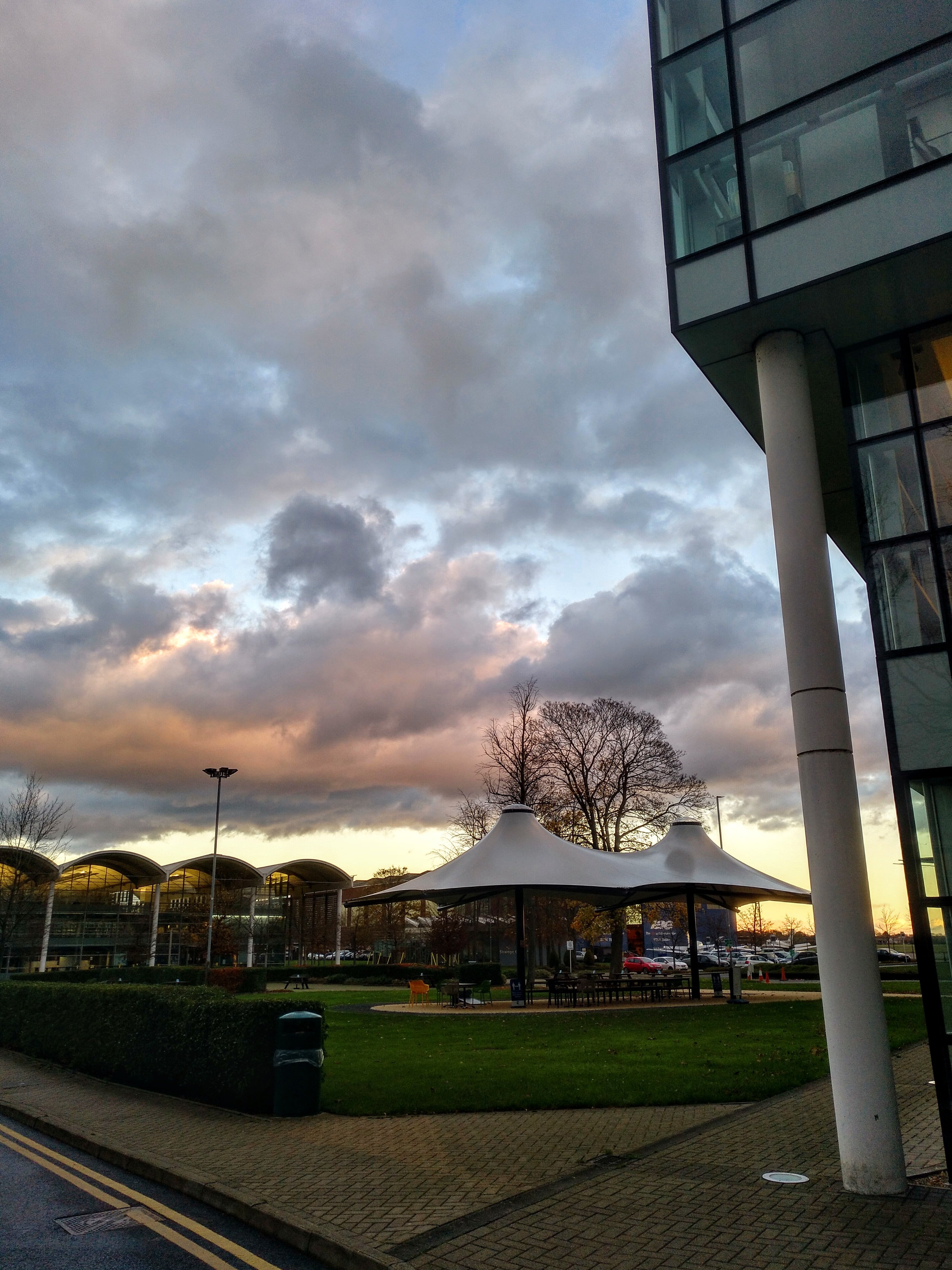
Right: Views of Kings Norton Library, from Vincent Building, and without fog
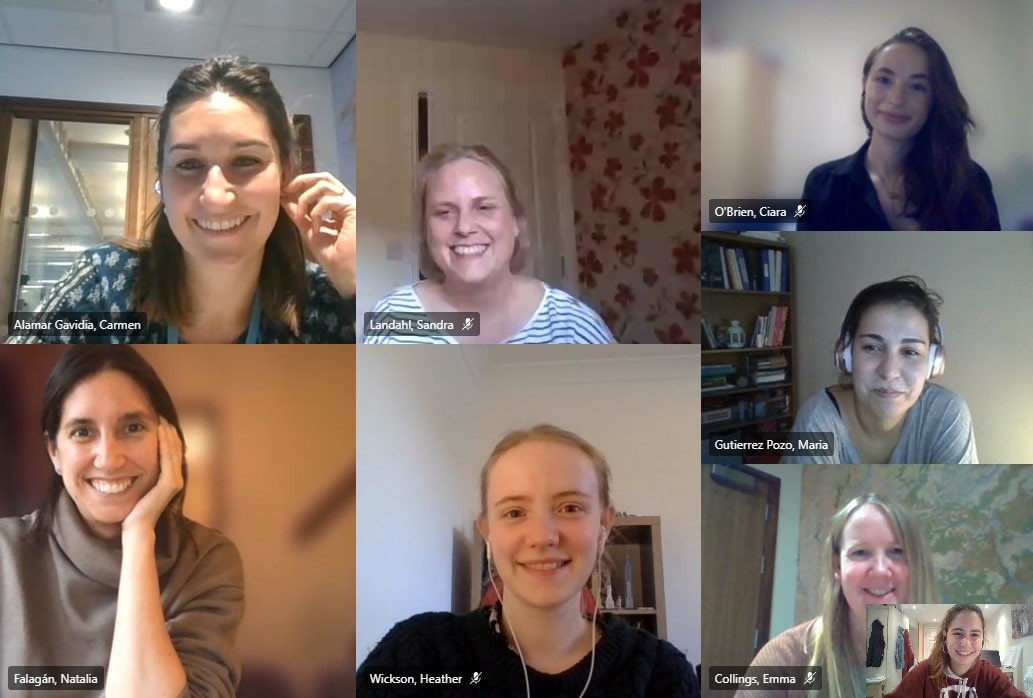
Another thing that excites and motivates me is that since the thesis was remotely I had no chance to go to the lab. Therefore, I was excited to start using the facilities of the Plant Science Laboratory for my PhD, which is one of the largest and most active postharvest research groups worldwide. We also have weekly “virtual” meetings with the group where we are sharing science, and PhD students have the chance to present our perspective projects, which bring us a depth and interesting discussions. I think it is a good way to keep us updated and keep learning from others.
To sum up, despite the circumstances we are living in, we are all adapted to a remote way to work (that can be hybrid by alternating with face to face), I successfully completed my MSc and I am starting a PhD, so I am really happy and proud. After this time also I found some habits that could be interesting for students, both MSc and PhD; setting a schedule, make a to-do-list, and catch up with supervisors/professors/other students – virtual coffees are always a good idea. Moreover, to conclude, but not less important, find time for yourself! I know it can be difficult now, but being careful and following the rules, you can go to visit London or other places, for instance. Otherwise, try to plan different activities for the weekend. I think it is always good to differentiate between weekdays and weekends. To be honest, some days during the last months in quarantine I felt that I did not know which day of the week we were, so I always take into account that we have to have fun (to the extent we can).

Categories & Tags:
Leave a comment on this post:
You might also like…
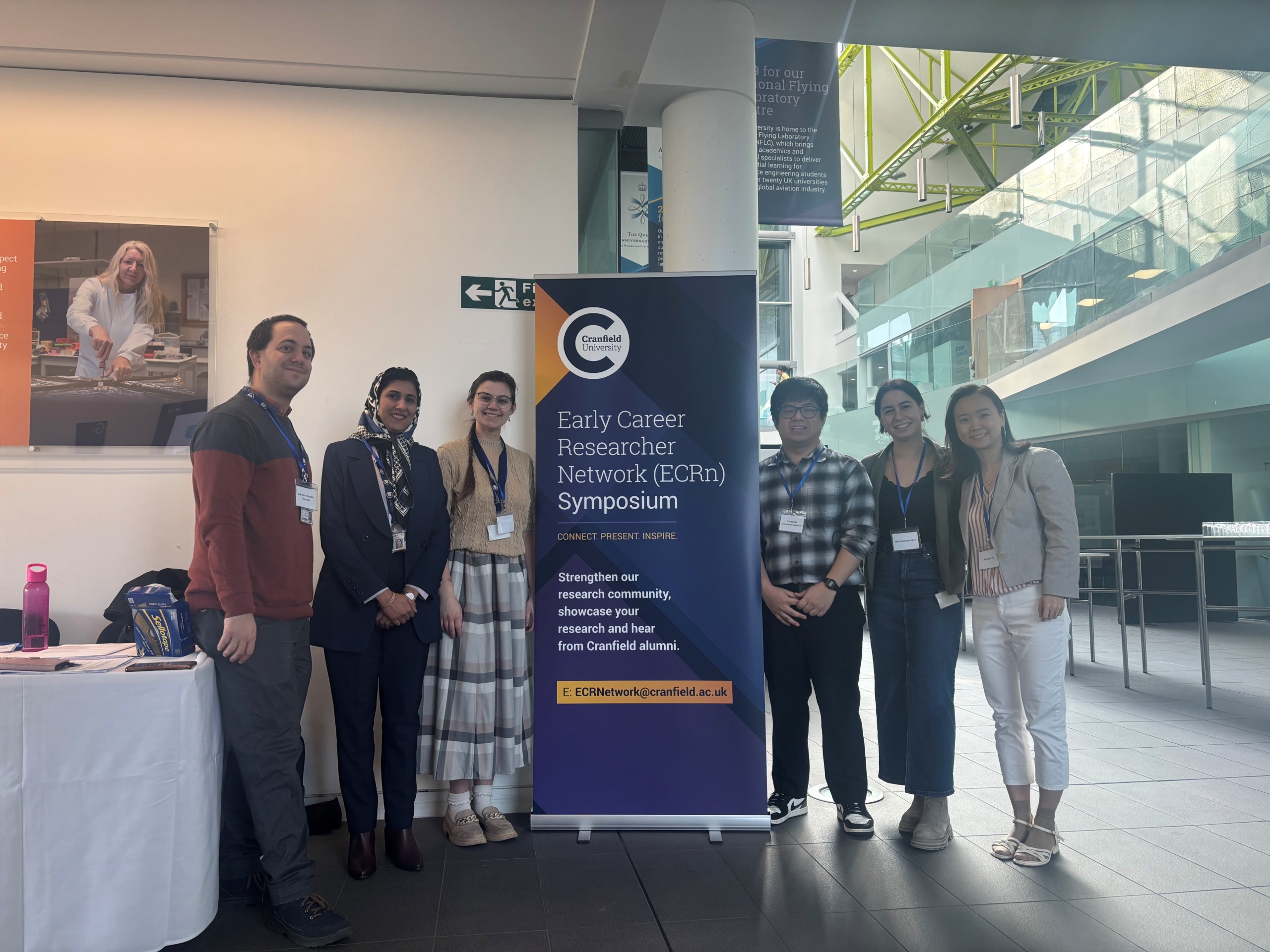
Building more than research: Reflections from the ECRn Symposium 2026
There’s something quietly powerful about a room full of early career researchers. Not just the ideas, although there were plenty of those—but the conversations, the curiosity, and the sense that everyone is figuring things ...
Library services over Easter, 3-6 April
Kings Norton Library will remain open for study 24/7. You will need your University ID card to enter the building and can use the self-service machines to borrow and return items as usual. Barrington Library ...

How do I access the full-text of Harvard Business Review (HBR)?
This is a frequently asked question, and it's worth knowing how to access this key management journal. So, how do you access HBR in full-text? The short answer is via our eJournals finder. You can find ...

Engineering problem to solve? Let Knovel help you find a solution
Did you know that Knovel provides you with more than just eBooks? Knovel is a key database for many engineering, mechanical and materials courses here at Cranfield University, and contains content from an extensive range ...
What happens when female scholars meet influential leaders?
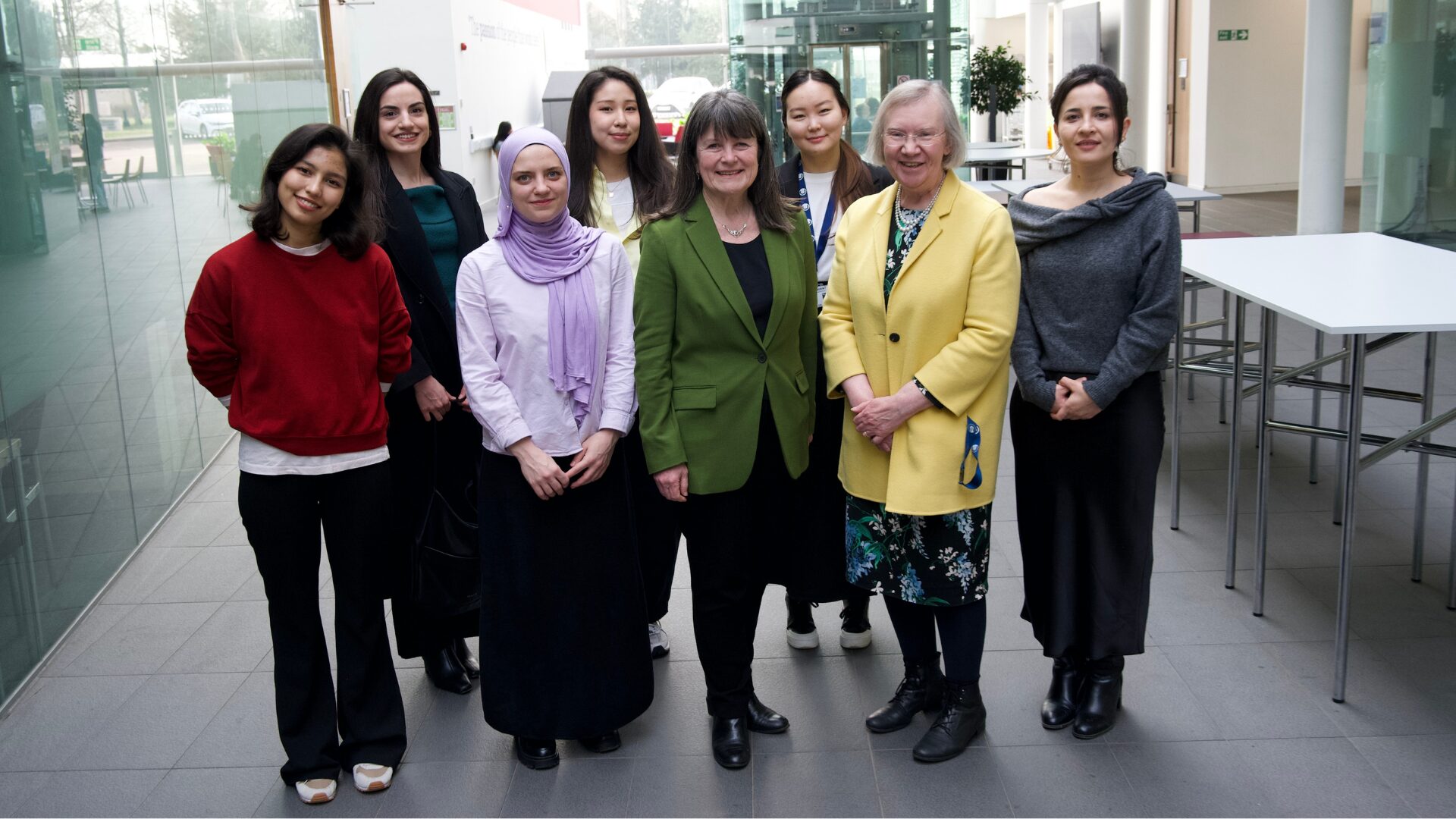
On the 5 March 2026, our British Council Women in STEM Scholars had the privilege of sitting down with two excellent role models of industry and academia: Professor Dame Karen Holford, ...
From MSc to CEO: Igniting a research revolution
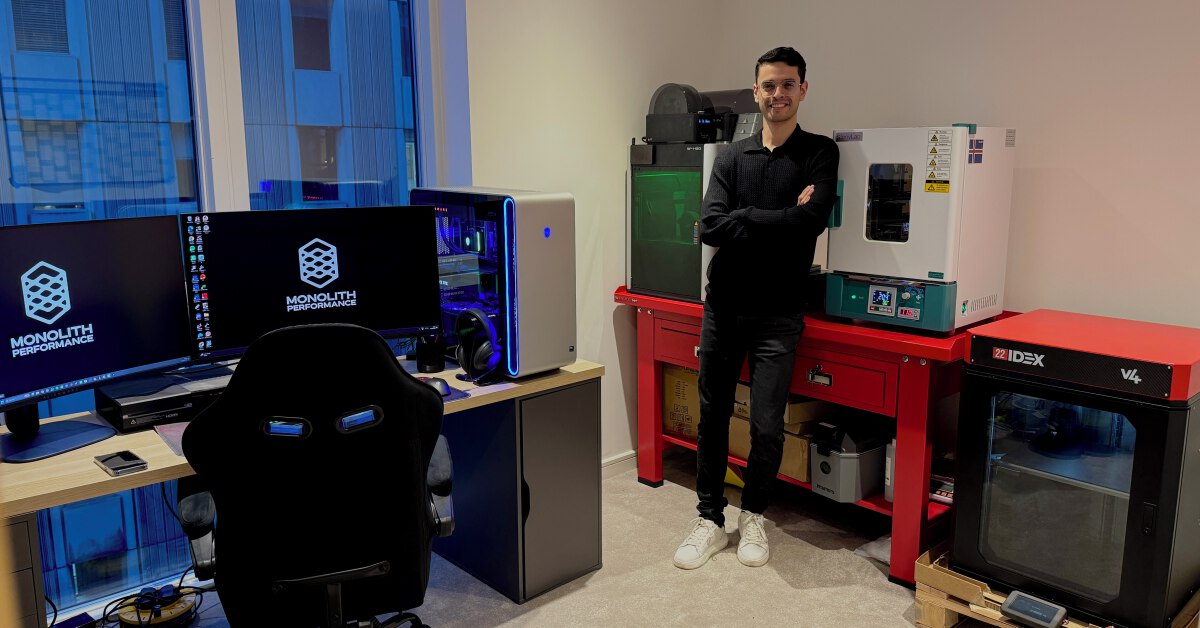
For many, a master’s degree is achieving a big milestone. Kilyan Ocampo, Computational Fluid Dynamics alumni shares how studying at Cranfield helped launch his career in the energy sector. Today, Kilyan ...