


Manufacturing skills for the future
04/04/2017
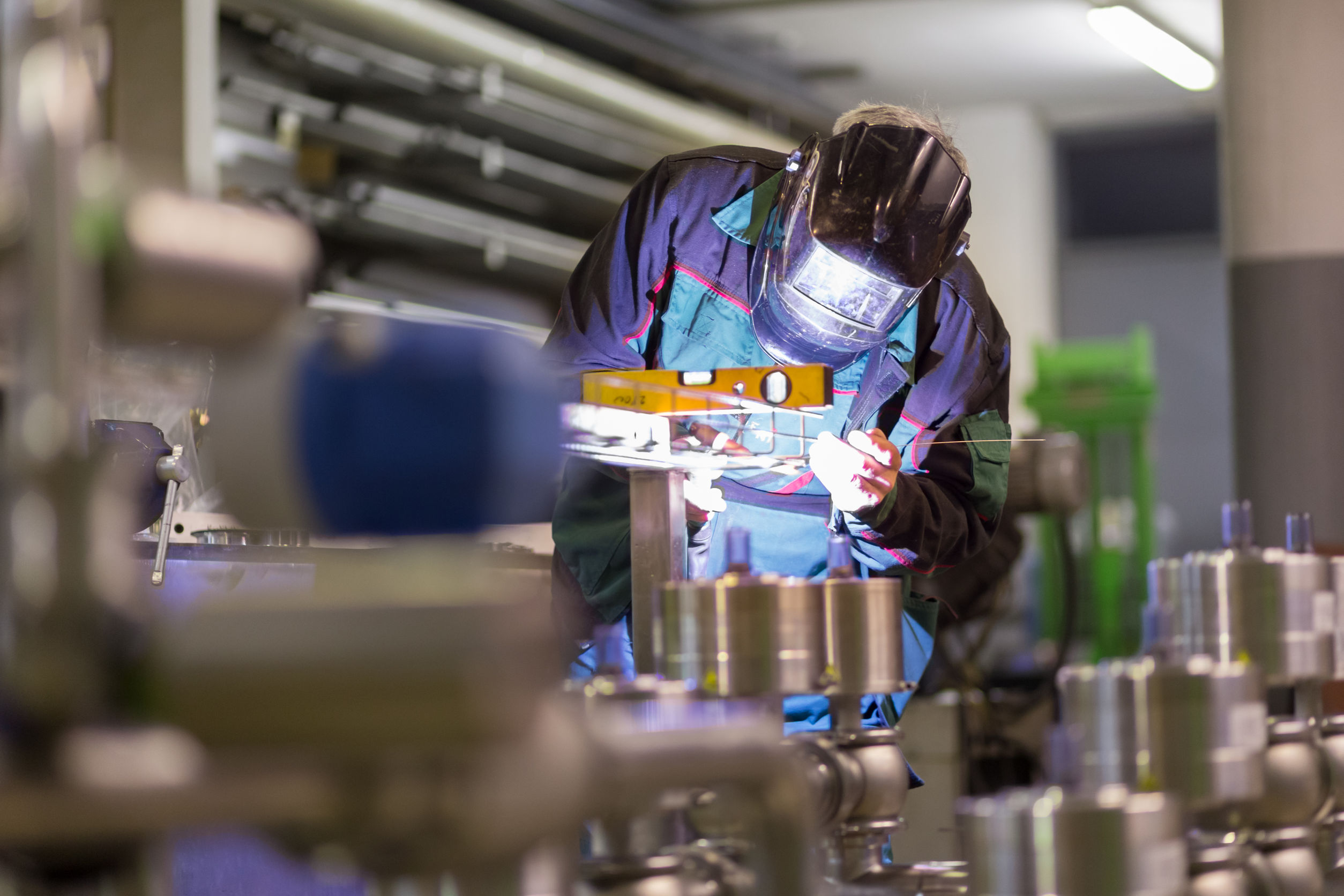
In recent years there has been a sea-change in how the UK public and government regard British manufacturing. From not believing manufacturing could create jobs and economic growth, these groups increasingly trust British industry to deliver a stable economy and bring business in a competition-driven market.
With this and the advent of new, digital technologies in the manufacturing sector, I think we are at the start of the next wave of the industrialisation of the country.
However, new technologies require new skills. Looking to the future we must create a path for the workforce of tomorrow to receive the education and technical knowledge they will need to make the manufacturing industry successful.
To do that, we first need to have a comprehensive view of the skillsets and knowledge that will be vital for industrial growth, and to understand how technologies are moving forward and what these will require in the long-term, in order to be sustainable.
For example, we talk about Industrie 4.0 – the current trend of automation and data exchange in manufacturing technologies, which includes cyber-physical systems, the Internet of Things and cloud computing. In reality we need to ask whether the country has the right skills to start implementing this in factories. I fear that the answer right now is ‘no’.
What we need is a very detailed, objective assessment of what skills will be required in 10 to 15 years’ time. Then we need to reorganise the education supply chain, at universities, further education colleges and with other apprenticeship providers, to meet these needs. We need to align what is offered with what industry will look like in 10-15 years, maybe 25 years, because it takes time to create a timeline of trained and skilled people. There is no doubt that this is a difficult task – after all, who could have predicted the rapid change we’ve experienced over the last few decades – but we simply cannot afford not to make some intelligent predictions.
I am positive and optimistic that this can happen because there are areas of excellence coming up.
For example the government is promoting a commitment to high-quality apprenticeships at all levels and, although it may disrupt the traditional perception of an apprenticeship, here at Cranfield we’re actively developing Masterships – level 7 qualifications. We currently offer a master’s level apprenticeship in Systems Engineering and plan to extend this further over the next year.
The next area we need to focus on is developing new skills through apprenticeships – for example, digital engineering or cyber-secure manufacturing. I firmly believe we need more apprenticeship programmes, master’s level education programmes such as MScs, and more PhD programmes to create the next generation of leaders in digital technologies. In short, we need much more skills development than we are providing at the moment and I would like to see us paying a lot more attention to this. Here at Cranfield, along with other education providers, we should shoulder the responsibility of developing innovative, accessible skills training that not only safeguards, but also advances, the UK manufacturing industry.
If you’d like to discuss manufacturing leadership and skills development, please join us at the National Manufacturing Debate on 24 May – find out more and book your free ticket…

Categories & Tags:
Leave a comment on this post:
You might also like…

5 budgeting mistakes students make (and how to avoid them)
Good financial planning isn't about how much money you have. It's about the habits you build. We asked Dr Lakshmy Subramanian, Course Director for the Banking, Economics and Finance MSc, about the budgeting mistakes ...

Finding your reading materials
Use Library Search Library Search is the first place to start when you are trying to find academic sources for your work. This is the search box on the library website homepage. It allows you ...

Formula 1 was the dream and Cranfield was the conduit
I still remember the exact moment Formula 1 (F1) got its hooks into me. I was in my first year of an aerospace undergraduate engineering degree when I watched a video about the sport ...

Introducing Barrington Library
Welcome to all our new students! Barrington Library supports all the students and staff at Cranfield Defence and Security on the Shrivenham site. We are looking forward to meeting you all soon, in person or ...

About to start your journey at Cranfield? We’re here to help!
Congratulations on accepting your offer to study at Cranfield! If you’re keen to get a head start before your course begins, our Library Services team is here to support you every step of the way. ...

Bank holiday hours for Library Services: Monday 31 August
Library Services staff will be taking a break on Monday 31 August for the bank holiday. You will still be able to access all the resources and help you need via our library website. The 24/7 ...