

Universities and the local community – what’s our role?
24/01/2017

Universities have a tremendous impact on local communities.
According to Universities UK research, higher education institutions like Cranfield and Cambridge contribute £2.5 billion to the local East of England economy, as well as 63,000 jobs.
Those are significant numbers but, aside from the economic impact, we also have an important cultural and educational role in our local community. That is something that hasn’t always come naturally to universities and, at Cranfield, we are working hard to change the distant image of ‘those people on the other side of the airfield’.
For our recent 70th anniversary, we put the local community at the heart of everything we did with an Open Doors event and a Festival of Flight air display – specifically aimed at engaging young people from the local area. Around 6,000 local people, aero aficionados, and technology enthusiasts joined us on a cold September day to take a look at our work up close. Hopefully we inspired children from across the region to be the next Elon Musk, Helen Sharman or Tim Peake.
Inspiring children and young people is a key part of our work with the local community. It’s often the part staff enjoy most too, particularly when a colleague gets stumped by a question from a group of Year 8 students! It’s with the aim of inspiring the next generation of leaders in technology and management that we focus most of our work with the local community, whether that is running the Cranfield Business Challenge or inviting local pupils to imagine the future of manufacturing.
I started this blog with a reminder about universities’ significant economic impact on local communities and hopefully our greatest impact will is yet to come. When in future decades the next groundbreaking inventor or entrepreneur replies to the question “what inspired you?”, it would be great if the answer was, “It was at Cranfield, on a cold and wet September day…”

Categories & Tags:
Leave a comment on this post:
You might also like…

5 budgeting mistakes students make (and how to avoid them)
Good financial planning isn't about how much money you have. It's about the habits you build. We asked Dr Lakshmy Subramanian, Course Director for the Banking, Economics and Finance MSc, about the budgeting mistakes ...
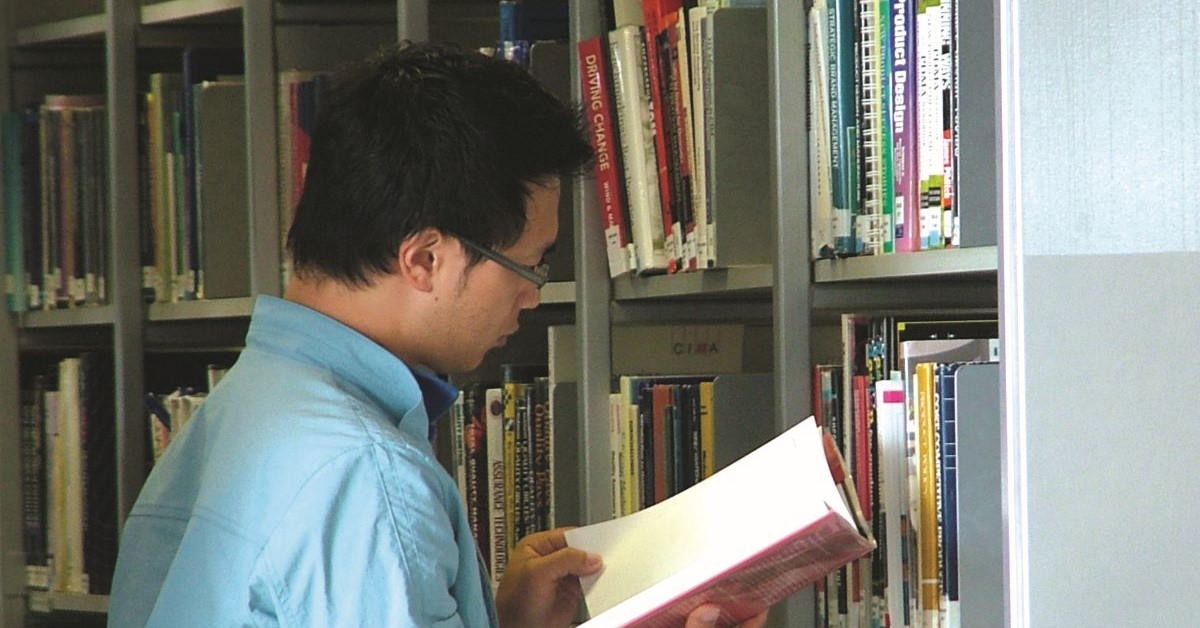
Finding your reading materials
Use Library Search Library Search is the first place to start when you are trying to find academic sources for your work. This is the search box on the library website homepage. It allows you ...

Formula 1 was the dream and Cranfield was the conduit
I still remember the exact moment Formula 1 (F1) got its hooks into me. I was in my first year of an aerospace undergraduate engineering degree when I watched a video about the sport ...
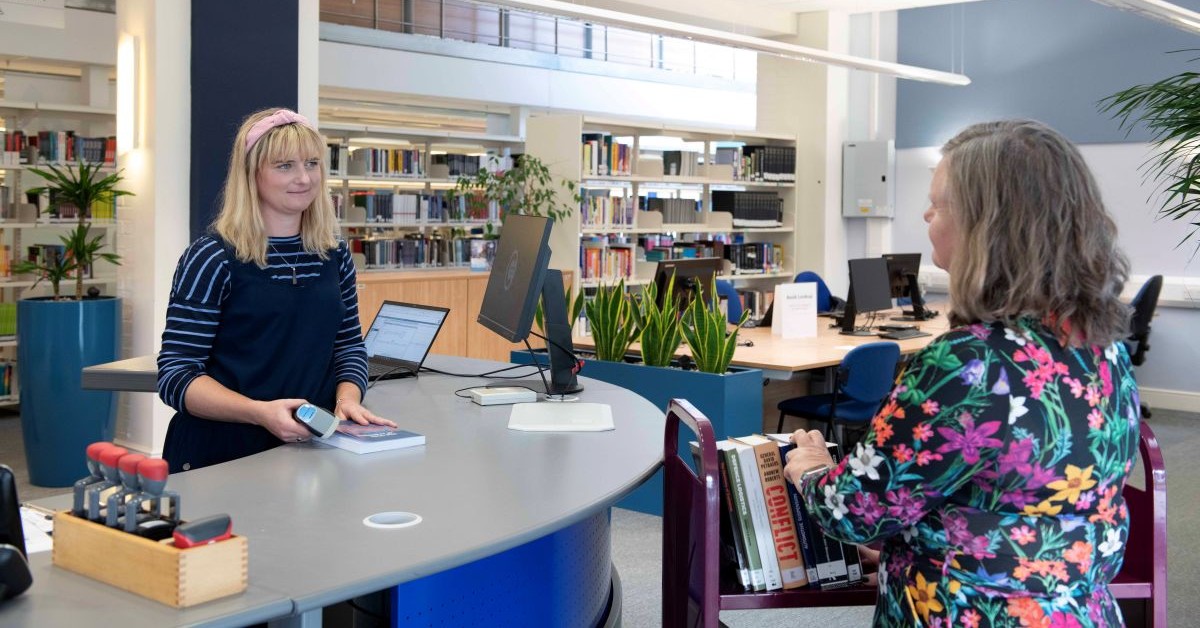
Introducing Barrington Library
Welcome to all our new students! Barrington Library supports all the students and staff at Cranfield Defence and Security on the Shrivenham site. We are looking forward to meeting you all soon, in person or ...

About to start your journey at Cranfield? We’re here to help!
Congratulations on accepting your offer to study at Cranfield! If you’re keen to get a head start before your course begins, our Library Services team is here to support you every step of the way. ...

Bank holiday hours for Library Services: Monday 31 August
Library Services staff will be taking a break on Monday 31 August for the bank holiday. You will still be able to access all the resources and help you need via our library website. The 24/7 ...