

Bridging science and supply: My journey at the GCSG European Knowledge Forum 2025
25/11/2025
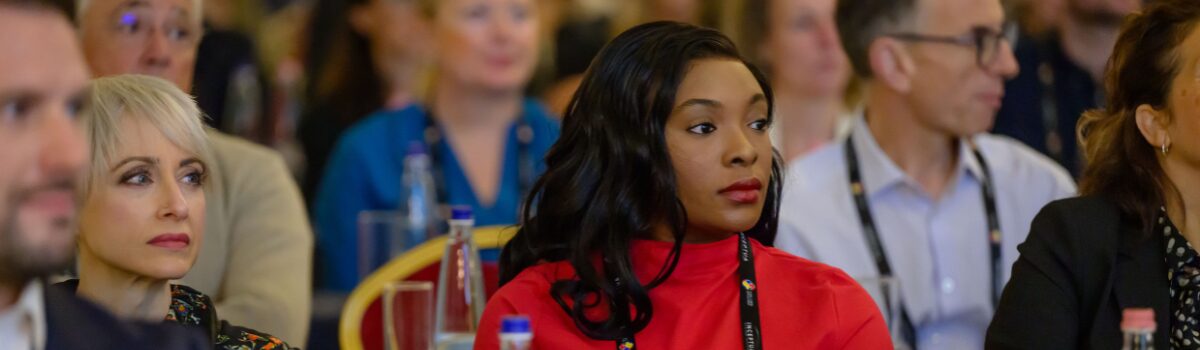
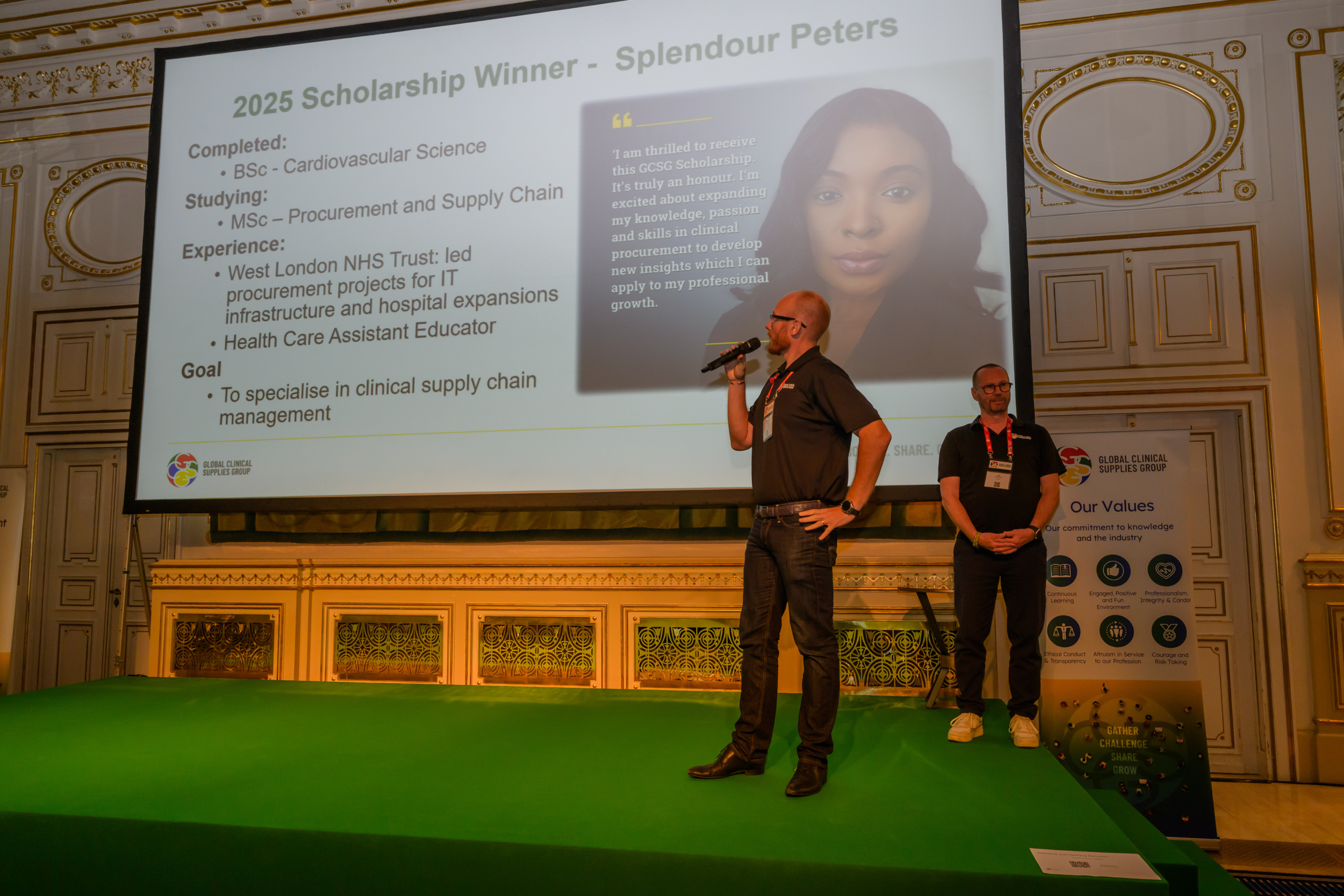
Earlier this year, I had the honour of being selected as one of the 2025 Global Clinical Supplies Group (GCSG) European Scholarship Winners, an opportunity that took me to Budapest, Hungary, for the GCSG European Knowledge Forum 2025.
What began as an academic milestone soon became a transformative experience that allowed me to align my background in cardiac physiology with my current postgraduate studies in Procurement and Supply Chain Management. Over three insightful days, I engaged in plenary sessions, workshops, and networking events that deepened my understanding of clinical supply chains, strengthened my professional network, and inspired a renewed sense of purpose.
Day One – Orientation and Understanding the Clinical Supply Chain
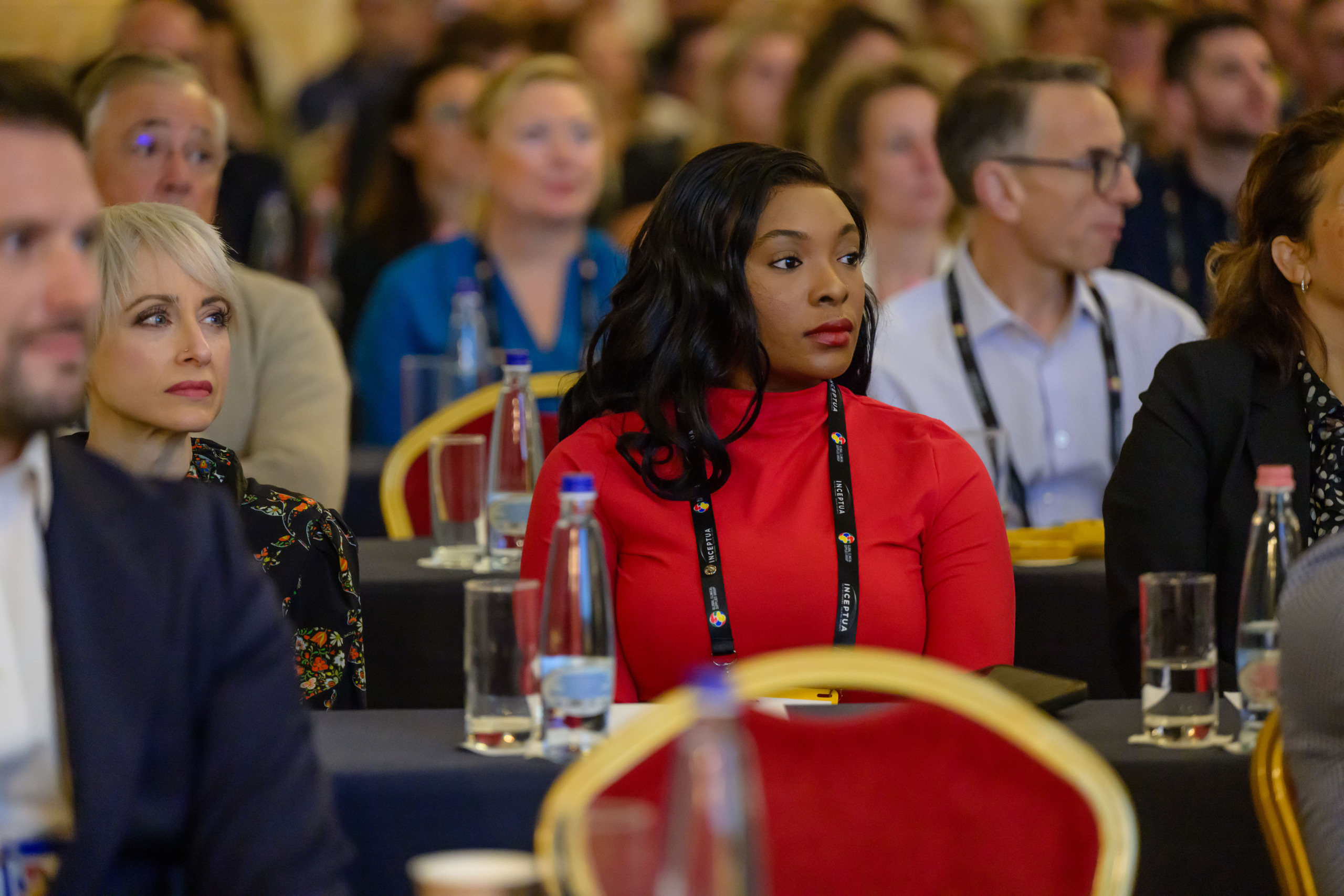
The forum commenced with a warm and engaging ‘Knowledge Forum Orientation’, designed to introduce both first-time and returning attendees to the event structure, networking opportunities, and the overall learning objectives of the conference.
Following the orientation, my first workshop, “Understanding the Clinical Supply Chain,” was delivered by Richard Lambie (Executive Vice President, Bionical Emas). The session explored the complete journey of investigational medicinal products, from development and manufacturing to packaging, distribution, and patient delivery.
Key topics included Good Manufacturing Practices (GMPs), Good Distribution Practices (GDPs), randomisation and blinding, product stability, and regulatory frameworks across the EU and global regions. The workshop highlighted the complexity and precision required to maintain supply integrity and compliance throughout a clinical trial lifecycle.
This session was particularly meaningful to me, as it demonstrated how my scientific knowledge and operational expertise could converge to support the global delivery of life-changing therapies.
Day Three – The Human Impact and Future Innovation
The final day began with a profoundly moving patient testimonial, sponsored by Clinigen. The speaker, Jonathan, shared the story of his two-year-old son, George, who was diagnosed with a rare childhood cancer, Rhabdomyosarcoma. In 2024, George underwent a pioneering nano-knife procedure at King’s College Hospital, which successfully removed 100% of the tumour.
This session reminded all attendees of the human impact behind every process, shipment, and clinical protocol. It underscored the true purpose of our work that every decision within the clinical supply chain ultimately serves patients and their families.
Later in the day, I attended “The Evolution of AI to Improve Clinical Trials,” a workshop that explored how artificial intelligence is reshaping clinical research. The session covered the use of AI in study design, predictive analytics, and workflow optimisation. It emphasised the potential of AI to enhance efficiency, accuracy, and decision-making throughout the trial lifecycle.
This session resonated deeply with my interests in digital transformation and innovation. It sparked an academic curiosity that I hope to explore in my final-year dissertation, focusing on how AI can enhance the efficiency, transparency, and ethical delivery of clinical trials. In the long term, I aspire to pursue a PhD examining how AI-driven systems can strengthen global clinical supply networks.
The conference concluded with a final networking dinner, where I continued to engage with fellow delegates, reflect on my experiences, and appreciate how this opportunity had evolved into a meaningful step forward in my career.
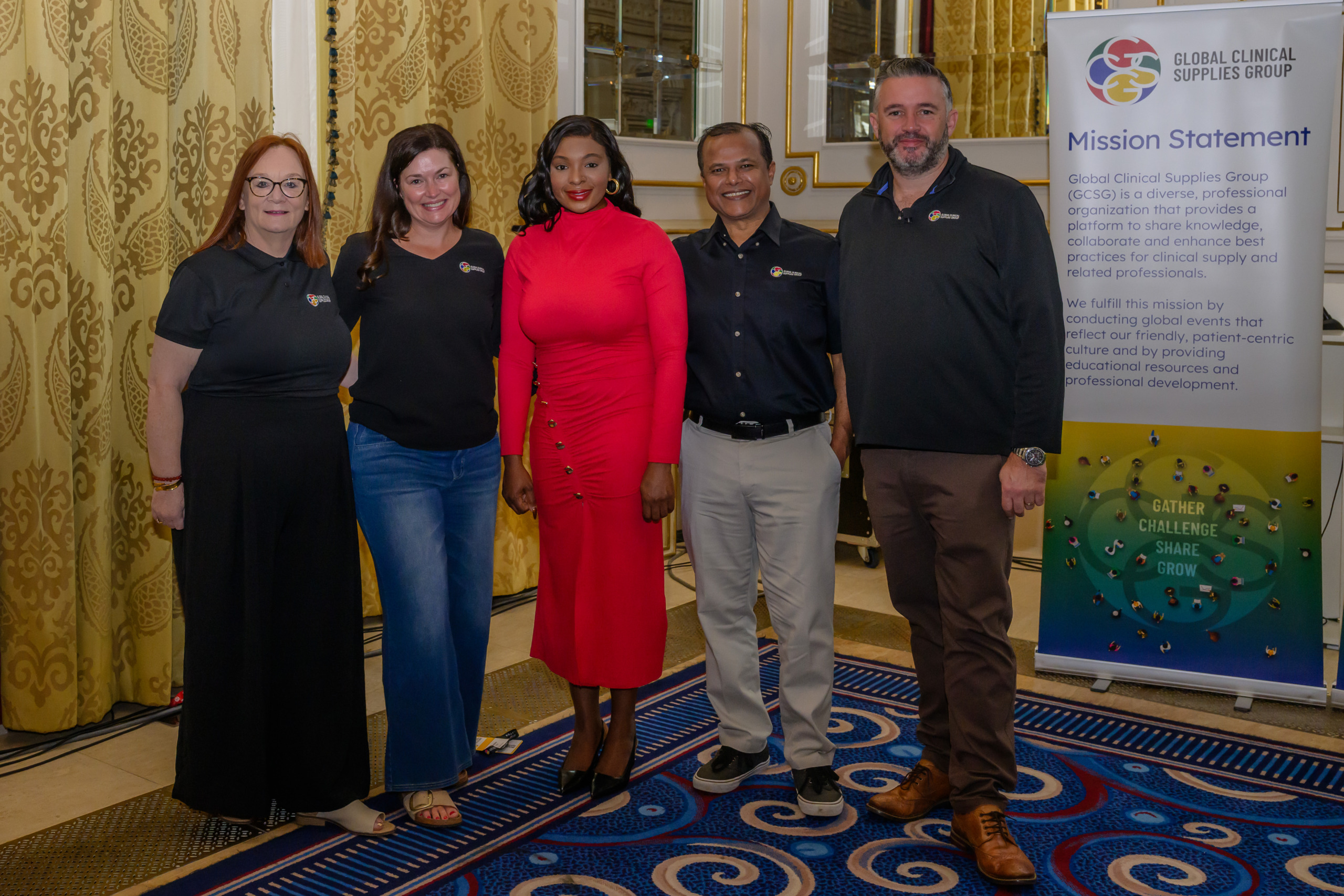
Becky Griffiths Director of Global Marketing, Karen Ellis GCSG Board Chair, Splendour Peter, Ajay Shah Board Member, Dave Spillet Board Member
Attending the GCSG Europe Knowledge Forum 2025 was far more than an academic achievement; it was a journey of professional and personal growth. From the foundational workshops and keynote reflections to the networking opportunities and technical insights, each moment offered a new perspective on the role of supply chains in advancing global healthcare.
Winning the scholarship has been transformative. It not only validated my dedication to learning but also expanded my professional network and set the stage for future opportunities in the clinical trial sector.
I left Budapest with gratitude, renewed ambition, and a deepened commitment to contributing to the development of efficient, agile, and patient-focused clinical supply chains that bridge science and operations for the betterment of global health.




Categories & Tags:
Leave a comment on this post:
You might also like…

Setting your research on the right course: Four questions every researcher should ask
Whether you are just beginning your doctoral journey or are already well into your research career, successful research rarely happens by accident. Like any successful mission, it depends on good planning, informed decisions, and getting ...

5 budgeting mistakes students make (and how to avoid them)
Good financial planning isn't about how much money you have. It's about the habits you build. We asked Dr Lakshmy Subramanian, Course Director for the Banking, Economics and Finance MSc, about the budgeting mistakes ...

Finding your reading materials
Use Library Search Library Search is the first place to start when you are trying to find academic sources for your work. This is the search box on the library website homepage. It allows you ...

Formula 1 was the dream and Cranfield was the conduit
I still remember the exact moment Formula 1 (F1) got its hooks into me. I was in my first year of an aerospace undergraduate engineering degree when I watched a video about the sport ...

Introducing Barrington Library
Welcome to all our new students! Barrington Library supports all the students and staff at Cranfield Defence and Security on the Shrivenham site. We are looking forward to meeting you all soon, in person or ...

About to start your journey at Cranfield? We’re here to help!
Congratulations on accepting your offer to study at Cranfield! If you’re keen to get a head start before your course begins, our Library Services team is here to support you every step of the way. ...
Comments are closed.