

Engineering a Greener Tomorrow: The Future of Sustainable Manufacturing
25/11/2025

Across the world, engineers are facing one of the greatest challenges of our time: how to manufacture more while consuming less. As industries race toward net-zero targets, sustainability has become the driving force behind innovation in design, materials, and manufacturing systems.
Why sustainability is re-defining manufacturing
Sustainability is no longer just an environmental priority – it’s an engineering necessity. From aerospace to automotive, energy and beyond, organisations are rethinking how products are designed, built and maintained throughout their lifecycles.
Some of the most exciting advances are happening at the cross over of materials innovation, manufacturing process optimisation and digital engineering:
- Lightweight materials are reducing fuel consumption in aircraft and vehicles.
- Advanced welding and joining techniques are enabling hybrid structures that combine strength with recyclability.
- Digital twins and data analytics are helping engineers predict performance, extend product life, and cut waste.
- Through-life system sustainment ensures equipment remains efficient, safe, and cost-effective long after production.
These breakthroughs don’t just lower carbon emissions – they create smarter, more resilient manufacturing ecosystems.
Study sustainable manufacturing at Cranfield University
At Cranfield, sustainability is at the heart of our Manufacturing, Materials and Design education and research. Our postgraduate and doctoral opportunities equip engineers to turn ambition into action – applying innovation to real industrial challenges.
We offer a suite of masters degrees that directly support your journey toward sustainable manufacturing:
- Aerospace Manufacturing MSc – Explore advanced manufacturing techniques and automation for next-generation, low-emission aircraft production.
- Advanced Materials: Engineering and Industrial Applications MSc – Develop expertise in high-performance, sustainable materials and their role in modern design.
- Advanced Lightweight and Composite Structures MSc – Develop expertise in analytical, experimental, and numerical techniques to create structures that reduce fuel consumption and carbon emissions.
- Welding Engineering MSc – Learn the science and application of advanced joining technologies that enable lightweight, durable, and sustainable structures.
- Through-life System Sustainment MSc – Understand how to design, maintain, and optimise systems across their entire lifecycle to reduce waste and improve efficiency.
If you want to push the boundaries even further, we also offer PhD opportunities across these areas – enabling researchers to tackle real-world sustainability challenges through pioneering industrial and academic collaborations.
With our strong industry links and world-class facilities, Cranfield provides a uniquely practical learning environment where students don’t just study sustainability — they engineer it.
During this session our panel of Cranfield experts will discuss:
- How sustainable manufacturing is reshaping global industries.
- The role of materials, processes, and digital technologies in achieving net zero.
- Why through-life thinking is essential for the future engineer.
- The skills and career opportunities emerging in this evolving field,
Whether you’re passionate about aerospace, materials science, welding, or lifecycle engineering, this is your opportunity to hear from the people shaping the future of sustainable manufacturing.
Looking ahead
Sustainability isn’t just a buzzword – it’s the foundation of modern engineering.
By combining innovation, collaboration and a through-life approach to design, the engineers of tomorrow can create technologies that are not only efficient and profitable but also responsible and enduring.
At Cranfield University, we’re proud to help build that future – through our MSc’s, research, CPD short courses as well as world-class partnerships with industry.
Join us and be part of the journey to engineer a greener tomorrow.


Categories & Tags:
Leave a comment on this post:
You might also like…
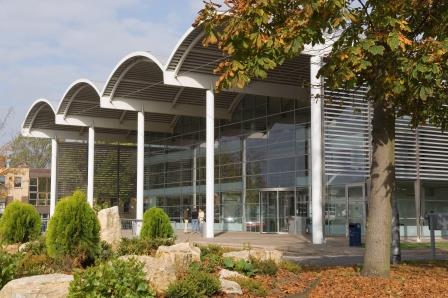
Introducing Kings Norton Library
Welcome to all our new students! We are looking forward to meeting you soon. You will find Kings Norton Library in the centre of the Cranfield campus, and it is open 24/7 to all staff ...

Setting your research on the right course: Four questions every researcher should ask
Whether you are just beginning your doctoral journey or are already well into your research career, successful research rarely happens by accident. Like any successful mission, it depends on good planning, informed decisions, and getting ...

5 budgeting mistakes students make (and how to avoid them)
Good financial planning isn't about how much money you have. It's about the habits you build. We asked Dr Lakshmy Subramanian, Course Director for the Banking, Economics and Finance MSc, about the budgeting mistakes ...
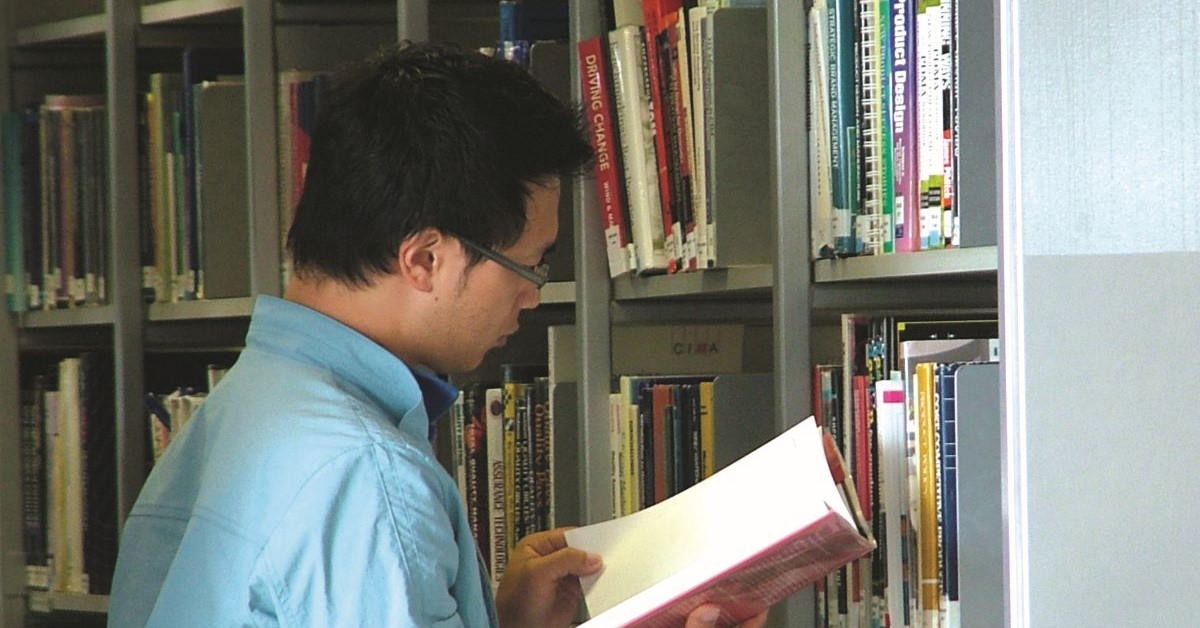
Finding your reading materials
Use Library Search Library Search is the first place to start when you are trying to find academic sources for your work. This is the search box on the library website homepage. It allows you ...

Formula 1 was the dream and Cranfield was the conduit
I still remember the exact moment Formula 1 (F1) got its hooks into me. I was in my first year of an aerospace undergraduate engineering degree when I watched a video about the sport ...
Introducing Barrington Library
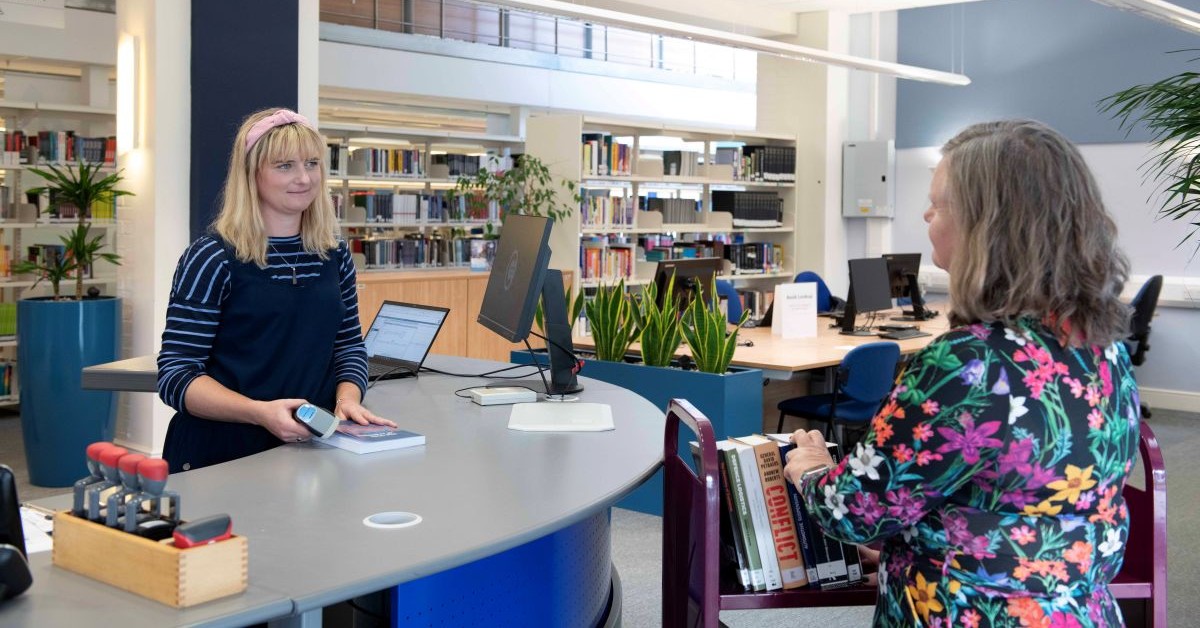
Welcome to all our new students! Barrington Library supports all the students and staff at Cranfield Defence and Security on the Shrivenham site. We are looking forward to meeting you all soon, in person or ...