

From Colombia to the UK: Studying Cranfield’s Computational Fluid Dynamics MSc
15/08/2025
“Cranfield’s campus is truly a self-contained ecosystem where you can find both academic rigour and heartfelt human connections.”
Hi, my name is Alejandro. I currently live in the UK, but I am originally from Colombia, and I am studying the Computational Fluid Dynamics MSc at Cranfield. I’m excited to share with you my journey so far as a current student.
Why did you choose Cranfield and the Computational Fluid Dynamics MSc course?
My primary goal was to find a programme that would allow me to deepen my skills in fluid dynamics or a related field such as aerodynamics. I was initially looking at universities in both the USA and the UK. However, I’ve always been drawn to British culture and the UK’s strong academic tradition, so I decided to focus my search there.
I narrowed it down to two options: one was an aerodynamics course in Manchester, and the other was the Computational Fluid Dynamics (CFD) MSc at Cranfield University. When I read about Cranfield’s origins as the College of Aeronautics and how it has developed into a leading research and development centre for aerospace, I knew it was the right place for me. The fact that it’s the only university in Europe with its own airport also made a big impression.
How did you find the CFD course?
The course has definitely been challenging from day one. With seven distinct modules and assignments for each, the MSc has demanded consistent effort and there were times when my work stretched into the early hours of the morning. But overcoming each challenge and seeing positive results became a continuous source of motivation.
The structure of the course is excellent. It began with an introductory week where we got to know the lecturers, followed by modules covering fundamental topics such as fluid mechanics, thermodynamics, meshing, mathematical foundations for numerical discretisation’s, and different solvers for turbulent, compressible and incompressible flows. Each module is intensive, running for a full week, which allows us to focus deeply on the subject while also having access to the well-stocked Kings Norton Library to explore further.
The lecturers are incredibly knowledgeable and approachable. They make a genuine effort to ensure every student understands the content, encouraging questions and discussions throughout.
Are there any highlights from your course so far?
One of the most surprising and rewarding parts of the course was the group project. Given Cranfield’s strong focus on aerospace, I expected a CFD project related to aerodynamics in aerospace or automotive fields. However, we worked on a simulation of cerebral perfusion modelling blood flow in the brain for the European Union’s GEMINI project.
This project not only allowed me to develop technical skills, but also to work collaboratively with people from different nationalities and to build lasting friendships. It was a brilliant way to demonstrate the wide range of CFD applications and to show how the course prepares us for various real-world scenarios.
Another unforgettable experience was flying on the Saab 340B, collecting in-flight telemetry data under different flight conditions — a truly unique opportunity!
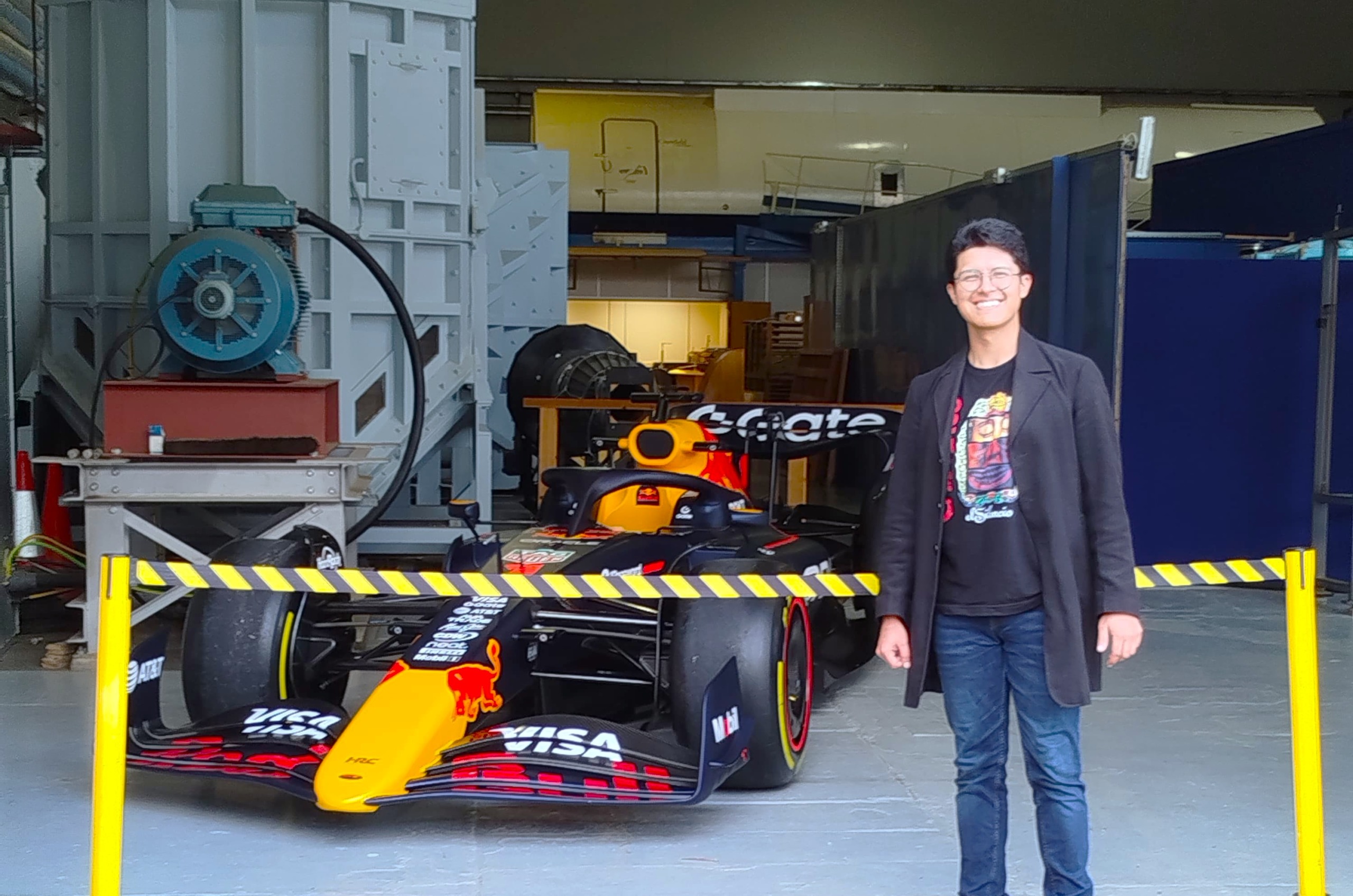
But perhaps the most valuable aspect has been Cranfield’s close ties with industry. These connections gave us the chance to attend talks from professionals and even apply for thesis projects with leading companies. Personally, I secured the opportunity to complete my thesis with the Red Bull Racing Formula 1 team, analysing different meshing methods for aerodynamic and thermal analysis of the wheel and brake systems.
What did your first days/weeks look like for you on campus?
Although the campus is somewhat remote, I appreciated the fact that everything you need is available on-site. The accommodation is comfortable and well-equipped, and one of the first places I visited was the library. I was delighted to find such a comprehensive collection of literature to support our studies. The first few weeks were focused on getting to know the campus layout. The various buildings and facilities where classes would take place, as well as discovering cafés, walking paths, and sports areas. I also explored nearby towns such as Milton Keynes and Bedford, which are great for grocery shopping and other essentials. During these activities, I began meeting students from both my course and others, from various MSc and PhD programmes and quickly formed some great friendships.
What is your experience of coming to the UK so far and in particular at Cranfield University?
This is my first time travelling abroad, so everything from the moment I arrived at the airport was a new experience.
“Cranfield University has been the perfect place for someone like me — someone who views academia as a platform to push their abilities to the highest level and to grow by learning from others.”
It’s also been incredibly exciting to experience life beyond academics, from witnessing the changing seasons, feeling the autumn winds, experiencing my first snowfall, enjoying the warmth of summer, and, of course, embracing the classic rainy and cloudy days of the UK.
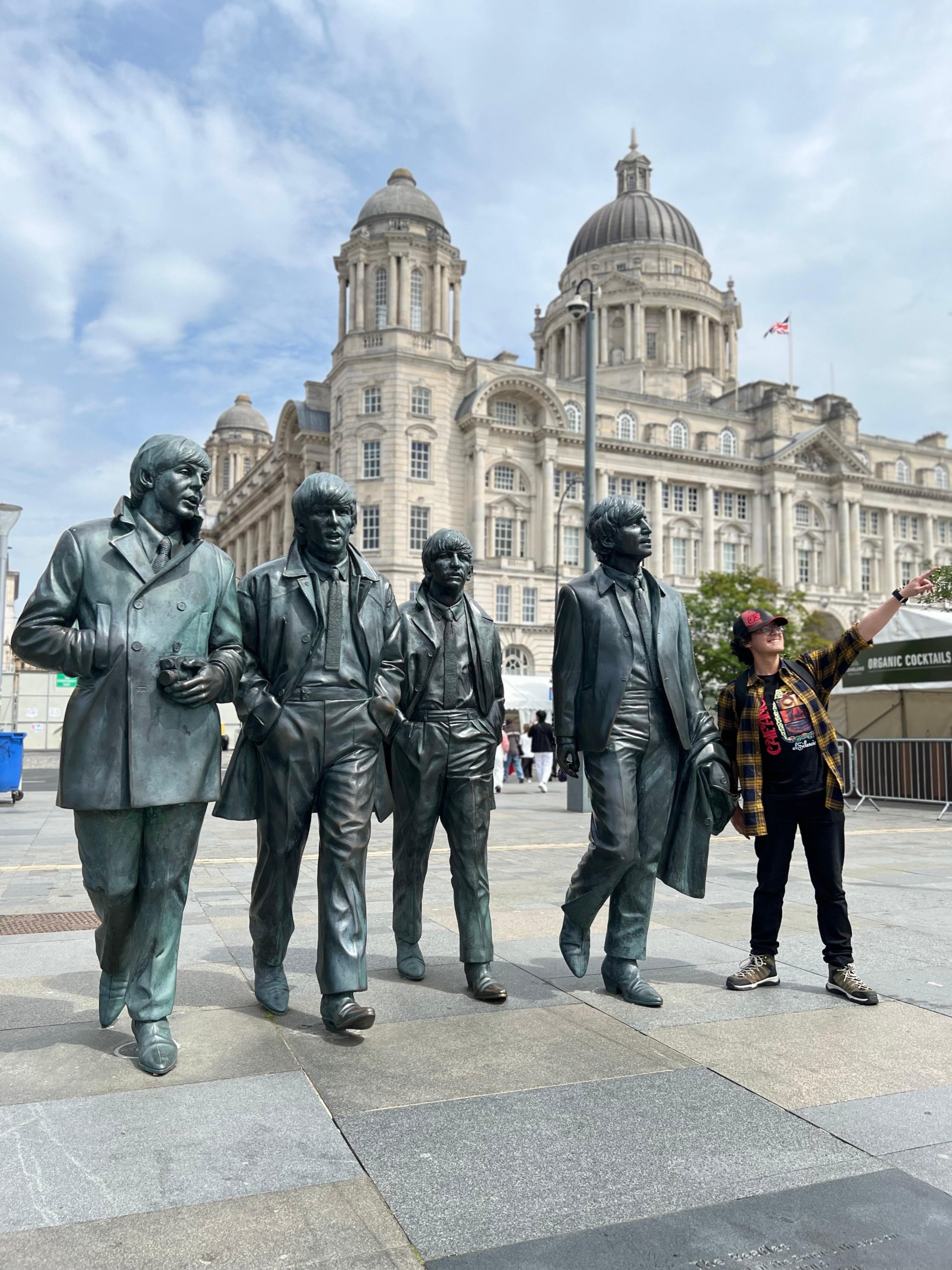
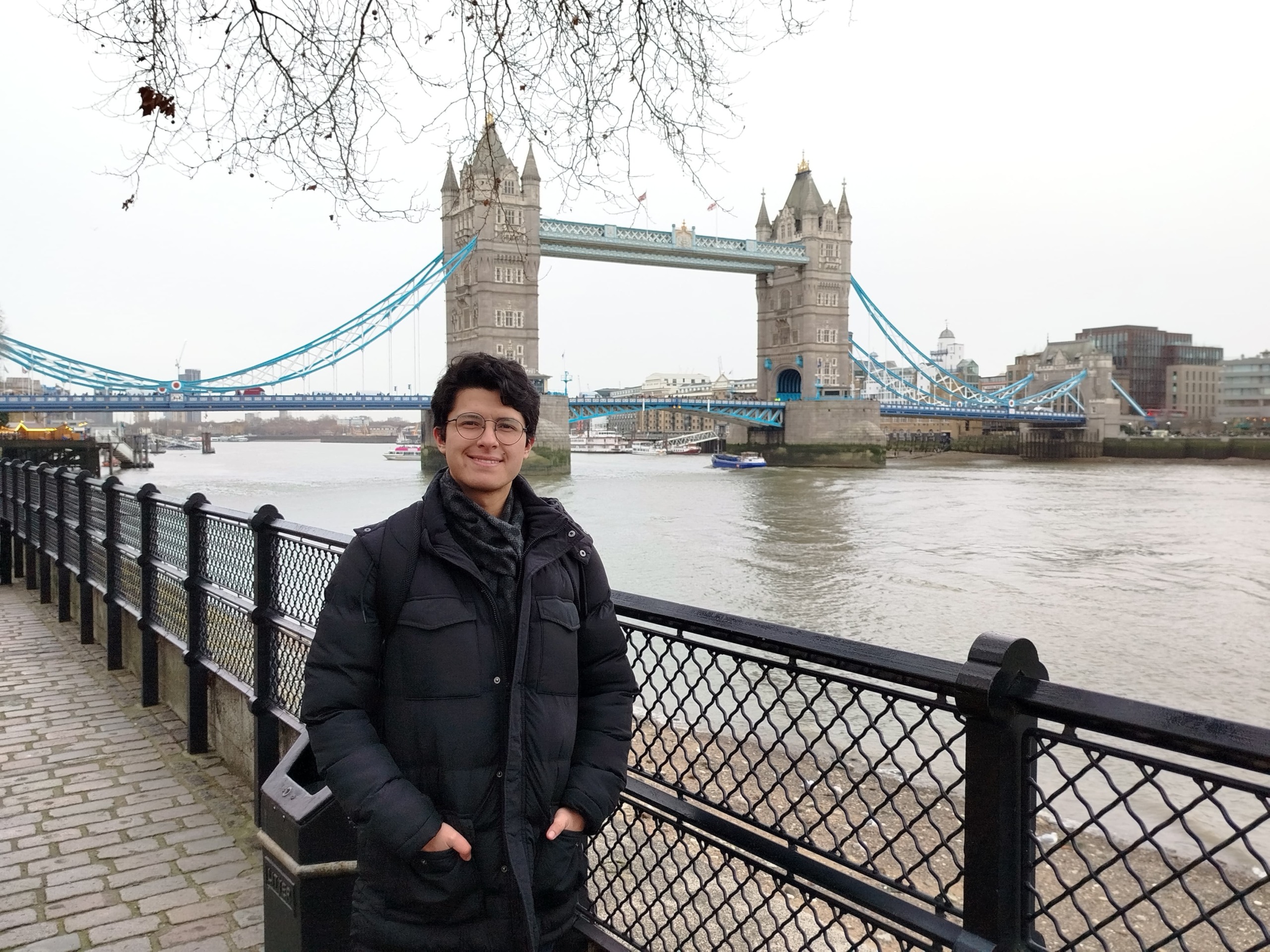
Exploring cities like London with its iconic landmarks and historic streets or visiting Liverpool and Birmingham with their rich musical heritage, has added a vital dimension to this journey.
What are your future aspirations?
My main aspiration is to continue advancing my expertise in Computational Fluid Dynamics, particularly within the automotive industry, which is undergoing rapid transformation due to the push towards electrification, sustainability, and performance optimisation. I am especially interested in working in high-performance environments where CFD plays a crucial role in thermal management, aerodynamic design, and system integration such as motorsport or electric vehicle development.
Ideally, I would like to establish my career in the UK or Switzerland, both of which are home to innovative automotive and motorsport companies that value advanced simulation methods and engineering precision. My previous experience as a Development Engineer has already given me a strong foundation in product design and problem-solving, and the specialised training I’ve received at Cranfield including exposure to industry projects and state-of-the-art tools has significantly enhanced my ability to contribute in real-world engineering environments.
In the medium to long term, I also see myself taking on roles that combine technical leadership with innovation, working closely with cross-functional teams to drive performance improvements and shape the future of automotive technologies. I am passionate about continuous learning, and I would like to remain at the forefront of CFD developments, perhaps even pursuing further research or contributing to the academic–industry bridge by mentoring or collaborating on research projects.
Ultimately, my goal is to be part of an organisation that not only challenges me technically but also aligns with my values of sustainability, collaboration, and engineering excellence.
What advice would you give to a prospective student interested in studying at Cranfield?
It’s crucial to find a good balance right from the start. The academic workload from coursework and assessments to group projects and the thesis combined with job applications and CV preparation, can be overwhelming.
As a one-year MSc student, your priority should be to achieve the best possible results in all academic phases. However, discipline is key, and it’s important to also focus on building your professional profile. Take advantage of Cranfield’s Career and Employability Service, and don’t forget to make time for leisure activities whether it’s playing sports, joining clubs, or simply enjoying social events at the Cranfield Student Association.
A master’s degree shouldn’t be only about continuous work; it’s also a chance to engage with people from around the world and learn from diverse perspectives.
A fun fact about me
I would describe myself as an introvert, back in Colombia, I found it difficult to socialise and meet new people. Honestly, during my first month at Cranfield, I was almost like a hermit either in my room or in the library, entirely focused on work.
But after a moment of reflection, I realised I was missing out on the chance to experience the world through my classmates. I began pushing myself to engage with others, and it turned out to be one of the best decisions I’ve ever made. I’ve formed meaningful friendships with amazing people from England, India, China, Mexico, and beyond.



Categories & Tags:
Leave a comment on this post:
You might also like…
Introducing Kings Norton Library
Welcome to all our new students! We are looking forward to meeting you soon. You will find Kings Norton Library in the centre of the Cranfield campus, and it is open 24/7 to all staff ...

Setting your research on the right course: Four questions every researcher should ask
Whether you are just beginning your doctoral journey or are already well into your research career, successful research rarely happens by accident. Like any successful mission, it depends on good planning, informed decisions, and getting ...
5 budgeting mistakes students make (and how to avoid them)
Good financial planning isn't about how much money you have. It's about the habits you build. We asked Dr Lakshmy Subramanian, Course Director for the Banking, Economics and Finance MSc, about the budgeting mistakes ...
Finding your reading materials
Use Library Search Library Search is the first place to start when you are trying to find academic sources for your work. This is the search box on the library website homepage. It allows you ...
Formula 1 was the dream and Cranfield was the conduit
I still remember the exact moment Formula 1 (F1) got its hooks into me. I was in my first year of an aerospace undergraduate engineering degree when I watched a video about the sport ...
Introducing Barrington Library
Welcome to all our new students! Barrington Library supports all the students and staff at Cranfield Defence and Security on the Shrivenham site. We are looking forward to meeting you all soon, in person or ...