

Advanced Materials: Engineering the future
09/09/2024

Are you ready to work with the next generation of materials? From this year, we are offering students the opportunity to get into the exciting field of innovative materials science and engineering thanks to our future focussed MSc in Advanced Materials: Engineering and Industrial Applications. Previously known as the Advanced Materials MSc, this course is a dynamic and innovative programme that equips students with the skills and knowledge needed, to excel in the rapidly evolving field of materials science and engineering. By combining academic rigor with practical experience, the course prepares students for successful careers in a wide range of industries.
In this article, we talk to David Ayre, Course Director for the MSc, on why he felt the course needed a refresh and how it will prepare students for the future of materials science.
Why the redesign?
David: We’ve been working on this for a couple of years, but ultimately we wanted the Advanced Materials: Engineering and Industrial Applications MSc course to better align with the evolving landscape of materials science and engineering. The programme now emphasises emerging technologies, sustainability, and industry-relevant skills.
How does the course better address industry needs?
David: The updated curriculum addresses the critical needs of industries facing increasing pressure to adopt sustainable practices and leverage advanced materials. It incorporates simulation software, which is becoming essential for efficient design and manufacturing, and focuses on materials developed within the last 25 years that offer superior performance.
What’s new and exciting about the MSc?
David: The course provides students with a unique opportunity to engage with cutting-edge research in materials science and manufacturing. Through industry guest lectures and collaborative projects, students gain valuable insights into real-world applications and challenges.
Students will also have the opportunity to gain practical experience in our state-of-the-art research labs, manufacturing test samples, characterising materials and test structures.
What specific industry-relevant skills will students develop?
David: The new MSc equips students with a comprehensive set of skills essential for success in the materials engineering field. These include:
- Knowledge of materials and manufacturing processes: A deep understanding of a wide range of materials and their associated manufacturing techniques.
- Problem-solving: The ability to apply knowledge to solve engineering challenges effectively.
- Communication: Strong communication skills to collaborate with colleagues and stakeholders.
- Materials expertise: A broad understanding of metals, ceramics, polymers, and composites.
- Technological transfer: The capacity to transfer technologies across industries and applications.
How about career opportunities?
David: We want students to be ready for a variety of rewarding careers in materials science and engineering, such as:
- Design engineers: Specifying materials and manufacturing processes.
- Manufacturing engineers: Overseeing product development from design to production.
- Maintenance engineers: Identifying and resolving maintenance issues.
- Technical support and sales: Providing customer support and technical expertise.
- Research and development: Developing new materials, manufacturing methods, and applications.
Who is the course suitable for?
David: The course is ideal for students with a background in science, applied science, mathematics, engineering, or related fields. It is also suitable for working professionals seeking to advance their careers or transition into materials engineering. Students with relevant work experience may be considered, even if they do not meet the strict academic requirements.
How would you say the MSc compares to other similar courses?
David: This is a very future-focused and industry-relevant course. We’ve designed this course in consultation with industry, and the key features are:
- Broad focus: The course offers a comprehensive overview of materials engineering, emphasising applications, emerging technologies, and research.
- Practical emphasis: The significant project components provide hands-on experience and prepare students for industry.
- Interdisciplinary collaboration: The group project allows students to work with peers from other engineering disciplines, fostering teamwork and communication skills.
- Skill development: The course is designed to enhance students’ knowledge, skills, and practical application.
How should prospective students apply for the course?
David: Simply visit the course webpage and follow the application process. If you want to talk to someone about it before applying, you can email me at d.s.ayre@cranfield.ac.uk.



Categories & Tags:
Leave a comment on this post:
You might also like…
Introducing Kings Norton Library
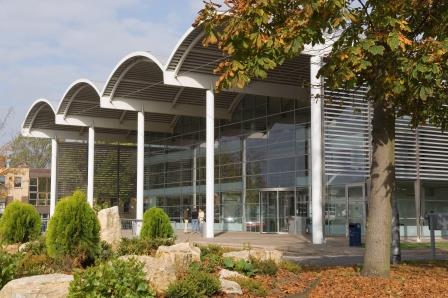
Welcome to all our new students! We are looking forward to meeting you soon. You will find Kings Norton Library in the centre of the Cranfield campus, and it is open 24/7 to all staff ...

Setting your research on the right course: Four questions every researcher should ask
Whether you are just beginning your doctoral journey or are already well into your research career, successful research rarely happens by accident. Like any successful mission, it depends on good planning, informed decisions, and getting ...

5 budgeting mistakes students make (and how to avoid them)
Good financial planning isn't about how much money you have. It's about the habits you build. We asked Dr Lakshmy Subramanian, Course Director for the Banking, Economics and Finance MSc, about the budgeting mistakes ...

Finding your reading materials
Use Library Search Library Search is the first place to start when you are trying to find academic sources for your work. This is the search box on the library website homepage. It allows you ...

Formula 1 was the dream and Cranfield was the conduit
I still remember the exact moment Formula 1 (F1) got its hooks into me. I was in my first year of an aerospace undergraduate engineering degree when I watched a video about the sport ...
Introducing Barrington Library
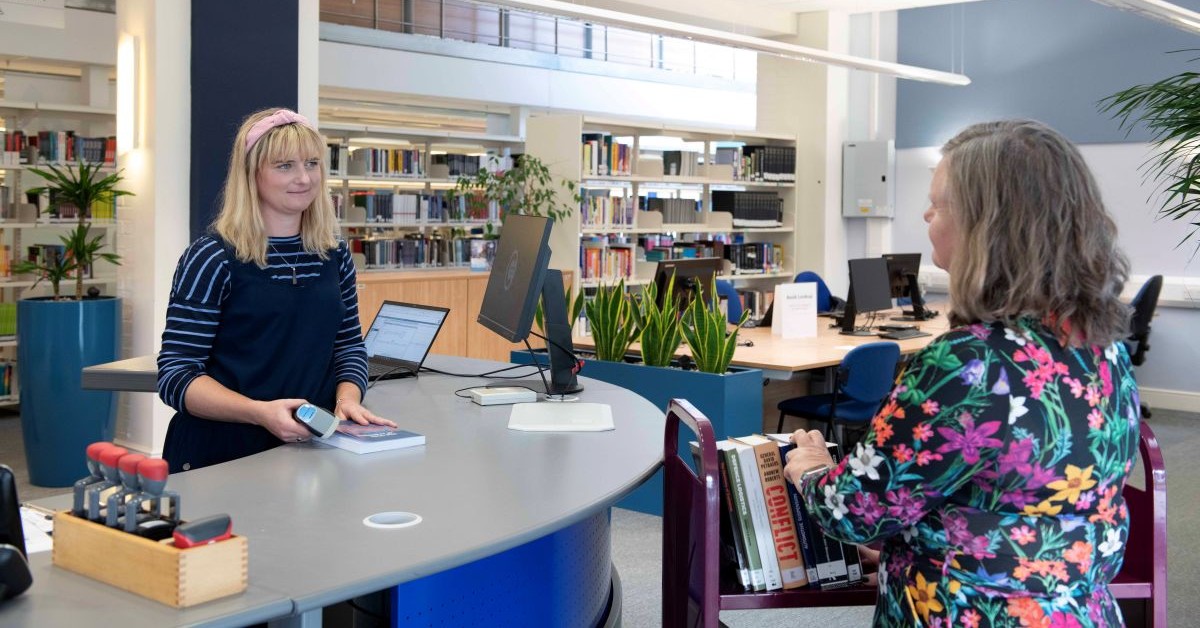
Welcome to all our new students! Barrington Library supports all the students and staff at Cranfield Defence and Security on the Shrivenham site. We are looking forward to meeting you all soon, in person or ...