


UKREiiF: Unlocking the potential of UK universities to drive economic growth through research and innovation
17/06/2024
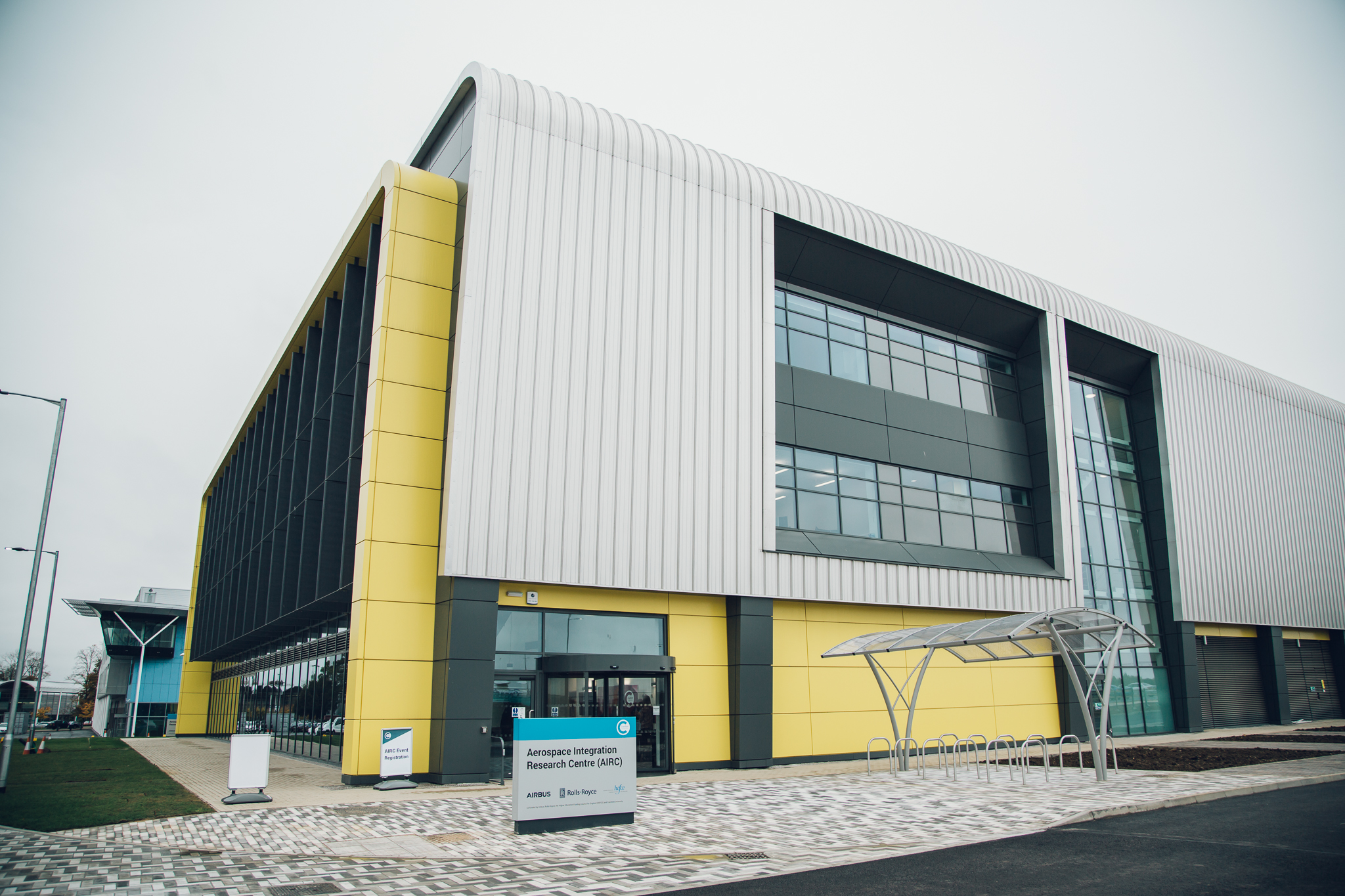
As Pro-Vice Chancellor of Research and Innovation at Cranfield University, I am reminded every day that the research we carry out is truly world changing. Since our foundation, we have encouraged a research culture with a collective goal which promotes the articulation of intellectual contribution for useful application.
Our vision is that Cranfield will be globally recognised as the UK’s applied research powerhouse, and as a leader of sustainable innovation.
But what makes our work unique is how and who we collaborate with.
One excellent example of this is the new Cranfield Hydrogen Integration Incubator (CH2i) which recently received £69million in investment from Research England, industry partners and other academic institutions. As well as CH2i, the University has recently won £25million in funding for two new Centres for Doctoral Training (CDTs), one focusing on advancing water security and the other on net zero aviation. This comes in addition to collaborating with a third, Loughborough University-led, centre on advancing hydrogen technology.
It all begins with discovery and the synergy with innovation which builds the potential for investment. This is the foundation upon which we create skilled jobs and forge the industry leaders of tomorrow.
At the recent UK Real Estate Investment & Infrastructure Forum, the Midlands Innovation (MI) coalition of 8 research-intensive universities – of which Cranfield is a member – outlined a campaign to attract inward investment to the region called Invest in UK University R&D. The Oxford to Cambridge Pan Regional Partnership, of which Cranfield is also a member, were also present, outlining the impact of knowledge intensive clusters across our region which are developing high-tech innovations with business.
The goal for MI is to take this research-led approach and establish it on a regional level across the Midlands, transforming the area into a recognised supercluster for innovation, investment and research. MI recently founded Midlands Mindforge – an ambitious patient capital investment company formed to accelerate and enhance the commercialisation of ground-breaking science and technology innovations from eight universities and the Midlands region.
The density of expertise in both the Midlands and the Oxford-Milton Keynes-Cambridge corridor is unparalleled, with some of the world’s leading universities translating innovation into commercial success. Add in the forthcoming East-West rail infrastructure which will improve transport links and the potential for close collaboration and skill sharing between academia and business will only grow in the future.
The MI universities already employ over 78,000 people and contribute £10billion to the economy. The Oxford to Cambridge Pan Regional Partnership area contributes £13billion to the UK economy. Imagine the potential when we all work together to secure greater investment from both the UK and abroad.
We’re far further down the road to success than just building the foundations. The UK Government’s response to the independent review into university spin-out companies shows that it sees the invaluable role that universities have in the country’s growth. But now the emphasis is squarely on institutions like Cranfield to capitalise on this momentum. The true significance of university research will ultimately be judged on its novelty, its application and the positive impact on society it creates.


Categories & Tags:
Leave a comment on this post:
You might also like…

5 budgeting mistakes students make (and how to avoid them)
Good financial planning isn't about how much money you have. It's about the habits you build. We asked Dr Lakshmy Subramanian, Course Director for the Banking, Economics and Finance MSc, about the budgeting mistakes ...

Finding your reading materials
Use Library Search Library Search is the first place to start when you are trying to find academic sources for your work. This is the search box on the library website homepage. It allows you ...

Formula 1 was the dream and Cranfield was the conduit
I still remember the exact moment Formula 1 (F1) got its hooks into me. I was in my first year of an aerospace undergraduate engineering degree when I watched a video about the sport ...

Introducing Barrington Library
Welcome to all our new students! Barrington Library supports all the students and staff at Cranfield Defence and Security on the Shrivenham site. We are looking forward to meeting you all soon, in person or ...

About to start your journey at Cranfield? We’re here to help!
Congratulations on accepting your offer to study at Cranfield! If you’re keen to get a head start before your course begins, our Library Services team is here to support you every step of the way. ...

Bank holiday hours for Library Services: Monday 31 August
Library Services staff will be taking a break on Monday 31 August for the bank holiday. You will still be able to access all the resources and help you need via our library website. The 24/7 ...
Comments are closed.